

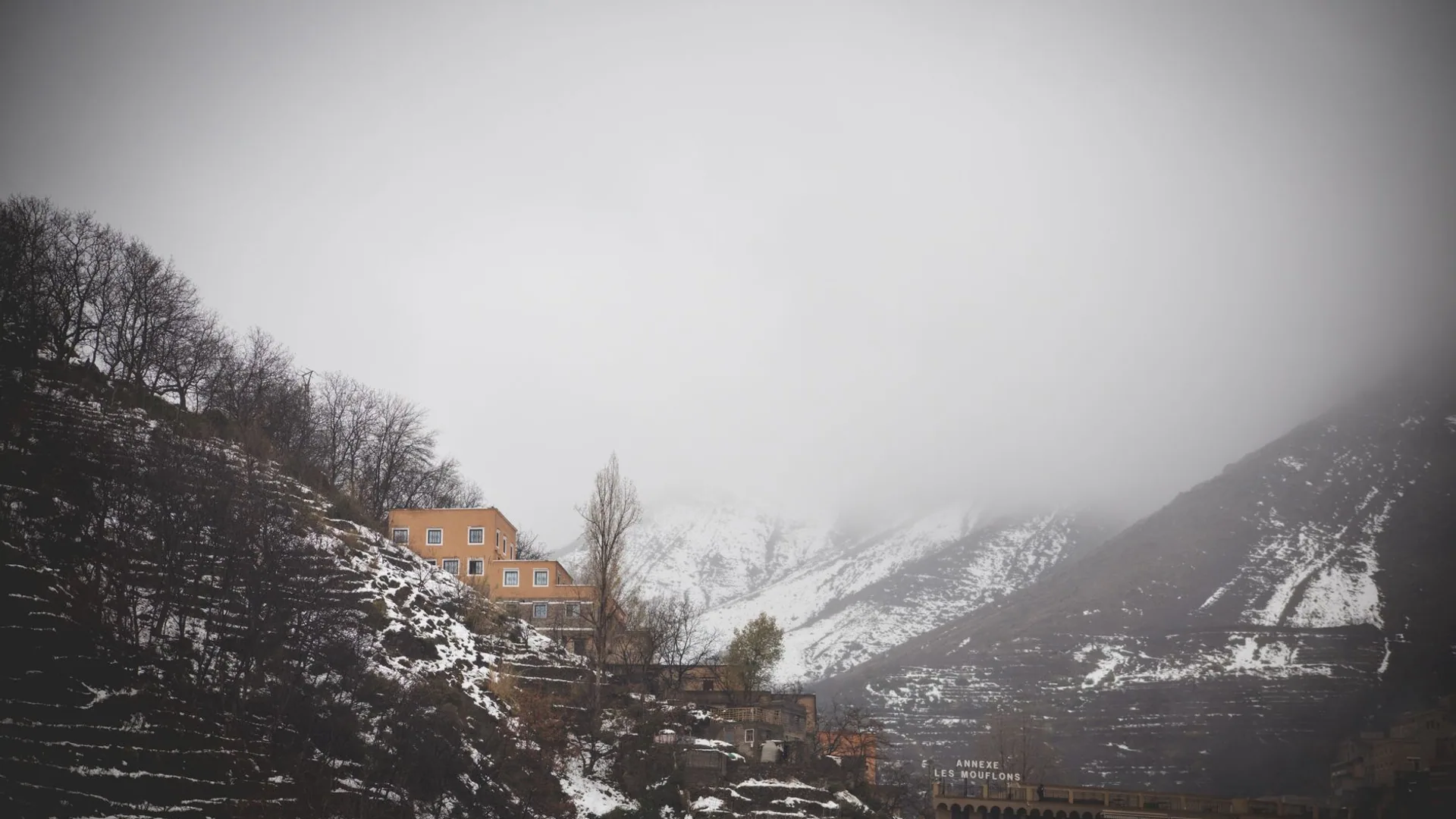
Imlil is one of Morocco's best-known mountain villages and the main starting point for treks toward Mount Toubkal, the highest peak in North Africa. Surrounded by valleys, terraced slopes and High Atlas peaks, it works for both short countryside walks and serious multi-day trekking. You do not need to climb Toubkal to enjoy the area — many travellers come for fresh air, mountain scenery, local food and a slower alternative to Marrakech.
01. Why visit Imlil?
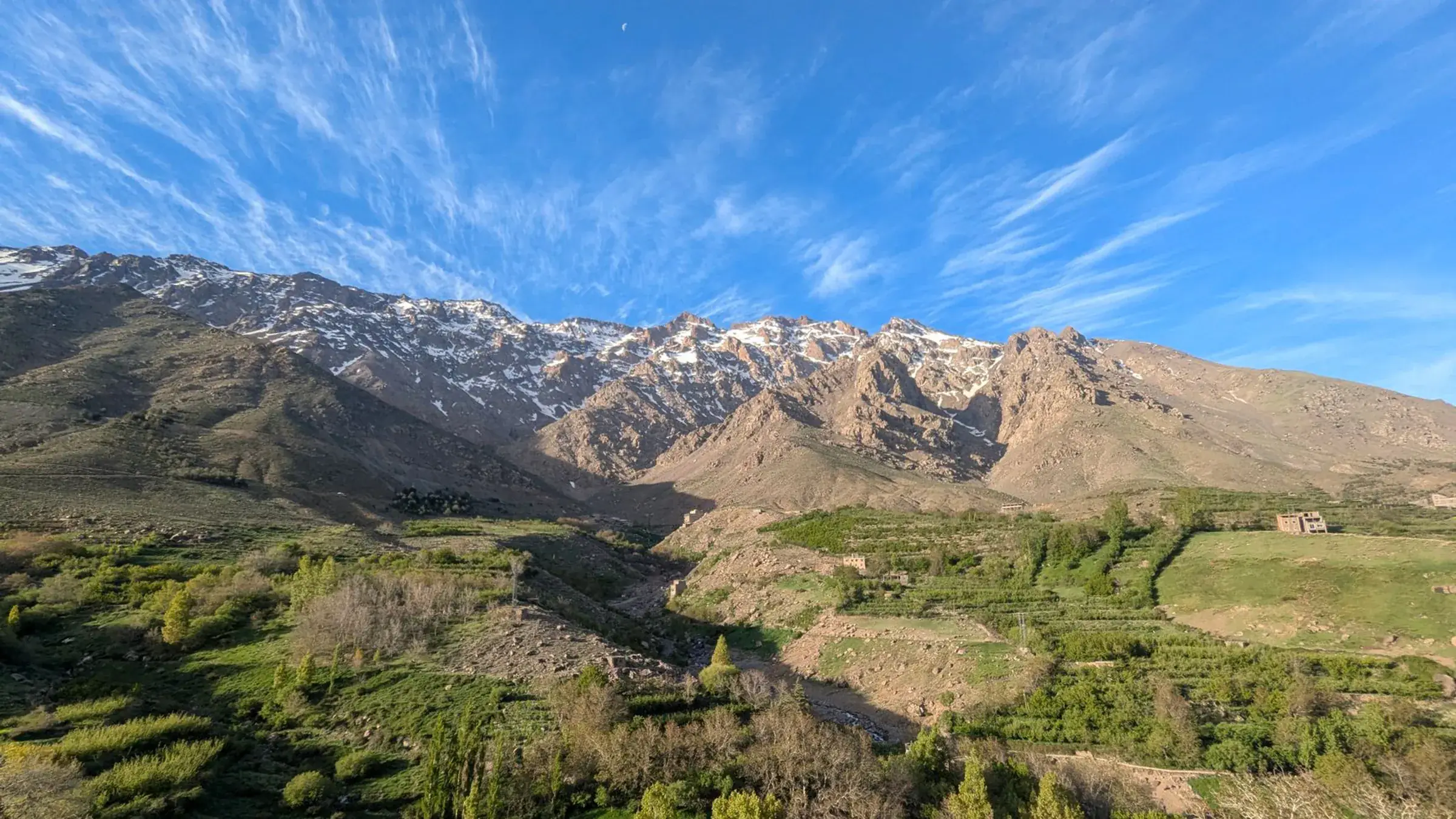
Imlil suits travellers who want a mountain escape close to Marrakech, guided walks through villages and valleys, access to Mount Toubkal, cooler temperatures in summer, rural landscapes and Amazigh hospitality, or a peaceful overnight stay outside the city.
The experience changes with the season. Green valleys and clear trails are common in warmer months, while winter can bring snow and more demanding conditions.
02. Imlil village and valley walks
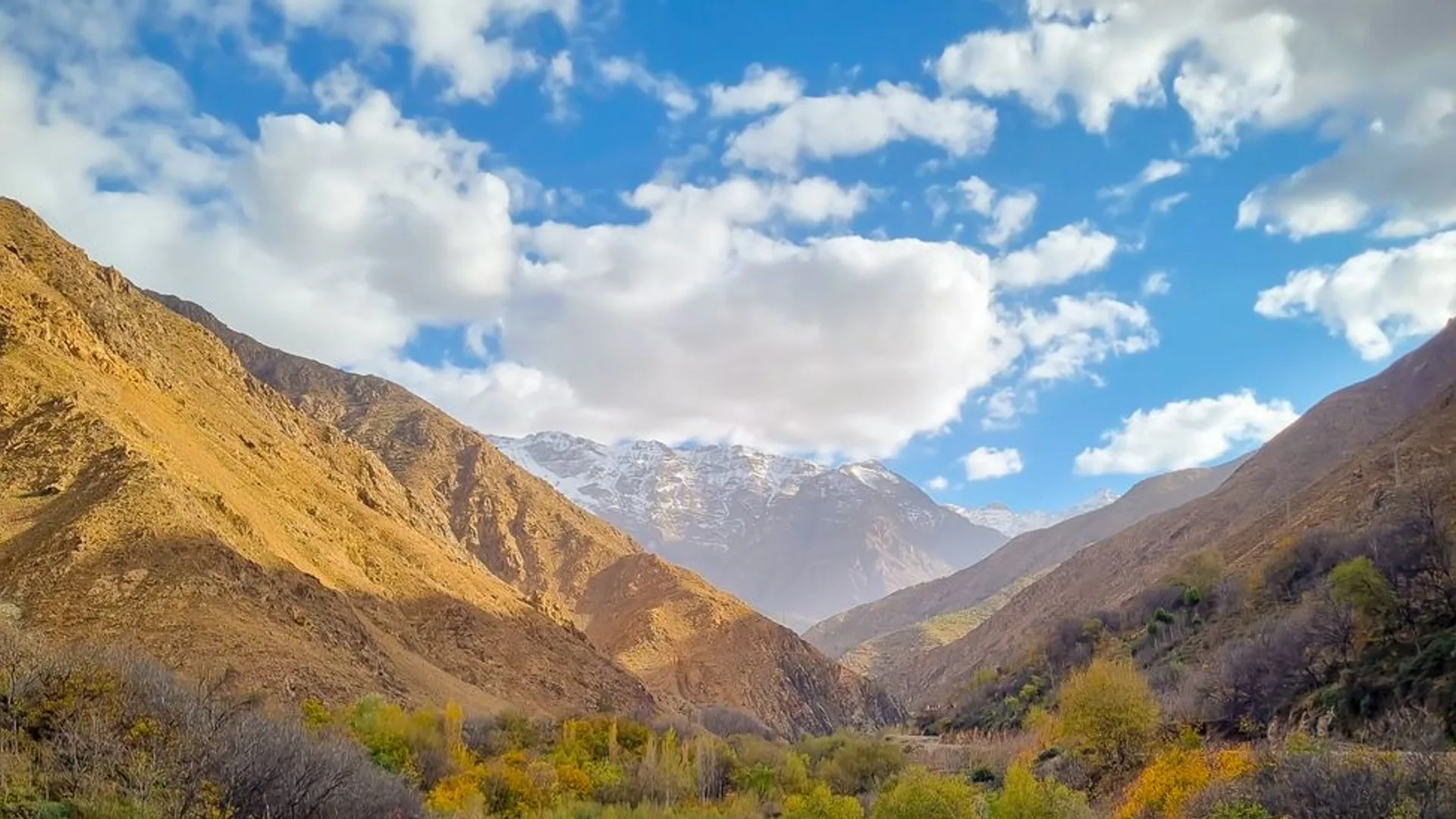
The village is a useful base for short walks through orchards, terraces and nearby settlements. A local mountain guide can adapt the route to your fitness, available time and the weather.
Short walks are often the best option for families or travellers who want mountain scenery without committing to a summit trek. Ask about the walking time, elevation gain, terrain and return arrangements before setting out.
03. Mount Toubkal trekking

Mount Toubkal is usually approached through a multi-day route from Imlil. A typical itinerary includes a walk toward a mountain refuge, an early summit attempt and a return through the same high-altitude area.
The exact plan depends on weather, trail conditions, fitness and whether you are travelling with an accredited local guide. A summit trek is not a casual city excursion: altitude, steep terrain, cold and changing conditions all require preparation.
04. Do I need a guide?
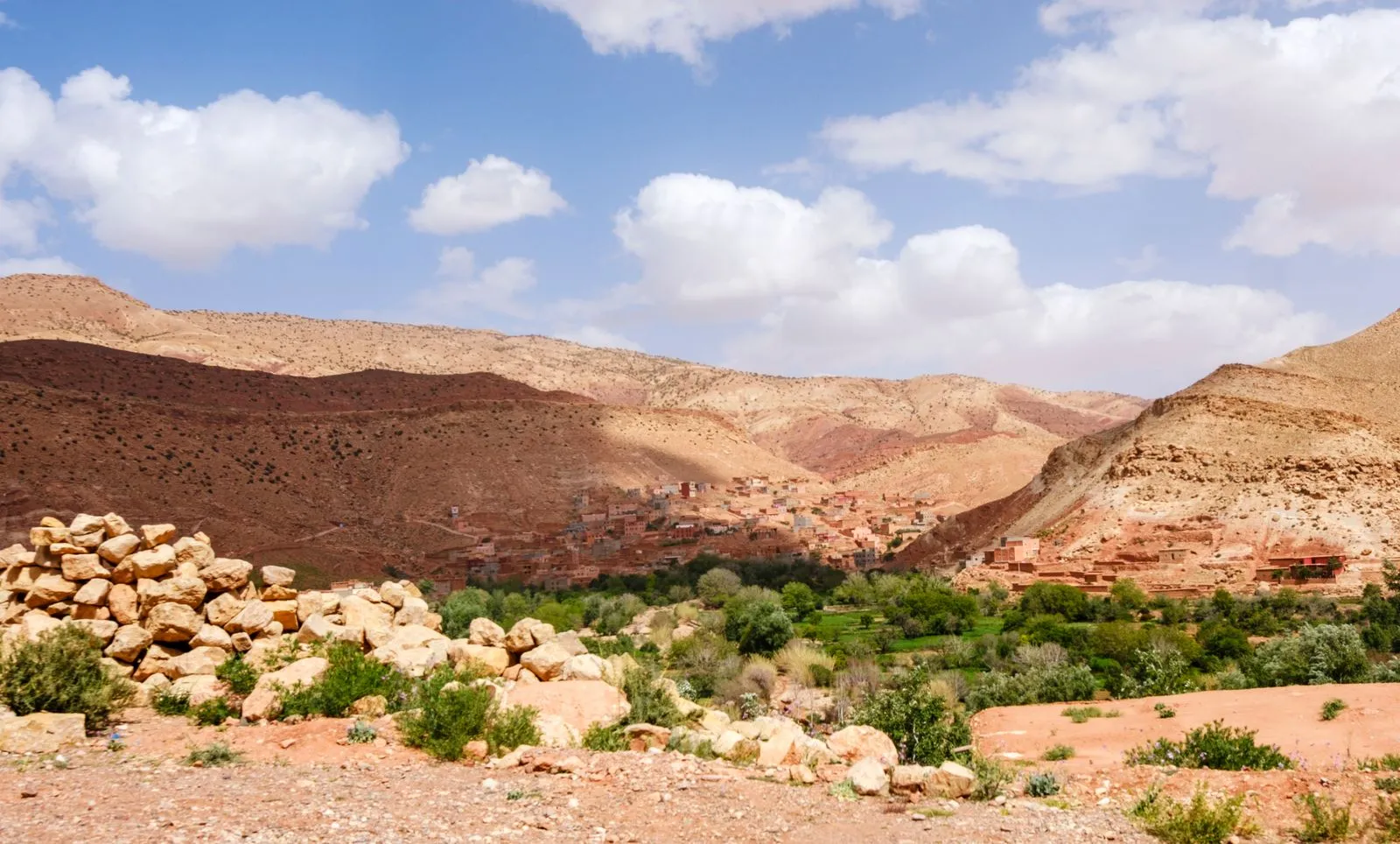
For village walks, a guide is strongly recommended if you do not know the area. For Mount Toubkal and longer mountain routes, use a qualified local guide and follow current local safety requirements.
A guide can help with route-finding, weather and trail decisions, pacing and altitude awareness, local accommodation and meals, communication in mountain villages, and changing the itinerary when conditions shift.
Do not choose a guide only by the lowest price. Ask what is included, whether transport and meals are covered, and how the itinerary handles bad weather.
05. How to get to Imlil

Imlil is commonly reached from Marrakech by private transfer, taxi arrangement or organized excursion. The final road becomes more mountainous, with bends and changing travel times.
Agree on the return plan before leaving Marrakech. If you are trekking, arrange where you will meet your driver after the walk and allow extra time for weather or trail delays.
06. How long should you stay?

A day trip suits a short walk, lunch and mountain views. One night is better for a relaxed village visit and an early walking start. Two nights or more are useful for a Toubkal approach, acclimatization or a slower mountain itinerary.
A day trip can show the landscape, but an overnight stay gives you more time to walk without rushing back to Marrakech.
07. Best time to visit
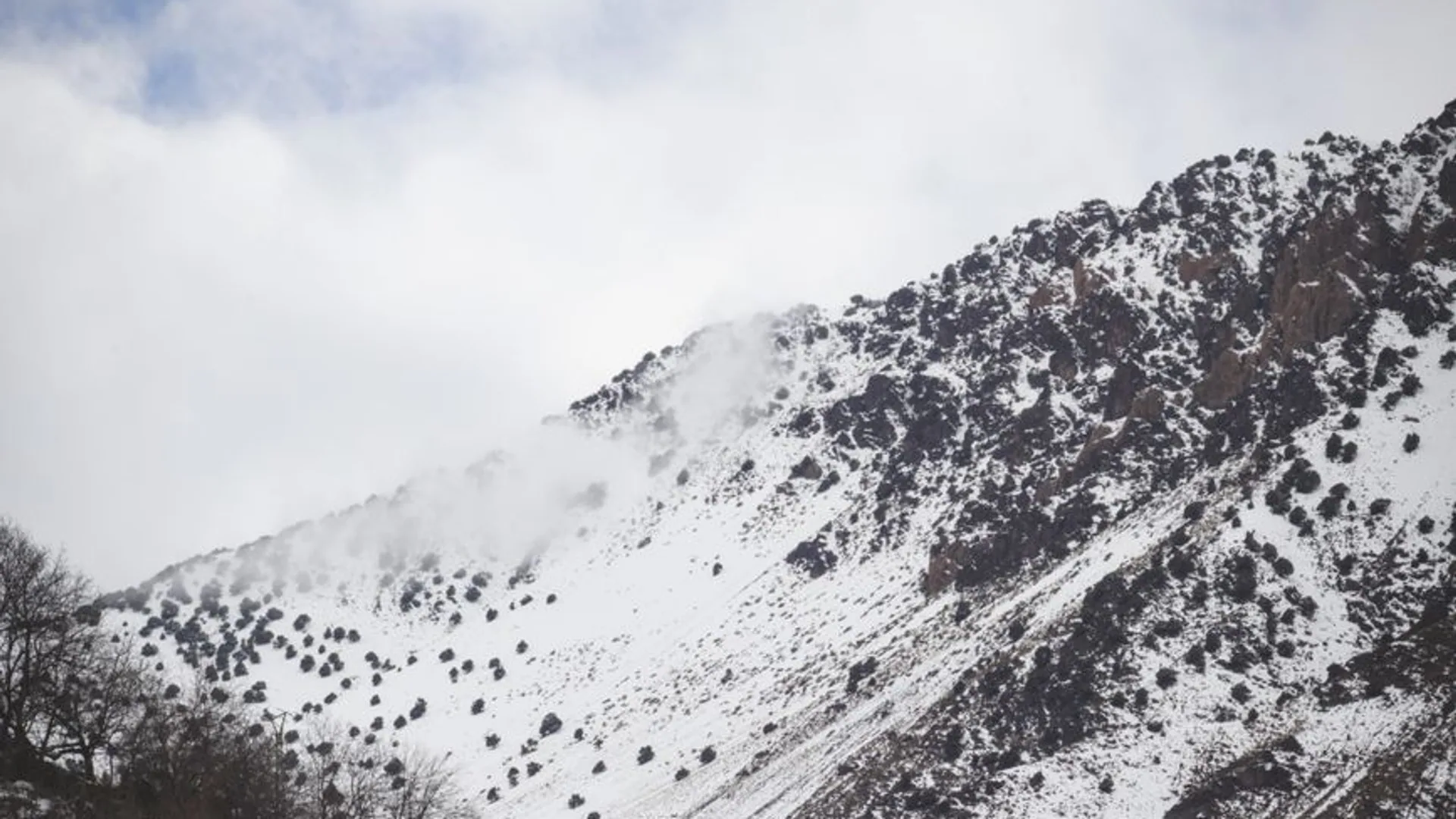
Spring and autumn are often comfortable for walking, with moderate temperatures and varied mountain scenery. Summer can be pleasant in the mountains compared with Marrakech, although strong sun and afternoon changes remain possible.
Winter brings snow to higher trails and may require winter equipment, route changes or specialist experience. Conditions can differ significantly between the village and the summit route.
Always check the forecast and current local trail information before hiking.
08. What to pack
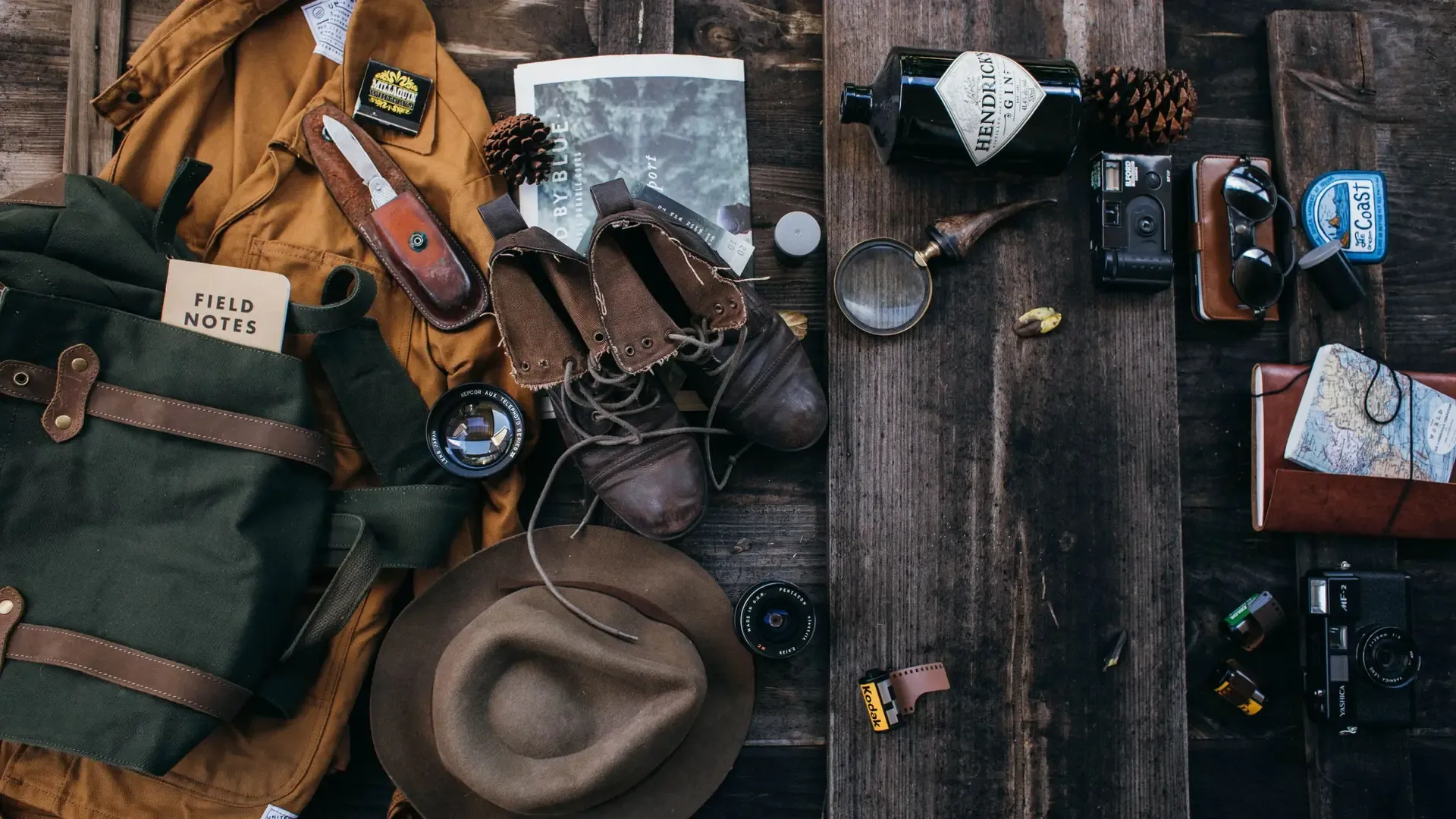
For a short walk, bring sturdy walking shoes, water and snacks, sun protection, a light layer, a small backpack, and a phone or offline map.
For a Toubkal trek, add warm layers, gloves, a hat, headlamp, rain protection and any equipment required by your guide. In winter, use appropriate boots and traction equipment if conditions demand it.
09. Food and accommodation
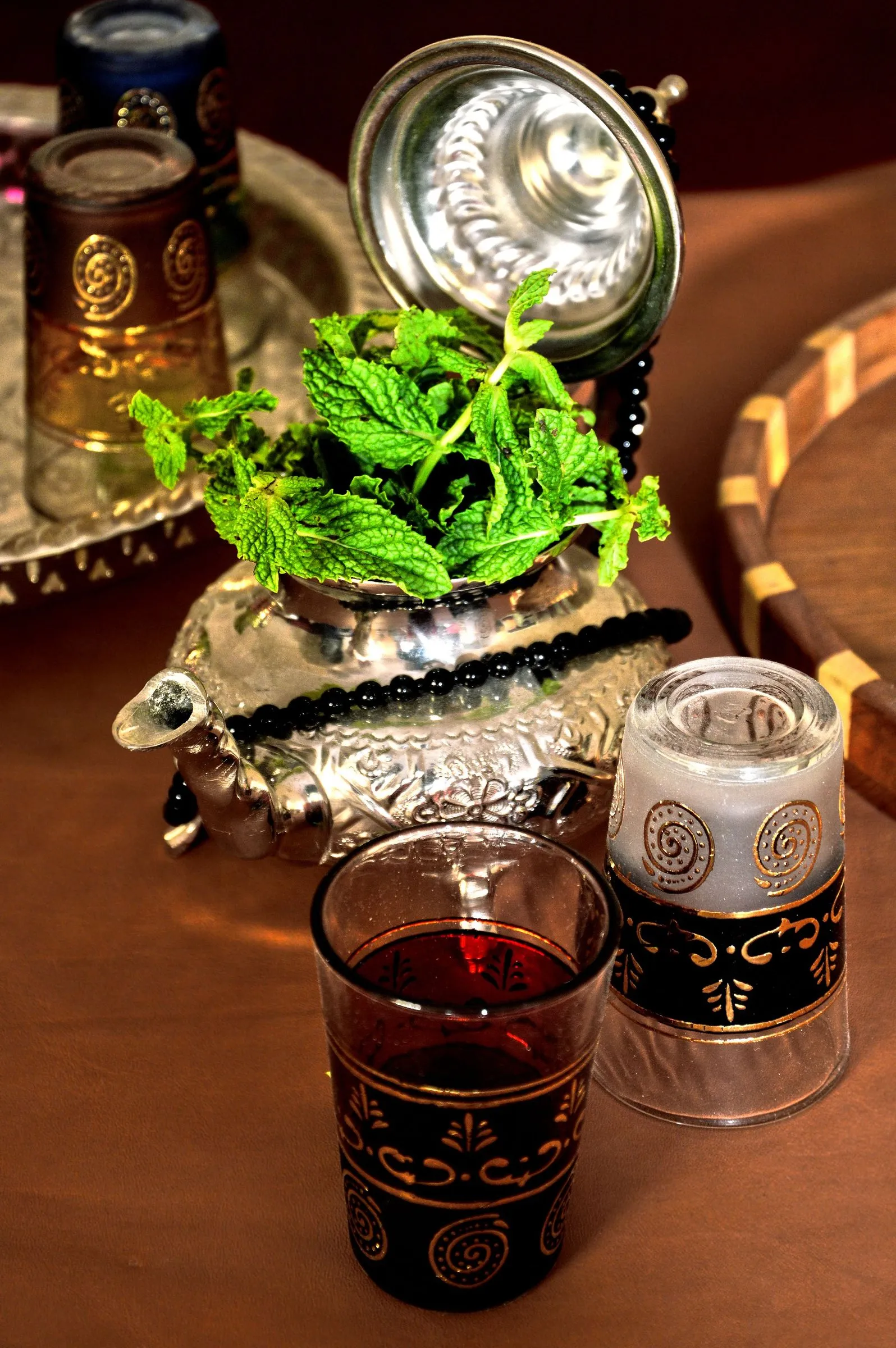
Imlil has guesthouses, mountain lodges and simple accommodation options. Many stays include breakfast or meals featuring local Moroccan dishes.
Mountain accommodation is generally more practical than luxurious. Confirm room arrangements, hot water, heating, meals and transfer details before booking, especially outside the main season.
10. Families and less experienced hikers

Imlil can work very well for families and beginners when the route is chosen carefully. A short guided walk, village visit or valley viewpoint may be more suitable than a summit attempt.
Tell your guide about the group's ages, experience and health limitations. Build in breaks, carry enough water and do not treat a mountain route like an urban sightseeing walk.
11. Altitude and safety
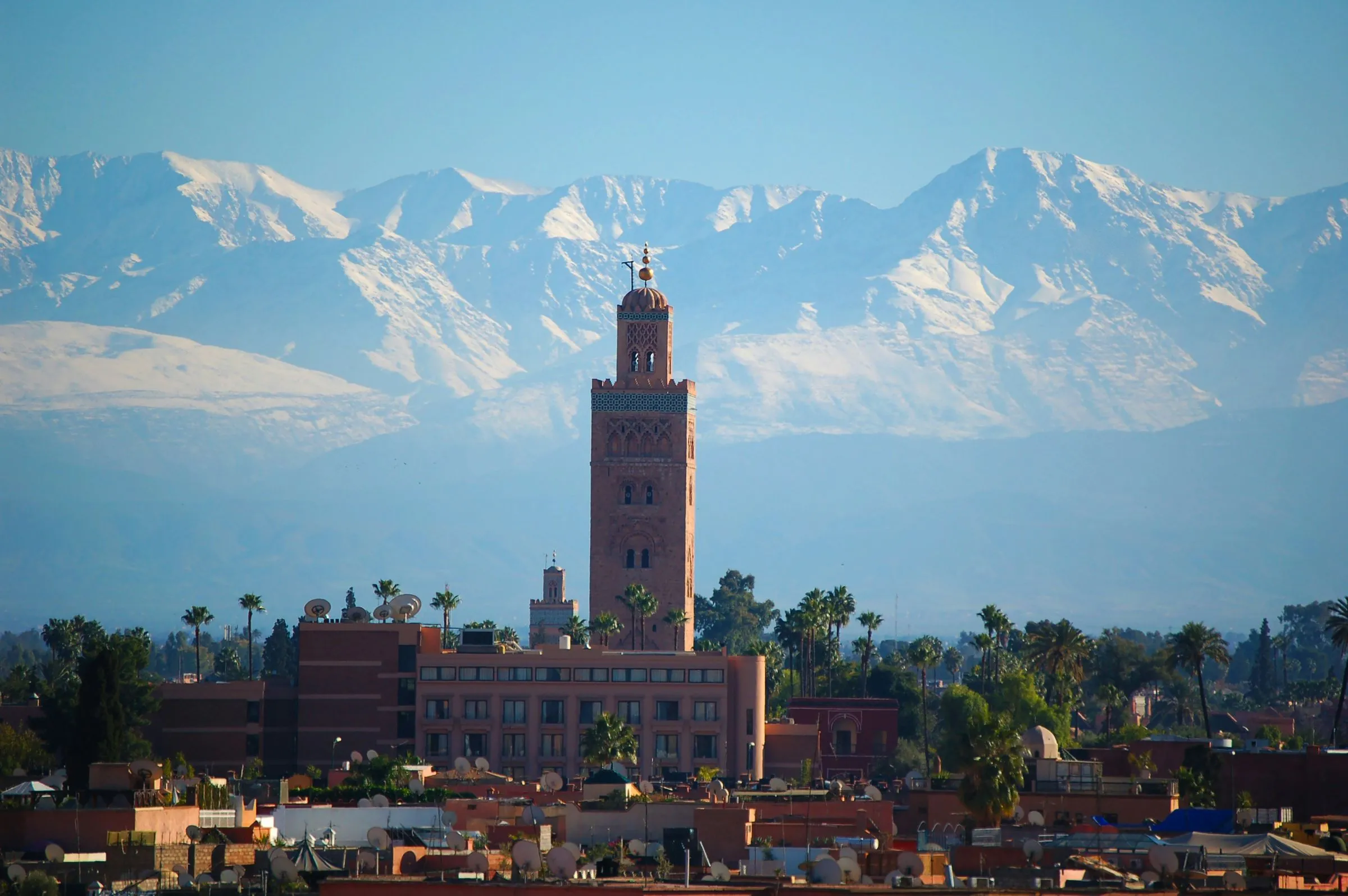
Altitude affects people differently. On higher routes, move at a steady pace, drink water and tell your guide if you develop a headache, unusual fatigue, dizziness or nausea.
Weather can change quickly in the High Atlas. Do not continue simply because the itinerary was booked in advance. A safe guide should be willing to shorten, delay or change the route.
Travel insurance should cover the activities and elevation included in your plan.
Frequently Asked Questions
Can I visit Imlil without hiking Mount Toubkal?
Yes. Imlil is enjoyable for village walks, valley scenery, local food and a quiet mountain stay without a summit trek.
Is Imlil suitable for beginners?
Yes, if you choose a short route and use a local guide. Mount Toubkal itself requires much more preparation than a village walk.
How far is Imlil from Marrakech?
The journey is commonly planned as a day trip or overnight transfer from Marrakech, but actual travel time depends on road conditions, stops and traffic.
Can I hike Mount Toubkal in one day?
Some experienced hikers attempt very long single-day itineraries, but a standard Toubkal plan is usually spread over multiple days. Choose the schedule according to fitness, acclimatization, weather and local guidance.
When is the best time to climb Mount Toubkal?
Summer and shoulder seasons are often simpler for non-winter trekking. Winter conditions can be demanding and require appropriate equipment and experience. Check current conditions before booking.
More Morocco tours
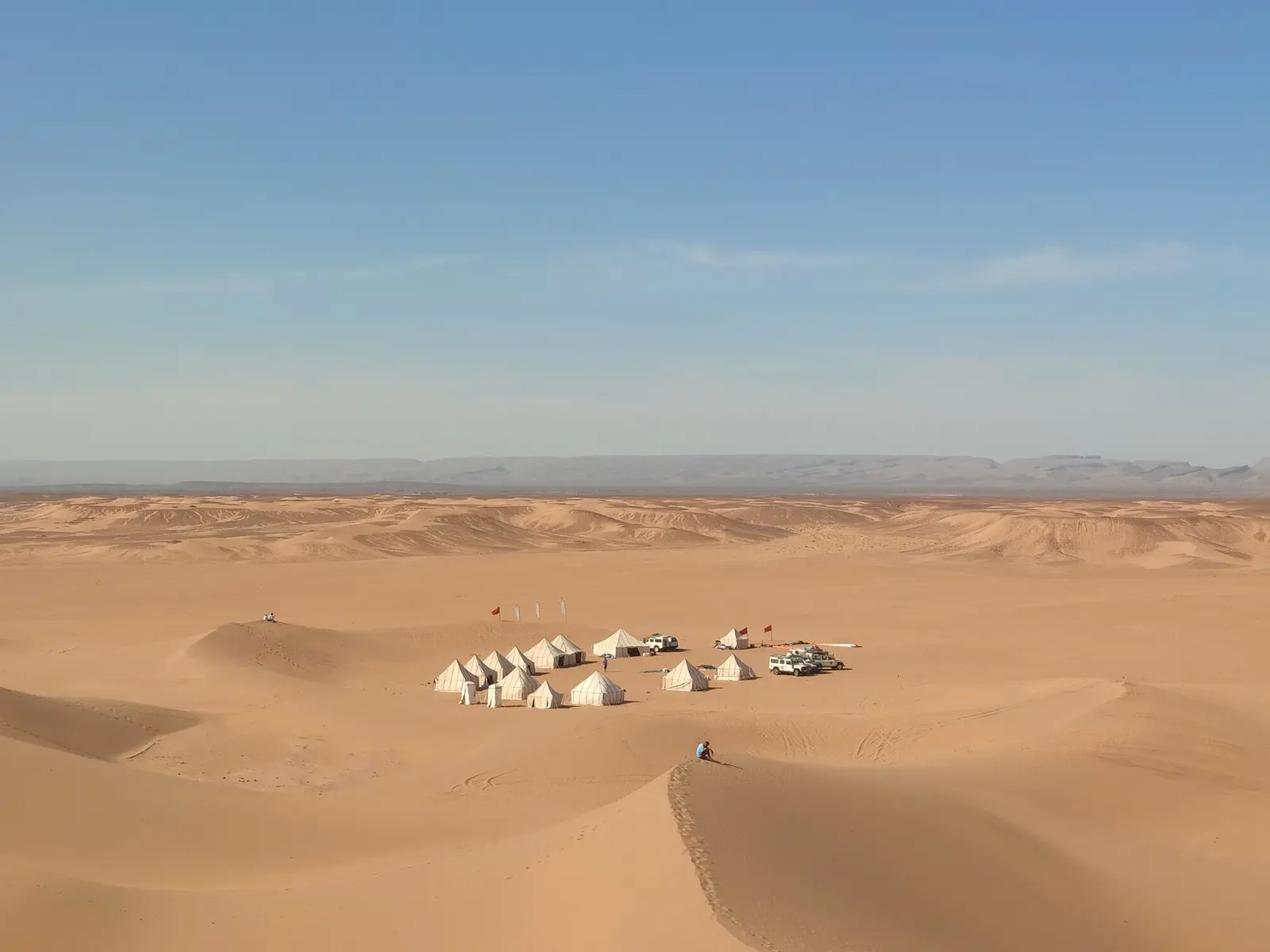
8 Days
8-Day Yoga & Desert Journey in Erg Chigaga
Eight days from Marrakech to a fixed nomadic camp in the dunes of Erg Chigaga: gentle treks with a support 4x4, daily yoga in the open, and five nights at the rhythm of the Sahara without moving camp.
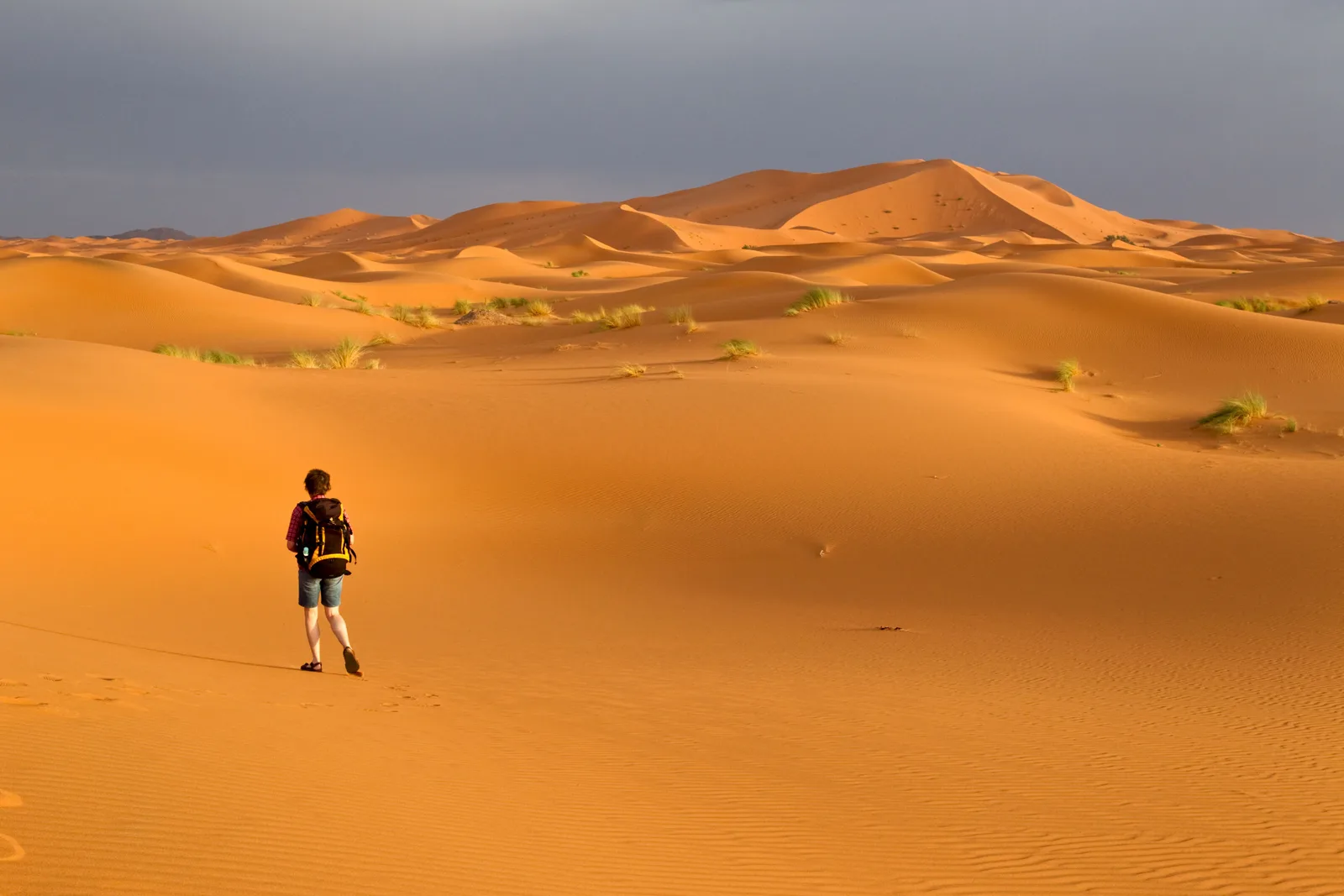
10 Days
10-Day Erg Chigaga Desert Trekking Tour from Marrakech
Explore Morocco on a 10-day Erg Chigaga desert trekking tour from Marrakech via Tagounite, Casa Juan, the Draa Valley and Irocha Guest House in Tisselday.
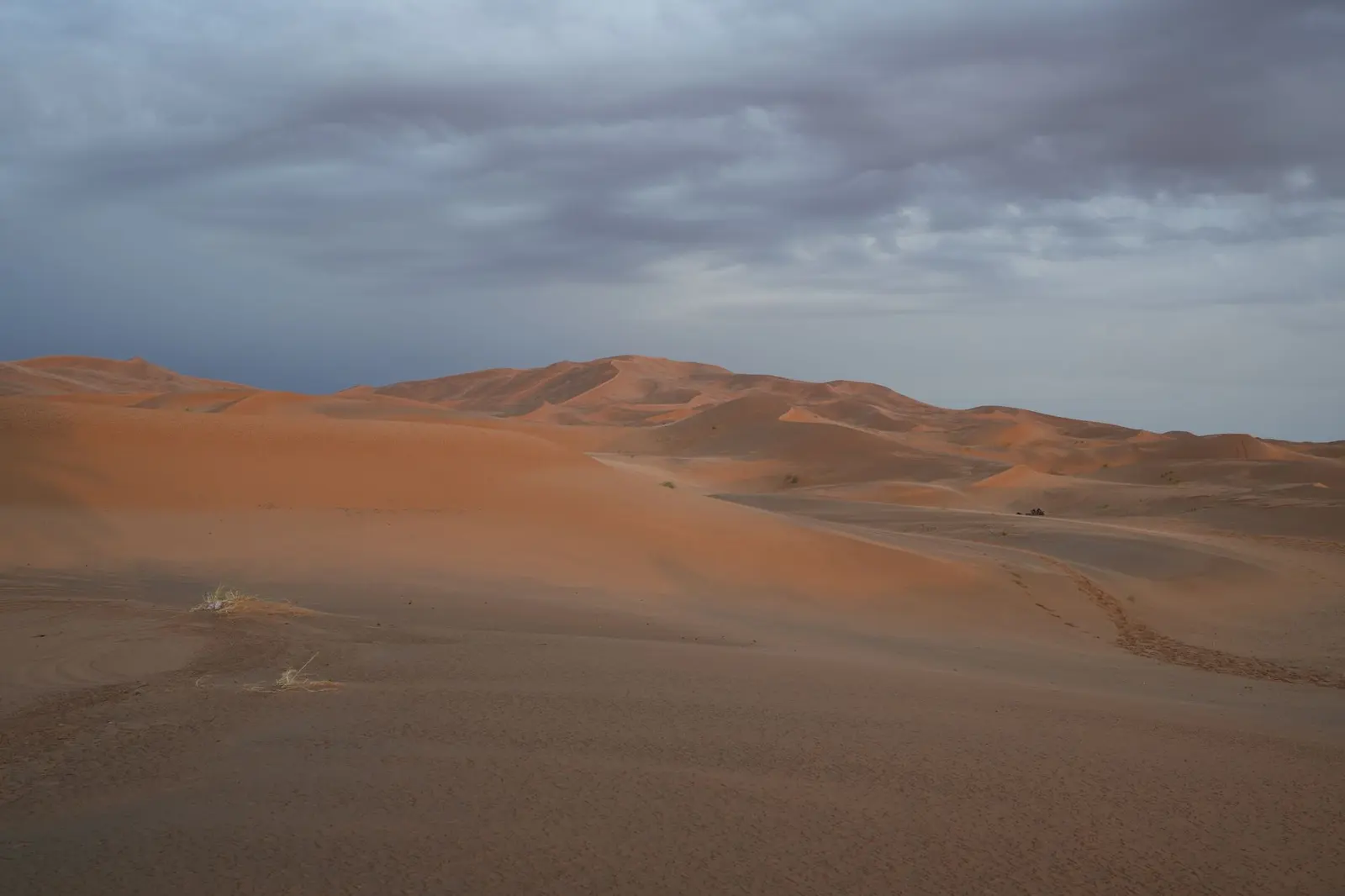
3 Days
3-Day Luxury Marrakech to Fes Desert Tour via Merzouga
Three private days from Marrakech over the High Atlas to Aït Ben Haddou, then east through Skoura, the Valley of Roses and Todra Gorges to a luxury camp on the Erg Chebbi dunes — finishing north through the Ziz Valley and the Middle Atlas at your accommodation in Fes.
Related Guides
Dades Valley and Todra Gorge Travel Guide
Plan a Dades Valley and Todra Gorge journey with practical advice on scenic roads, viewpoints, walking, transport, seasons, accommodation and combining the route with the Sahara.
Taghazout Travel Guide: Surf, Beaches and Morocco's Atlantic Coast
Plan a Taghazout trip with practical advice on beaches, surf lessons, village life, cafés, transport, seasons, families and nearby coastal excursions.
Aït Benhaddou and Ouarzazate Travel Guide: Kasbahs, Routes and Practical Tips
Plan a visit to Aït Benhaddou and Ouarzazate with practical advice on routes from Marrakech, the UNESCO ksar, kasbahs, timing, guides and nearby stops.
Liked this guide?
Give it a like on Instagram and tag us from your Moroccan adventure.
Plan your Atlas Mountains trip with us
Our Marrakech-based team of local experts designs tailor-made Morocco trips around your dates, budget and travel style.
Request a Quote