

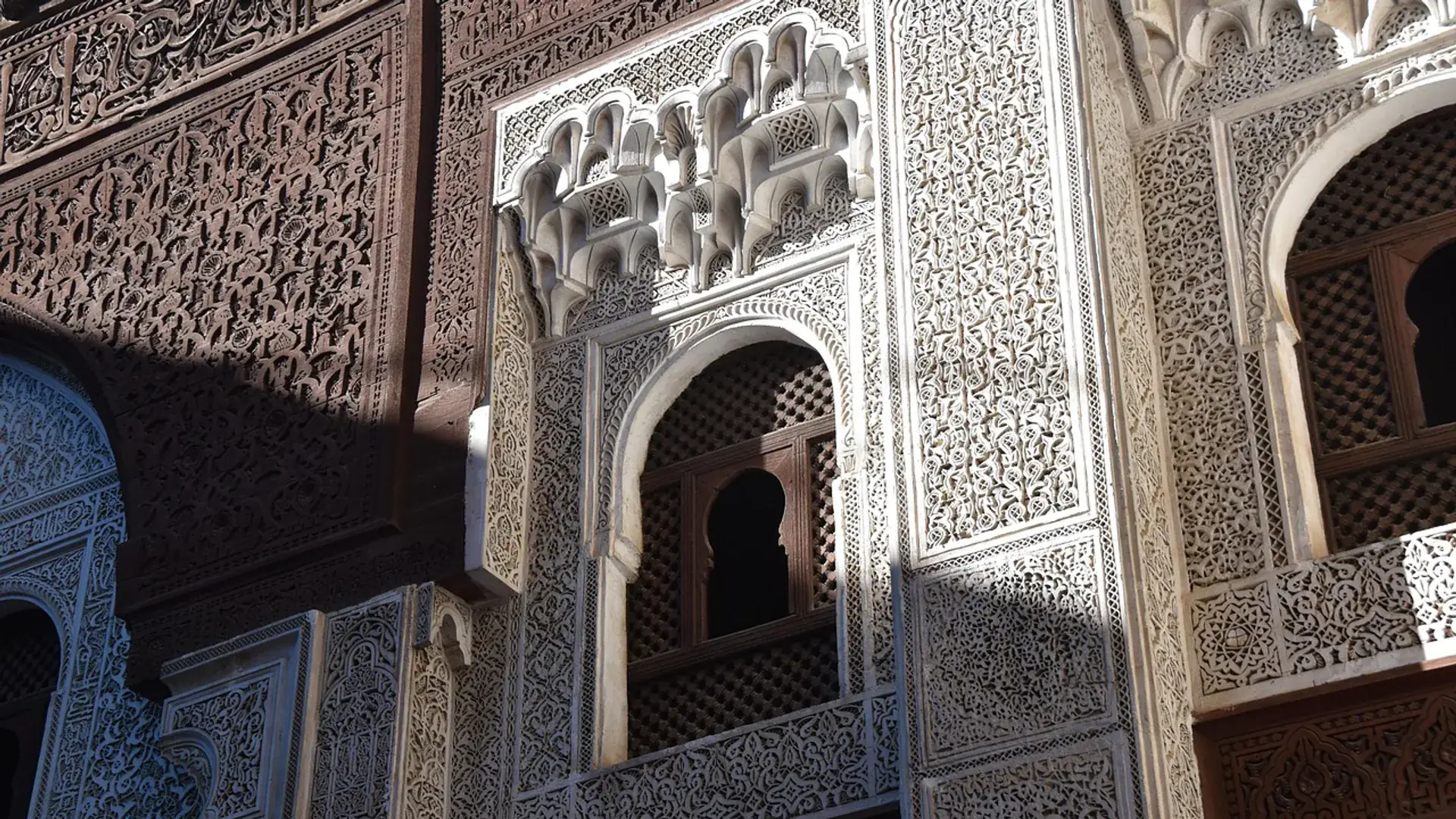
Meknès is one of Morocco's Imperial Cities, known for monumental gates, historic walls, ornate tilework and traditional doors. It is often quieter than Marrakech and Fès, which gives travellers more space to notice the details. Meknès works well as a full-day destination, an overnight stop or part of a route connecting Fès, Rabat and the ancient sites of northern Morocco.
01. Why visit Meknès?
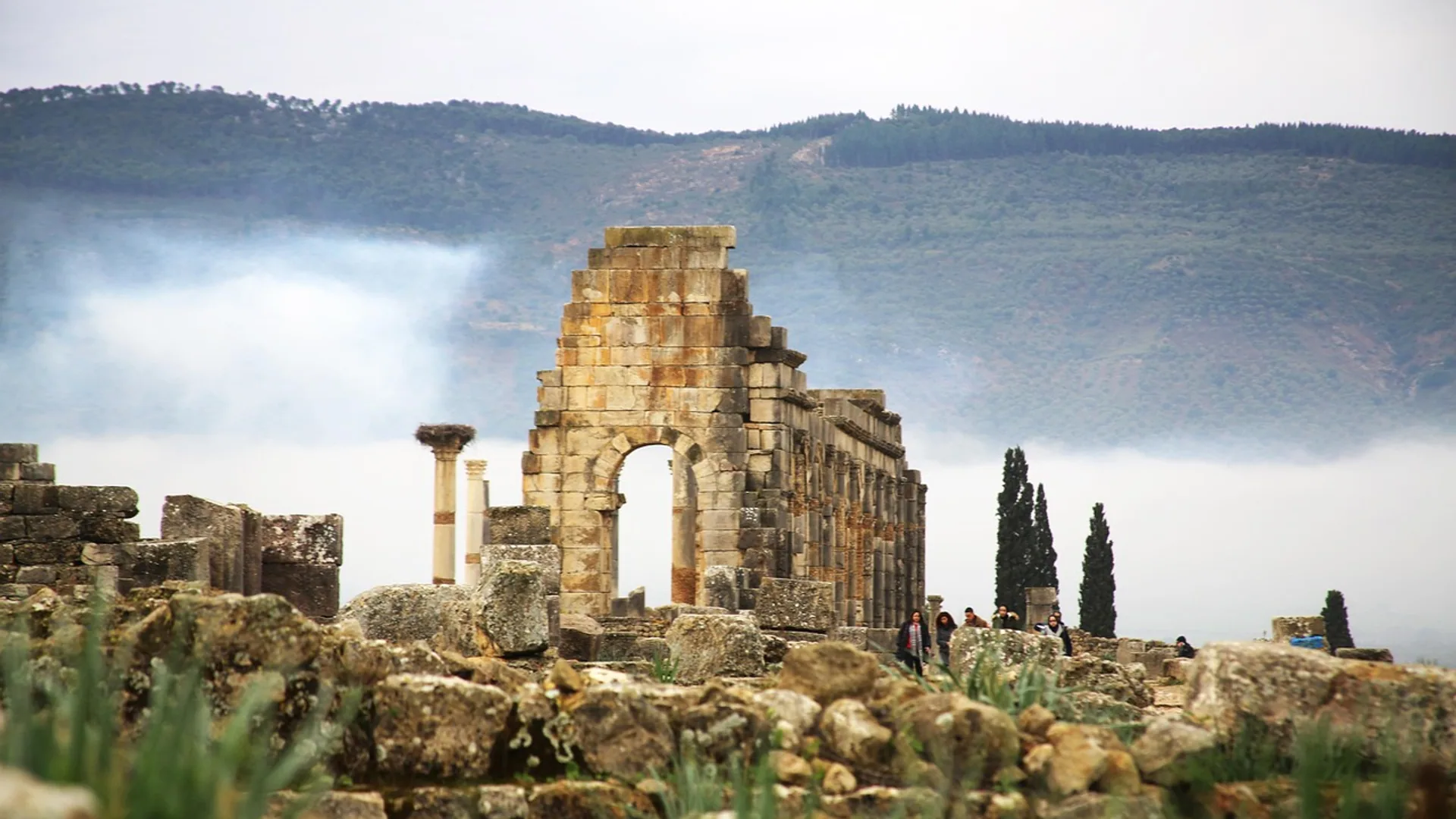
Meknès suits travellers who want grand historic gates and walls, a manageable medina, Moroccan tilework, carved plaster and woodwork, a slower Imperial Cities experience, easy access to Volubilis and Moulay Idriss, or simply an alternative to the busiest tourist routes.
The city rewards travellers who enjoy architecture and atmosphere more than a tightly packed list of attractions.
02. Bab Mansour and the historic square
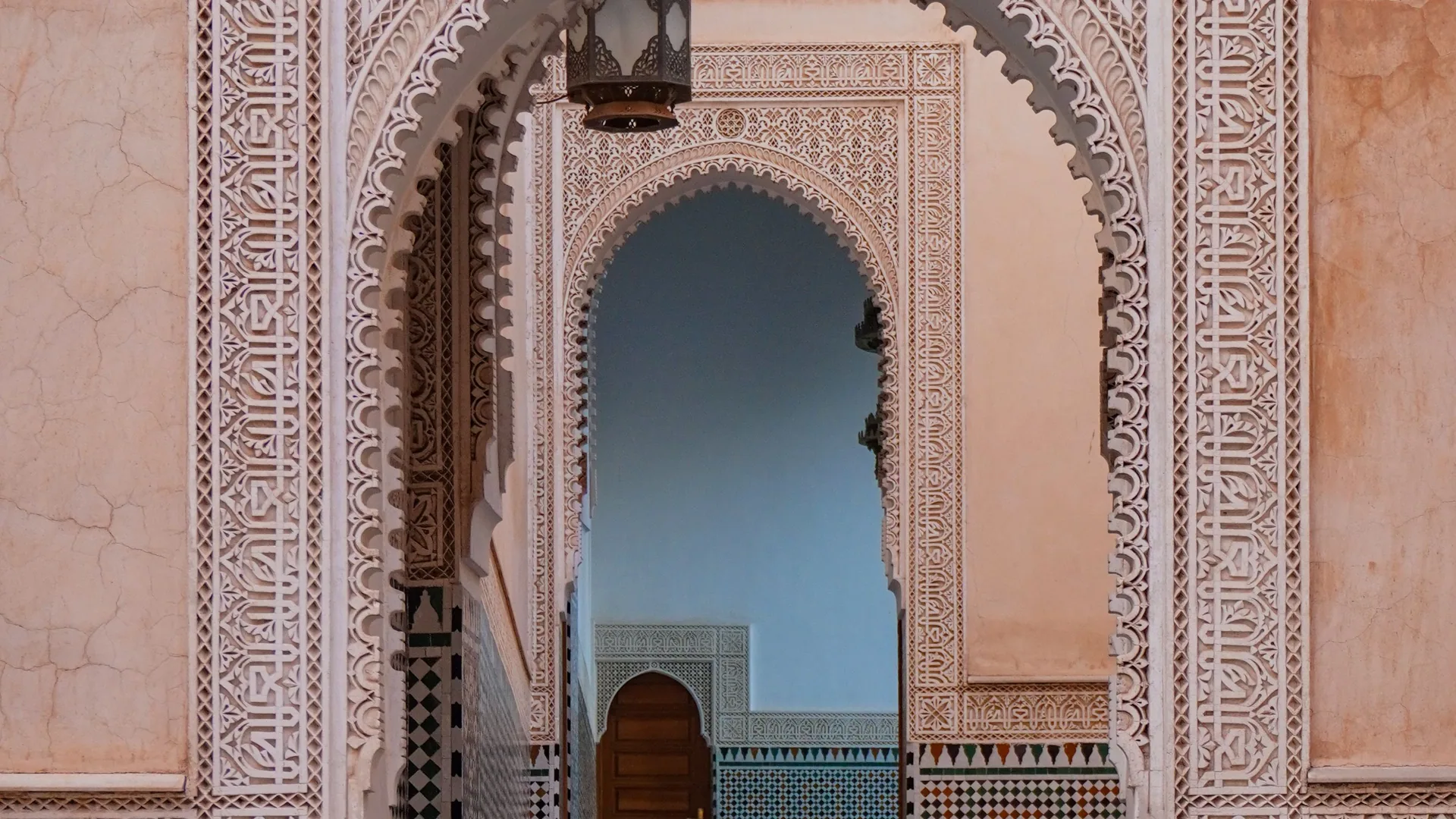
Bab Mansour is Meknès's best-known monumental gate and one of the city's defining landmarks. Its scale, tilework and decorated surfaces reflect the ambition of the imperial city.
The gate faces a large historic square, making it easy to combine with a walk through the surrounding medina and heritage areas. Check current access and restoration conditions before planning an interior visit, as the gate itself may be viewed primarily from outside.
Bring time to look at the details rather than taking only a quick photograph. The surrounding walls and changing light can make the area feel different throughout the day.
03. Exploring the medina
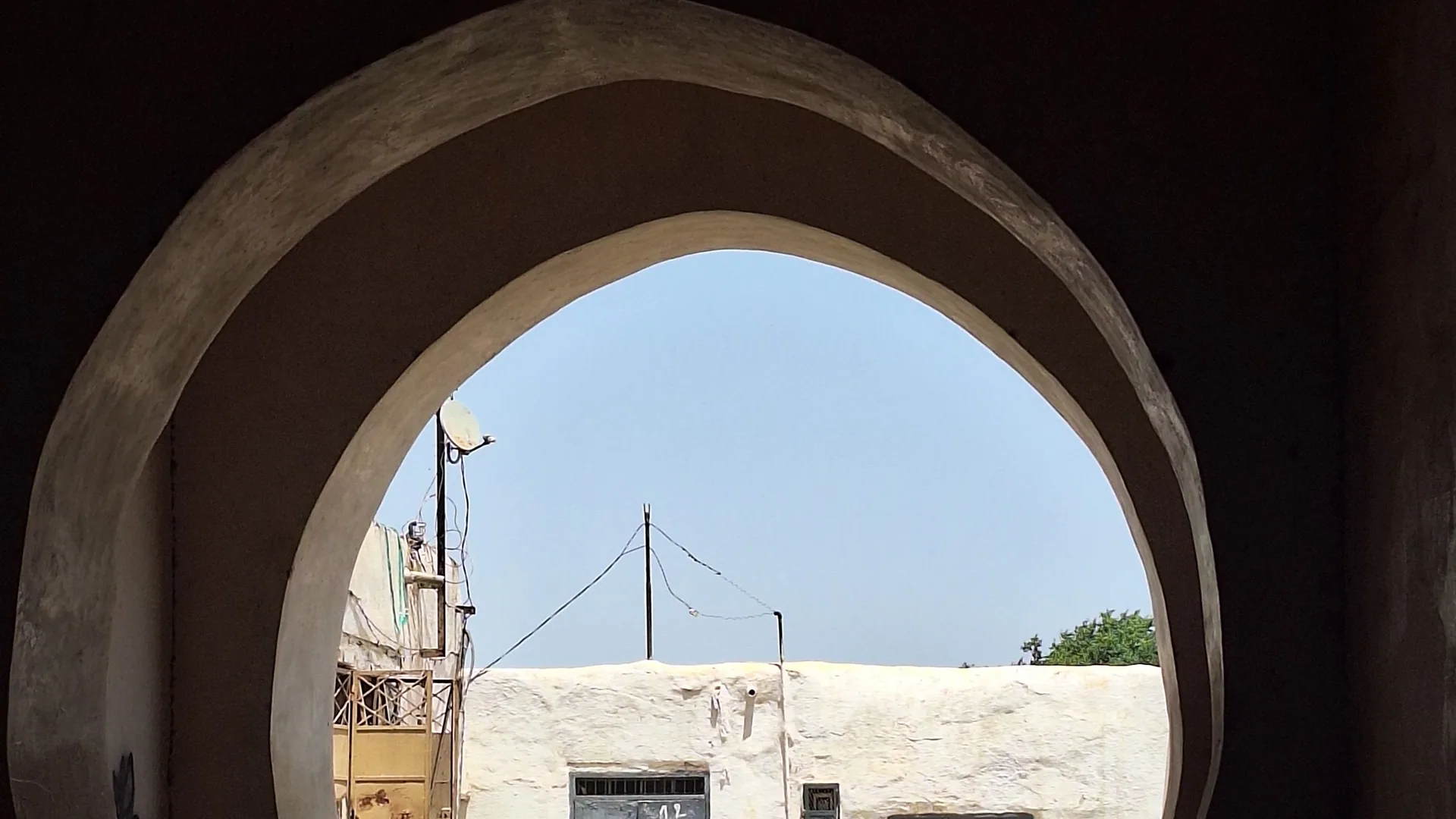
Meknès's medina is a place for slow walking. Look for traditional doors, tiled entrances, carved plaster, small workshops and everyday street life.
Some of the most memorable details are not always marked on a map. A local guide can explain the history of the city, identify architectural features and help you navigate the lanes without rushing.
As in other Moroccan medinas, ask before photographing people and agree on prices before purchasing services or crafts.
04. Historic architecture and craftsmanship
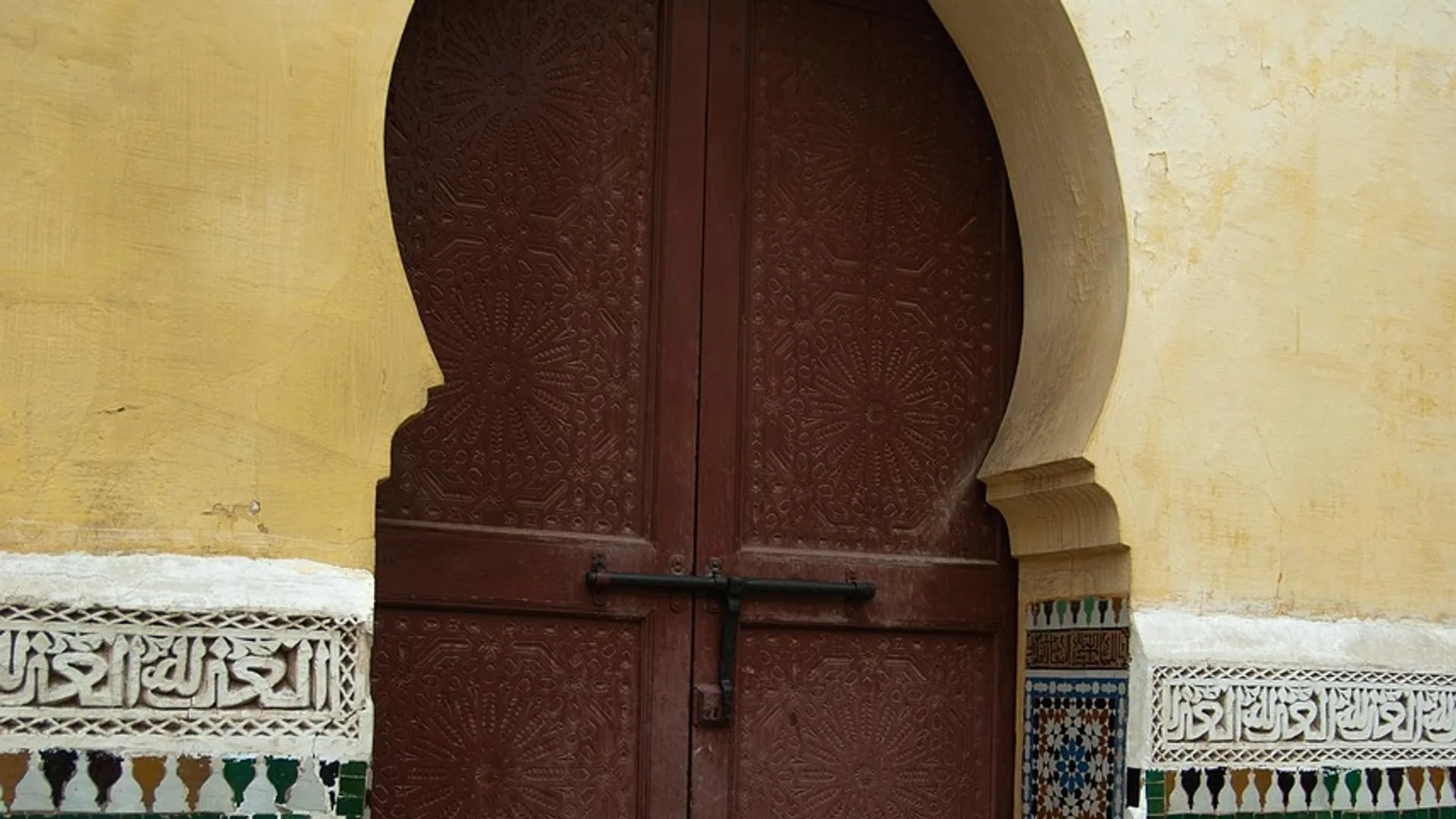
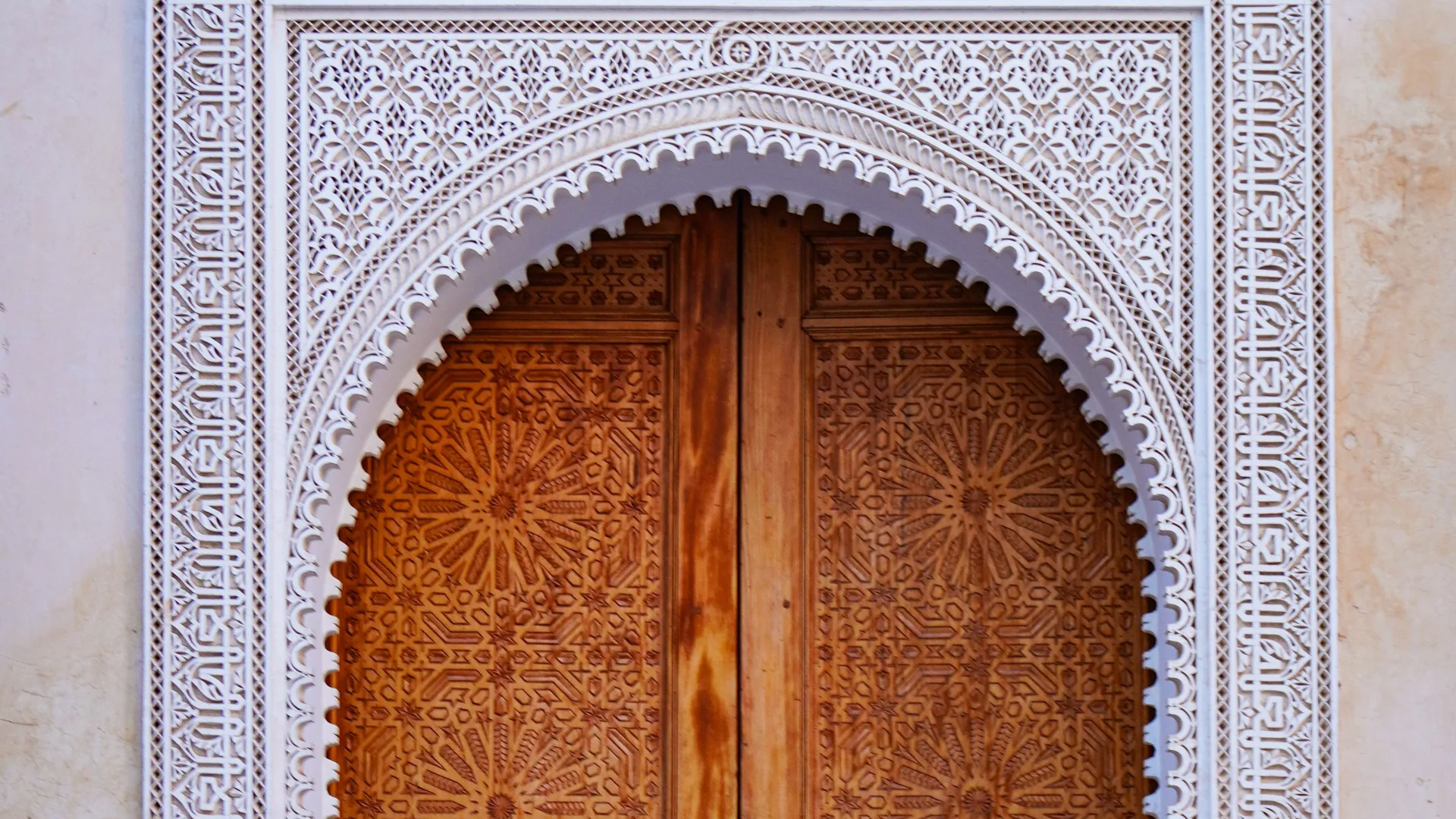
Meknès is particularly rewarding for travellers interested in Moroccan craftsmanship. Notice the zellige tile patterns, carved wooden doors, sculpted plaster, horseshoe and pointed arches, decorated fountains and courtyards, and the relationship between walls, gates and public squares.
The city is a useful place to understand how decorative arts work together rather than viewing each detail separately.
05. Volubilis: the essential day trip
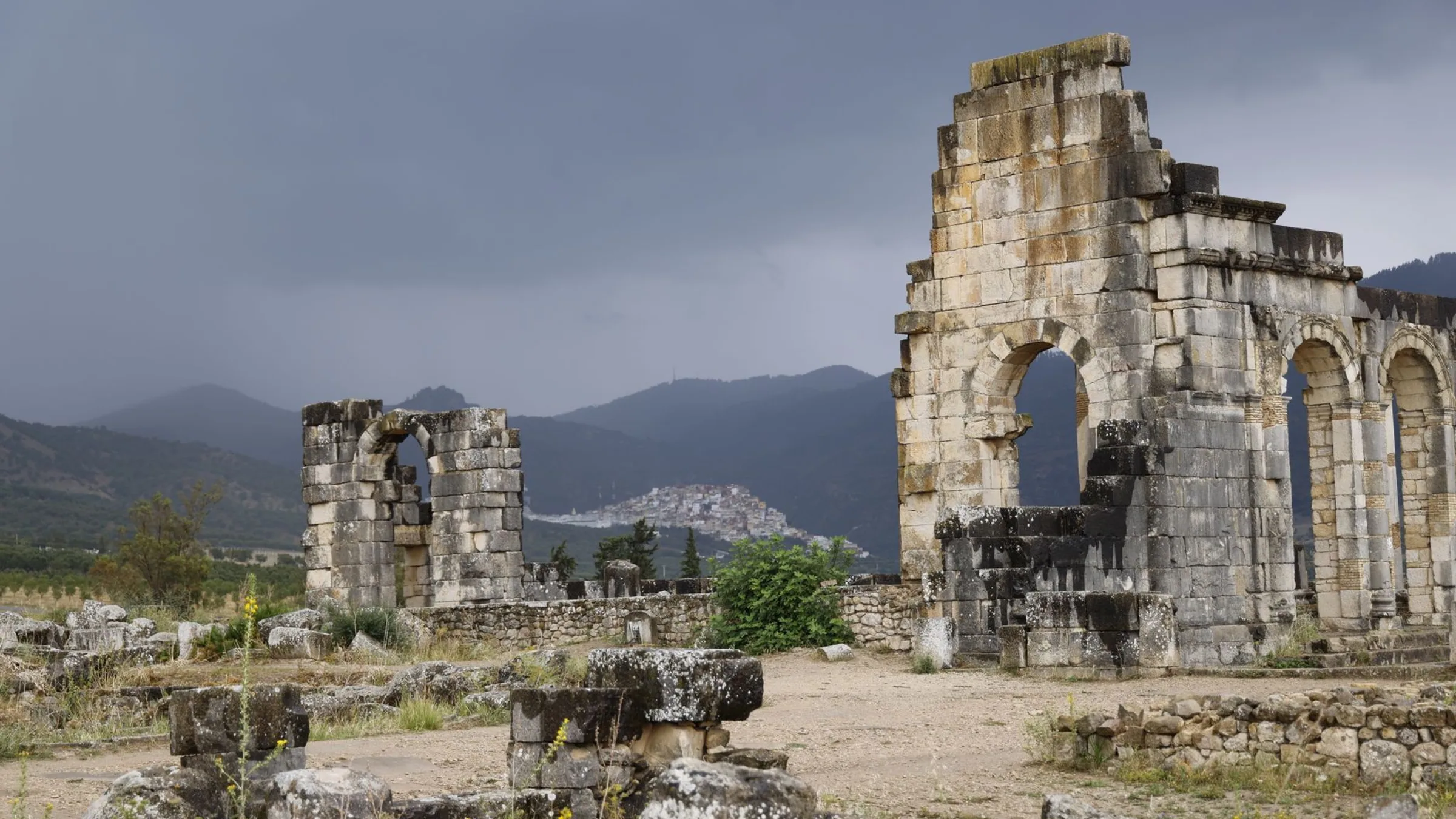
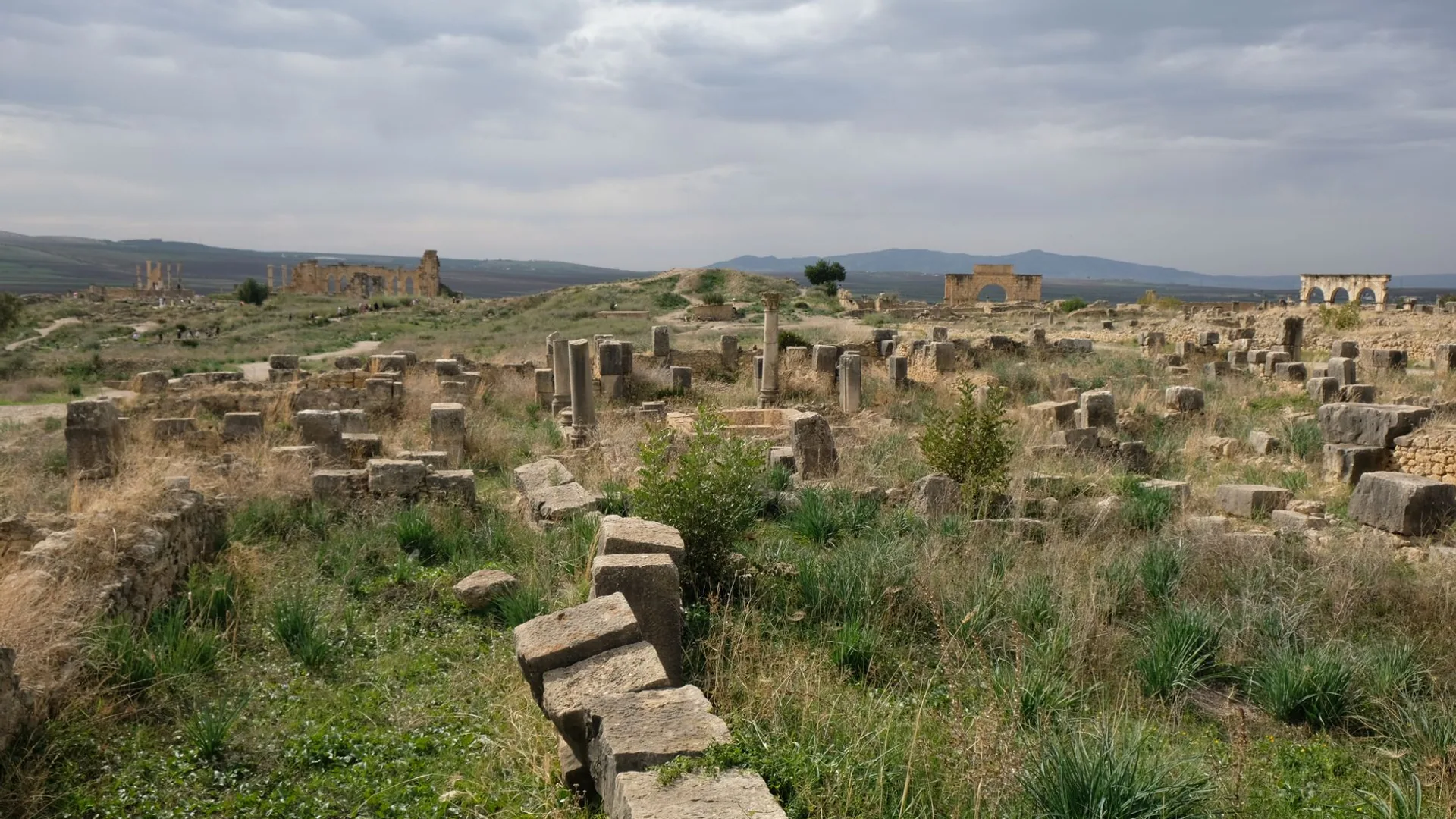
Volubilis is one of Morocco's most important Roman archaeological sites and a natural addition to a Meknès itinerary. Its ruins, columns, mosaics and open countryside create a strong contrast with the city's Islamic and imperial architecture.
Plan the visit with sun protection, water and comfortable shoes. The site is exposed, and walking across uneven ground can take time.
The drive from Meknès can be combined with Moulay Idriss or nearby countryside depending on your schedule. Check current site access, opening hours and local conditions before travelling.
06. Moulay Idriss
Moulay Idriss is a hillside town associated with Morocco's spiritual history. Its location and whitewashed streets make it an atmospheric stop near Volubilis.
Respect local customs, dress modestly and follow any access restrictions. A visit can add context to the wider region, but it should be planned around the time available for Volubilis and Meknès.
07. How much time do you need?
One full day allows you to see the main gate, walk through the medina and visit important historic areas. Add another half or full day for Volubilis and Moulay Idriss.
A comfortable plan is a morning in the historic centre, lunch and a slower medina walk, then Volubilis in the afternoon if daylight and opening hours allow, and an overnight in Meknès or onward to Fès.
For a more relaxed archaeological visit, dedicate a separate half-day instead of combining too many stops.
08. Getting to Meknès
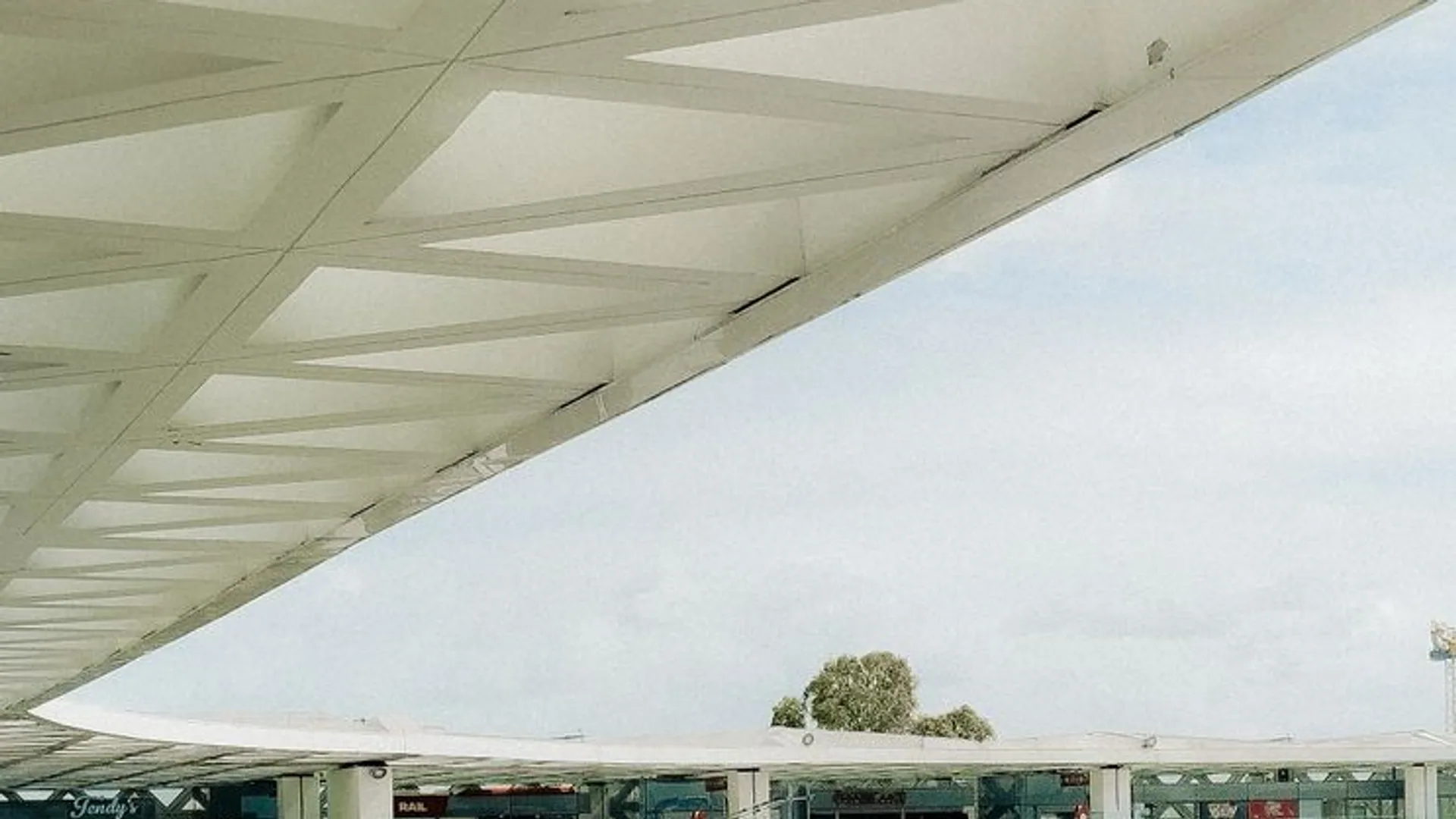
Meknès is connected by rail and road to other major Moroccan cities. ONCF schedules should be checked before departure.
The train is practical for connections with Fès, Rabat and Casablanca. A private vehicle is more convenient when adding Volubilis, Moulay Idriss or countryside stops.
Within the historic centre, walking is often the best way to explore. Arrange a drop-off near the medina and confirm where your vehicle can wait.
09. Best time to visit
Spring and autumn are often comfortable for walking and visiting archaeological sites. Summer can be hot, especially in exposed areas such as Volubilis, so start early and carry water.
Winter can bring pleasant daylight temperatures but cooler mornings and evenings. A light layer and rain protection are useful when the forecast is unsettled.
10. What to eat in Meknès
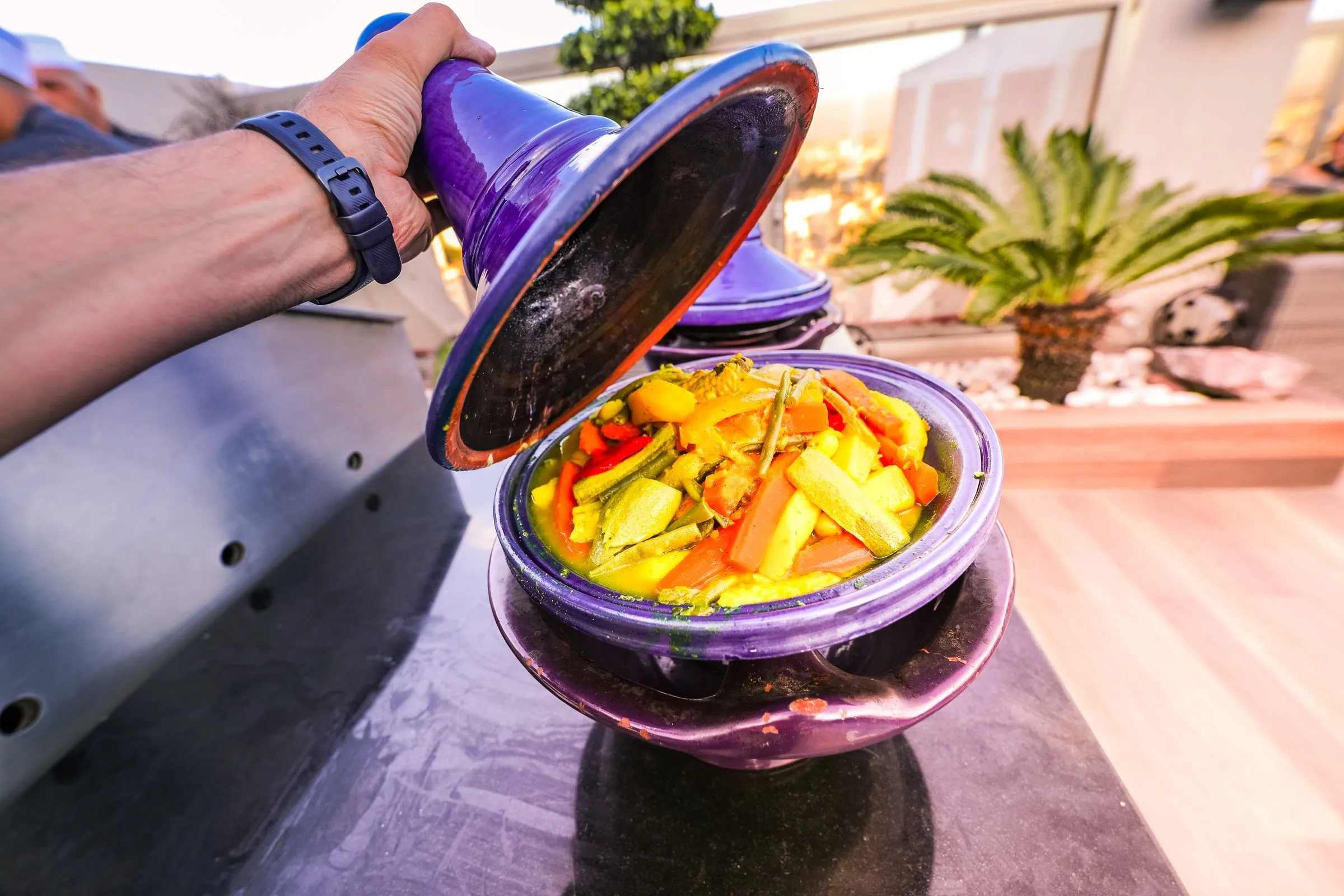
Use your visit to try Moroccan dishes in a local restaurant or traditional dining room. Look for tagines and couscous, harira and seasonal soups, grilled meats and vegetables, Moroccan salads, pastries and mint tea, and local olives and seasonal produce.
Ask your accommodation or a trusted guide for a restaurant suited to your preferred style and budget.
11. Is Meknès good for families?
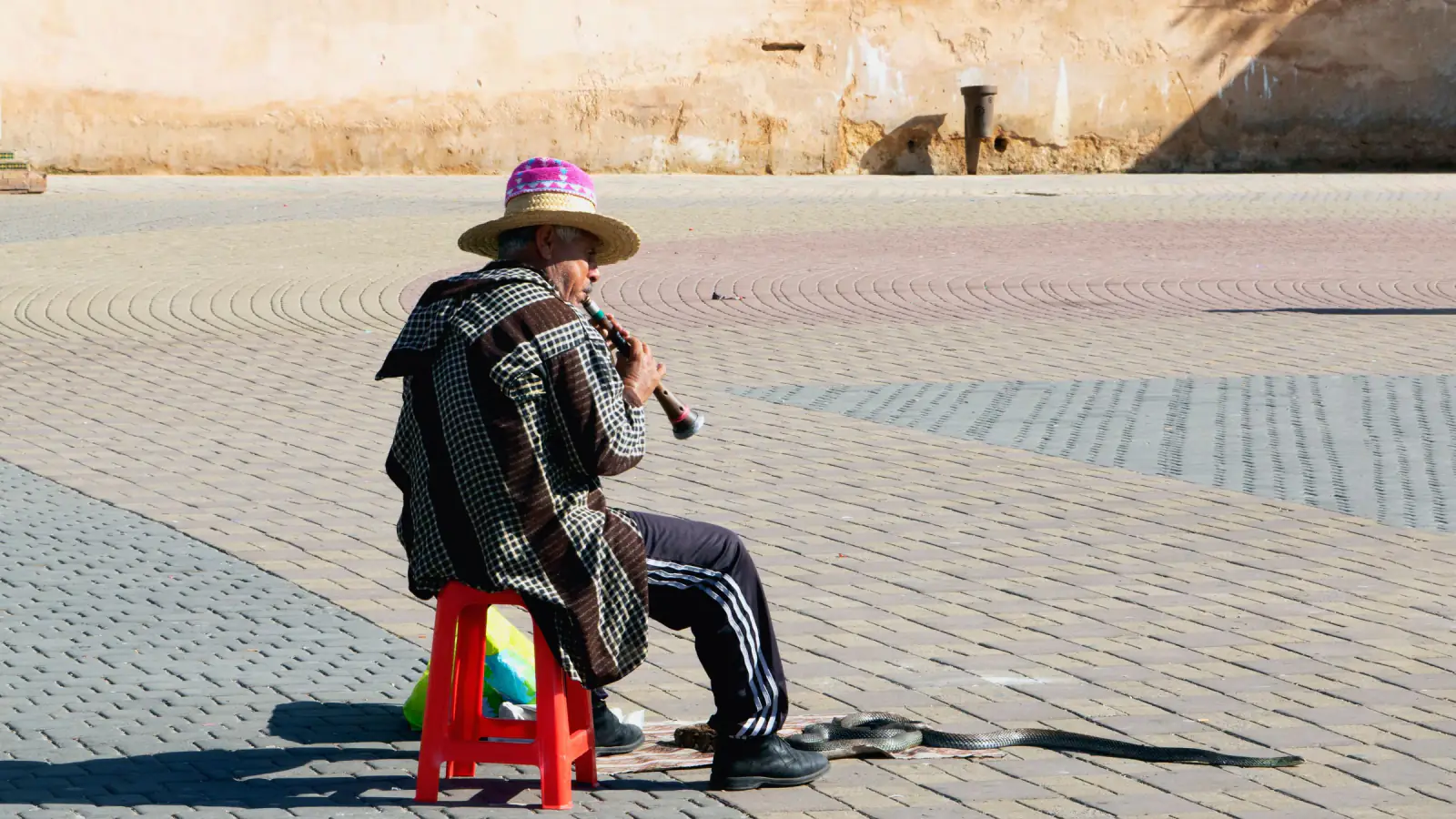
Yes, particularly for families who enjoy history and open-air visits. The medina and heritage areas require walking, while Volubilis adds uneven ground and sun exposure.
Plan regular breaks, carry water and avoid visiting the archaeological site at the hottest time of day when possible.
12. Practical tips
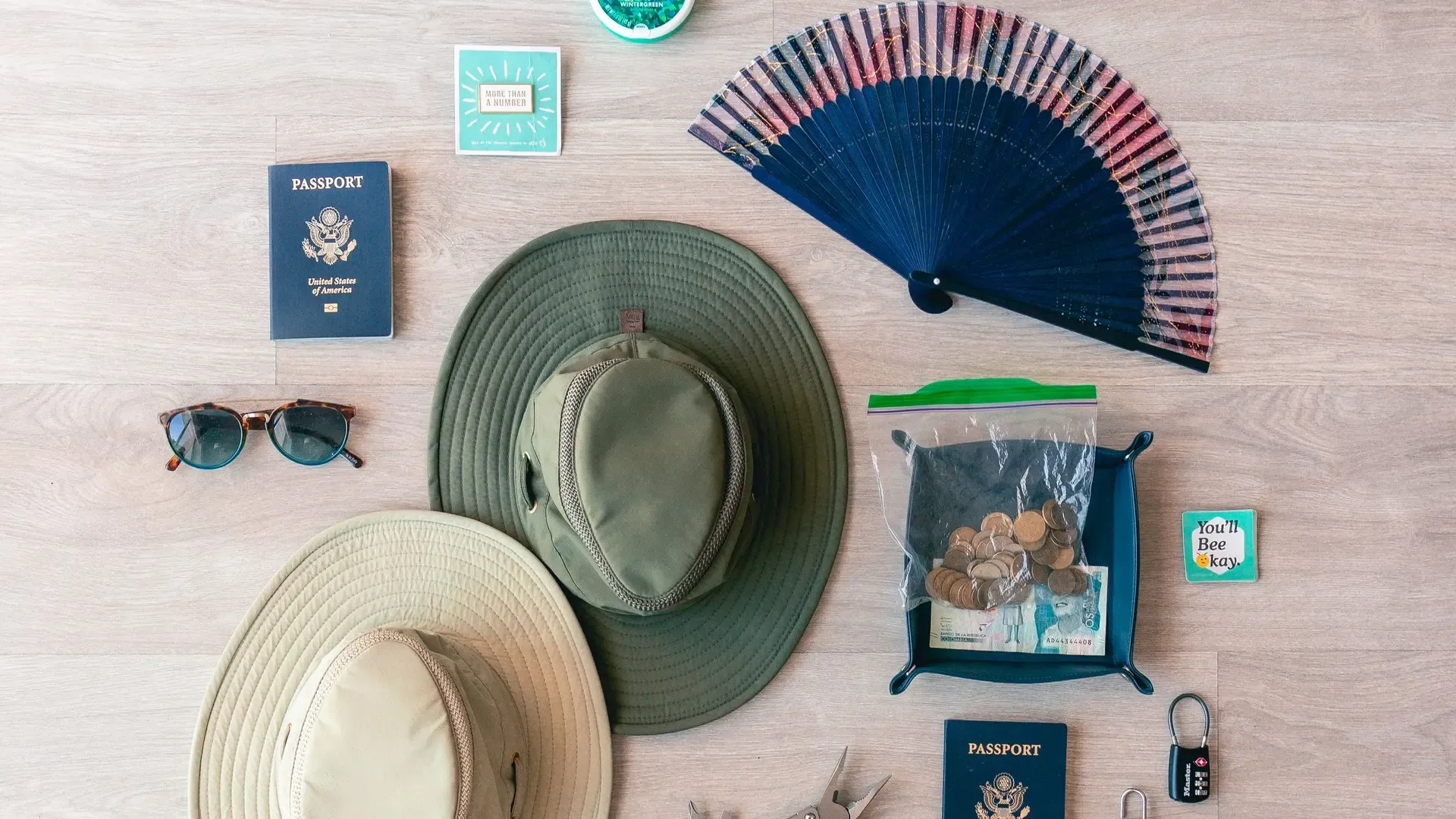
Wear comfortable shoes for medina lanes and archaeological ground, and carry water, sun protection and a light layer.
Check opening hours before visiting museums and heritage sites, and arrange a licensed guide if you want detailed historical context.
Ask before photographing residents or workers, and do not assume Bab Mansour is always open for interior access.
Leave enough time for travel to Volubilis and use official or trusted transport for longer connections.
Frequently Asked Questions
Is Meknès worth visiting?
Yes. Meknès offers major historic architecture, a manageable medina and easy access to Volubilis, often with a quieter atmosphere than the most visited Imperial Cities.
How many days do I need in Meknès?
One day covers the main city highlights. Two days allow a slower visit and time for Volubilis and Moulay Idriss.
Can I visit Volubilis from Meknès?
Yes. Meknès is one of the most practical bases for visiting Volubilis, especially by private vehicle or arranged excursion.
Is Bab Mansour open to visitors?
Access can change because of restoration, events or local arrangements. Confirm current conditions before planning an interior visit; the gate can still be appreciated from its exterior setting.
Is Meknès easy to combine with Fès?
Yes. The two cities are connected by rail and road and can be included in an Imperial Cities itinerary. Allow enough time to experience each city rather than treating both as rushed stops.
More Morocco tours
9 Days
9-Day Morocco Tour from Casablanca
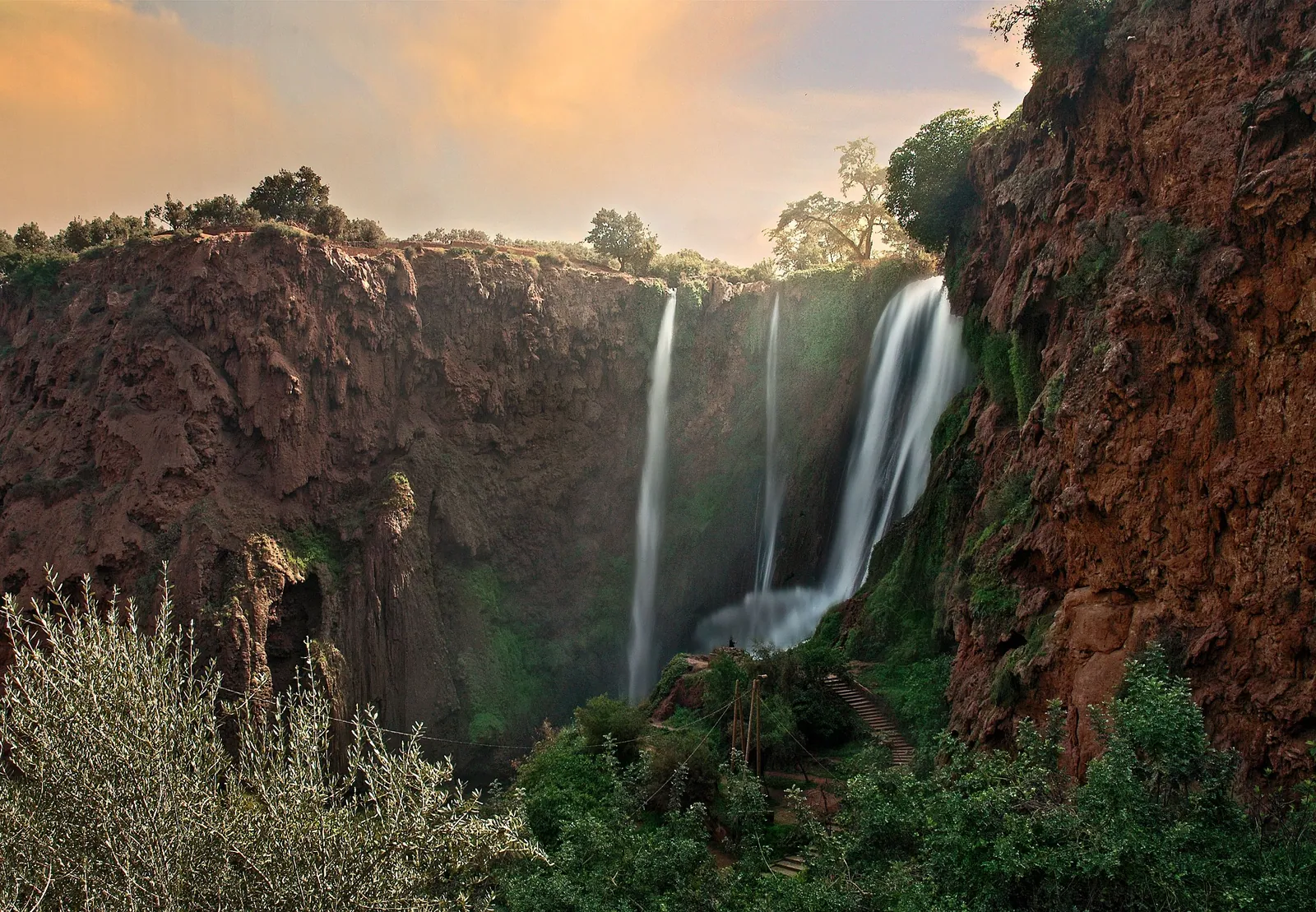
From Casablanca over nine days through royal cities, ancient medinas and a stretch of desert. Long enough for the three settings to breathe, short enough that the trip never becomes a transfer schedule.
8 Days
8-Day Imperial Cities Tour of Morocco
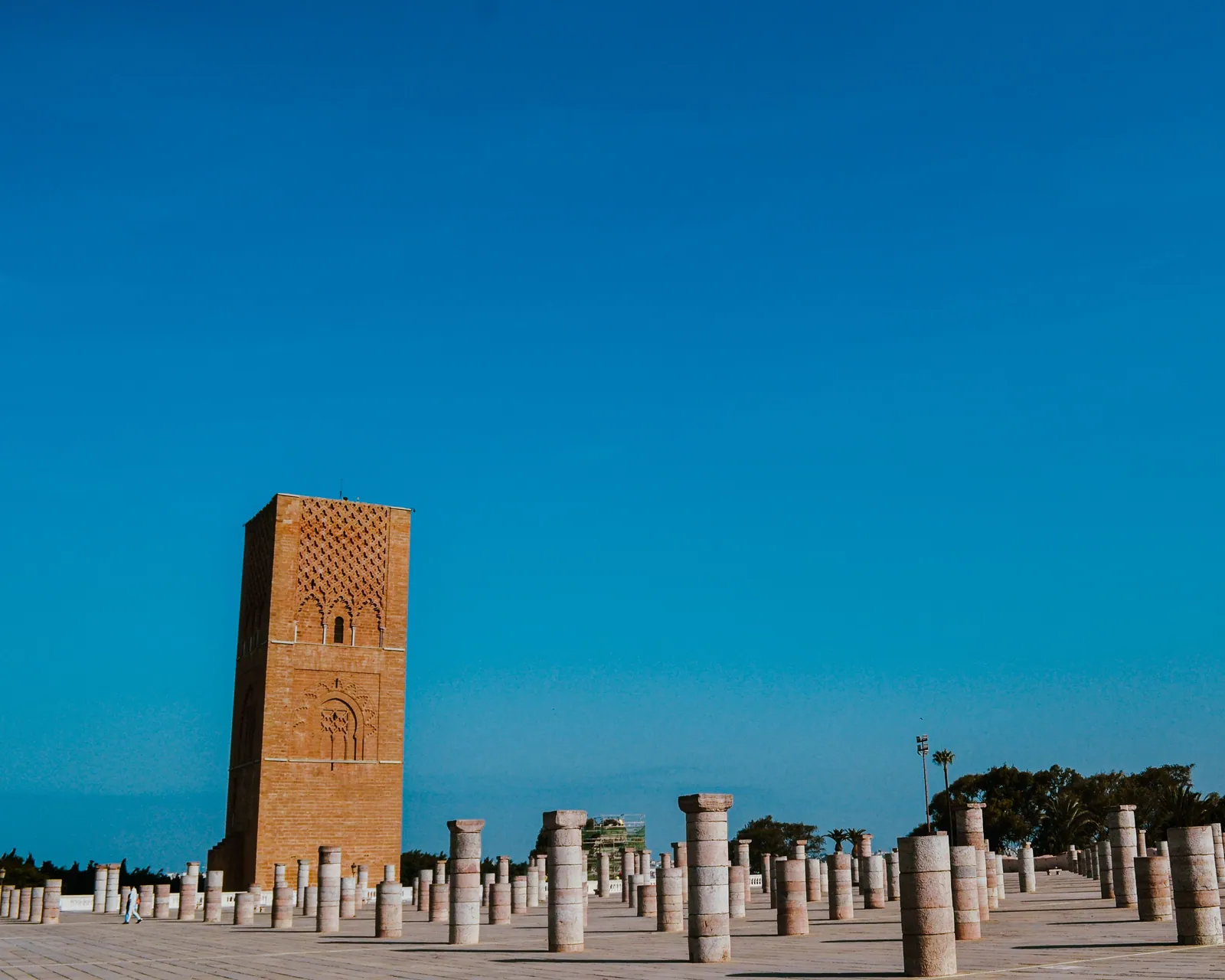
All four imperial cities in eight days — Marrakech, Fes, Meknes and Rabat. Pick this when the history is the point rather than the landscape: walls, palaces and medinas almost the whole week.
14 Days
14-Day Morocco Itinerary for First-Time Visitors
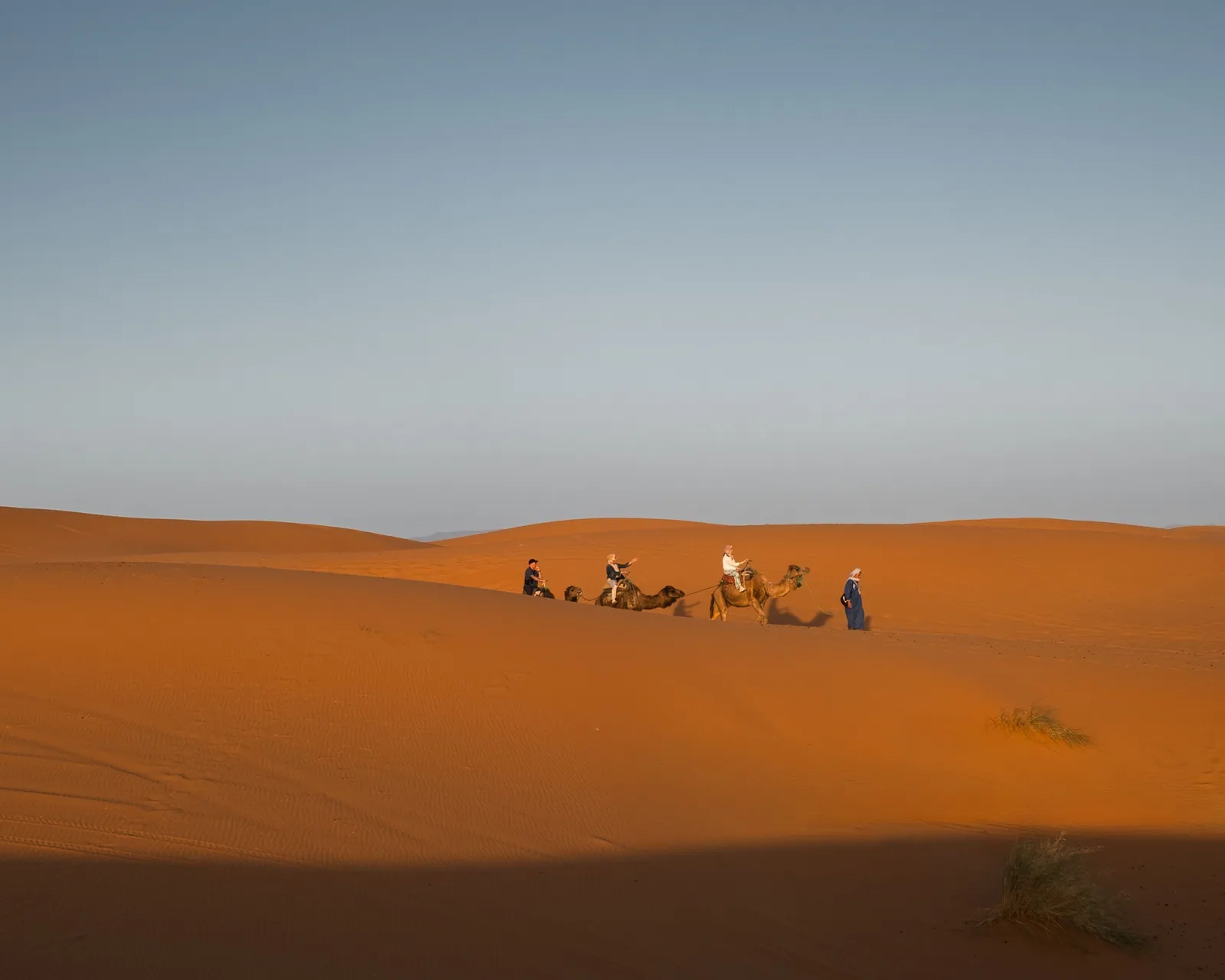
Two weeks for a first visit: imperial cities, mountains and sand, with enough days between them that nothing is hurried. Fourteen is the length at which Morocco stops feeling like a tour and starts feeling like a trip.
Related Guides
Rabat Travel Guide: The Best Things to See and Do
Discover Rabat, Morocco's calm coastal capital, with practical advice on the Kasbah of the Udayas, Hassan Tower, the medina, museums, transport and the best time to visit.
Volubilis Travel Guide: Roman Ruins, Mosaics and Moulay Idriss
Plan a visit to Volubilis with practical advice on Roman ruins, mosaics, guides, transport, weather, combining the site with Meknès and Moulay Idriss, and what to expect.
El Jadida Travel Guide: Portuguese Cistern, Walls and Atlantic Coast
Discover El Jadida with practical advice on the Portuguese City of Mazagan, the famous cistern, sea walls, beaches, food, transport and day-trip planning.
Liked this guide?
Give it a like on Instagram and tag us from your Moroccan adventure.
Plan your Meknès journey with us
Our Marrakech-based team of local experts designs tailor-made Morocco trips around your dates, budget and travel style.
Request a Quote