

Rabat offers a different pace from Morocco's busiest tourist cities. It is the capital, a coastal city and a historic imperial destination — a good choice for travellers who want Moroccan history and architecture without the intensity of a larger visitor centre.
01. Why visit Rabat?
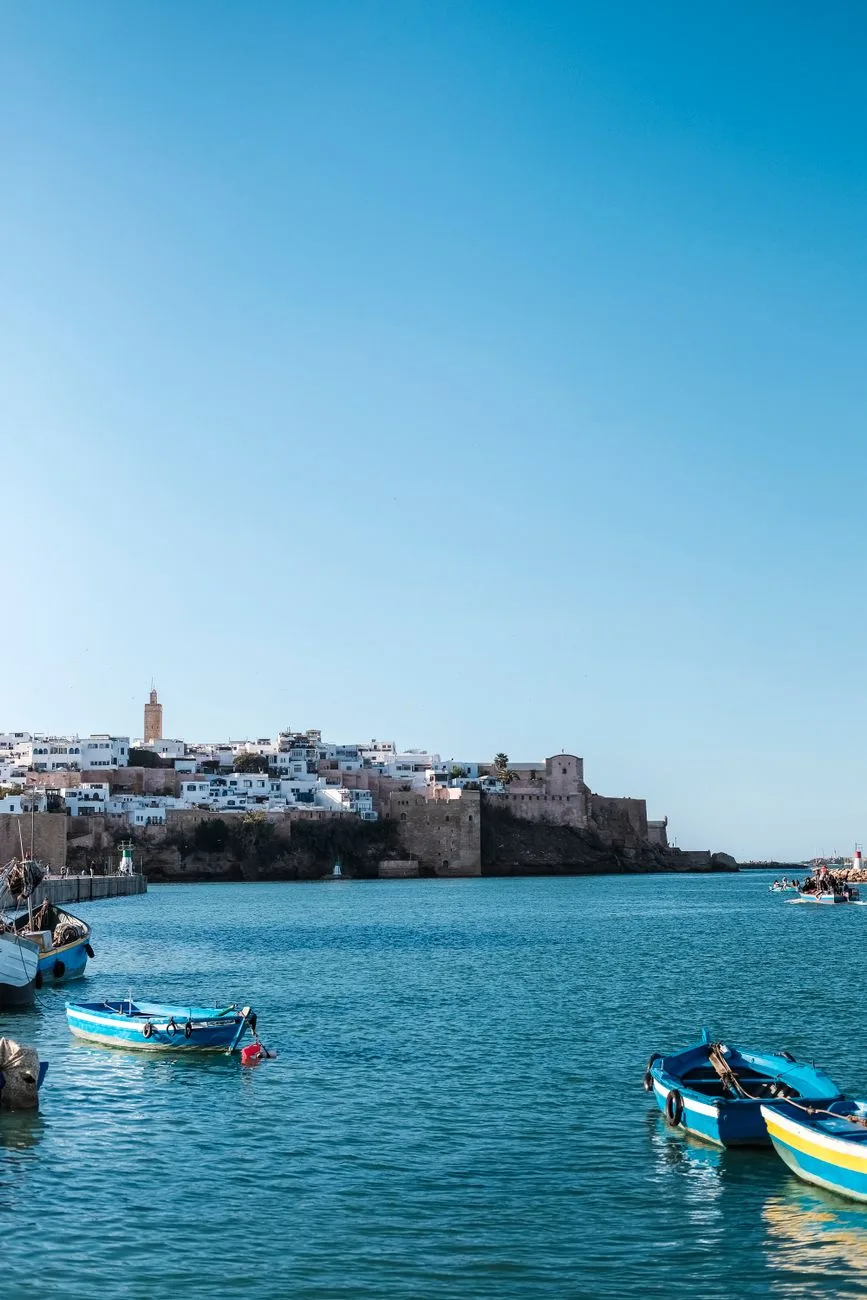
Rabat is especially suited to travellers who want historic sites and royal-era architecture, a coastal atmosphere, a calmer medina experience, museums and gardens, and easy rail connections to Casablanca, Fes and Tangier.
One full day gives you a useful introduction to the capital. Two days allow a slower visit with time for museums, cafés, Salé and the coast.
02. The Kasbah of the Udayas
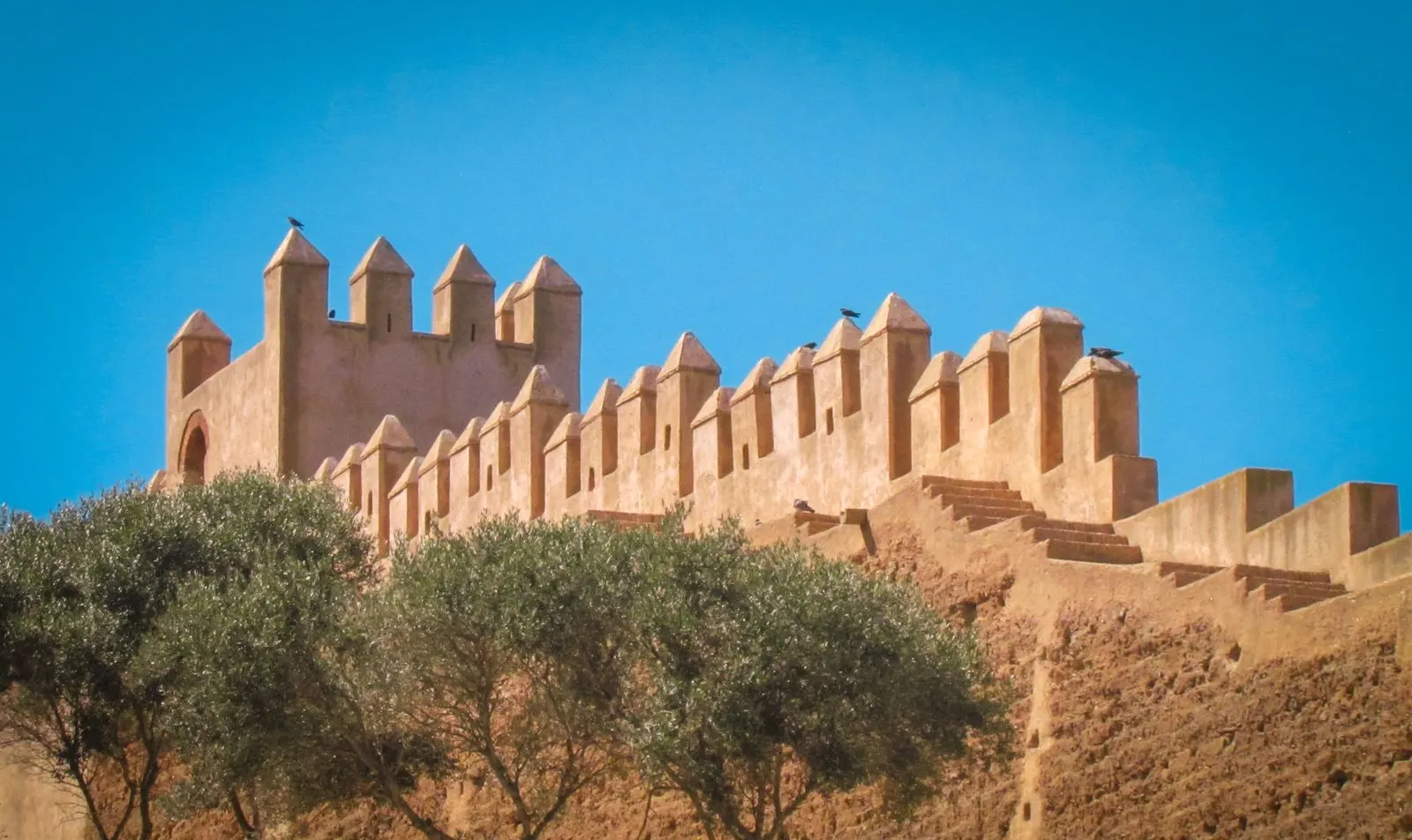
The Kasbah of the Udayas is one of Rabat's most atmospheric areas. Its whitewashed lanes, blue details, historic walls and position above the Bou Regreg estuary make it ideal for a relaxed walk.
Take time to explore the narrow streets, look toward the river and Atlantic, and pause in the Andalusian Garden if it is open. The kasbah is more enjoyable when treated as a neighbourhood rather than a checklist of viewpoints.
Wear comfortable shoes because the lanes and steps can be uneven. Early morning and late afternoon usually offer softer light and a calmer atmosphere.
03. Hassan Tower and the Mausoleum
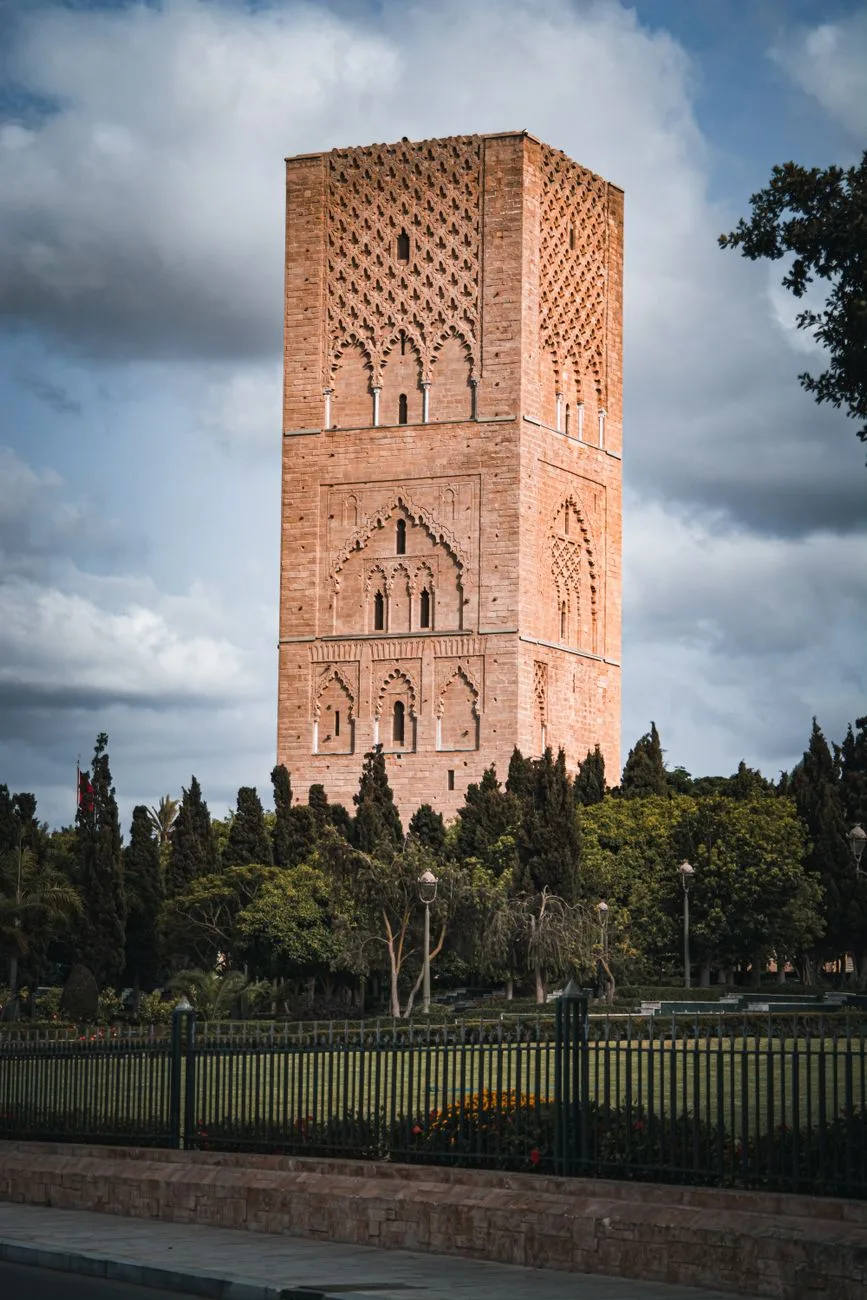
Hassan Tower is one of Rabat's most recognisable landmarks. The tower stands within a historic complex that includes the columns and remains of an unfinished mosque.
Nearby, the Mausoleum of Mohammed V is known for its carefully finished architecture and ceremonial setting. Dress respectfully and follow any visitor instructions at the site.
Allow enough time to look beyond the tower itself — the surrounding complex provides the context for Rabat's history and royal identity.
04. The medina, museums and the Bou Regreg
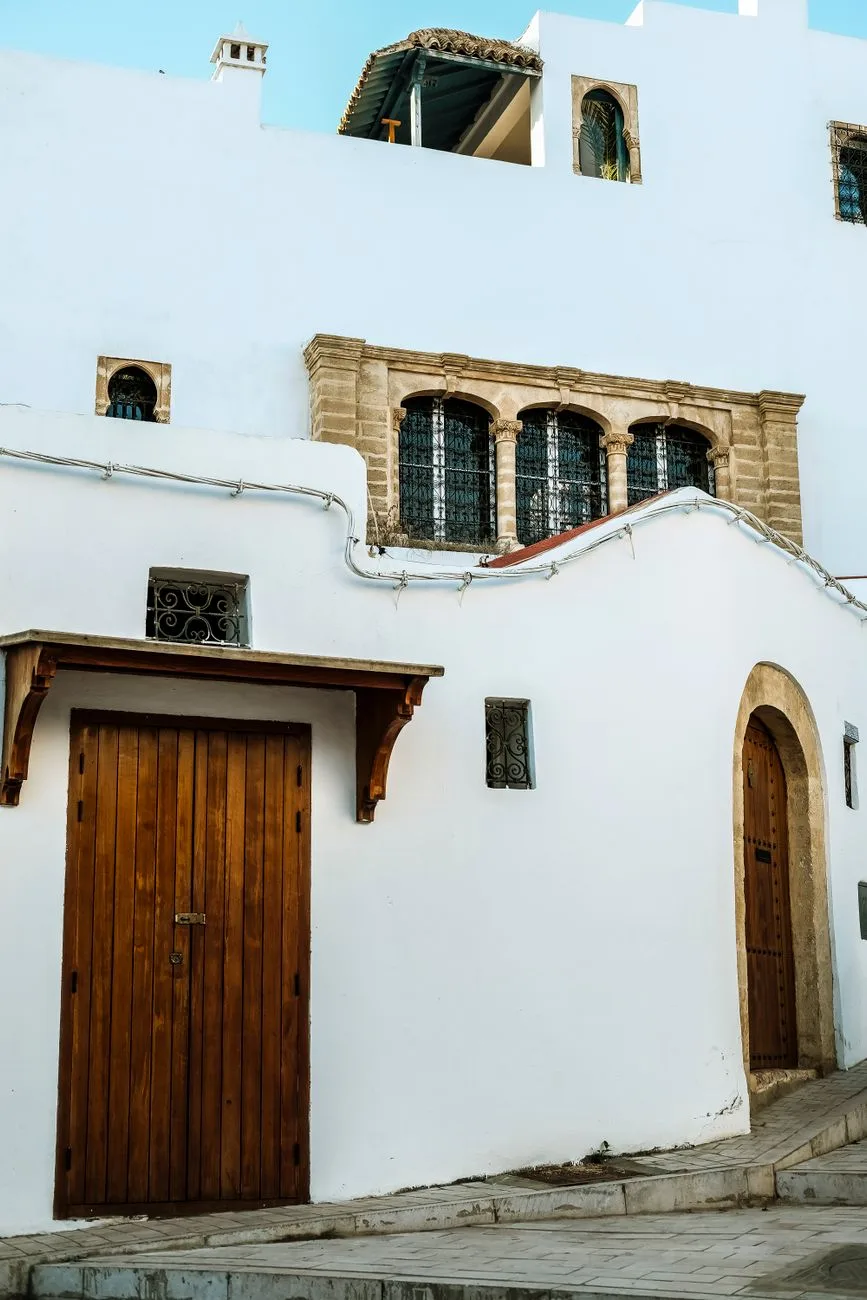
Rabat's medina is compact and easy to combine with the Kasbah and city centre. It is a good place to browse crafts, textiles, leather goods and food without trying to cover every lane in one visit. Ask before photographing people and compare prices in the busier lanes.
The city also has several museums and cultural spaces, but opening days and exhibitions change — check official information before planning a visit. Indoors is a useful option during hot or rainy periods.
The Bou Regreg separates Rabat from Salé and creates a scenic setting for walks and views. Leave time to sit by the water, enjoy a café and notice how the capital's modern life fits around its historic core.
05. Getting there, seasons and food
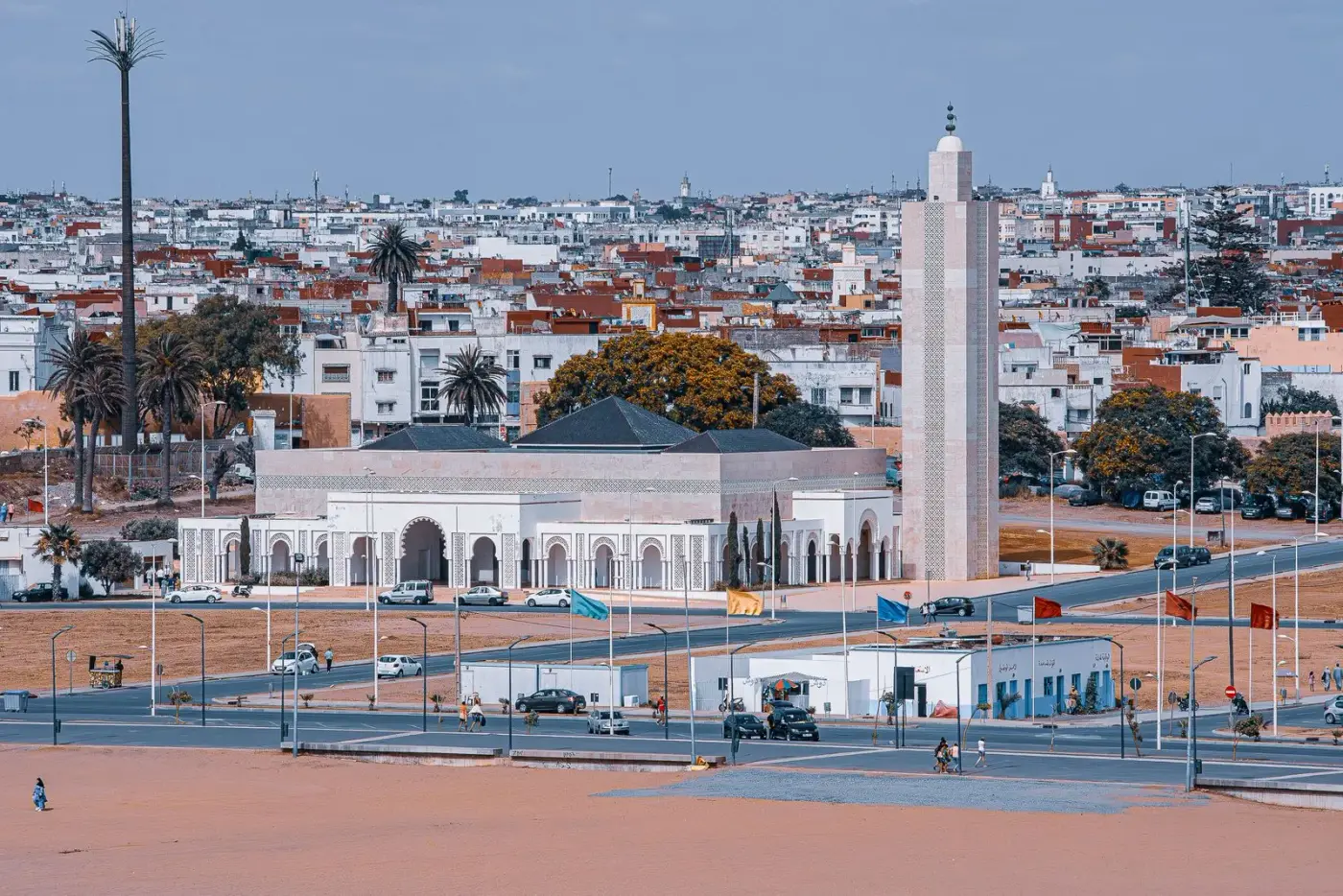
Rabat is connected to other major Moroccan cities by rail and road; check ONCF schedules before you travel. The train is efficient between major centres, while a private vehicle is more useful when combining Rabat with smaller coastal stops or a longer custom route. Within the city, plan to walk the historic centre and use local transport or a pre-arranged transfer for longer connections.
The city's coastal position generally gives it a milder feel than inland destinations. Spring and autumn are often comfortable for walking, summer can be pleasant near the coast but busy, and winter days may suit sightseeing with a rain layer and an extra layer for evenings.
Use Rabat as a chance to try Moroccan home-style cooking and fresh seafood: tagines and couscous, harira and seasonal soups, grilled fish near the coast, Moroccan salads, mint tea, pastries and fresh juices. Ask your accommodation or a trusted local host for recommendations.
06. Families and practical tips
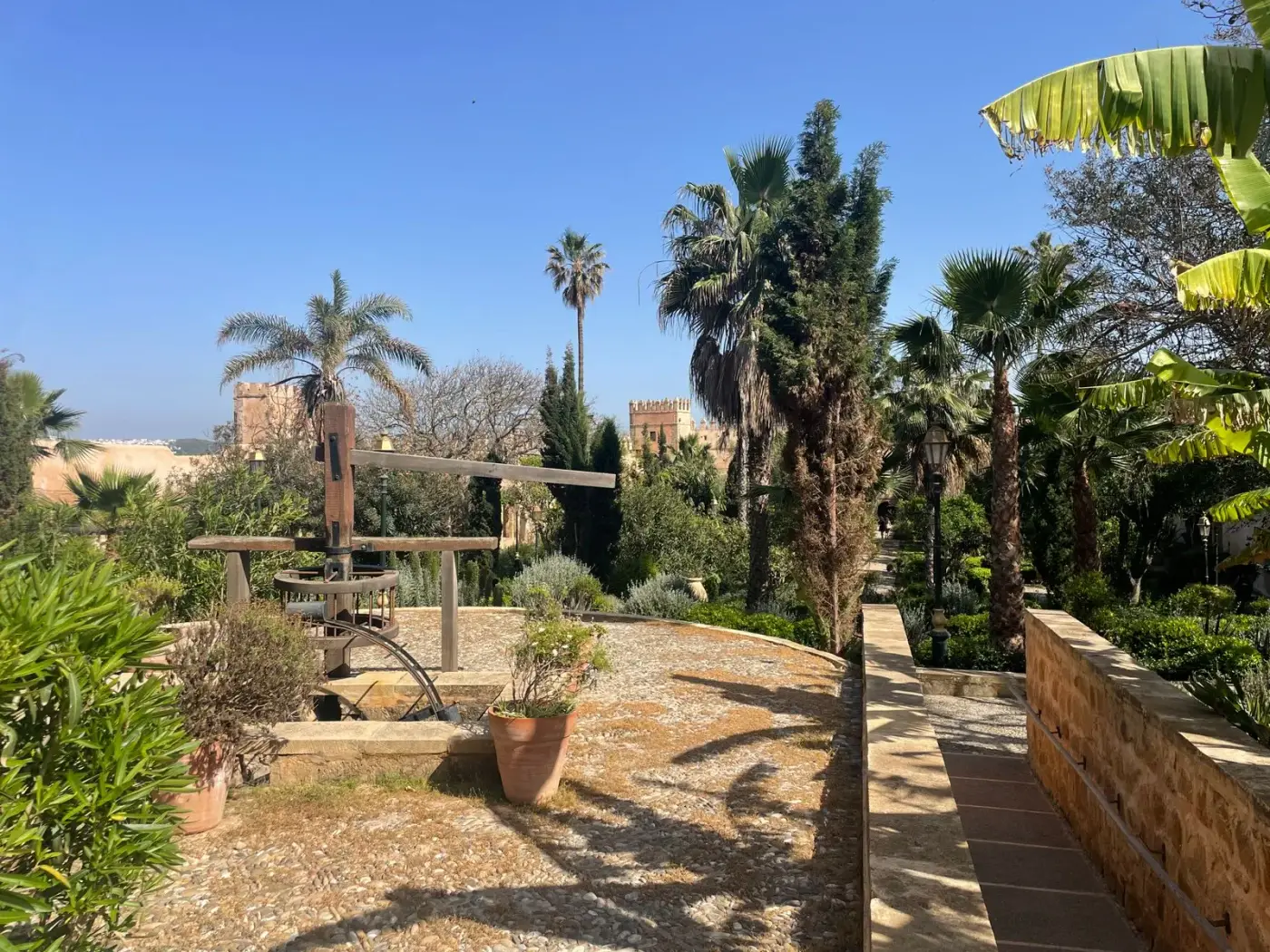
Rabat works well for families because the major sights can be combined without the same sensory intensity as larger medinas. Balance monuments and walking with gardens, river views and café breaks, and avoid trying to visit everything in one hot afternoon.
For a first visit: start at the Kasbah or Hassan Tower before the warmest part of the day, wear shoes suitable for steps and uneven lanes, check museum opening hours, carry water and sun protection, keep a light layer for coastal wind, use official or trusted transport for transfers, and ask permission before photographing people.
Above all, allow time for a meal instead of treating Rabat only as a transit stop.
Frequently Asked Questions
Is Rabat worth visiting?
Yes. Rabat combines historic monuments, a coastal setting, a manageable medina and a calmer rhythm than many larger Moroccan destinations.
How many days do I need in Rabat?
One full day covers the main landmarks. Two days allow time for museums, the coast, Salé and a more relaxed pace.
What are the main things to see in Rabat?
Start with the Kasbah of the Udayas, Hassan Tower, the Mausoleum of Mohammed V, the medina and the Bou Regreg area.
Can I visit Rabat as a day trip from Casablanca?
Yes. The cities are connected by rail and road, but an overnight stay gives you more time to experience Rabat in the evening and morning.
Is Rabat easy to explore on foot?
The historic centre and main sights can be combined on foot, though some paths include steps or uneven surfaces. Use local transport or a private transfer for longer distances.
More Morocco tours
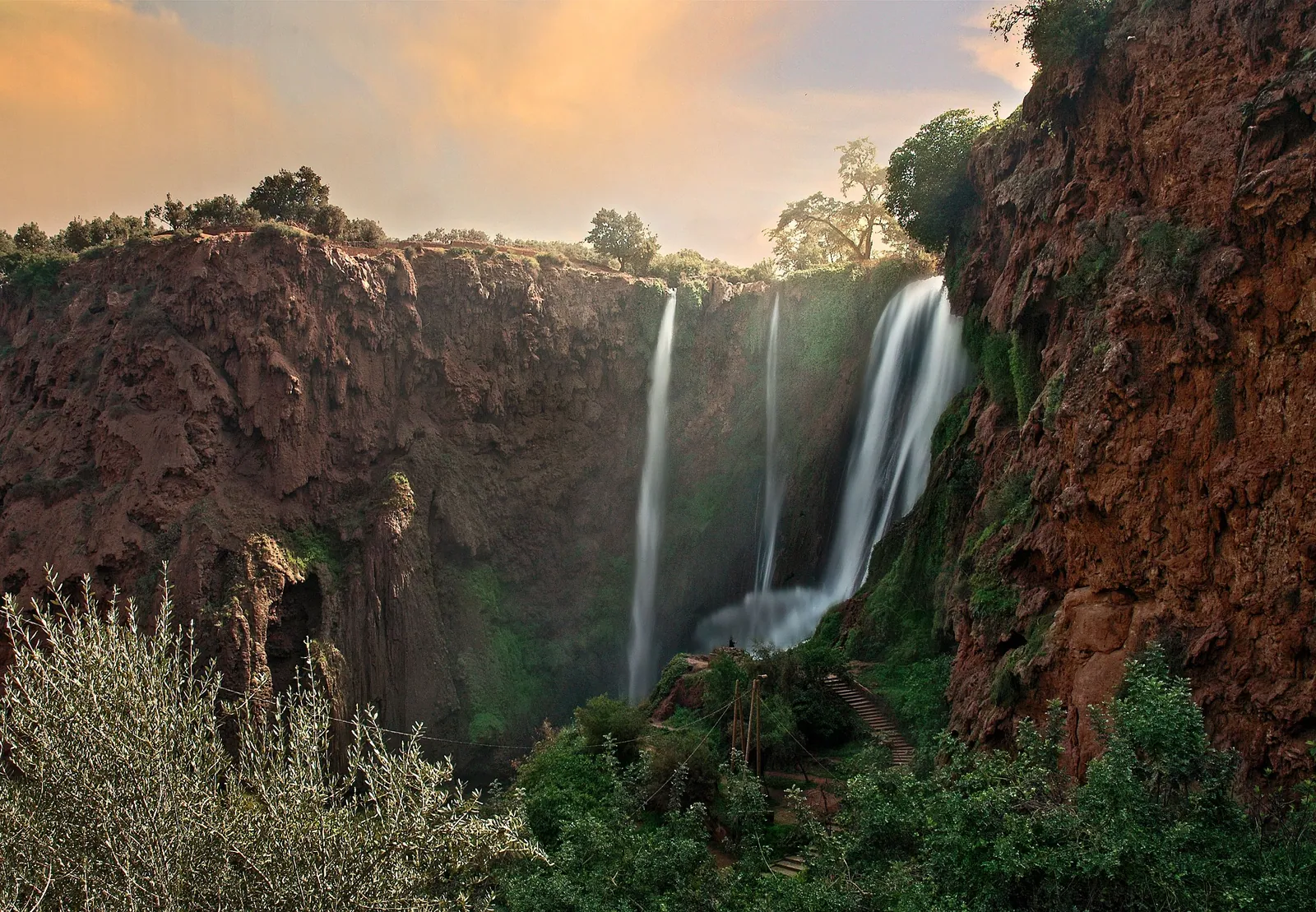
9 Days
9-Day Morocco Tour from Casablanca
From Casablanca over nine days through royal cities, ancient medinas and a stretch of desert. Long enough for the three settings to breathe, short enough that the trip never becomes a transfer schedule.
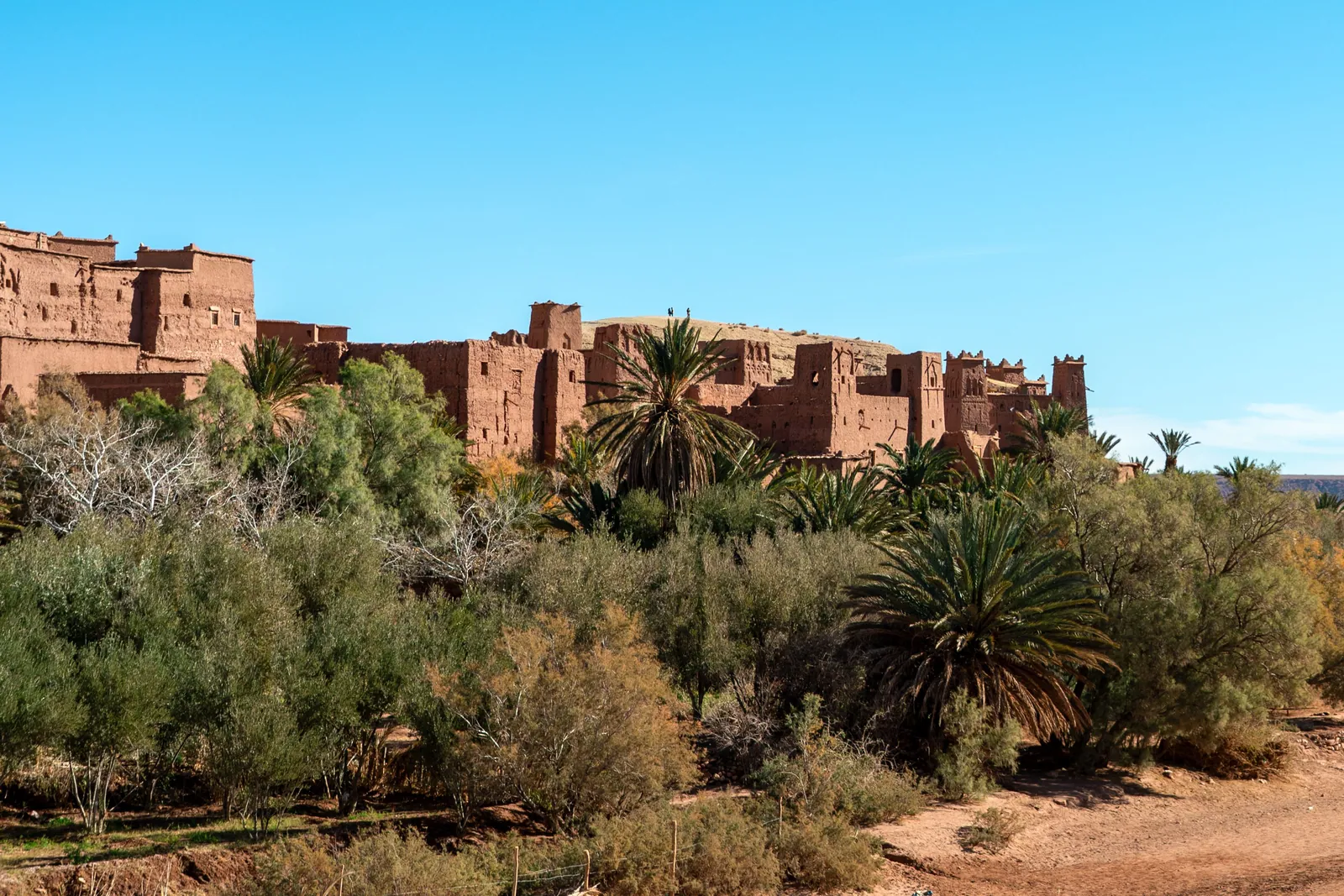
10 Days
10-Day Morocco Tour from Casablanca
Ten days from Casablanca through imperial cities, mountain villages and desert. Built for range rather than one region, with three different settings spaced out so no two days look alike.
14 Days
14-Day Morocco Itinerary for First-Time Visitors
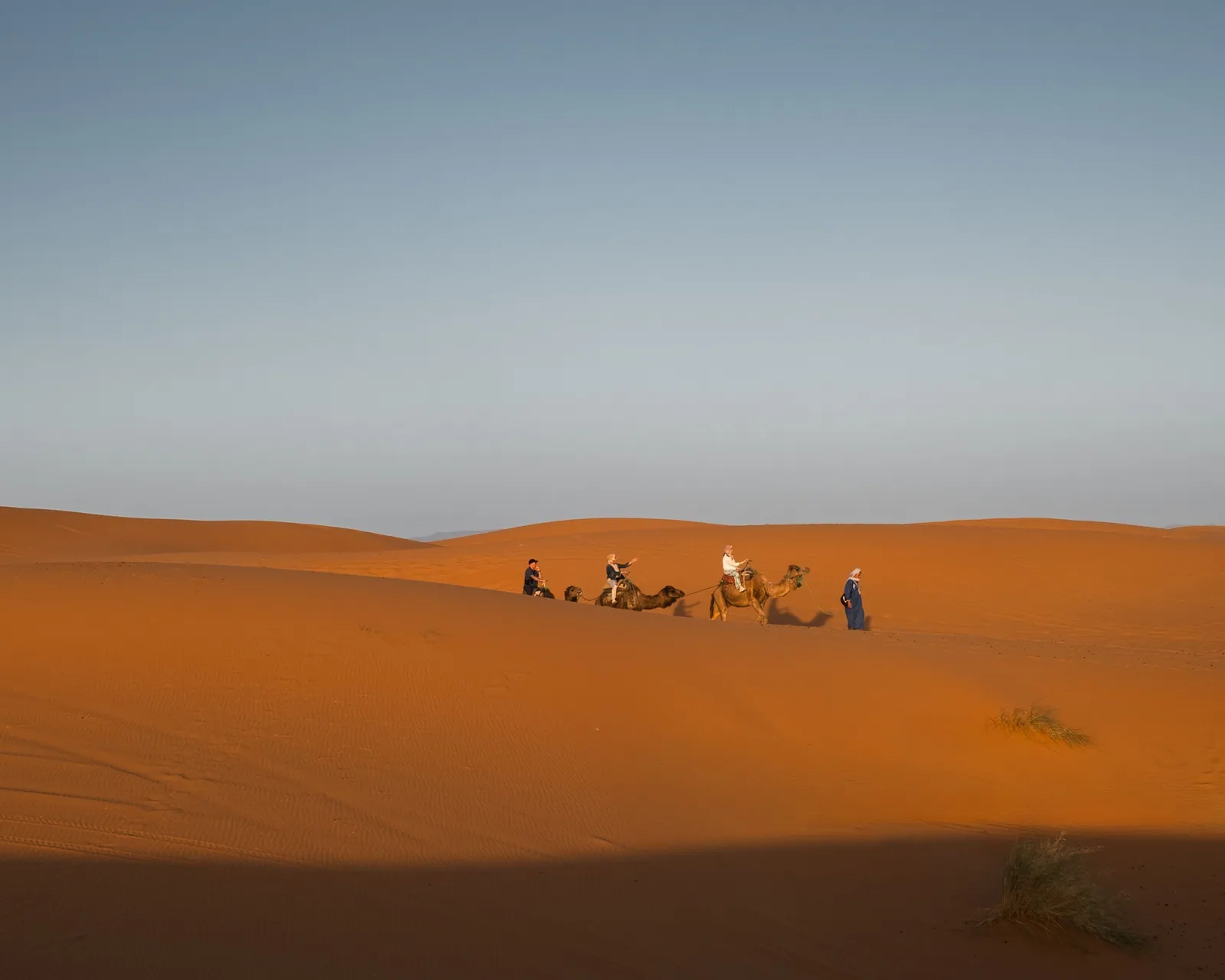
Two weeks for a first visit: imperial cities, mountains and sand, with enough days between them that nothing is hurried. Fourteen is the length at which Morocco stops feeling like a tour and starts feeling like a trip.
Related Guides
Meknès Travel Guide: Medina, Historic Gates and Volubilis
Discover Meknès with practical advice on Bab Mansour, the medina, historic architecture, Volubilis day trips, transport, timing and what to see.
Ouarzazate Travel Guide: Kasbahs, Film Heritage and Desert Routes
Discover Ouarzazate with practical advice on Taourirt Kasbah, film heritage, Aït Benhaddou, transport, seasons and desert itineraries.
El Jadida Travel Guide: Portuguese Cistern, Walls and Atlantic Coast
Discover El Jadida with practical advice on the Portuguese City of Mazagan, the famous cistern, sea walls, beaches, food, transport and day-trip planning.
Liked this guide?
Give it a like on Instagram and tag us from your Moroccan adventure.
Plan your Rabat journey with us
Our Marrakech-based team of local experts designs tailor-made Morocco trips around your dates, budget and travel style.
Request a Quote