
Travelling to Morocco during Ramadan can be a meaningful experience. The country's daily rhythm changes, family life becomes more centred around the evening meal, and streets and medinas often feel especially lively after sunset. It is not a reason to avoid Morocco, but it is a reason to plan with more awareness — meal times, opening hours, transport and evening activities may differ from what you expect.
01. What changes during Ramadan?
During daylight hours, many Muslims fast from food and drink. The fast ends at sunset with iftar, followed by evening meals, prayer and social time.
This can affect restaurant and café schedules, shop and attraction opening hours, traffic before sunset, meal availability during the day, the pace of guided visits, and evening activity in medinas and city centres.
The exact experience varies by city, neighbourhood, business and day. Confirm arrangements locally rather than assuming every place follows the same schedule.
02. Can tourists eat and drink during the day?
Yes. Visitors who are not fasting can eat and drink, but it is considerate to do so discreetly, especially in crowded public areas and near people who are fasting. Hotels and tourist-oriented restaurants may continue to serve daytime meals, but availability can be more limited.
Ask your hotel or travel planner where and when meals are available. Carrying water for long drives is sensible, while avoiding conspicuous eating or drinking in sensitive settings shows respect.
03. What is iftar?

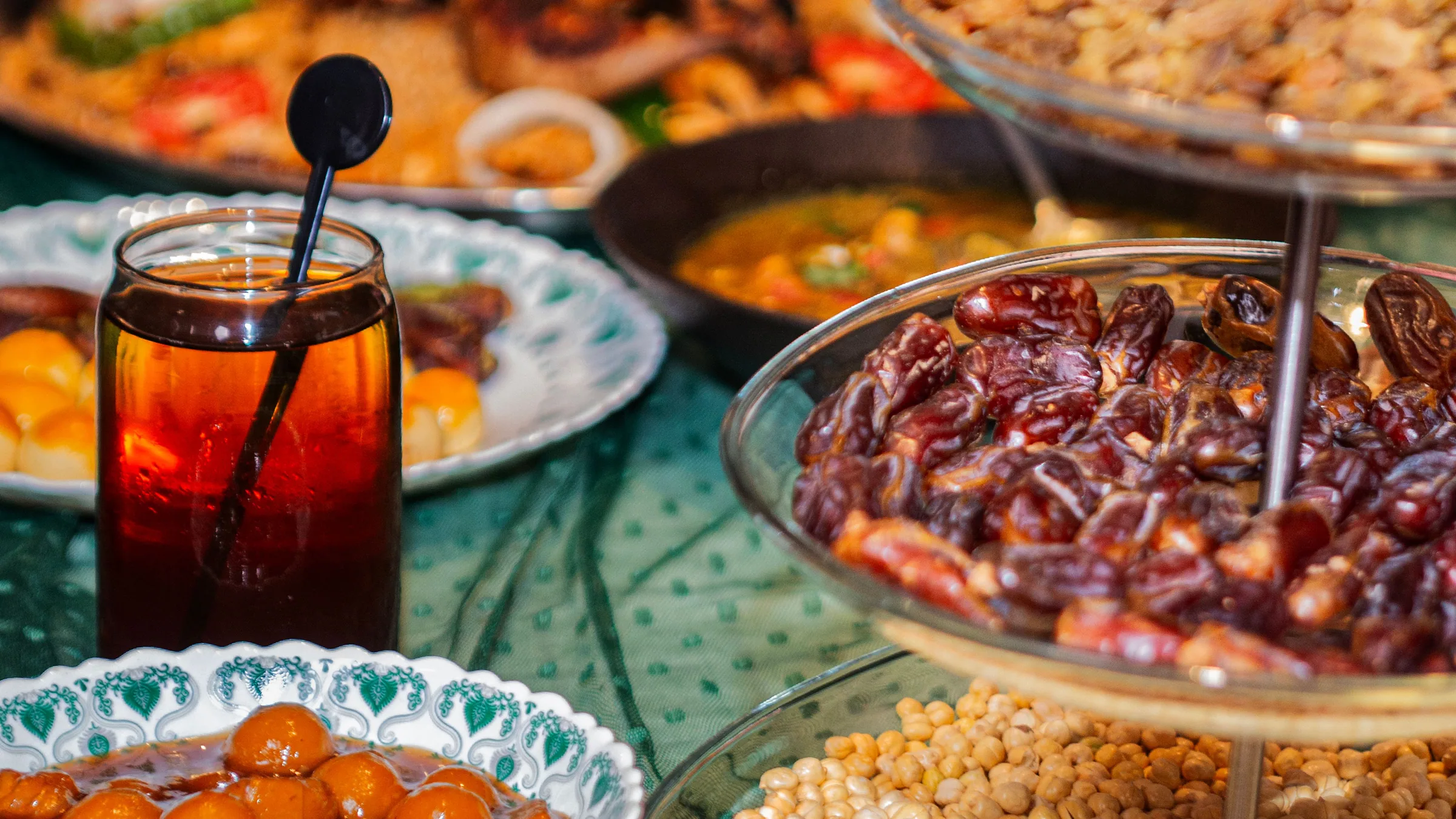
Iftar is the meal that breaks the fast at sunset. In Morocco, it may begin with dates, water, soup, sweets and drinks before continuing with a larger meal.
Travellers may experience iftar at a hotel, riad, restaurant or private home. If you are invited to join, accept respectfully and follow the host's lead. A shared iftar can be one of the most memorable cultural experiences of a Morocco trip.
Do not expect a normal dinner service immediately at sunset. Staff may also need a moment to break their fast, and restaurants can become busy shortly afterward.
04. How should I plan sightseeing?

Schedule important visits in the morning or earlier afternoon when possible. People may be conserving energy before sunset, and some businesses reduce their hours.
Check attraction hours before departure, keep the midday schedule lighter, allow extra time for breaks, avoid a rushed activity immediately before sunset, confirm dinner arrangements in advance, and stay flexible if a local schedule changes.
Private tours are easier to adapt because the day can be adjusted around your energy, meal needs and the local rhythm.
05. What happens around sunset?
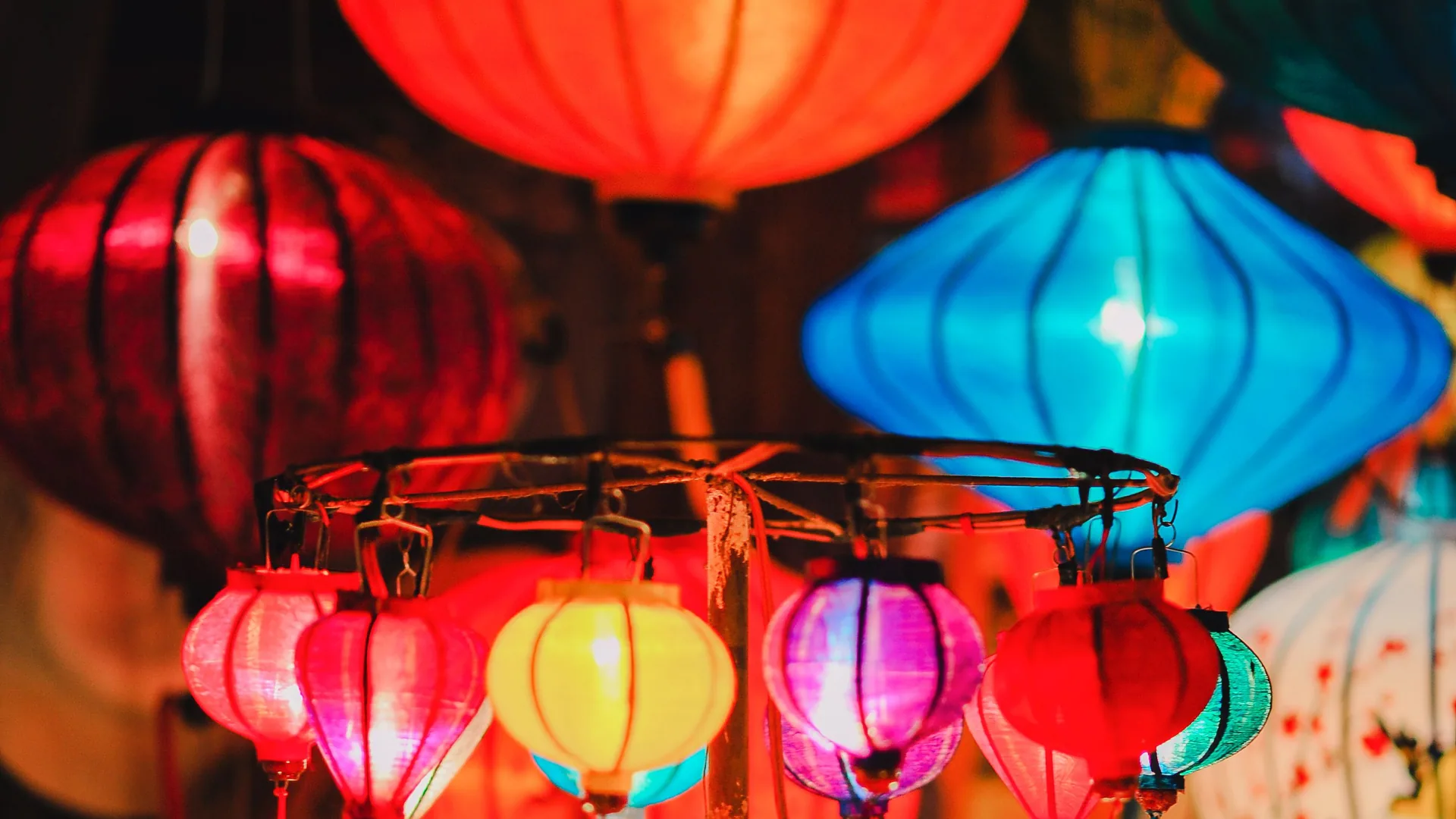
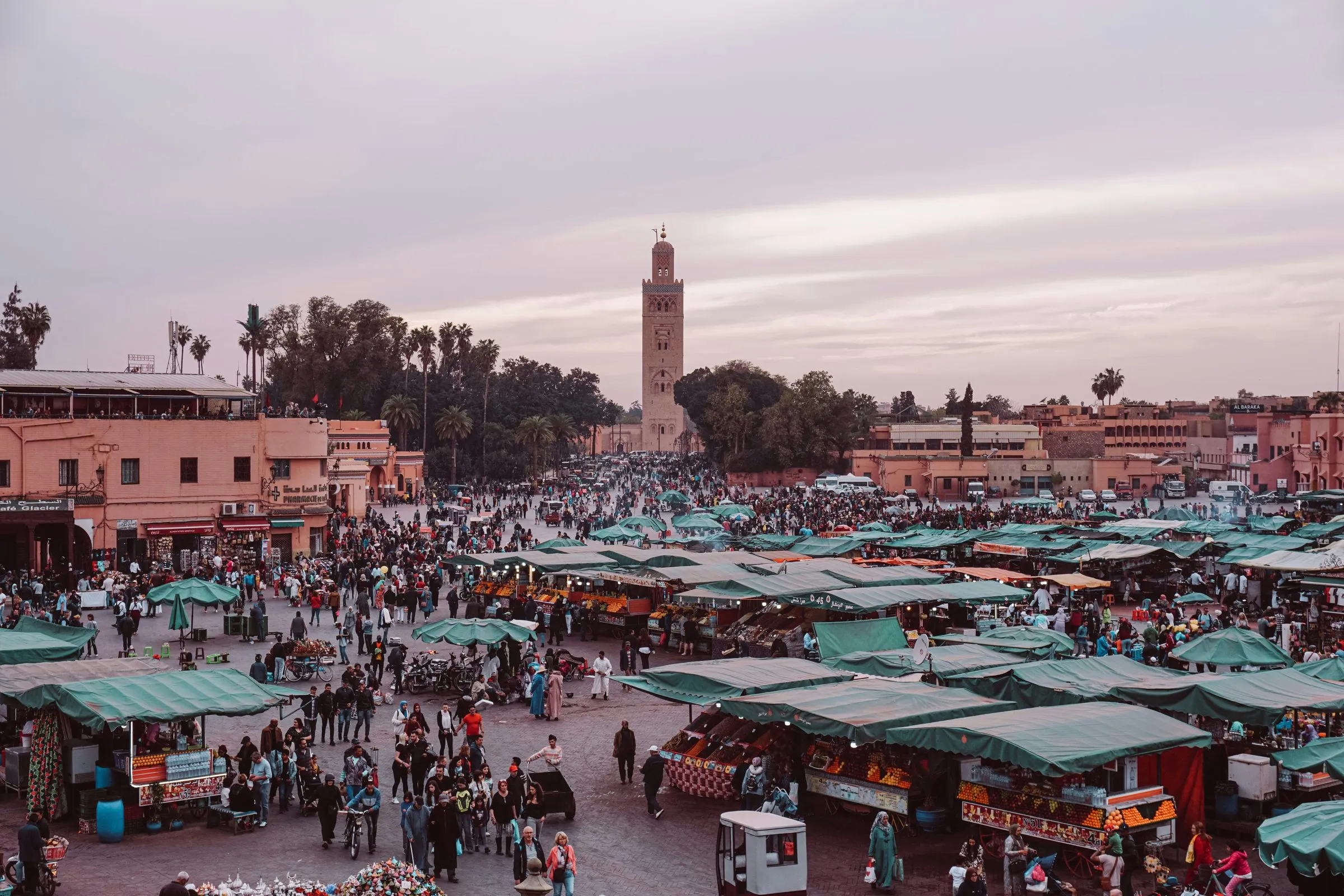
The period before sunset can be busy. People are travelling home, shopping for food or preparing for iftar, so roads and markets may become more crowded.
Plan to be at your hotel, riad or a confirmed restaurant before sunset if you want a calm meal. Avoid scheduling a long transfer at exactly this time unless your driver has planned it carefully.
After iftar, many places become lively again. Families gather, cafés reopen and medinas can take on a festive evening atmosphere.
06. What food should visitors expect?
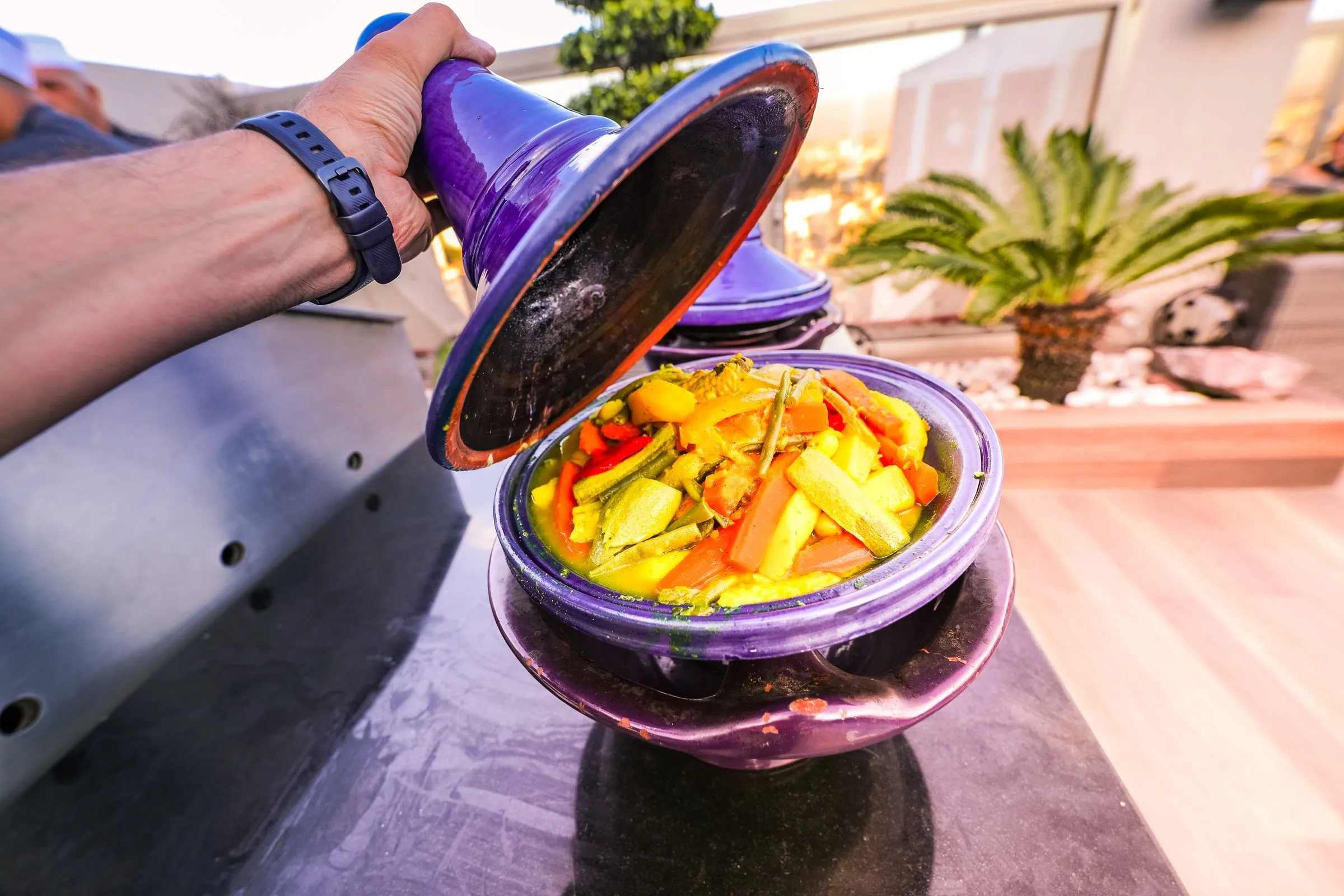
Ramadan meals vary between families and regions, but common iftar foods may include dates and water, harira or another soup, chebakia and other sweets, breads and savoury pastries, fresh juices, and tagines, couscous or other main dishes.
Menus depend on the city and establishment. Try local Ramadan dishes respectfully and ask about ingredients if you have allergies or dietary requirements.
07. Should I avoid Morocco during Ramadan?

Not necessarily. Ramadan can be a good time to visit if you are comfortable with a slower and less predictable daytime rhythm. Travellers who expect every café, shop and activity to operate on a fixed tourist schedule may find it inconvenient.
The experience is often rewarding for visitors who enjoy culture, evening walks, local food and a more reflective pace.
08. Is it safe to travel during Ramadan?
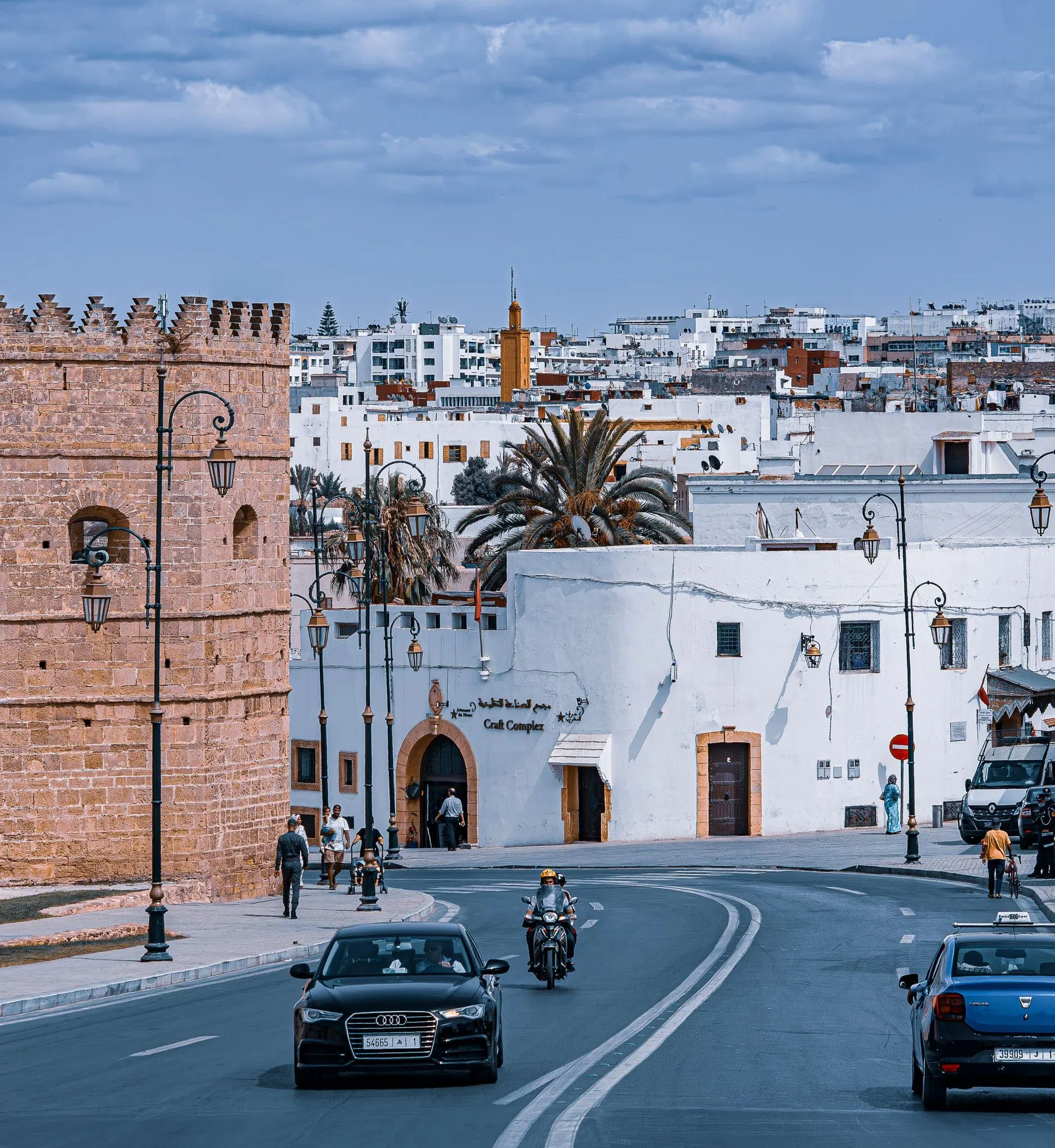
Normal travel precautions still apply. Be especially aware of traffic and crowded roads before sunset, and allow for tiredness or reduced concentration among people who have been fasting.
Use reputable transport, follow local guidance and check current official travel advice before your trip. If you are driving, avoid unnecessary travel close to sunset and stay alert on longer routes.
09. What should I wear and how should I behave?

Dress modestly, particularly in traditional neighbourhoods, villages and religious settings. Keep shoulders and knees covered where appropriate and ask before photographing people.
Do not interrupt someone who is praying, avoid public displays of affection, ask before joining or photographing an iftar, and do not criticise or joke about fasting. Accept changes to schedules with patience and greet people respectfully.
You do not need to pretend to be fasting. Awareness and courtesy matter more than performance.
10. Can I visit the Sahara during Ramadan?
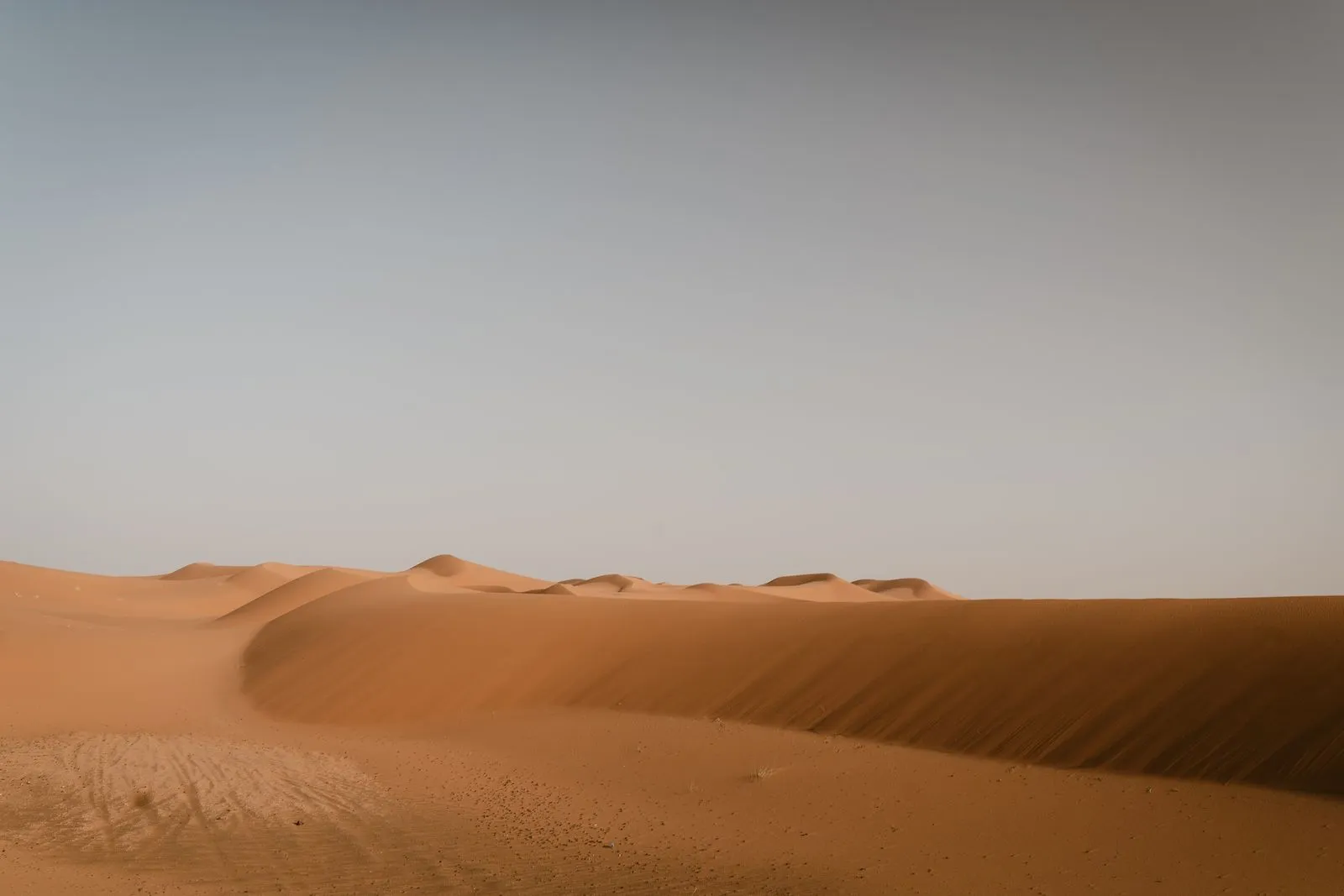
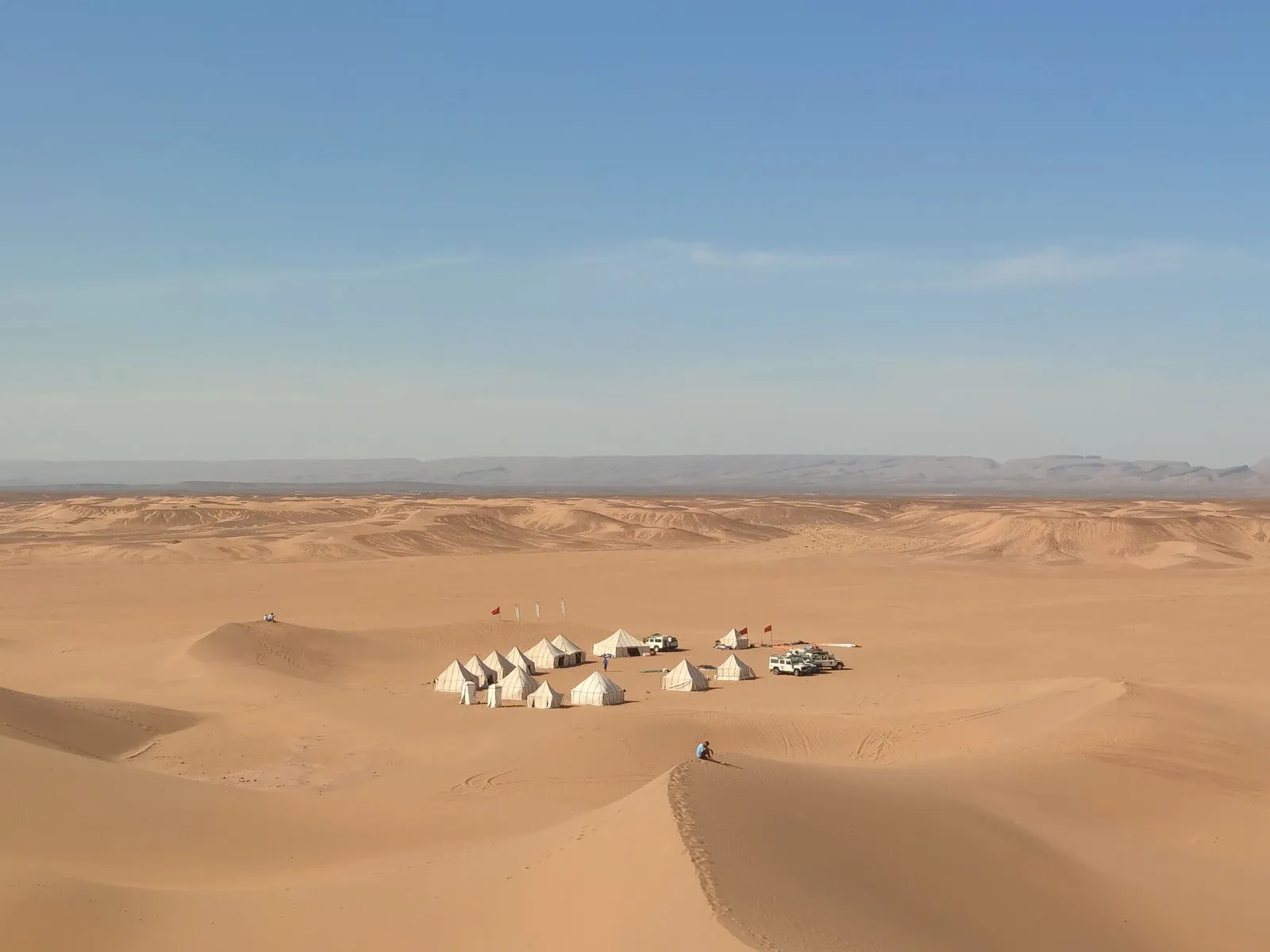
Yes. Desert routes continue during Ramadan, but meal planning and camp schedules should be confirmed in advance. A private itinerary can arrange suhoor, iftar and suitable departure times more easily than a fixed group schedule.
Desert days can be physically demanding, so discuss water, rest, heat and meal arrangements before travelling. Camps may offer a special Ramadan program, but inclusions vary.
11. Ramadan and luxury travel
Hotels, riads and private tour operators can often provide a comfortable experience during Ramadan. Ask in advance about breakfast and lunch service, private dining or in-room meals, iftar menus, suhoor timing, spa and hammam availability, driver schedules, and attraction or restaurant closures.
Luxury does not remove the local rhythm, but it can make planning meals and transport much easier.
12. A practical day during Ramadan
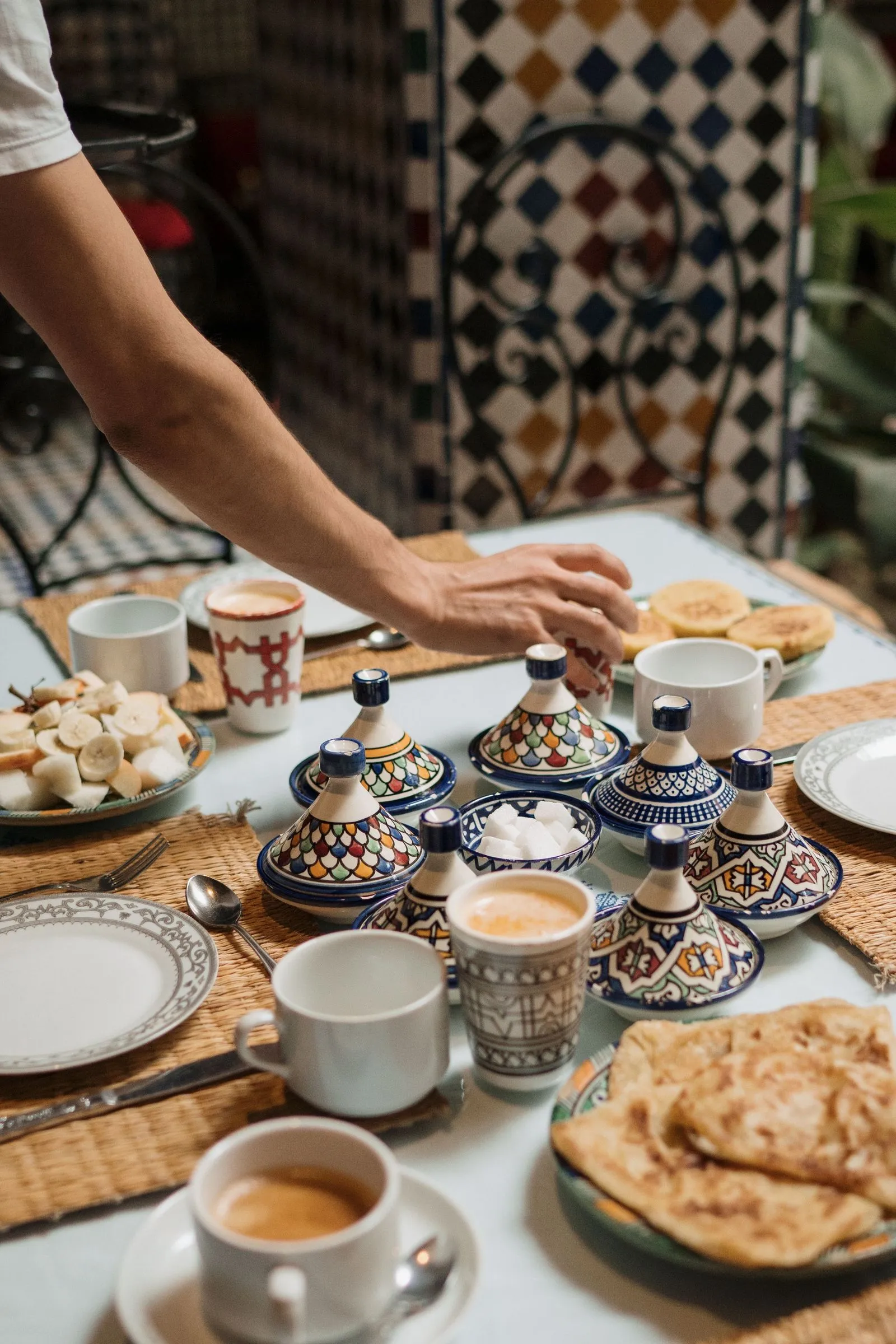
A comfortable travel day might look like this: breakfast at your hotel, main sightseeing in the morning, a lighter afternoon with rest or a short visit, a return to your accommodation before sunset, iftar at a confirmed restaurant, riad or hotel, then an evening walk or cultural activity after the city comes alive again.
The best schedule depends on the destination and the current local timetable.
Frequently Asked Questions
Can non-Muslims visit Morocco during Ramadan?
Yes. Visitors are welcome, but should respect fasting, local customs and changed schedules.
Are restaurants open during the day in Ramadan?
Some hotels and tourist-oriented restaurants remain open, while others reduce hours or close until sunset. Confirm availability in advance.
Can I drink water in public during Ramadan?
Visitors can drink water, but it is considerate to do so discreetly rather than in front of people who are fasting.
Are tourist attractions open during Ramadan?
Many remain open with adjusted hours, but schedules vary. Check before visiting and allow for changes.
Can I join an iftar in Morocco?
Yes, if you are invited or book an organized experience. Follow the host's lead and treat the meal as a cultural exchange rather than a performance.
More Morocco tours
8 Days
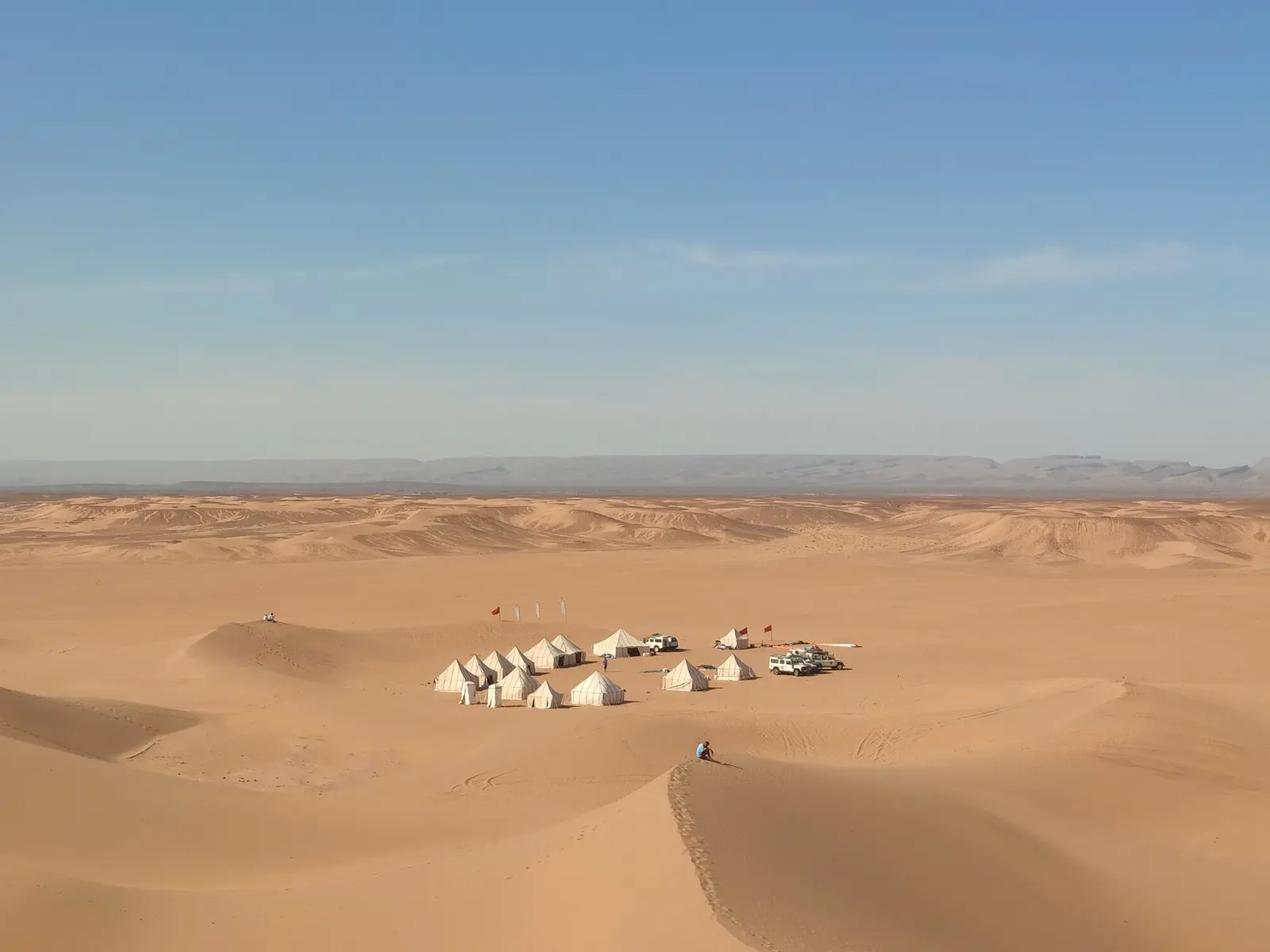
8-Day Yoga & Desert Journey in Erg Chigaga
Eight days from Marrakech to a fixed nomadic camp in the dunes of Erg Chigaga: gentle treks with a support 4x4, daily yoga in the open, and five nights at the rhythm of the Sahara without moving camp.
9 Days
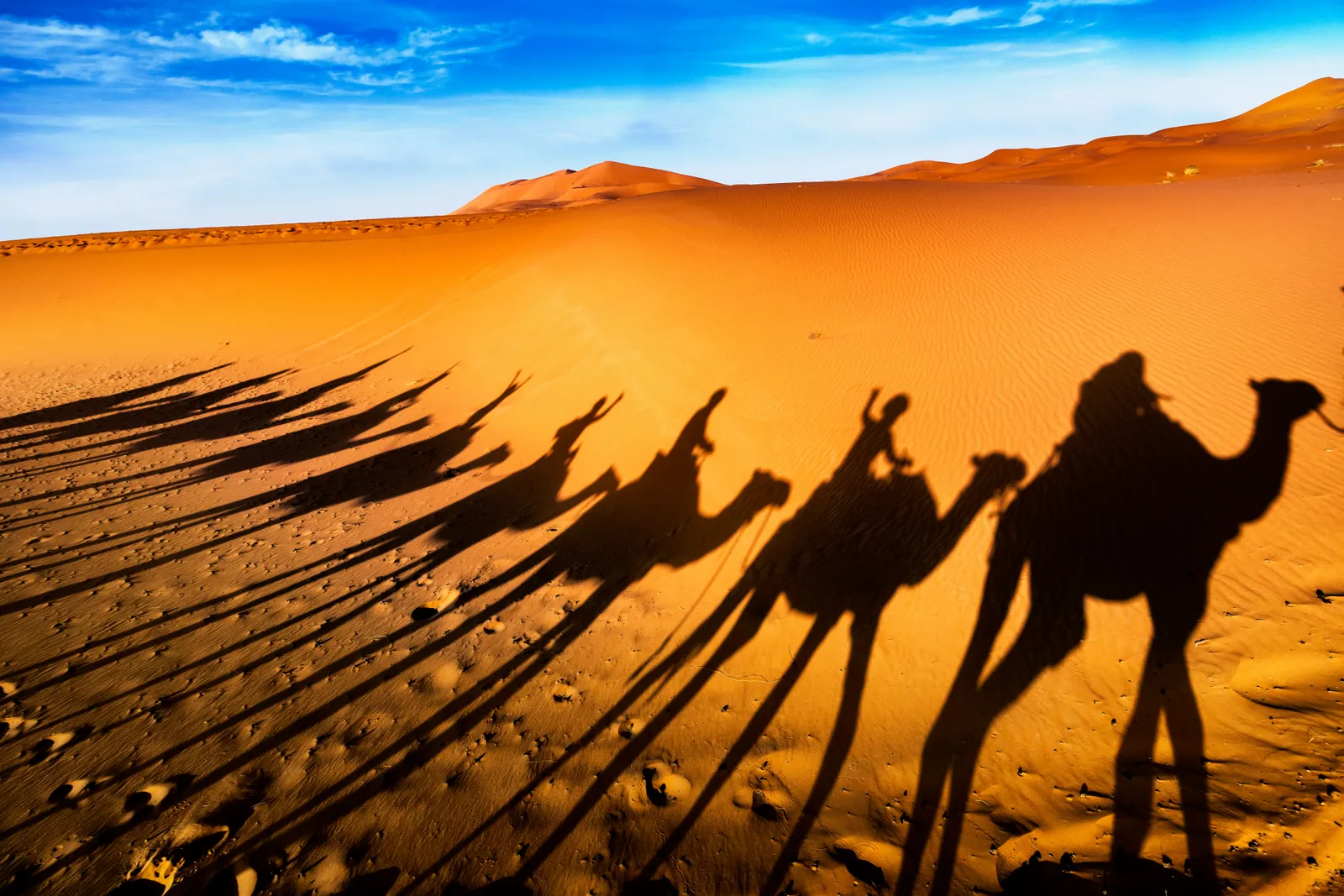
9-Day Family Morocco Tour from Marrakech
Nine days from Marrakech built around a family's pace: camel rides, kasbahs they can climb, shorter driving days and rooms that fit four. Each stop has something to do when you arrive.
9 Days
9-Day Morocco Tour from Casablanca
From Casablanca over nine days through royal cities, ancient medinas and a stretch of desert. Long enough for the three settings to breathe, short enough that the trip never becomes a transfer schedule.
Related Guides
Taghazout Travel Guide: Surf, Beaches and Morocco's Atlantic Coast
Plan a Taghazout trip with practical advice on beaches, surf lessons, village life, cafés, transport, seasons, families and nearby coastal excursions.
Imlil and Mount Toubkal Travel Guide: Hiking, Seasons and Practical Tips
Plan a trip to Imlil and Mount Toubkal with practical advice on hiking routes, guides, seasons, accommodation, transport, safety and what to pack.
Volubilis Travel Guide: Roman Ruins, Mosaics and Moulay Idriss
Plan a visit to Volubilis with practical advice on Roman ruins, mosaics, guides, transport, weather, combining the site with Meknès and Moulay Idriss, and what to expect.
Liked this guide?
Give it a like on Instagram and tag us from your Moroccan adventure.
Plan your Ramadan in Morocco with us
Our Marrakech-based team of local experts designs tailor-made Morocco trips around your dates, budget and travel style.
Request a Quote