Morocco's railway is one of the easier things about travelling here. It is punctual, affordable and comfortable, and it links the cities most visitors actually want to see. This guide explains where the high-speed Al Boraq helps, which routes still need a change, and how booking, classes and stations work in practice. It sits alongside our wider guide to getting around Morocco.
01. How the Moroccan network fits together
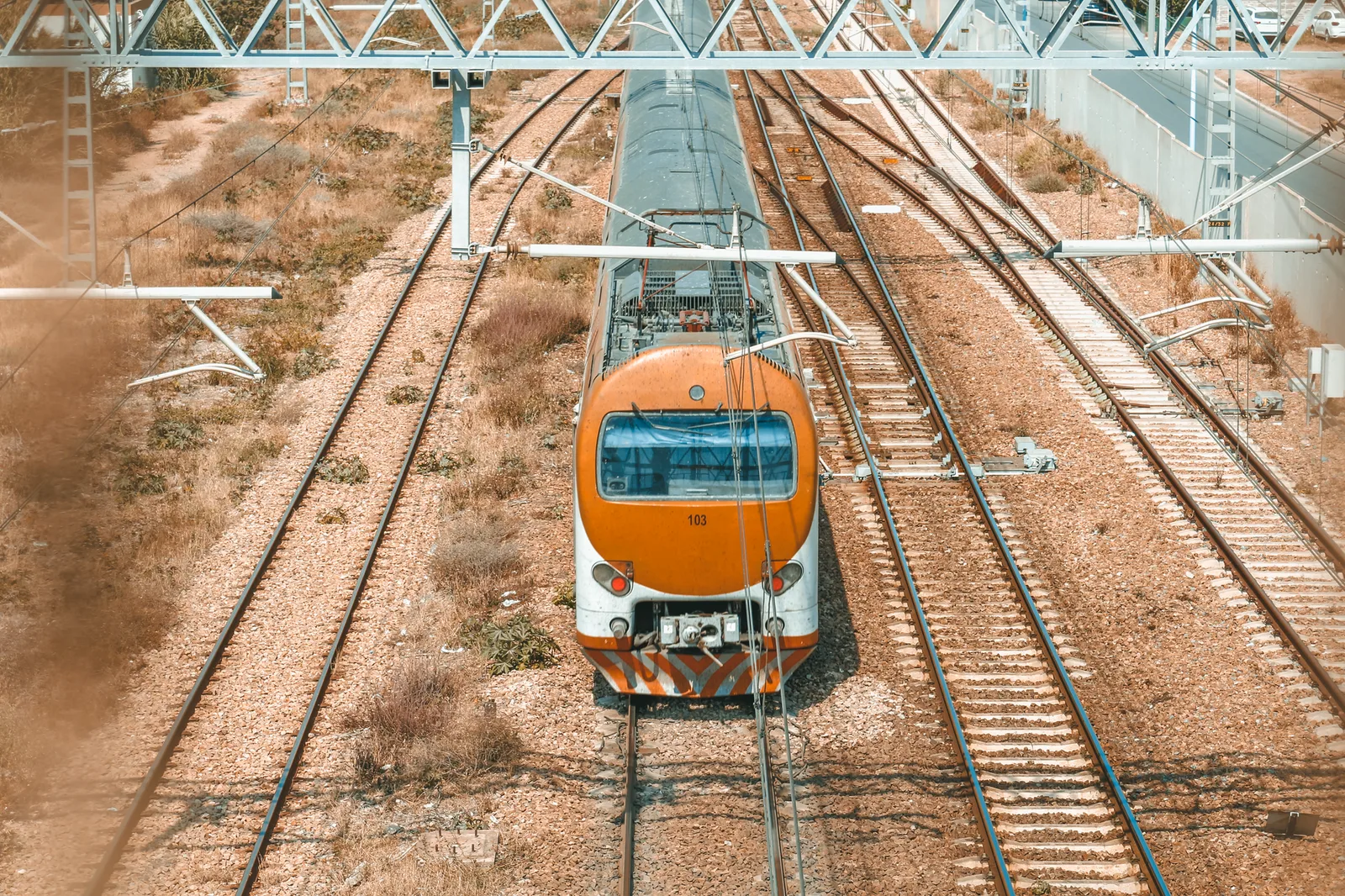
Morocco's trains are run by ONCF, and the network works as three systems in one. The high-speed Al Boraq line runs along the Atlantic north, long-distance Al Atlas trains cover the rest of the country, and short regional services fill in the towns around Casablanca, Rabat and Kenitra.
The main terminals are easy to remember. Al Boraq uses Tangier Ville, Kenitra, Rabat Agdal and Casa Voyageurs. Classic intercity trains begin or end at Casa Voyageurs, Marrakech and Fes. Casa Port, near Casablanca's old town, handles only local and airport trains, so it is not where you catch the fast service.
Almost all long-distance trains are air-conditioned and carry a refreshment trolley rather than a restaurant. For a broader comparison, our guide to getting around Morocco sets the train beside buses, drivers and domestic flights.
02. Al Boraq and where the high-speed line helps
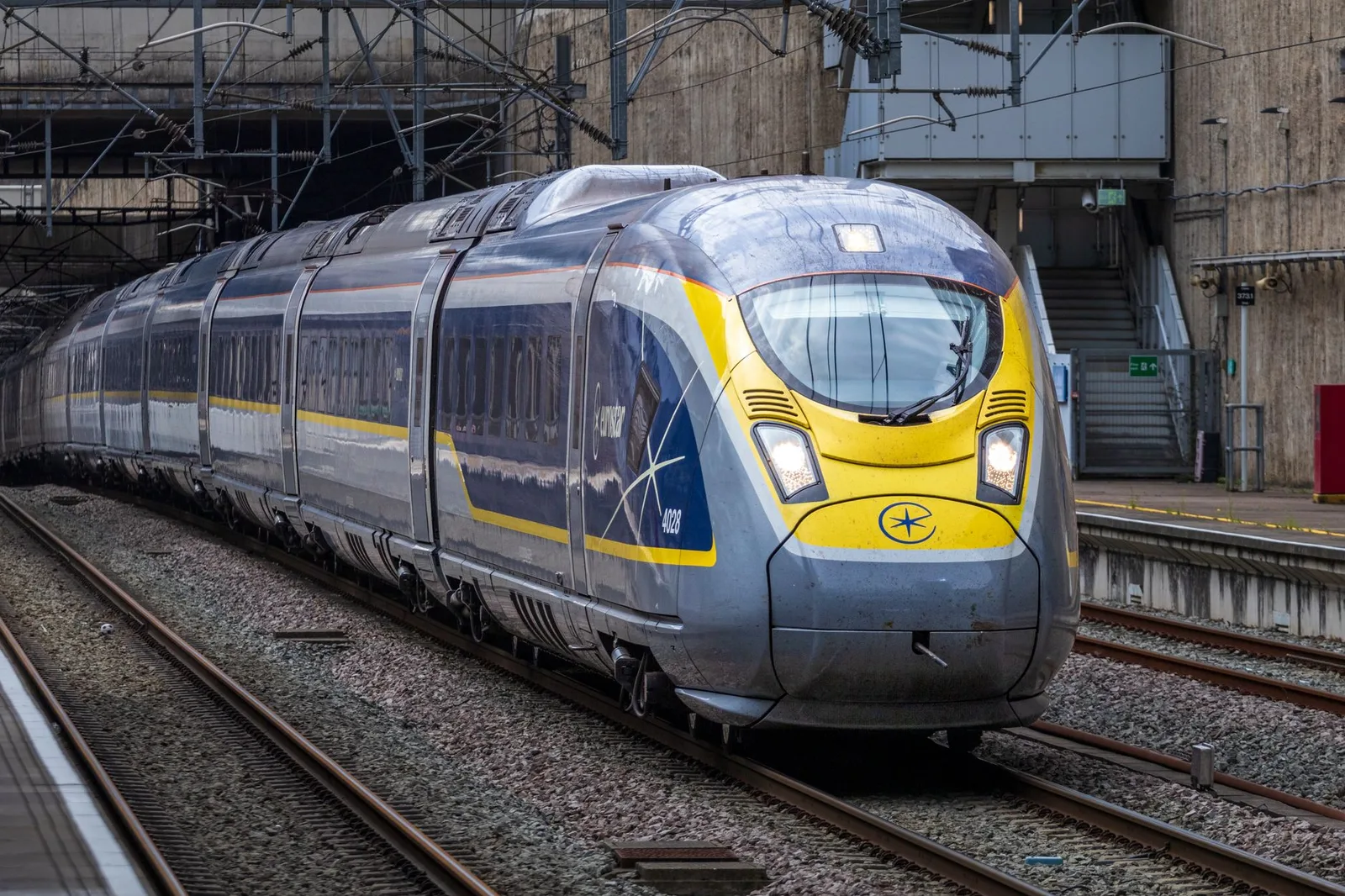
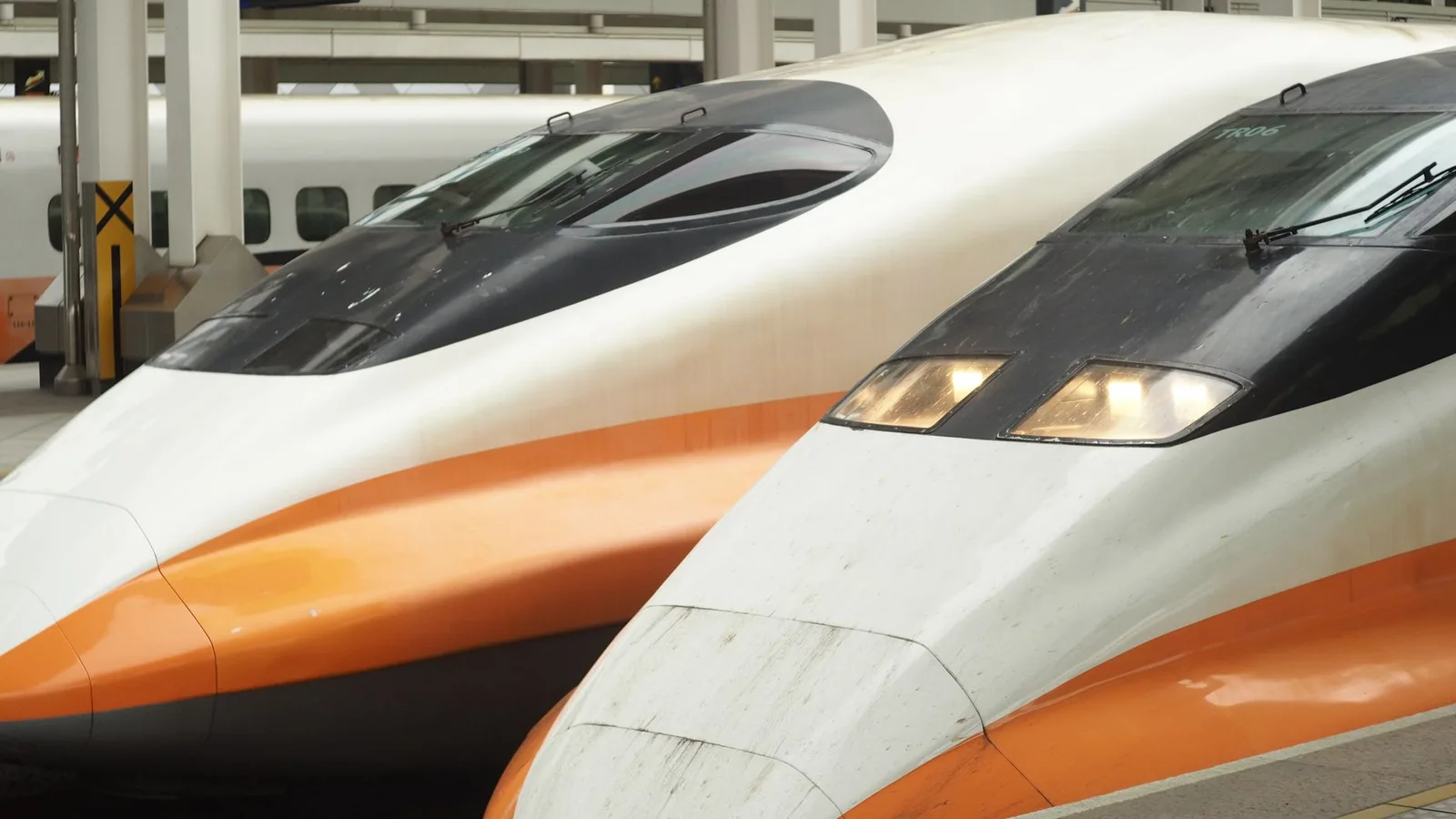
Al Boraq was Africa's first high-speed service when it opened in November 2018. On the dedicated Tangier to Kenitra section it reaches up to 320 km/h, then continues on upgraded track through Rabat to Casablanca. Tangier to Casablanca takes about 2 hours 10 minutes and Tangier to Rabat about 1 hour 20.
The gain is concentrated on that corridor. If your trip touches Tangier, Kenitra, Rabat or Casablanca, the train turns a tiring day of driving into a short, quiet journey that leaves you in the centre of town. Trains run roughly every hour or two through the day, and seats are reserved.
It is worth being clear about what Al Boraq does not do. Marrakech, Fes and Agadir are not on the high-speed line. They are reached by Al Atlas trains, which are comfortable but conventional. The Kenitra to Marrakech extension is under construction and not yet open.
03. The classic lines to Marrakech and Fes
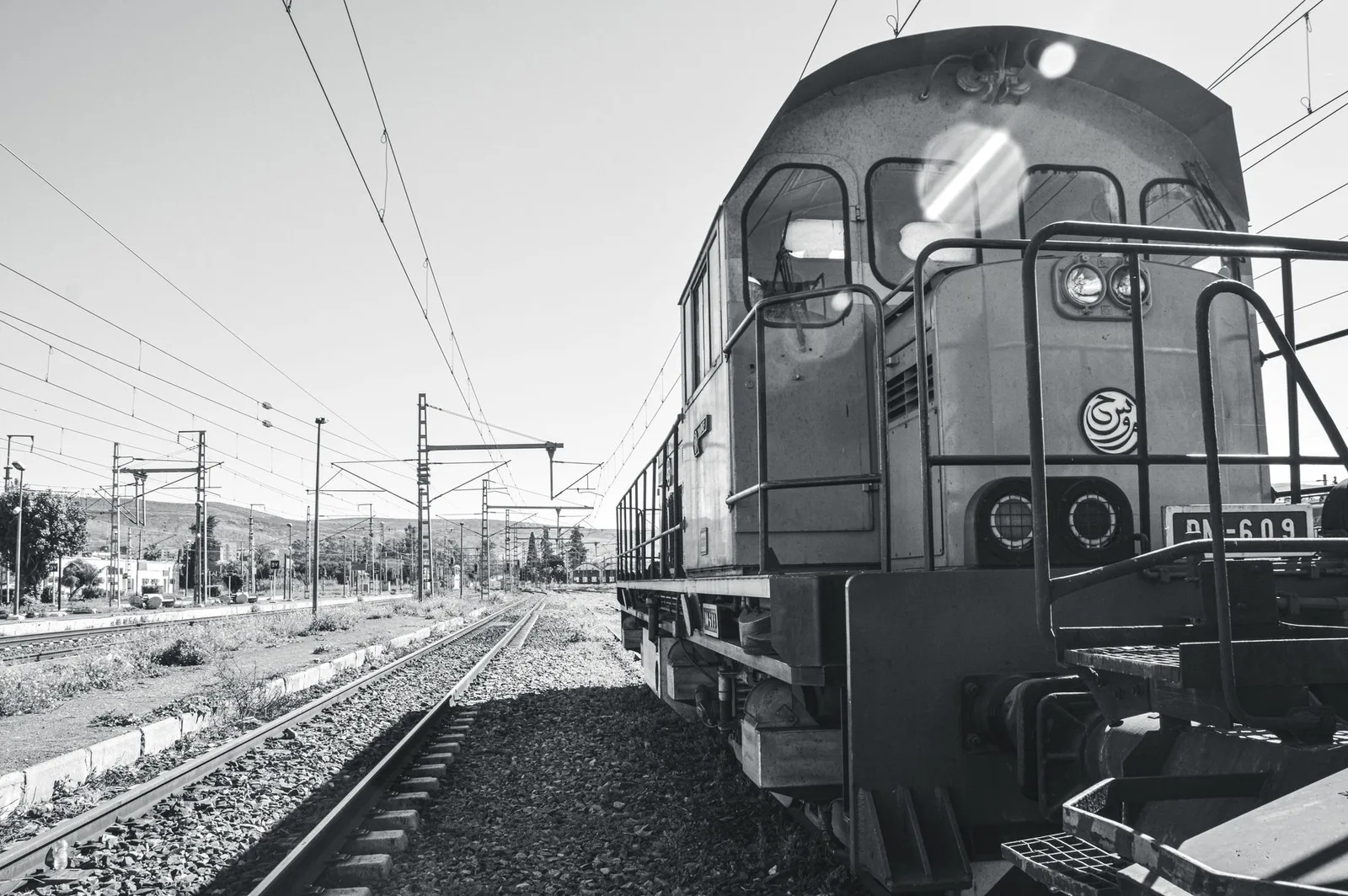
Most long-distance travel in Morocco happens on Al Atlas trains, and the timing is honest rather than glamorous. Casablanca to Marrakech takes roughly 2 hours 40 to 3 hours 20 depending on the service. Casablanca to Fes is about 4 hours, Fes to Tangier about 4 hours 30 to 5, and Rabat to Marrakech around 3 hours 30.
Direct runs are the ones to look for. Marrakech to Fes usually means changing at Casa Voyageurs, because the two cities sit on different branches. A single booking can cover both legs, but the connection itself is yours to make, so leave a comfortable margin rather than ten minutes.
Tangier to Marrakech follows the same pattern at a larger scale: Al Boraq to Casablanca, then a change for Marrakech, giving roughly 5 hours 30 to 6 hours 30 overall. None of it is difficult, but it rewards planning, and morning departures protect you if one leg runs late.
04. First class, second class and what you get
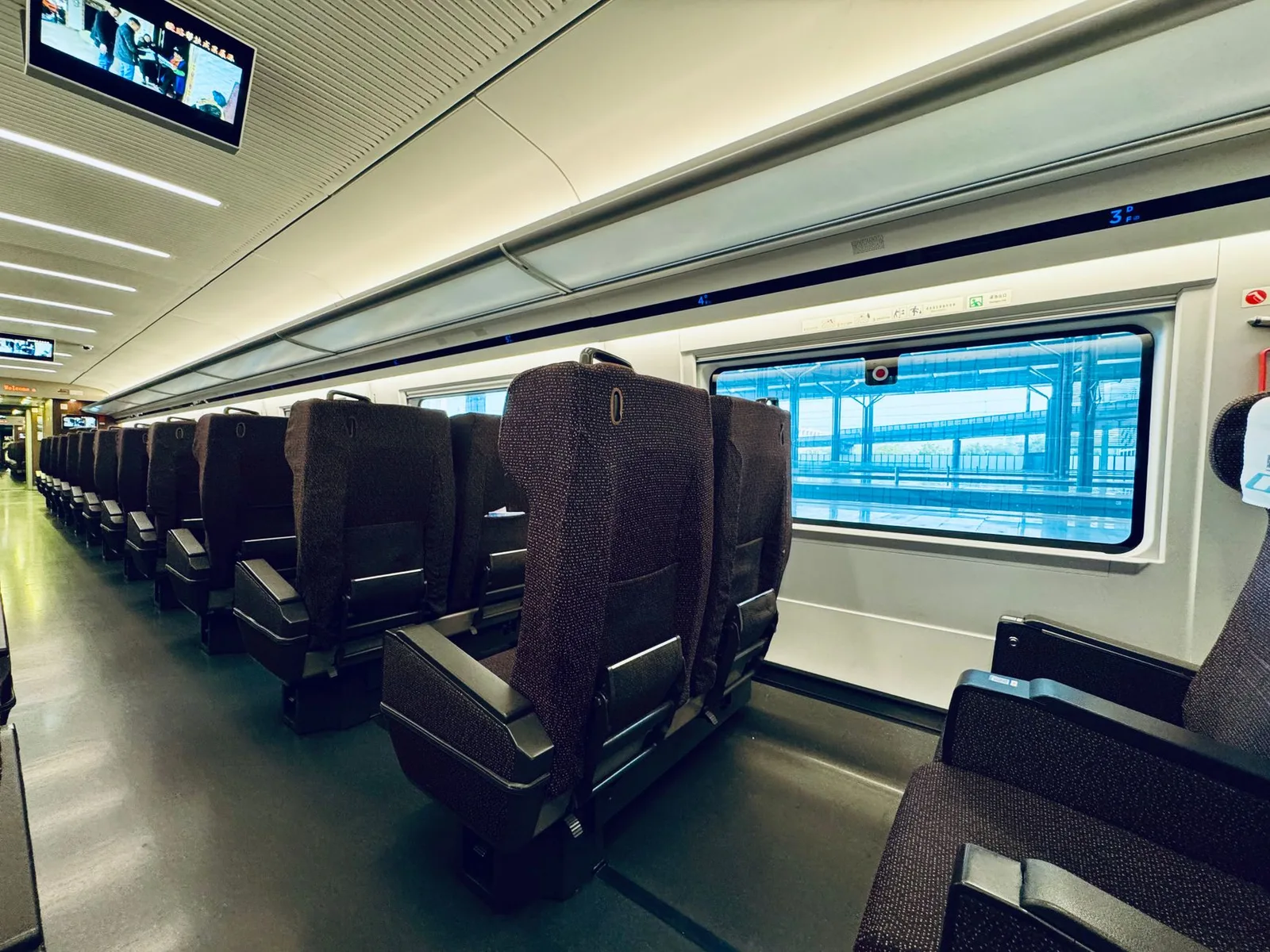
Both classes are perfectly usable, and the difference is comfort rather than access. Second class is the better value on short and medium hops. On Al Boraq it is already spacious and reserved; on busy regional trains it can be crowded, and a seat number is welcome.
First class buys more room, quieter carriages and easier storage for bags. On the longer routes, and especially the seven-hour Marrakech to Fes ride, the extra space is worth the modest supplement.
Reservation matters in both classes. On Al Boraq and Al Atlas trains a seat reservation is required, so a ticket is tied to a specific train, date and class rather than being usable on any departure. Arrive without one in peak season and you may be turned away.
05. Booking, prices and where to buy

The official channel is oncf-voyages.ma, which has an English interface and a mobile app. Tickets usually go on sale about three months ahead, and prices use dynamic pricing, so booking early and travelling outside peak hours costs less. Station counters work too, and staff are used to foreign travellers.
It is generally not possible to buy a ticket on board, and staff do check. Treat having a valid ticket before boarding as a rule rather than a preference. A QR e-ticket on your phone is accepted, but a photograph of a paper ticket is not the same thing.
Expect fares of roughly 90 to 170 dirhams in second class and 130 to 240 in first on the long intercity routes, with Al Boraq at the upper end and short regional hops well below. Prices move with demand, so check live prices as you book.
06. At the station: luggage, passport and boarding
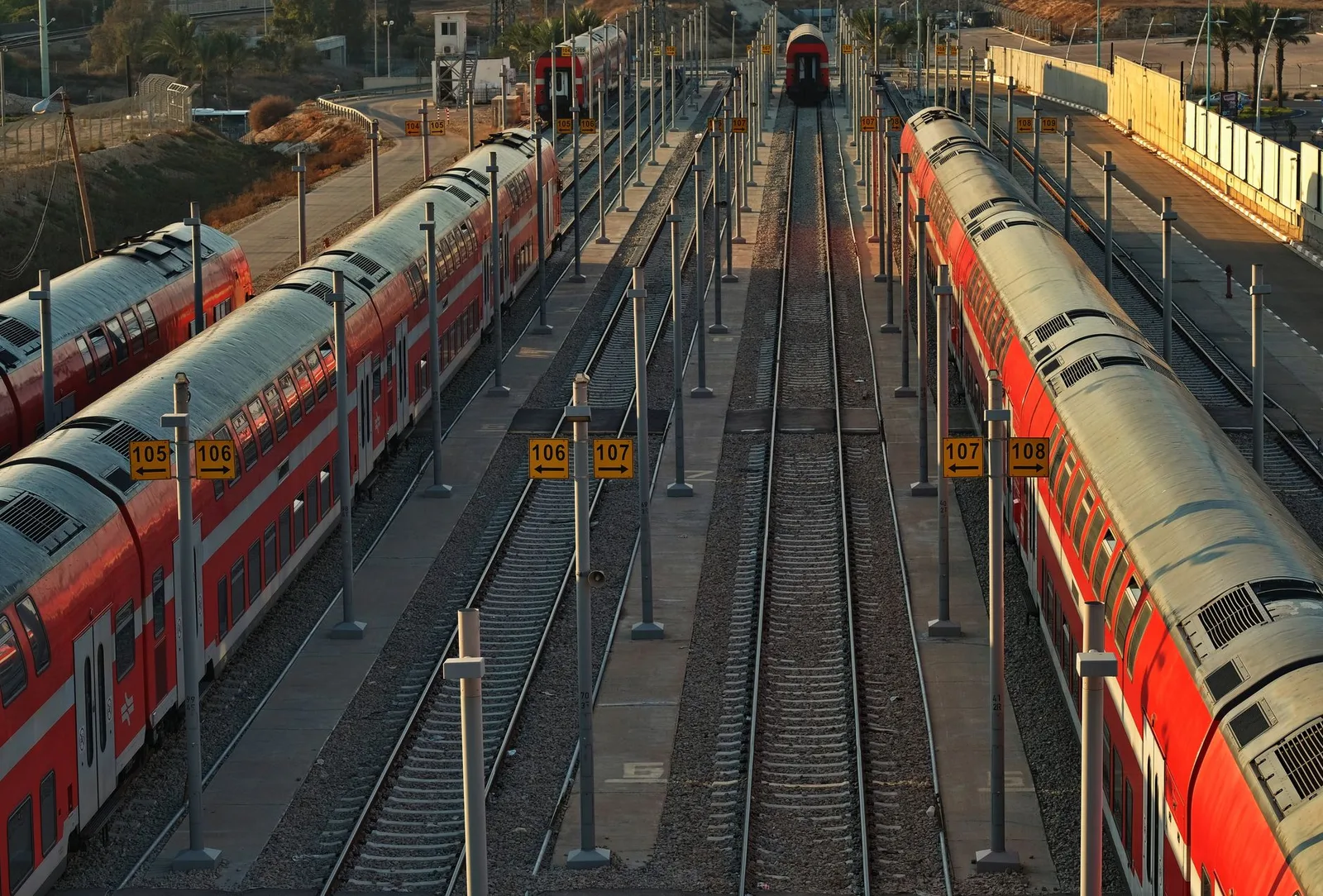
For most journeys your passport is all you need. A named e-ticket is checked against ID, so keep it with you throughout. Arrive with time to spare: ONCF closes access to the platform a couple of minutes before departure, and finding the right carriage takes longer than it sounds.
Luggage is generous by airline standards. Keep to one large suitcase and one smaller bag, at a weight you can lift yourself, since there is no porter service and bags go in overhead racks or at the carriage end. Very large items that block the aisle can be refused.
07. When a train beats a car or a driver
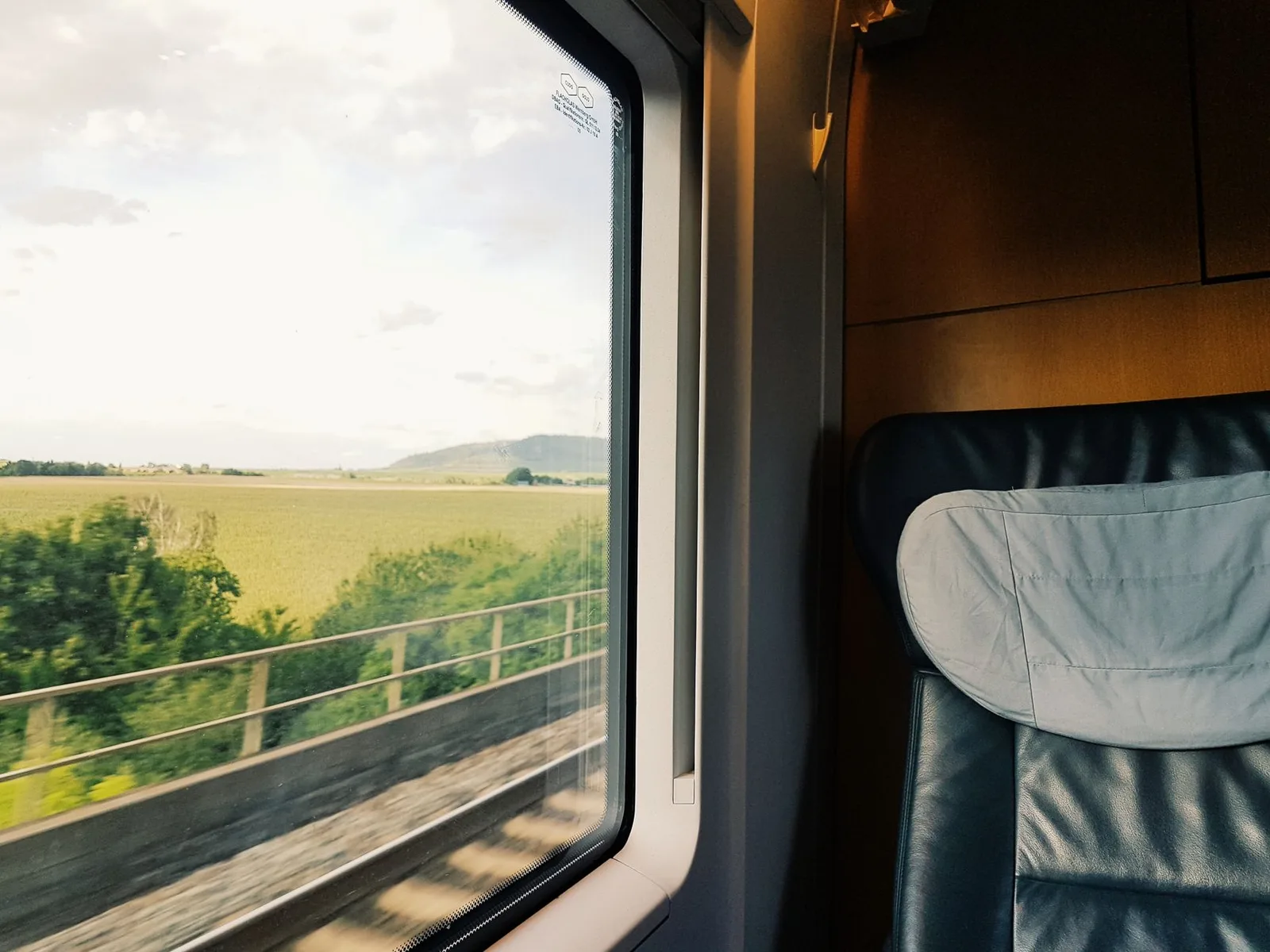
The train wins on the main corridor. It drops you in the centre of town rather than a car park, it is cheap, and it removes any question of driving into a medina or hunting for a space. Between Tangier, Rabat, Casablanca, Marrakech and Fes, it is the relaxed choice.
A car or a private driver wins wherever the rails do not reach: the Atlas passes, the desert at Merzouga, the southern coast, and any itinerary of small stops. Trains cannot be flagged down at a viewpoint, and some of the best of Morocco sits away from the line.
We build that combination into our Imperial Cities itinerary and our private-driver tours, with station transfers and flexible days so the train handles the long runs while a car handles the scenery in between. Tell us which cities you are set on and we will suggest where the rails stop being the easy answer.
Frequently Asked Questions
Is there a high-speed train to Marrakech or Fes?
No. Al Boraq serves Tangier, Kenitra, Rabat and Casablanca. Marrakech and Fes use conventional Al Atlas trains, and Marrakech to Fes usually needs a change at Casa Voyageurs.
How long is the high-speed train from Tangier to Casablanca?
About 2 hours 10 minutes, with seats reserved. Tangier to Rabat takes roughly 1 hour 20. Trains run through the day, usually every hour or two.
Do I need to reserve a seat?
Yes on Al Boraq and Al Atlas trains; reservation is required in both classes. Your ticket is tied to a specific train and date, so plan ahead, especially at weekends and in high season.
Can I buy a ticket on board?
Generally no. Buy before you board at oncf-voyages.ma, on the ONCF app or at a station counter, and keep your passport with you for the ID check.
How much luggage can I take?
There is no strict weighing, but plan on one large suitcase and one bag you can handle alone. There is no porter service, and items blocking the aisle can be refused.
Is the train better than hiring a car?
For Tangier, Rabat, Casablanca, Marrakech and Fes, usually yes. For the Atlas, the desert and smaller stops, a car or a private driver is far more practical.
More Morocco tours
8 Days
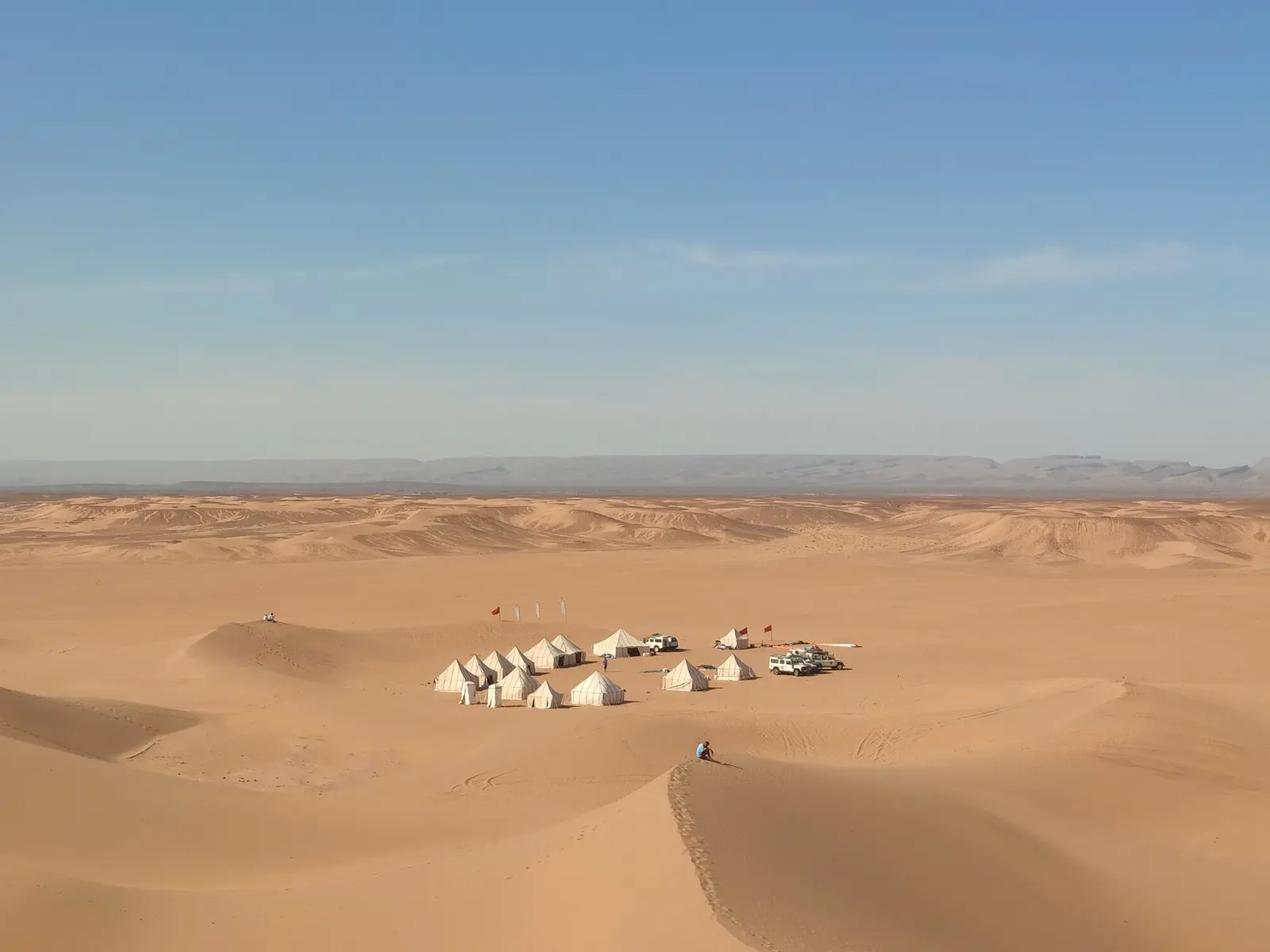
8-Day Yoga & Desert Journey in Erg Chigaga
Eight days from Marrakech to a fixed nomadic camp in the dunes of Erg Chigaga: gentle treks with a support 4x4, daily yoga in the open, and five nights at the rhythm of the Sahara without moving camp.
7 Days
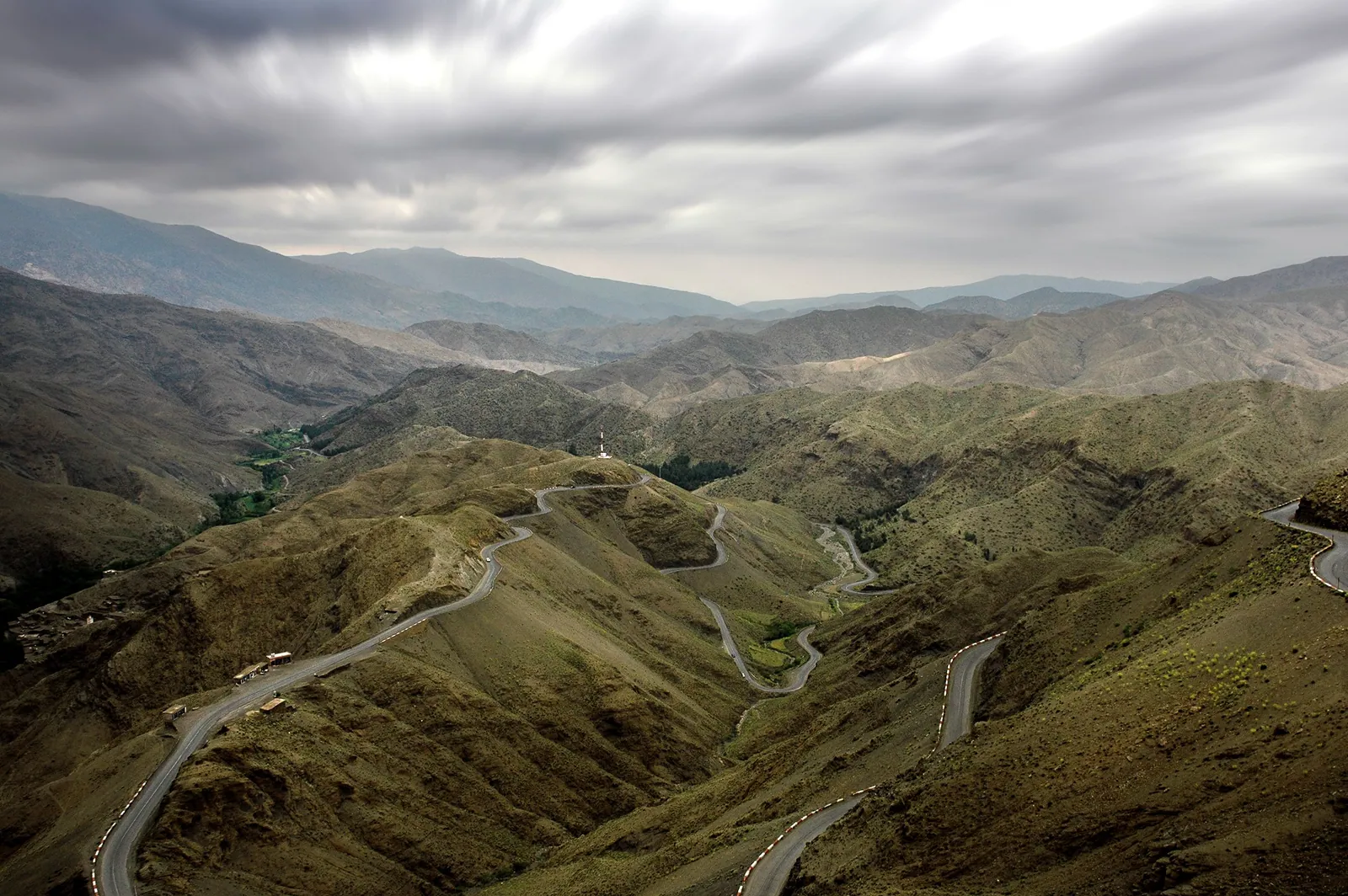
7-Day Morocco Tour: Casablanca to Marrakech
A week from Casablanca to Marrakech through royal cities, mountain passes, ksar country and the Sahara. The most driving of the seven-day options — and on this one the drive is half the point.
14 Days
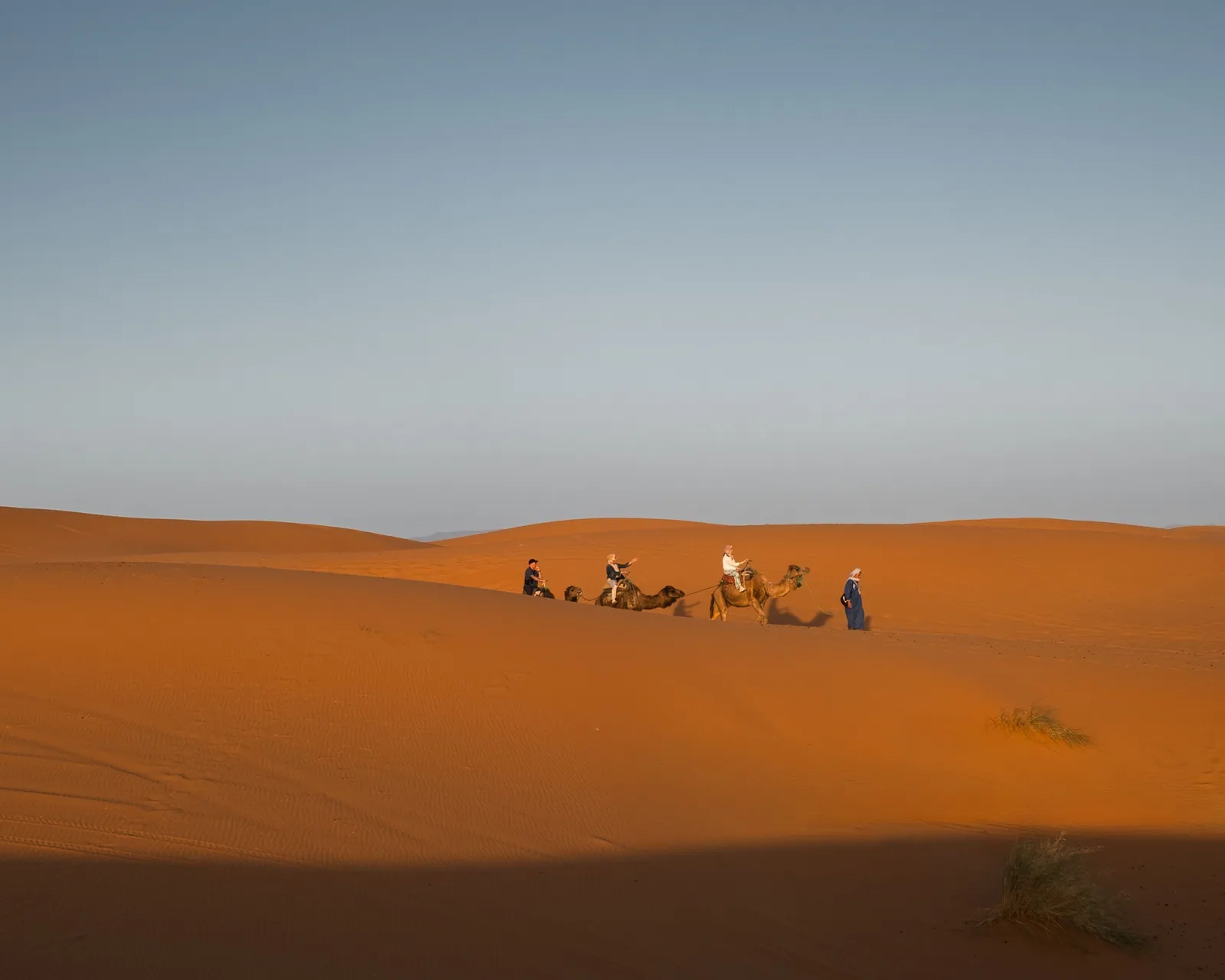
14-Day Morocco Itinerary for First-Time Visitors
Two weeks for a first visit: imperial cities, mountains and sand, with enough days between them that nothing is hurried. Fourteen is the length at which Morocco stops feeling like a tour and starts feeling like a trip.
Related Guides
Imperial Cities Itinerary: Marrakech, Fes, Meknes and Rabat
A practical 7 to 8 day itinerary through Morocco's four imperial cities — Marrakech, Fes, Meknes and Rabat — plus the Roman site of Volubilis, with train and private-car logistics.
Morocco Transport Guide: Trains, Buses, Taxis and Private Drivers
Learn how to travel around Morocco by train, bus, taxi, rental car and private driver, with practical advice on routes, tickets, luggage and desert travel.
14-Day Morocco Itinerary: Cities, Atlas and Sahara
A practical 14-day Morocco itinerary linking Marrakech, the High Atlas, the Merzouga dunes, Fes, Chefchaouen and the Atlantic coast, with realistic driving times.
Liked this guide?
Give it a like on Instagram and tag us from your Moroccan adventure.
Plan a rail-and-driver trip with us
Our Marrakech-based team of local experts designs tailor-made Morocco trips around your dates, budget and travel style.
Request a Quote