Almost everything in a Moroccan souk is negotiable, and the price on the tag is an opening position, not a price. The rules take ten minutes to learn.
01. Why haggling is the system, not a scam
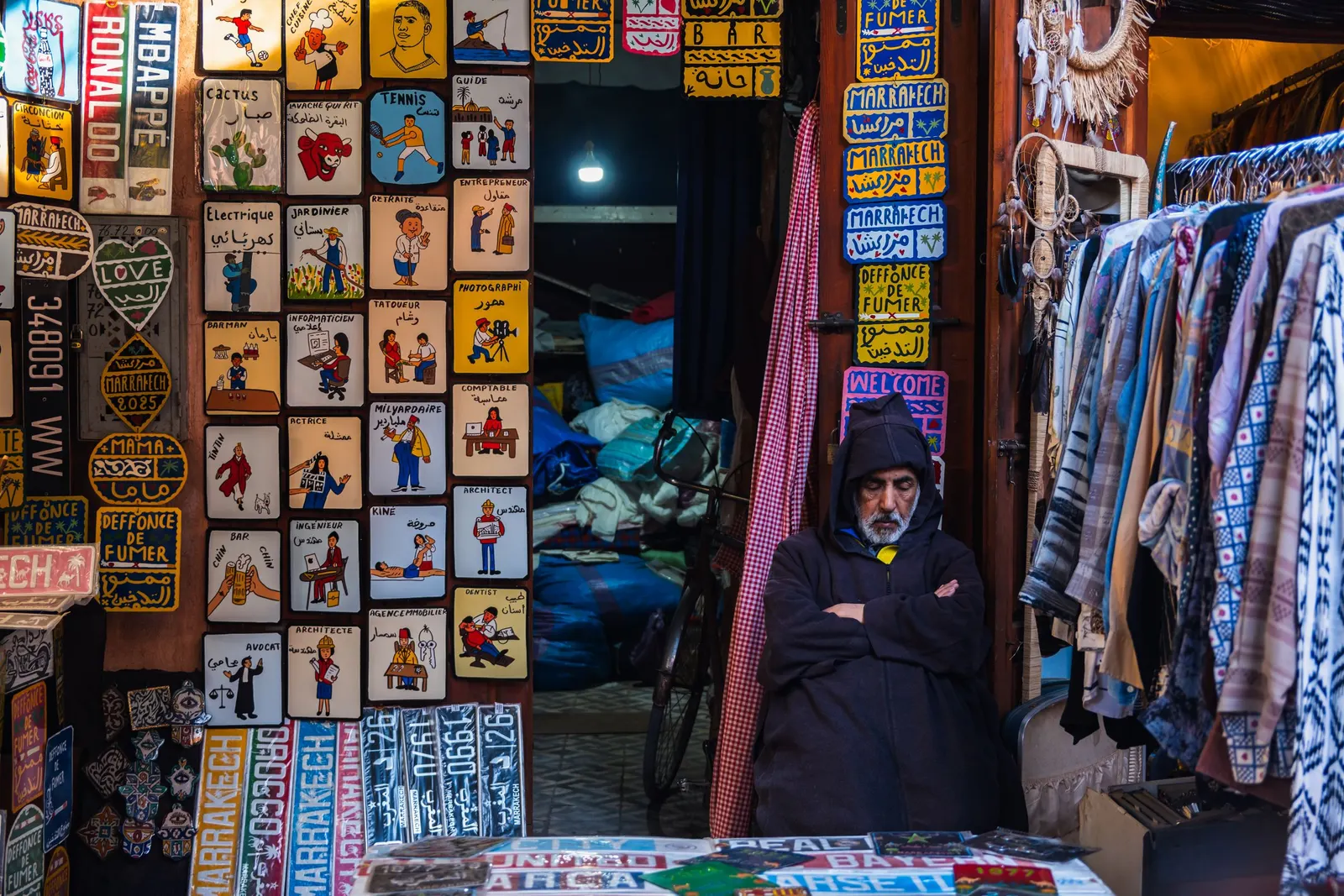
Fixed pricing in Moroccan retail is the exception, not the rule. The souk economy runs on negotiation, and a seller who lets you walk out at the first price is doing his job badly; a buyer who pays the first number quoted is doing theirs badly. Nobody expects you to accept the opening price.
Treating the whole process as adversarial is the fastest way to make it unpleasant for both sides. There is a real line, though, between a fair negotiation and being gouged — and knowing roughly what an item should cost is the only thing that keeps you on the right side of it.
02. How a souk transaction actually runs
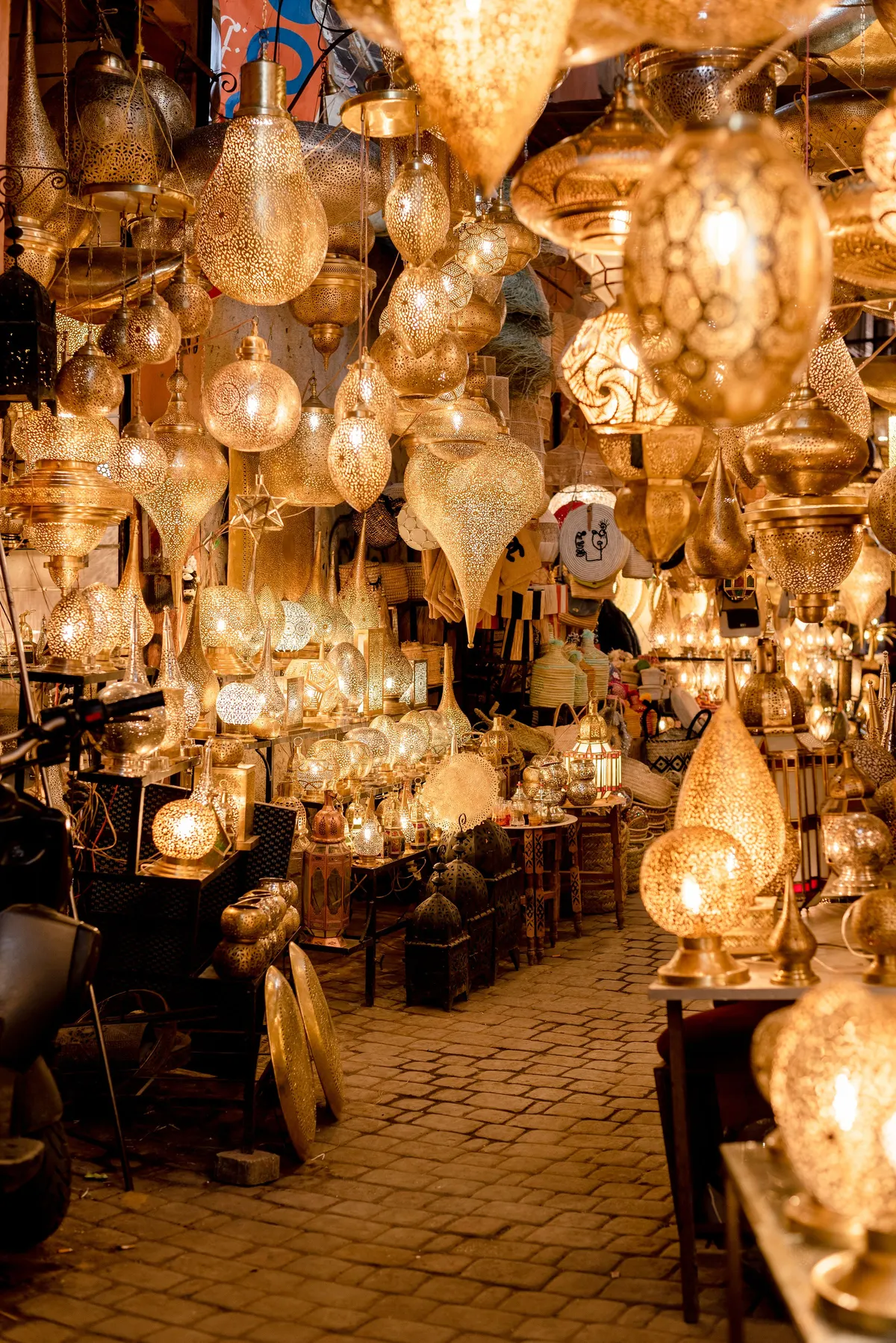
You spot something, and you are allowed to look, ask the price and not buy — walking past a stall is not a commitment. Then you ask bshhal, how much, and the seller names a price in dirhams, usually inflated two to four times for tourists.
You counter low: the accepted opening counter is roughly one-third to one-half of the asking price, said with a friendly shrug. Then the dance — he drops, you rise, in decreasing steps. The gaps close fastest in the middle and slowest at the end.
For larger purchases, being invited to sit and drink mint tea is not a trap; it is how serious business is done here. It also slows you down — enjoy it, but do not let the hospitality pressure you into a price you did not want to pay.
The close: either you meet on a number, or you thank him with shukran, bla malek, and walk. If the number was real, half the time he calls you back. If he does not, the number was never real. The walk-away is the whole mechanism — a price you accept without ever moving toward the door had room below it, and leaving is part of the negotiation, not an insult, provided you smiled first.
03. What things should actually cost
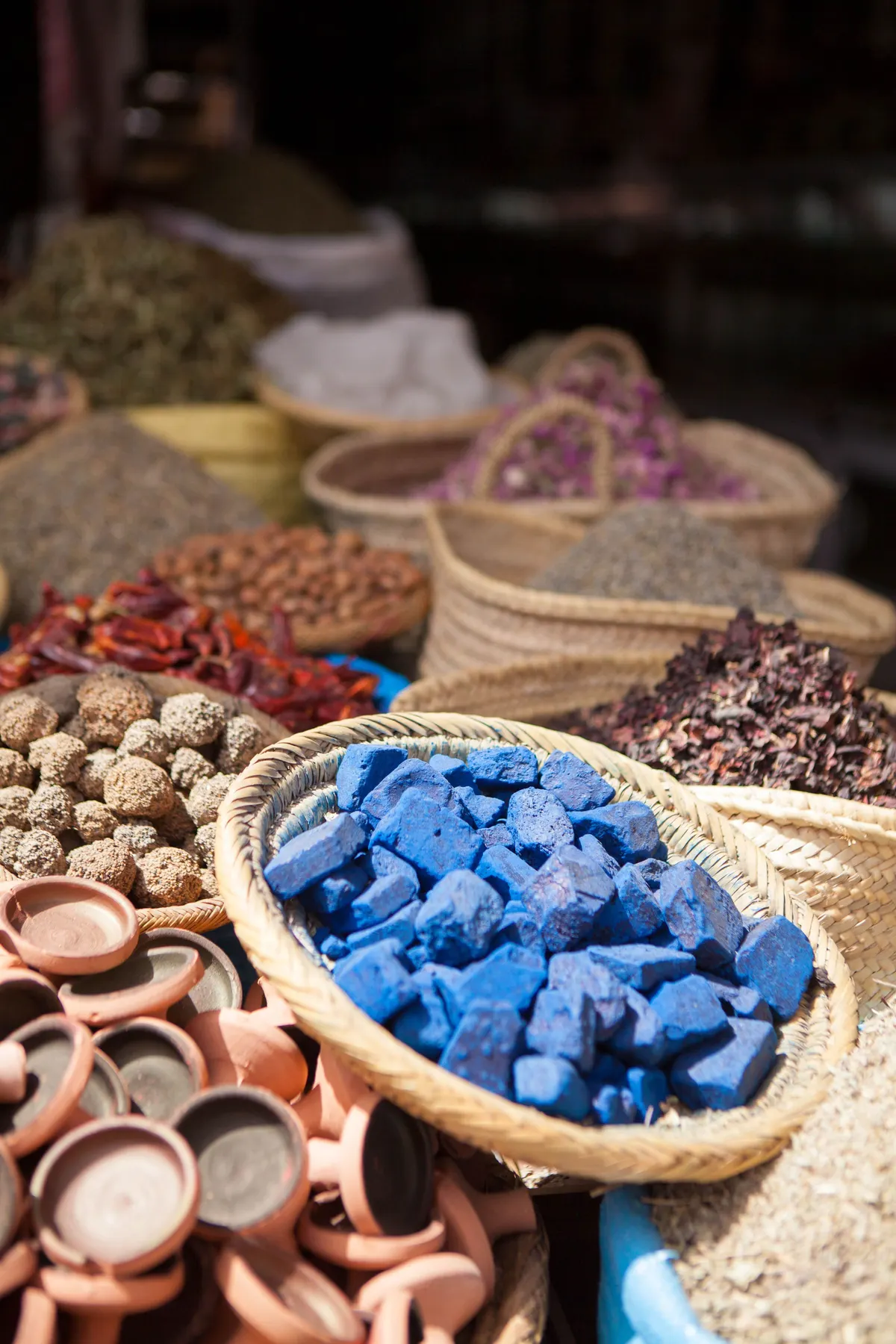
Prices move, and quality varies wildly, but these ranges keep you inside fair territory for common tourist goods in Marrakech and Fes medinas. Treat them as ballparks, not guarantees.
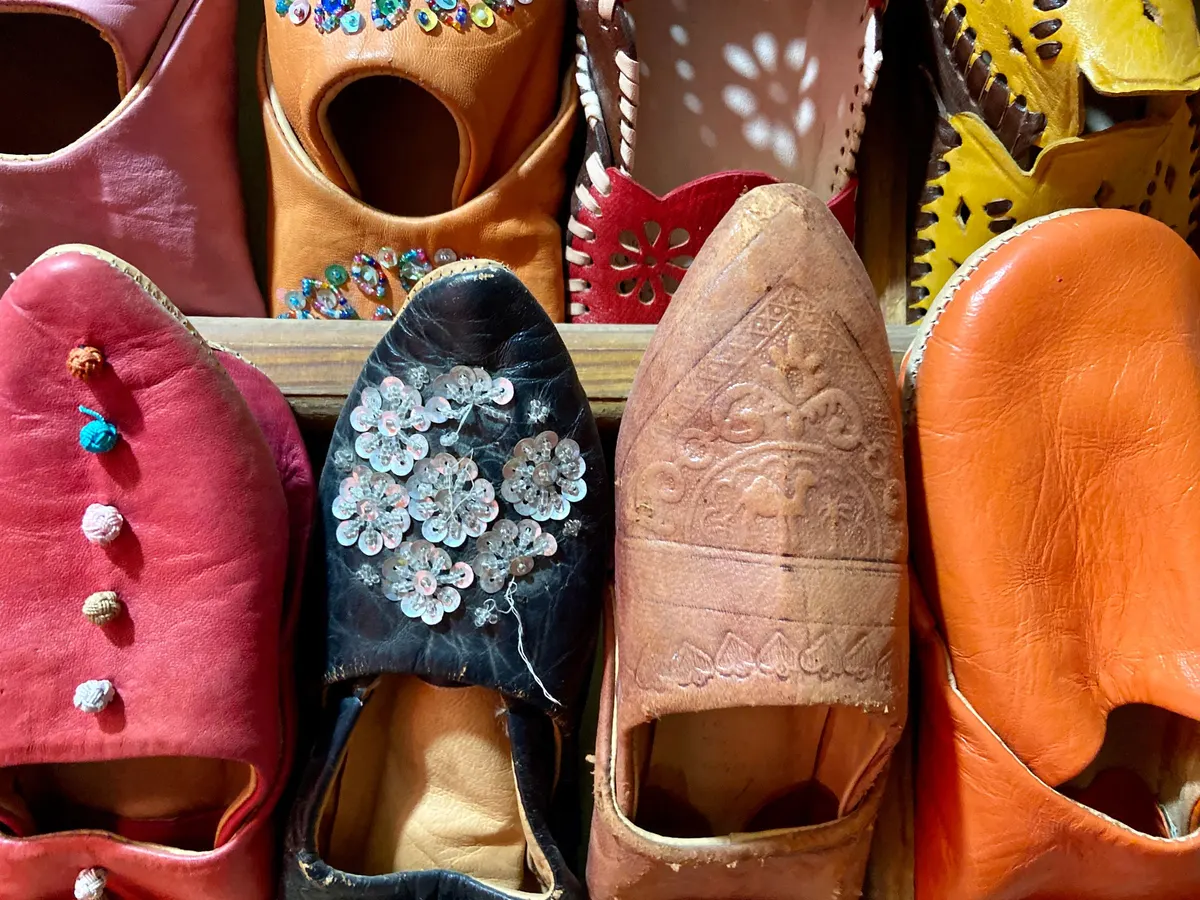
Babouche leather slippers, hand-made, run 150 to 350 MAD; the stall beside Jemaa el-Fna quoting 600 is quoting the tourist number. A leather bag or backpack runs 400 to 1,000 MAD depending on size and leather quality, and genuine-leather claims are unverifiable — judge by smell and stitching.
Lanterns: small brass 80 to 150 MAD, large 300 to 800 MAD, and heavier is usually better made. Argan oil, cosmetic and 100 ml, runs 60 to 120 MAD from a women's cooperative stall; food-grade argan costs more and should smell toasted, not rancid. Ras el hanout blend is 40 to 80 MAD per small tin, and saffron from Taliouine is a separate purchase at 20 to 50 MAD for a small packet of threads.
Rugs are the hardest category. A small Beni Ourain-style piece starts around 1,500 to 3,000 MAD; large hand-knotted pieces run 5,000 to 20,000 and up. A hundred-year-old tribal rug for 800 MAD is not a hundred-year-old tribal rug. Buy rugs from cooperative shops or galleries where provenance is written down, not from a stall you found ten minutes after arriving.
Tajine pots run 60 to 150 MAD painted, though the giant decorative ones are heavy and fragile — check airline baggage limits first. And on metalwork, glass and ceramics, fair pricing is genuinely hard to eyeball; ask a second stall what they would charge for the same item, which is a normal and accepted move.
04. When not to bargain
Not every transaction is a souk transaction, and forcing the dance where it does not apply makes you look bad. Government-recognized artisan cooperatives — argan oil cooperatives run by women's associations, some carpet cooperatives — often operate fixed prices, because the point of buying there is that the makers get the margin. Ask once whether the price is fixed, and if yes, pay it.
Pharmacies, petrol stations, supermarket items, restaurant bills and taxi fares with a working meter are not negotiable. Taxi fares are negotiable only when the meter is off — better, insist on the meter and skip the argument.
Very small purchases, too: haggling a 10-MAD bottle of water down by 2 MAD wastes both your time and the seller's goodwill. The dance starts being worth it above roughly 50 to 100 MAD. And tips and services with a fixed custom — café bills, guides, attendants — follow tipping norms, not bargaining norms.
05. The guilt problem, addressed
Many travelers report feeling bad about haggling over amounts that are, by their standards, tiny — 50 MAD is about 5 EUR. Two things are true at once: the seller needs the sale more than you do, and the inflated opening price already accounts for your haggling. The seller who lets a bag go for 450 MAD after asking 900 has still made a fair profit; he did not lose 450 MAD on the transaction. You are not robbing anyone by negotiating — you are participating in the local system at the level it is designed for.
Where the guilt is legitimate: demanding rock-bottom prices from a maker selling his own work in a village, or haggling a women's cooperative over argan oil priced at 60 MAD. The extreme low-end fight belongs to the tourist-trap stalls, not the artisans. Direct your haggling energy accordingly.
06. Scams and pressure tactics to recognize
The scams guide covers the full list; these are the ones that hook onto bargaining specifically. The free demonstration: a henna artist or guide who starts work unprompted and then demands payment — it was never free, and nothing is free.
The friend-of-a-friend workshop: a tout steers you to a leather or carpet workshop with a commission deal running in the background. Genuine workshops exist, but the touts' version is a showroom with a markup that pays their cut.
The disappearing stall: pay a deposit for an item to be made and collected later, and the stall cannot be found again. Pre-pay nothing in the souk; pay on collection, in cash, at the same stall. And the second-price game — quoting one price to you and a different one to your driver who translates — disappears entirely if you buy without a middleman, because the SIM card and phone translator fix most of the language gap.
07. Practical rules that make it painless
Carry small notes: a 500-MAD note at the moment of agreement invites a no-change theater, so keep 20s and 50s handy. Agree the price before the item is wrapped — two hundred for this one, yes — then watch it get wrapped, because post-agreement add-ons like delivery or a special box are negotiable separately.
Do not name-drop your budget: how much do you want to spend is a question with only one wrong answer, and you should never reveal your ceiling. Silence works after a counter-offer; let quiet do the work, because the first person to fill it usually concedes ground.
Price the same item at three stalls, then go back to the cheapest — fifteen minutes of walking saves more than an hour of haggling. And walk away smiling: shukran, bla malek, and a genuine smile keep the door open for the seller to call you back, and keep your day pleasant if he does not.
Frequently Asked Questions
How much should I haggle in a Moroccan souk?
Start around one-third to one-half of the asking price and negotiate from there — most tourist goods carry an opening markup of two to four times. For items above 100 MAD, expect a real back-and-forth; below that, the savings rarely justify the time. Walk-away prices are the seller's real floor more often than not.
Is it rude to haggle in Morocco?
No — haggling is the expected system in souks and markets, not an exception. Fixed pricing applies in cooperatives, shops with marked prices, and everyday purchases like water and taxis. Refusing to bargain in a souk is not politeness; it is buying at the tourist price.
What is a fair price for a Moroccan leather bag?
A medium hand-made leather bag runs roughly 400 to 1,000 MAD in the Marrakech or Fes medinas, depending on size and leather. Quotations several times higher are tourist prices with room to negotiate. Judge leather by smell and stitching, not by the seller's story about the tannery.
Should I buy a rug in the souk?
It is the one category where we recommend skipping the stall entirely. Genuine hand-knotted rugs start around 1,500 MAD for small pieces and run into five figures for large ones; provenance matters and is usually only documented at cooperative shops and galleries. If a stall sells you an ancient tribal rug for a few hundred dirhams, it is neither ancient nor tribal.
What do I do if I regret a purchase?
In a fair souk transaction, once you have agreed and paid, the deal is done — there is no cooling-off period and asking for a refund afterwards will not land well, which is exactly why the price-agreement-before-wrapping rule exists. If an item is faulty or broken in a way not visible at purchase, bring it back the same day with your receipt and the stall number; reasonable stalls will exchange.
More Morocco tours
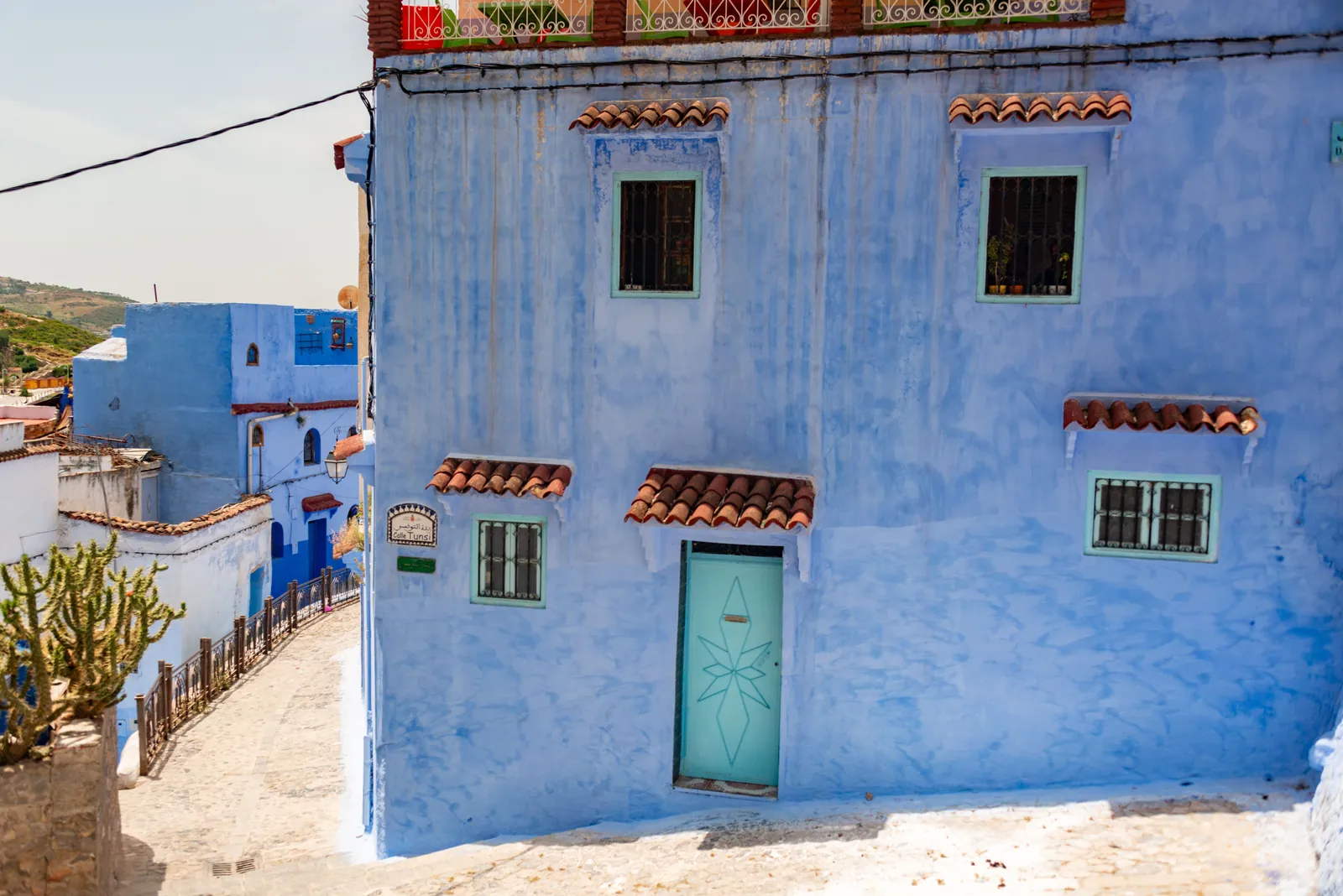
Blue City
Chefchaouen Day Trip
Chefchaouen is up in the Rif, north of Fes, and almost all of it is blue — walls, steps, doorways. A long drive to a town you walk slowly in, for one good afternoon.

10 Days
10-Day Erg Chigaga Desert Trekking Tour from Marrakech
Explore Morocco on a 10-day Erg Chigaga desert trekking tour from Marrakech via Tagounite, Casa Juan, the Draa Valley and Irocha Guest House in Tisselday.
12 Days
12-Day Cultural Tour of Morocco
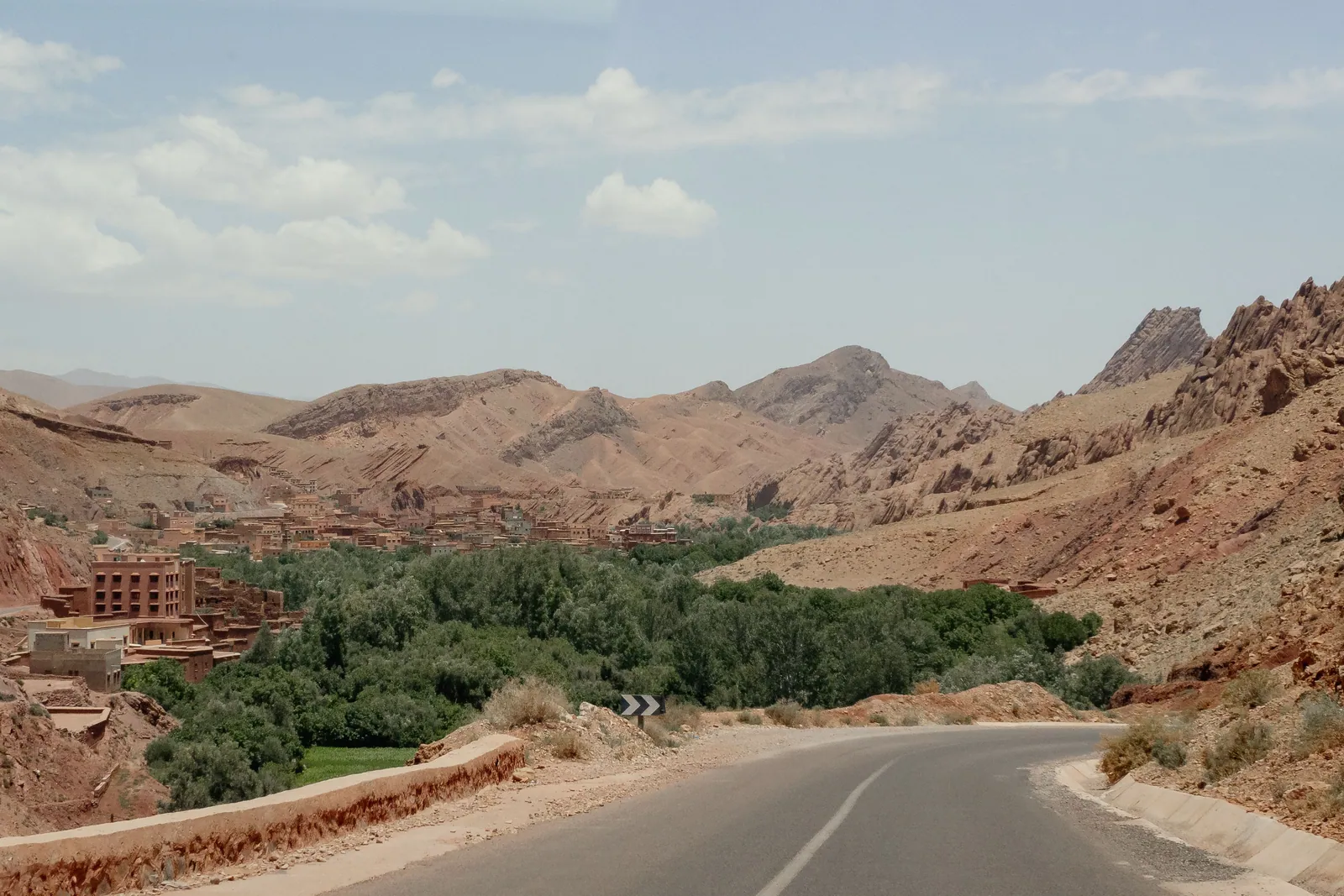
Twelve days from the Sahara to the Atlantic and up into the Rif — the widest spread on this list. Take it if this is your only trip: you see it once, not half of it twice.
Related Guides
Ferry From Spain to Morocco: Algeciras, Tarifa and Tangier Med Explained
A practical guide to the Spain–Morocco ferries — Tarifa vs Algeciras, Tangier Med vs the city port, vehicle rules, passport control, booking advice and how the crossing fits a Morocco road trip.
Morocco SIM Cards and Mobile Data: IAM, Orange and inwi Compared
Everything about getting mobile data in Morocco — which operator covers the desert and mountains, SIM registration rules, realistic prices, eSIM options, Wi-Fi reality and how to avoid tourist data traps.
The Moroccan Hammam: Public Baths, Private Spas and What to Expect
A practical first-timer's guide to the Moroccan hammam — how public bathhouses work, what the scrub involves, what to bring, prices, etiquette and how a tourist hammam differs from a neighborhood one.
Liked this guide?
Give it a like on Instagram and tag us from your Moroccan adventure.
Send us your souk shopping list — we will tell you what each line should cost
Our Marrakech-based team of local experts designs tailor-made Morocco trips around your dates, budget and travel style.
Request a Quote