

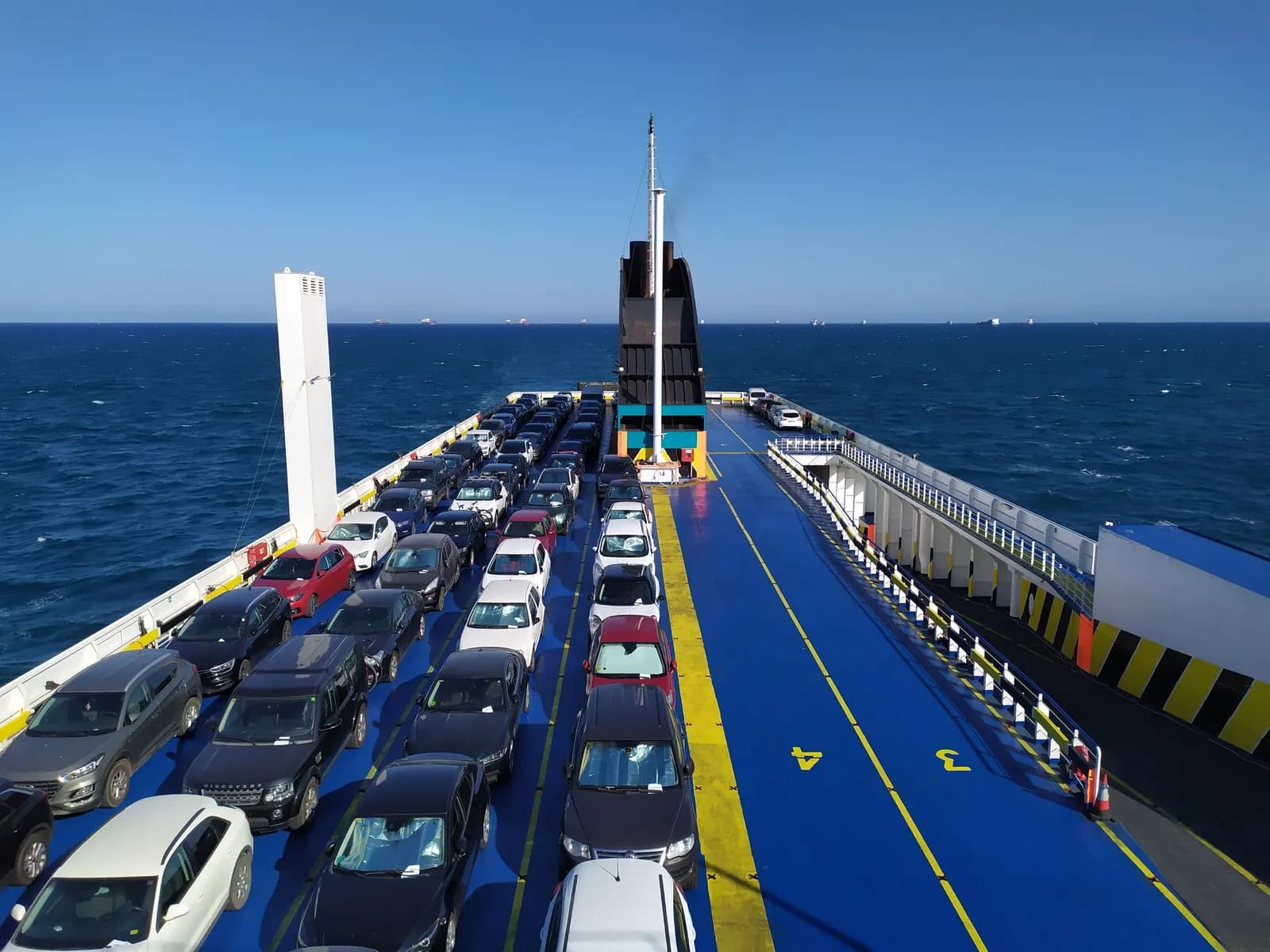
At the Strait's narrowest, Europe and Africa sit 14 km apart, and the ferry covers it in about an hour. Two Spanish ports, two Tangier ports 40 km apart — booking the wrong combination costs a day.
01. The two Spanish ports, and why it matters
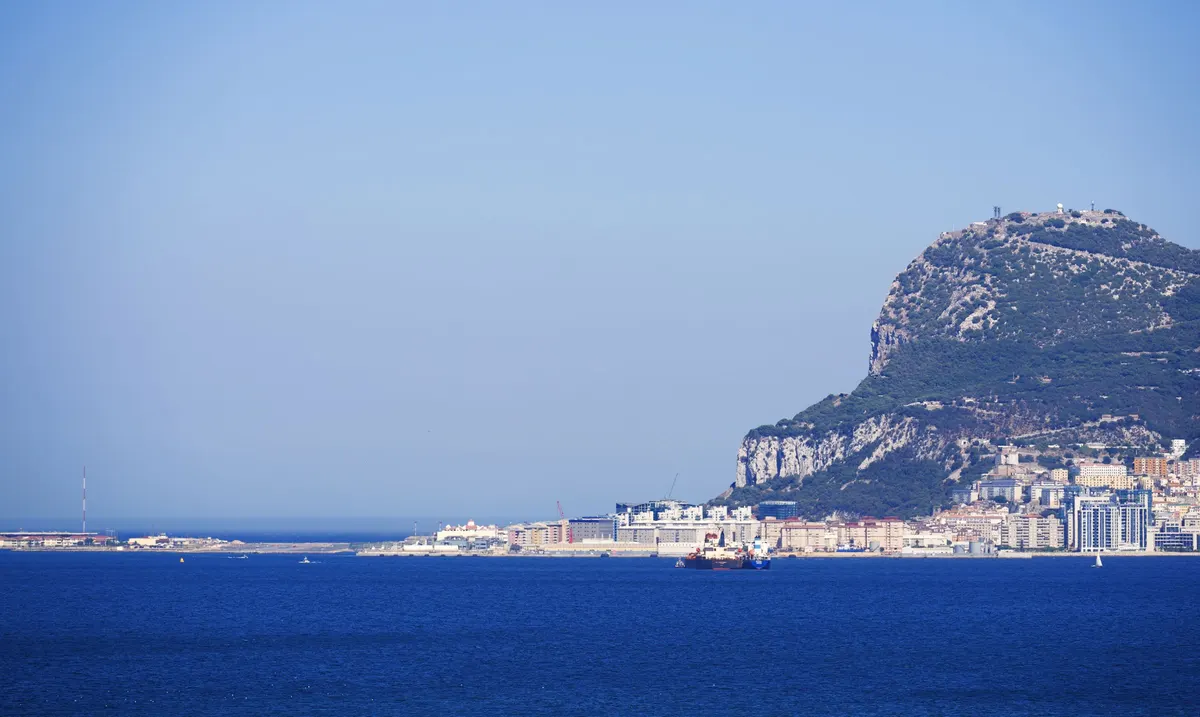
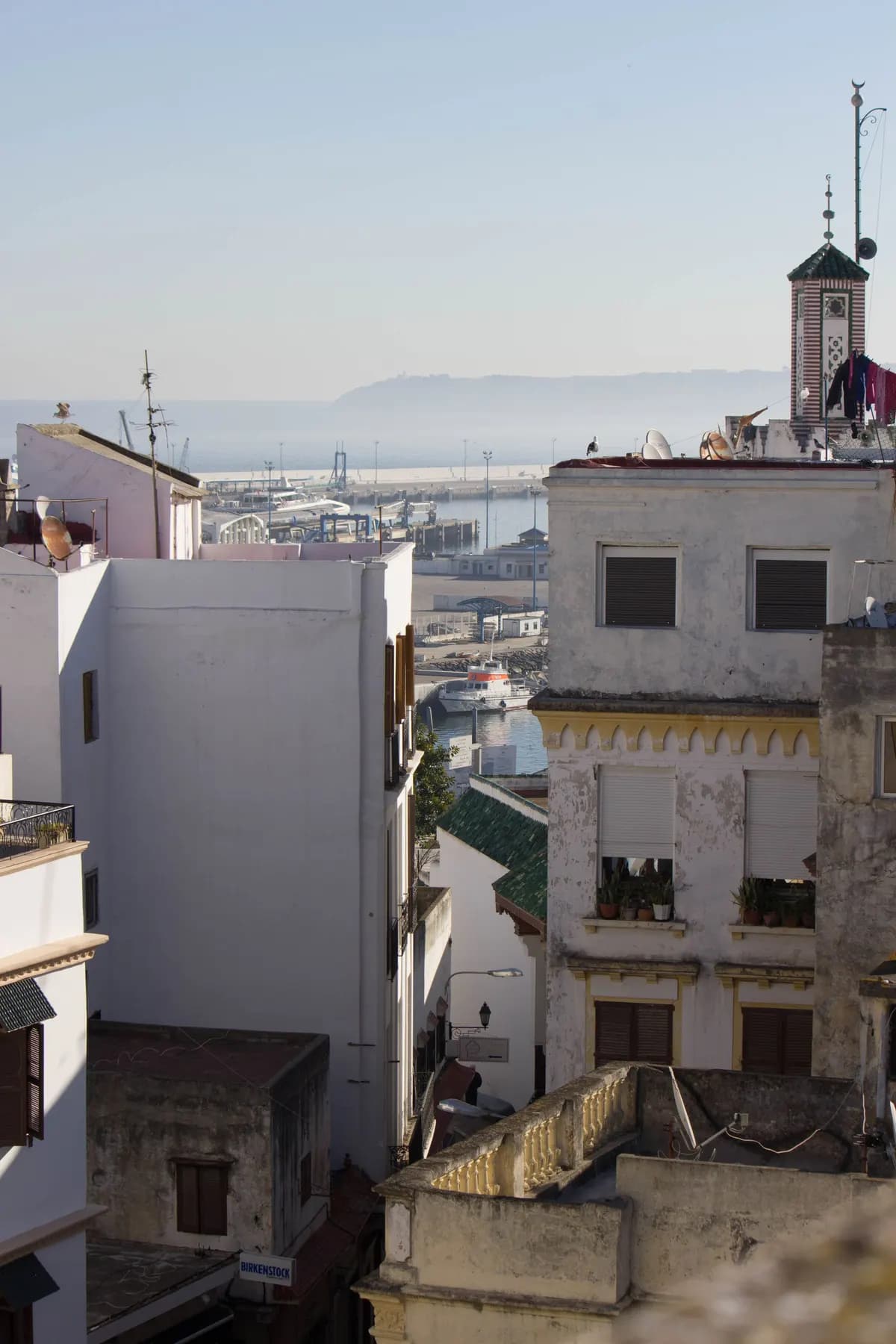
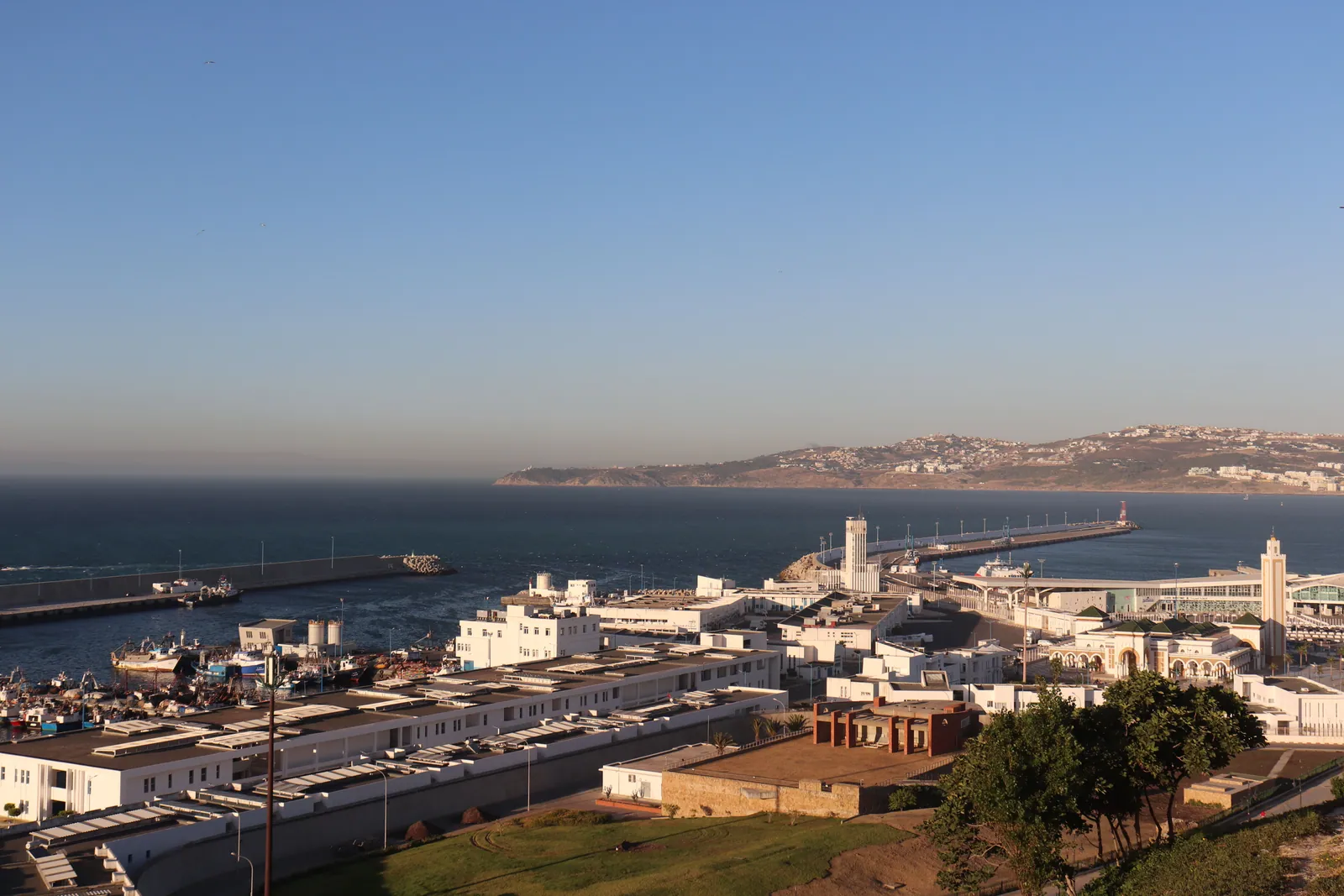
Tarifa, the southernmost point of Europe, is the passenger-only fast-ferry port. Crossings run to Tangier Ville — the city port, right at the medina's edge — in about one hour. If you are arriving on foot, by bike, or without a car, Tarifa is overwhelmingly the best option: you step off the boat into Tangier's harbour, and the medina is a short taxi ride or a long walk away.
Algeciras, a working port town east of Tarifa, handles the vehicle ferries and the bulk of the capacity. Crossings run to Tangier Med, the big modern port 40 to 45 km east of Tangier city. Times vary more than the marketing suggests — high-speed vessels cover it in roughly an hour, conventional ferries take two to two and a half — and you arrive at a terminal complex, not at the city. With a car, this is your route.
Practical upshot: foot passengers take Tarifa; cars and campervans take Algeciras. Trying to do the Tarifa run with a vehicle is not possible, and ending up at Tangier Med without knowing it is 40 km from the city is the most common arrival mistake.
02. Operators and frequency
Several operators run the Strait crossings — Baleària, Naviera Armas and AML on the Algeciras route, FRS on Tarifa to Tangier Ville — with multiple daily departures on the main Algeciras-Tangier Med route and fewer on Tarifa. Timetables shift seasonally: services thicken in summer, and some add sailings for the peaks.
Book ahead for August, the single busiest month when returning Moroccans from Europe travel in family groups, for Easter week, and for any Friday and Sunday in summer. Otherwise, turning up an hour before a sailing is usually fine outside peak. Return tickets are cheaper than two singles, and fully flexible ones cost more — worth it if your plans may move.
03. Border control: both sides of the Strait
This is a real international border with two controls, and the crossing time includes them, but they run in sequence and rarely take long outside peaks.
On the Spanish side, the EU and Schengen outbound check is usually a formality for the passport queue. The Moroccan side is the one to prepare: everyone needs a passport, and EU national ID cards are not accepted for entry to Morocco — this catches out travelers used to the EU's ID-only travel. Nationalities needing a visa should have arranged it in advance, because a ferry ticket cannot substitute for entry documents.
Fill any arrival forms handed out on board or at the terminal. Controls are straightforward for visa-exempt nationalities; keep your onward ticket or itinerary handy if asked.
04. Taking a car: the rules people miss
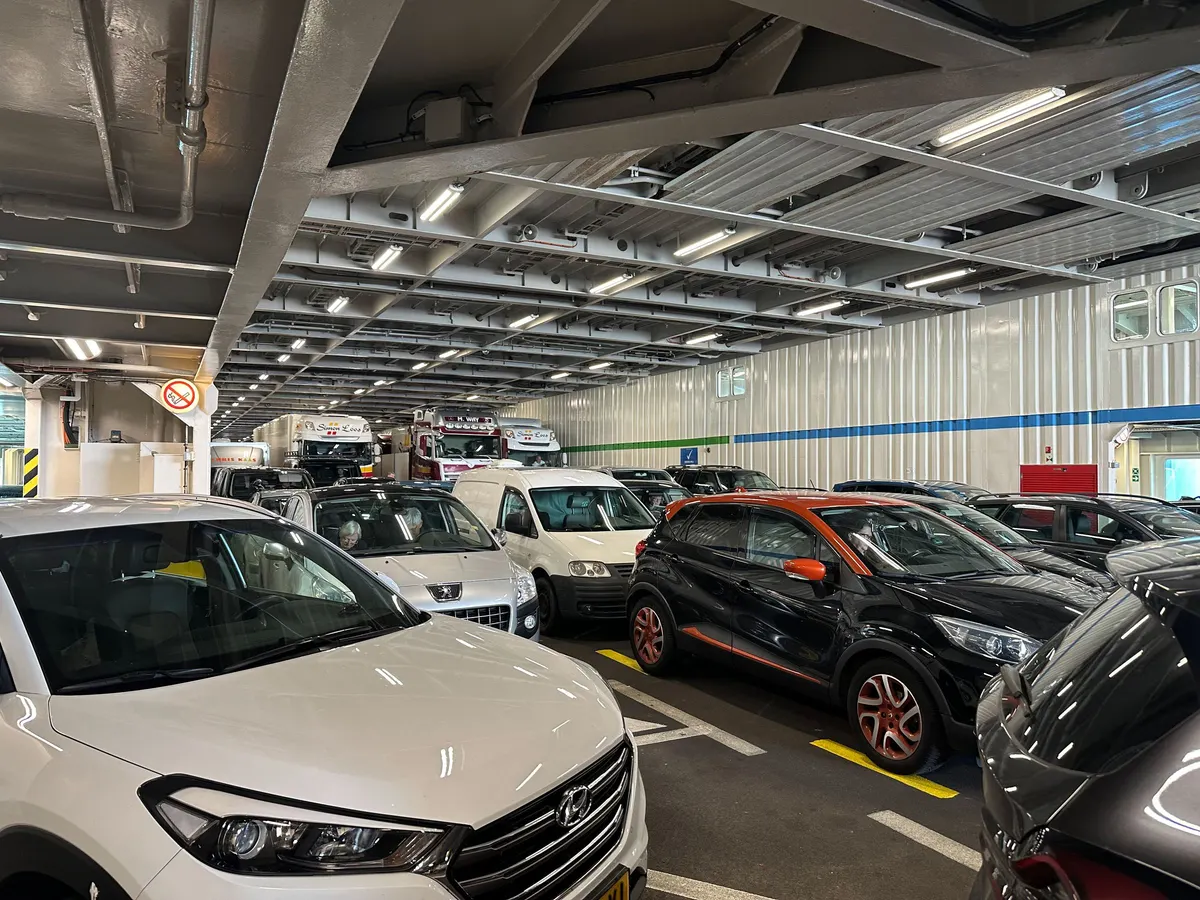
You need the vehicle registration document — the V5C, carte grise or equivalent. You need insurance valid for Morocco, and note that a standard EU green card does not automatically cover Morocco: check with your insurer and get Morocco explicitly added, or buy Moroccan border insurance at the port, which is available but arranging it beforehand is cleaner and usually cheaper.
Bring the driver's licence — EU licences are accepted, and carrying an International Driving Permit alongside is cheap insurance against a stickler at a rental desk. If you are bringing a rental car from Spain, you need the rental company's written permission for Morocco, because many prohibit it by default: ask before booking, not the night before the ferry.
And book the ferry ticket for the vehicle itself — vehicle and passengers on the same ticket, because vehicle decks sell out before passenger areas in peak weeks. Driving in Morocco itself, with its documents to carry and police controls, is covered in the self-drive guide: the ferry is only the door.
05. What the crossing is actually like
The Algeciras ferries are working vessels — a couple of hours with a cafeteria, a deck, and a fair chance of Atlantic swell outside the shelter of the Strait. The Tarifa fast ferry is quicker and smoother for anyone who dislikes open water.
Either way it is a short crossing, not a cruise: bring a book, sit on deck for the approach, and enjoy the moment the Moroccan coast resolves out of the haze.
06. Fitting the crossing into an itinerary
Arriving at Tangier Ville on the Tarifa ferry, you are at the medina's edge. Drop bags at a Tangier hotel and walk into the kasbah the same afternoon. Tangier deserves a night or two before heading south — the Al Boraq train to Casablanca, or the road onward.
Arriving at Tangier Med on the Algeciras ferry, taxis and shuttles run to Tangier city, about 45 to 60 minutes for the 40 to 45 km, and an in-port shuttle connects the terminal to the Port Center, where city buses and taxis continue. If you have a car you can drive onward directly: the motorway south toward Rabat and Casablanca is modern and fast, and Chefchaouen, Fes and the Rif are north and inland from here.
The reverse direction works the same — Tangier Med for vehicles back to Algeciras, Tangier Ville for foot passengers to Tarifa. For the return leg, add buffer time, because border queues at Tangier Med can be long in the last days of August.
07. When the crossing is worst, and when it is best
The peak squeeze is the second half of August, when diaspora families head back to Europe, and Easter. On these dates, book everything well ahead and allow hours of margin for port queues.
Comfortable sailings are the spring and autumn ones, midweek, which are calm on both counts. Winter can mean rough Atlantic water on the Algeciras run — if you are prone to seasickness, the shorter Tarifa crossing or a morning sailing is kinder.
Weather cancellations are uncommon but possible in serious winter storms, so have a plan B date if your onward flights are tight.
08. Alternative crossings to know about
Gibraltar to Tangier Med is a small additional option from the Rock; useful if you are already there, but not a primary route.
Almería to Nador, and the Melilla routes, are eastern Mediterranean entries into northern Morocco — a different region entirely, better for Rif itineraries than for reaching Tangier or the imperial cities.
And Ceuta to Tangier, the tiny crossing from the Spanish enclave, is primarily for day traffic and not a practical tourist entry point.
Frequently Asked Questions
Which ferry should I take from Spain to Morocco?
Foot passengers should take the Tarifa-Tangier Ville fast ferry, about one hour, arriving at the medina's edge. Anyone bringing a car or campervan must use Algeciras-Tangier Med, roughly one and a half to two hours, arriving 40 km east of Tangier city. Choose the route by your vehicle status first, then by schedule.
Do I need a passport for the ferry to Morocco?
Yes — a valid passport is required for Moroccan entry, and EU national ID cards are not accepted. Visa-required nationalities must arrange a visa in advance; a ferry ticket is not an entry document. Carry your onward travel details in case border control asks.
How long does the ferry from Algeciras to Tangier Med take?
Around one and a half to two hours depending on operator and service, including the border controls on both sides. The Tarifa-Tangier Ville crossing is about an hour. Both are short sea crossings, not open-ocean journeys.
Can I take a rental car from Spain to Morocco?
Only with the rental company's explicit written permission for Morocco — many contracts prohibit it by default, so confirm before booking the car. You will also need insurance valid in Morocco, because standard EU green card cover does not automatically extend there, and the vehicle's registration document. At the port, the vehicle travels on the same booking as its passengers.
Is the ferry to Morocco rough?
The Strait crossing is usually calm — you are sheltered between two continents — but the Algeciras run can get Atlantic swell in winter, and some travelers feel it. The Tarifa fast ferry is shorter and smoother. If you are seasick-prone, pick a morning sailing and sit on deck where you can see the horizon.
More Morocco tours
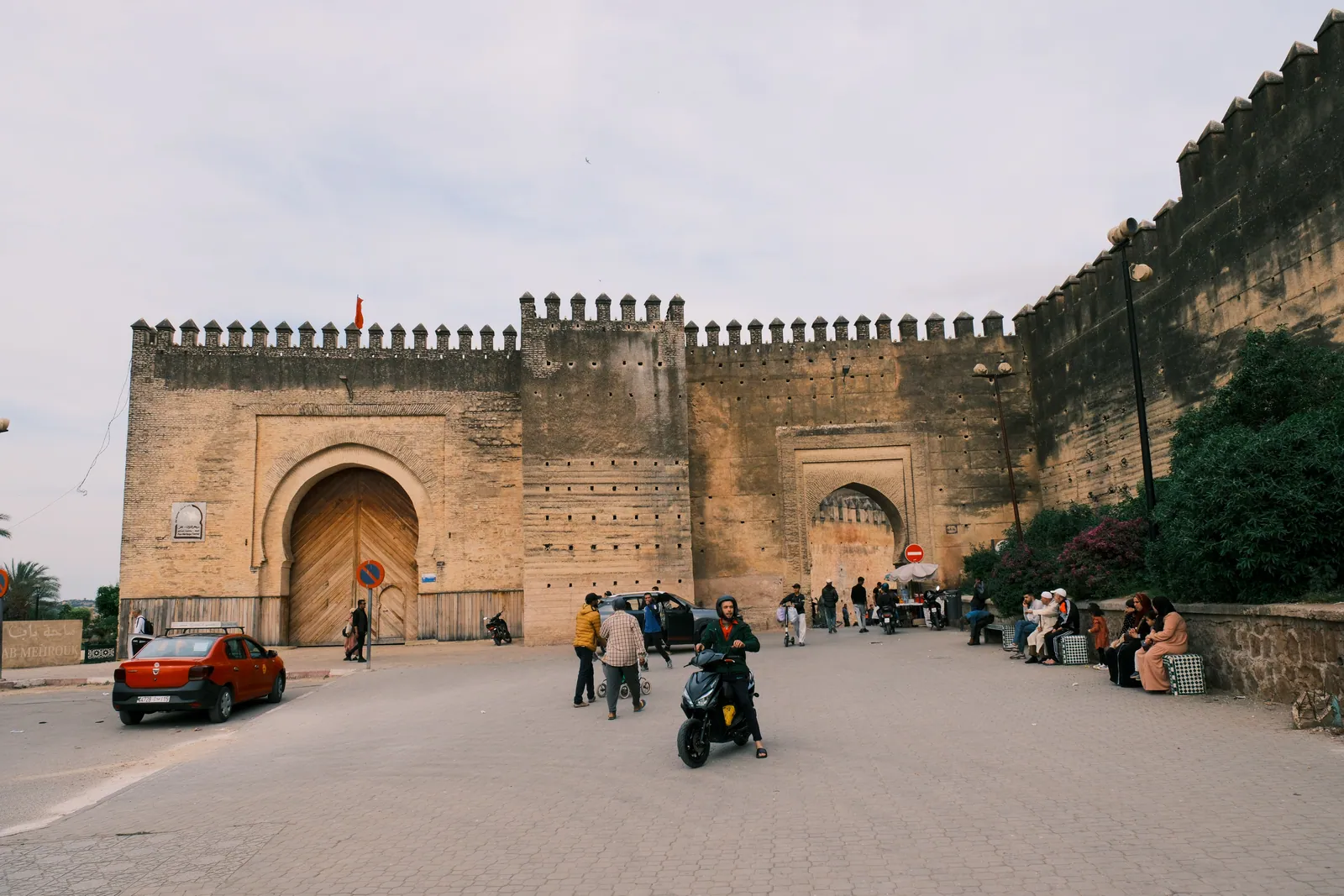
7 Days
7-Day Morocco Itinerary: Tangier to Marrakech
North to south in seven days, Tangier to Marrakech. It covers a lot of latitude, so it suits travellers who want range rather than one town lived in slowly.
10 Days
10-Day Private Luxury Morocco Tour: Marrakech to Tangier
Private, ten days, Marrakech to Tangier: riads, the Atlantic coast and the main cultural stops, arranged for one party rather than a fixed departure. You fly out of Tangier and never retrace the route.
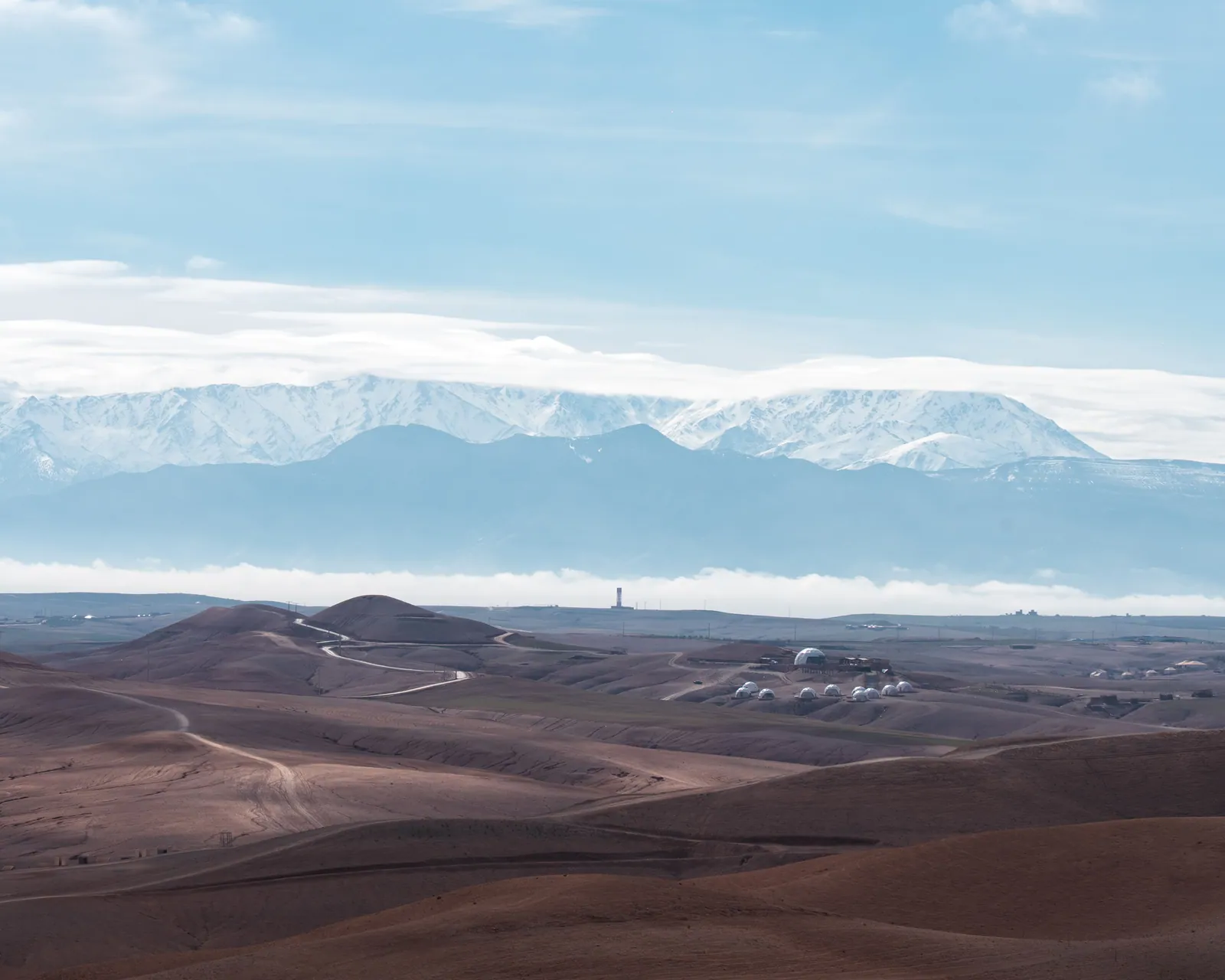
Near Marrakech
Agafay Desert
A dry, rocky desert close to Marrakech, with no dunes — bare hills, open horizons and camps laid out for dinner after dark. The short transfer is the point: one night either side of a city week.
Related Guides
Tangier Travel Guide: The Kasbah, the Strait and Morocco's Most European City
How to visit Tangier — the kasbah and medina walk, Cap Spartel, the Caves of Hercules, Café Hafa, the Al Boraq train, ferries from Spain and how to fit Tangier into a Morocco itinerary.
Morocco Visa and Entry Requirements
Morocco entry rules explained: who needs a visa, passport validity, visa-free nationalities, the eVisa route, land borders, registration and airport arrival steps.
El Jadida Travel Guide: Portuguese Cistern, Walls and Atlantic Coast
Discover El Jadida with practical advice on the Portuguese City of Mazagan, the famous cistern, sea walls, beaches, food, transport and day-trip planning.
Liked this guide?
Give it a like on Instagram and tag us from your Moroccan adventure.
Tell us your vehicle, your dates and your route — we will match you to the right crossing
Our Marrakech-based team of local experts designs tailor-made Morocco trips around your dates, budget and travel style.
Request a Quote