Entry rules are the one part of a trip you should never guess at, because a wrong assumption is discovered at the departure gate rather than at your desk. The good news is that Morocco is straightforward for most nationalities: a valid passport and a return ticket cover the majority of visitors. The details below explain the common cases and, just as importantly, where to check the current rule for your own passport.
01. The short answer
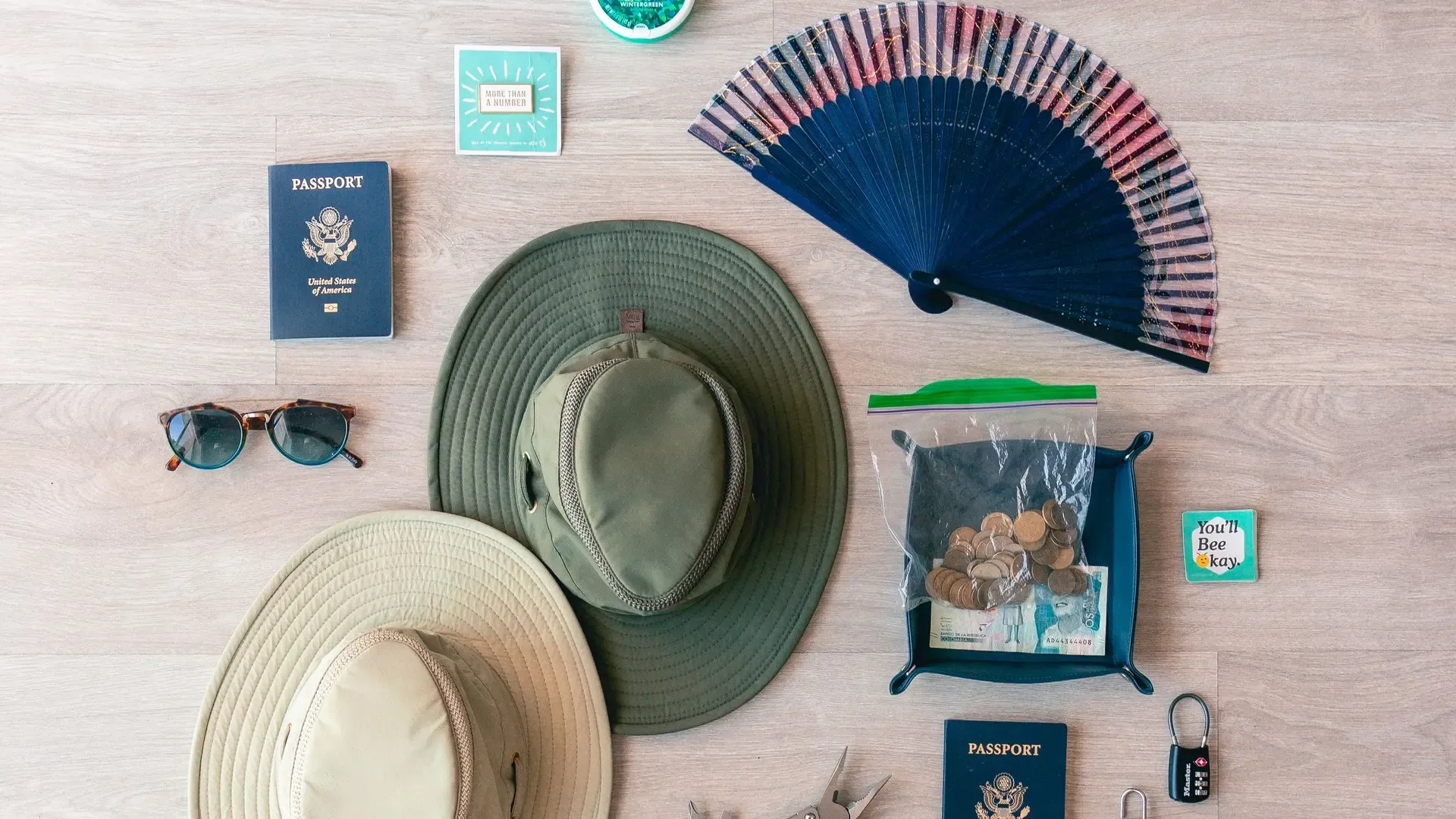
Citizens of many countries — including most of Europe, the United Kingdom, the United States, Canada, Australia and several others — can enter Morocco for tourism without a visa and are granted a stay of up to 90 days on arrival.
Other nationalities need to arrange a visa before travelling, or use an electronic authorisation where their passport is eligible. Whether your passport falls into one of those groups is the single question that matters, and it is answered by an official source rather than by a blog.
02. Passport validity
Your passport must be valid for at least three months beyond your date of entry, and it should have blank pages for entry and exit stamps. Immigration officers do check, and an expired or nearly expired passport is the most common reason a traveller is turned away.
Check the expiry date the day you book rather than the week you fly. Renewal times vary enormously by country, and the fix for an expiring passport is only available before you leave.
Carry the passport you intend to travel on. A second passport or a photocopy does not substitute for the document your ticket was issued against.
03. Visa-free stays
Visa-exempt visitors are usually permitted to stay for up to 90 days within a 180-day period for tourism. The stamp you receive on arrival records the date, and that date is what matters if you later need to show how long you have been in the country.
The 90 days is a maximum, not a plan. If you intend to work, study, stay longer or move your residency, you need the appropriate authorisation in advance rather than a tourist stamp.
Overstaying is taken seriously and can result in a fine, refusal of a future entry or a longer-term ban, so if your plans change, resolve the paperwork rather than hoping nobody counts.
04. When a visa is required
Some passports require a visa applied for in advance through a Moroccan consulate or embassy, in person or through an approved application centre. Processing times and document lists differ by location, so the consulate covering your place of residence is the authority.
Allow several weeks rather than several days. Visa appointments can be scarce, and supporting documents such as accommodation confirmations, an itinerary and proof of funds are commonly requested.
If you are transiting through another country as well, check that country's transit rules separately — a visa-free arrival in Morocco does not help if the airline will not board you for a connection.
05. Electronic authorisation
Morocco has introduced electronic entry authorisation for certain passports, which is applied for online before travel and is separate from both a paper visa and a visa-free arrival. Eligibility depends entirely on your nationality.
Apply only through the official government channel. Search results for visa services include many paid agents that charge for a form you can complete yourself, and some impersonate the official site.
Keep the approval with your travel documents in digital and printed form. Airlines may ask to see it at check-in before you reach the immigration desk.
06. Arriving by air
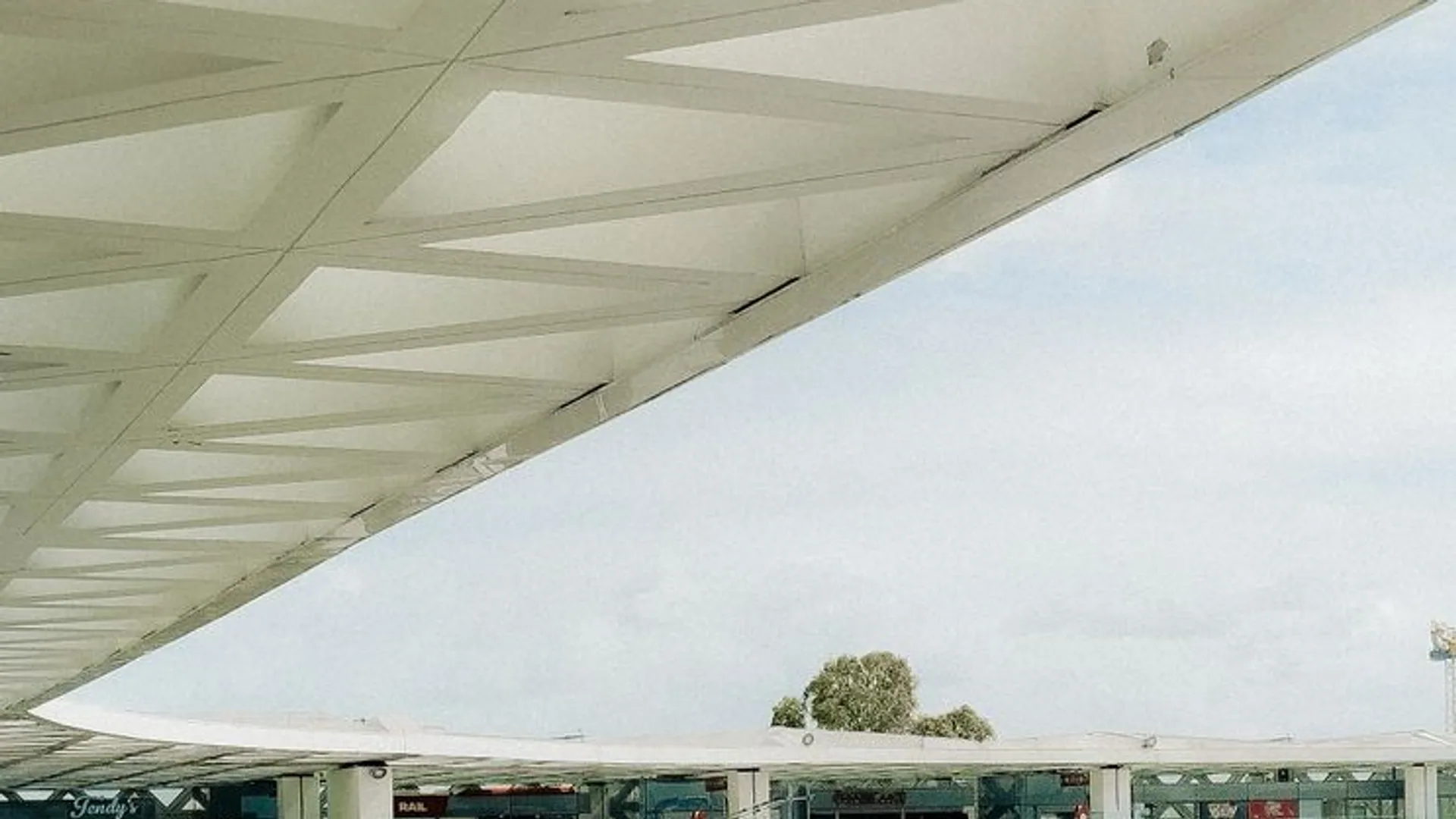
At the airport you present your passport, and sometimes a completed disembarkation card or a confirmation of where you are staying. Filling it in before you join the queue saves a second queue.
Baggage and passport control are separate steps. Having your onward ticket and first-night accommodation details accessible makes any questions quick to answer.
Money, a phone with your transfer details, and the name and address of your riad written down are the three things worth having in your hand luggage rather than in a case that has already gone to the carousel.
07. Arriving by land
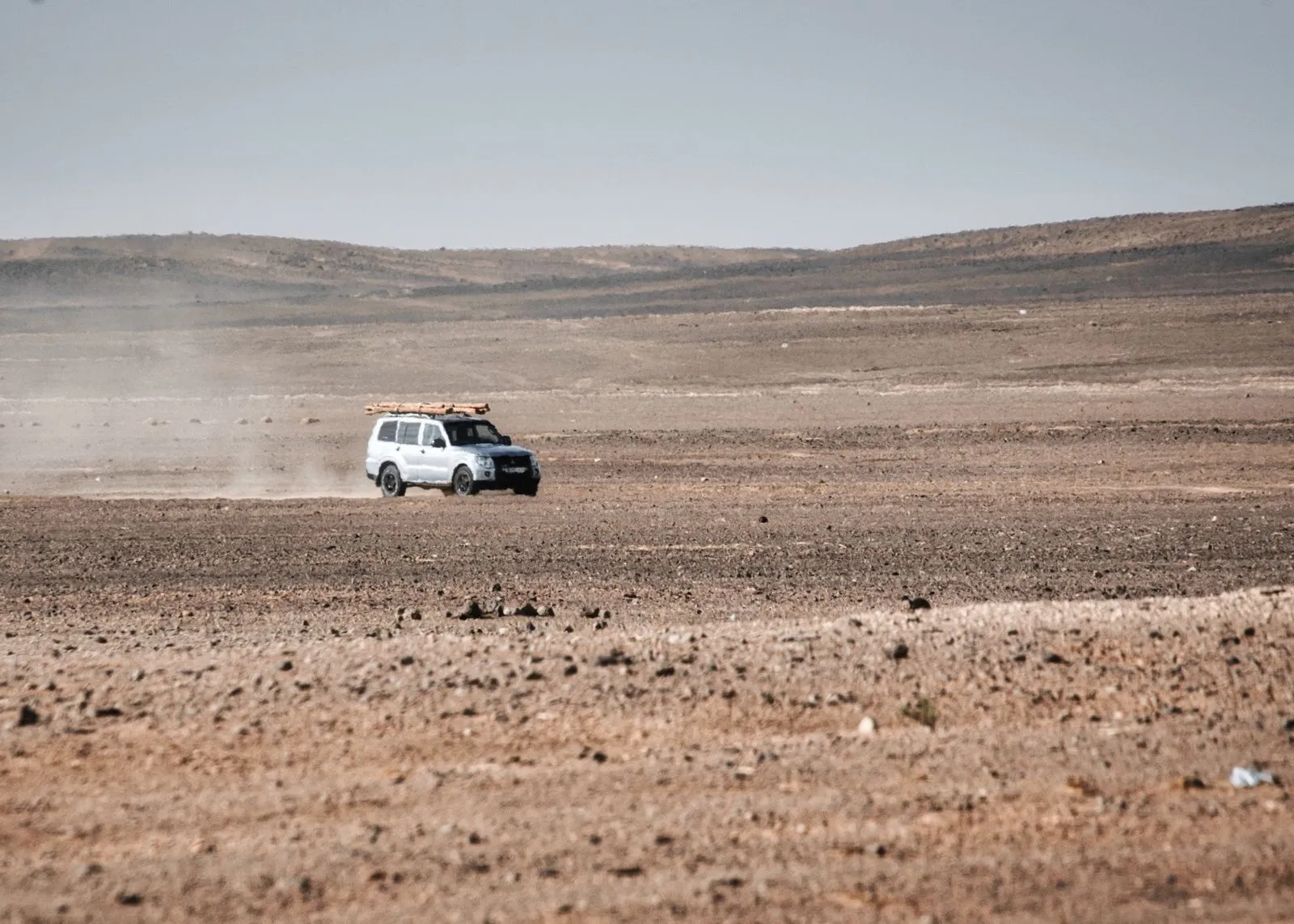
Morocco shares borders with Spain at Ceuta and Melilla, with Algeria and with Mauritania. Not all crossings are equally straightforward, and the status of a given border can change with little notice.
The Algeria border has historically been closed for long periods, so do not plan a route across it without checking current status. The Ceuta and Melilla crossings involve a separate Spanish-side process, and travellers often need both a Schengen-capable entry and a Moroccan entry depending on their itinerary.
Confirm with an official source, and ideally with your driver or operator a few days before, that the crossing you intend to use is open and processing normally.
08. Moroccan nationals and dual citizens
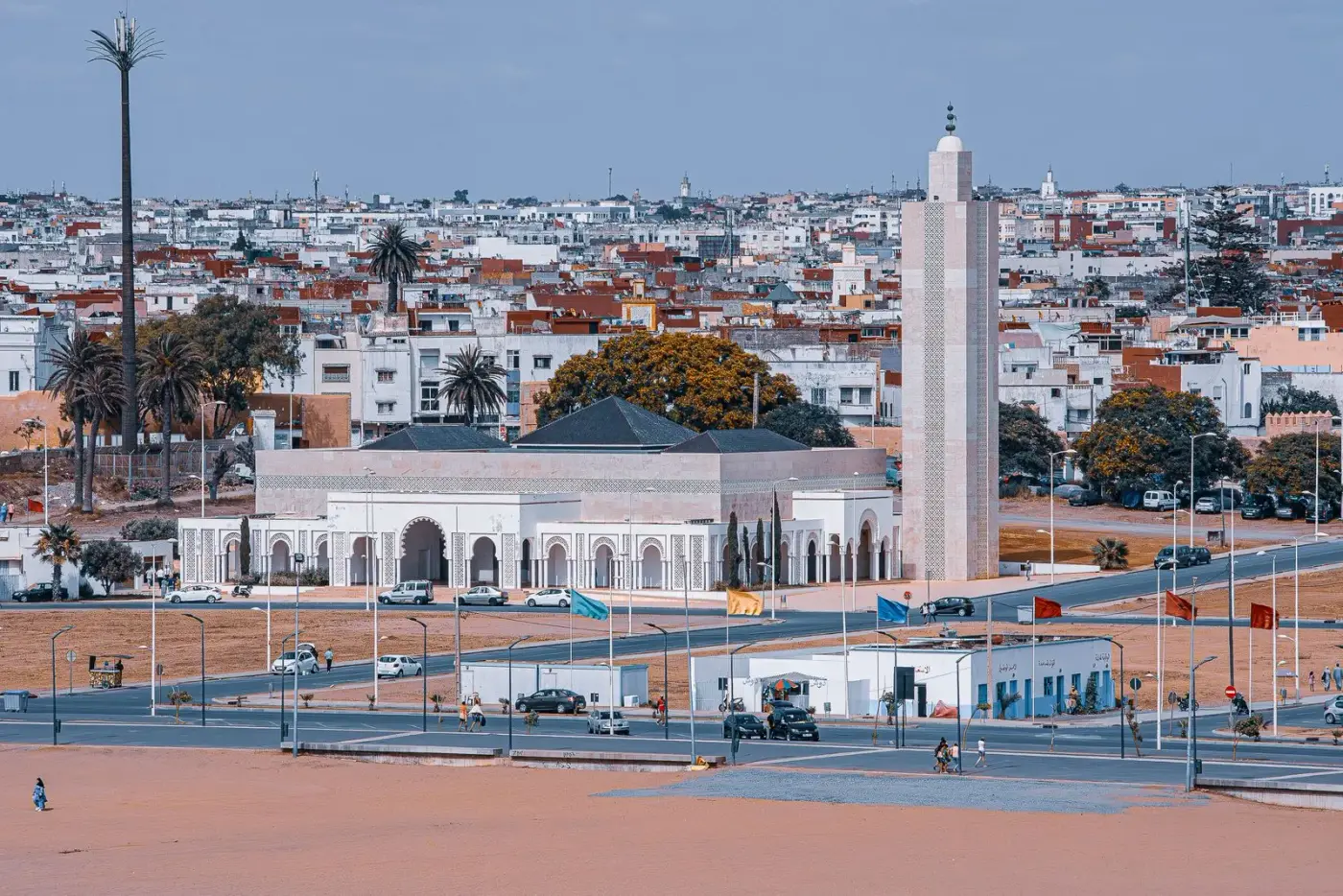
Moroccan citizens must enter and leave on valid Moroccan travel documents. Holding another nationality does not change this, and arriving on a foreign passport when you are registered as Moroccan can cause problems on both sides of the journey.
Dual nationals should carry the Moroccan documents that match their registration, and check any military or administrative obligations that may apply before travelling.
If this applies to you, resolve it before booking rather than at the border. Consulates are the right place to start.
09. Children and family documents
Children normally travel on their own passport; they cannot be added to a parent's. Check this early, because passport applications for children take time and both parents are often required to attend.
If a child is travelling with one parent, or with another adult, carrying a consent letter is sensible even where it is not strictly required, and it avoids an awkward conversation at check-in.
Bring the documents you would want if something went wrong: copies of birth certificates, insurance details and emergency contacts, kept separately from the originals.
10. Registration and documentation on the ground
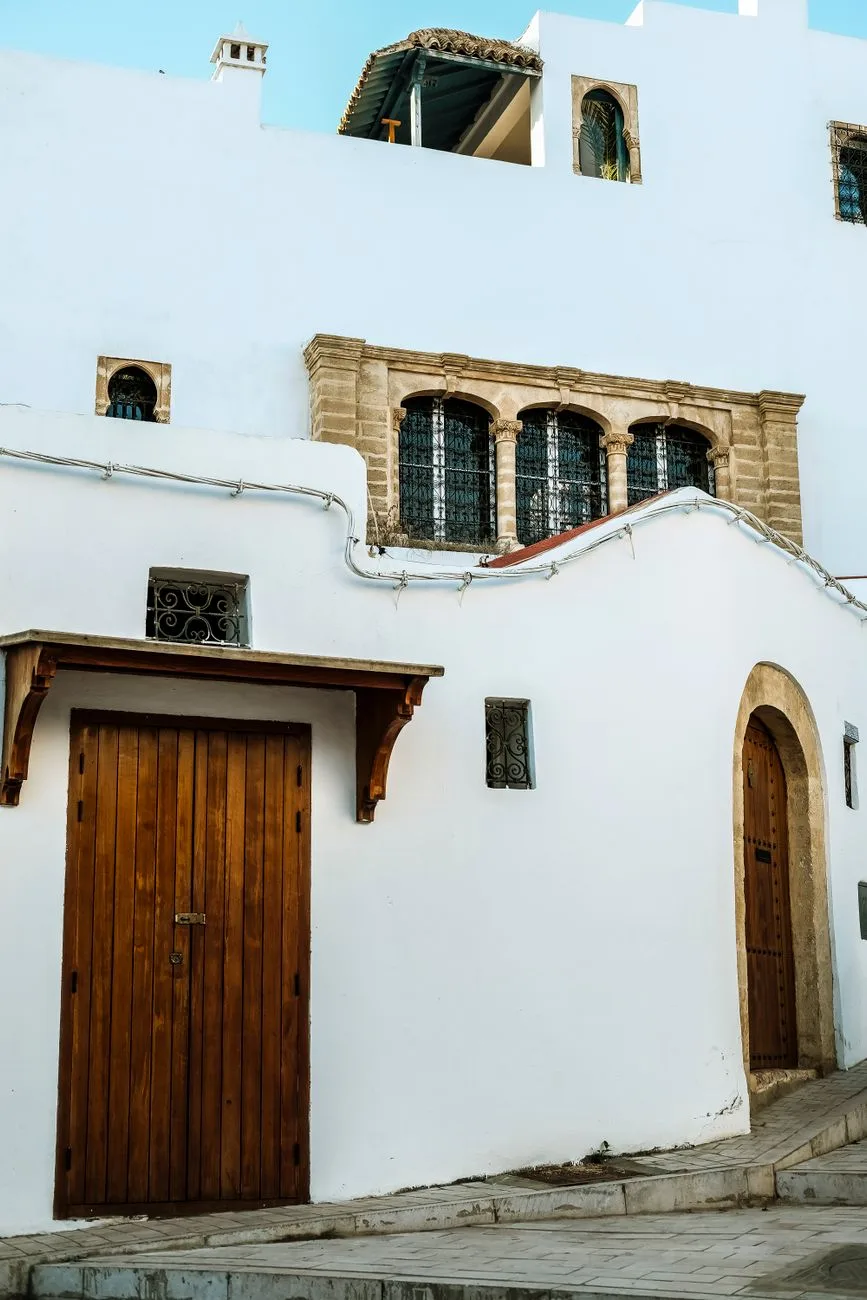
Most tourists are simply stamped in and never deal with immigration again. Keep your entry stamp visible when you check into hotels, because it records the date you are entitled to be there.
Hotels and riads are legally required to record guest details, so expect to show a passport at check-in. Keep a photograph of your passport and entry stamp on your phone as a backup.
If you are staying in private accommodation rather than a registered property, ask your host what record they keep and whether you need to complete anything locally.
11. How to check before you fly
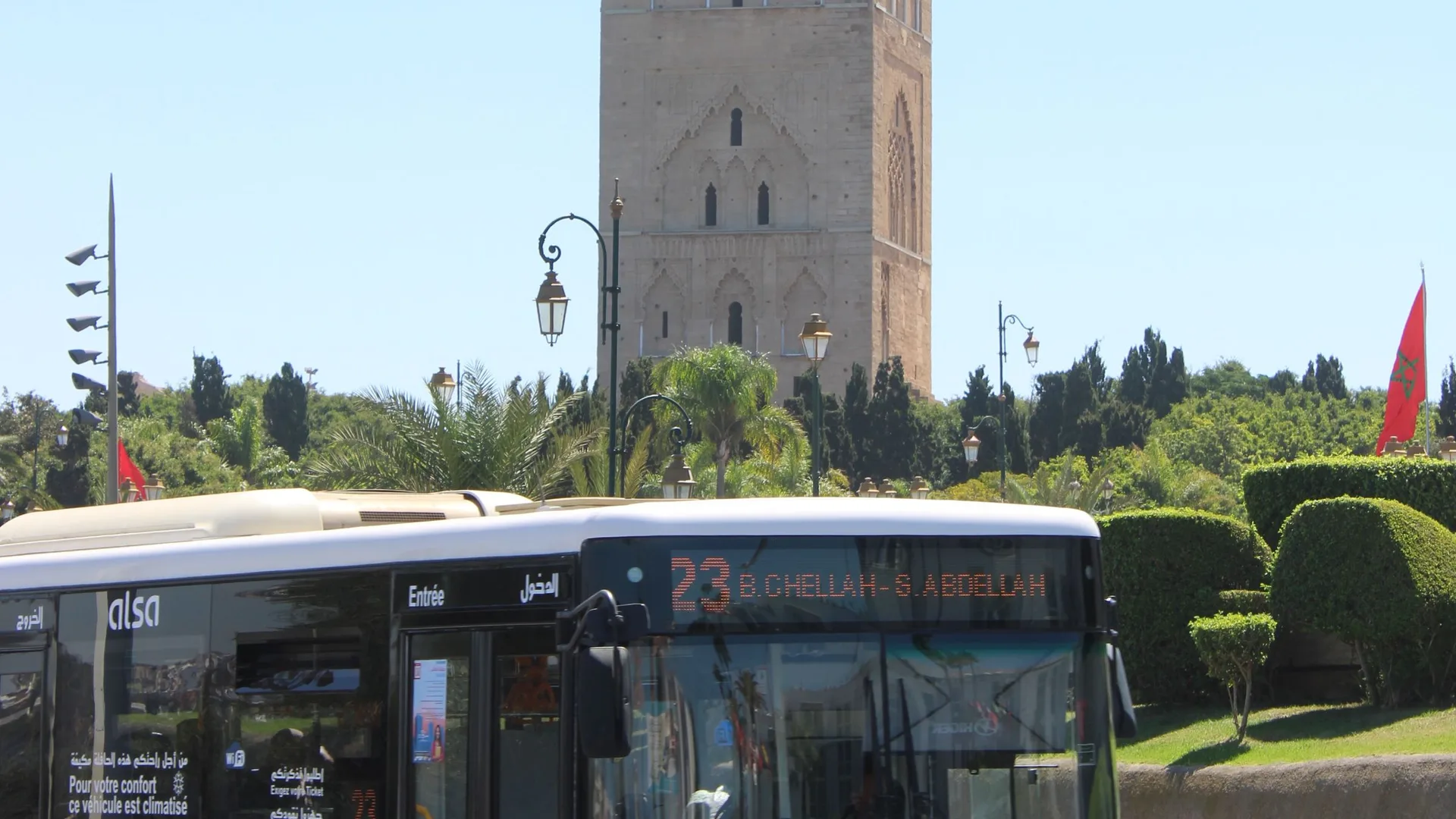
Verify three things with official sources: whether your passport needs a visa or an electronic authorisation, the required passport validity, and whether any rule has changed since the guide you are reading was written.
Moroccan consulates in your country, your foreign ministry's travel advice page, and your airline's document requirements are the sources that actually determine whether you board. Rules change without much announcement, so check close to your departure date rather than months ahead.
Our team in Marrakech handles arrivals every day and can tell you what travellers with your passport were asked for recently — but the consulate remains the authority, and we will always say so.
Frequently Asked Questions
Do I need a visa for Morocco?
Citizens of many countries, including most of Europe, the UK, the US, Canada and Australia, can enter for tourism without a visa for up to 90 days. Other nationalities need a visa or an electronic authorisation.
How long must my passport be valid?
At least three months beyond your date of entry, with blank pages for stamps. Check on the day you book rather than the week you fly.
How long can I stay in Morocco?
Visa-exempt visitors are generally permitted up to 90 days in a 180-day period for tourism. Staying longer requires appropriate authorisation arranged in advance.
Can I enter Morocco from Spain by land?
Crossings exist at Ceuta and Melilla but involve a separate process on the Spanish side. Check current status with official sources before planning a route across any land border.
Where should I verify the current rules?
With the Moroccan consulate covering your country, your foreign ministry's travel advice, and your airline's document requirements — checked close to departure, since rules change.
More Morocco tours
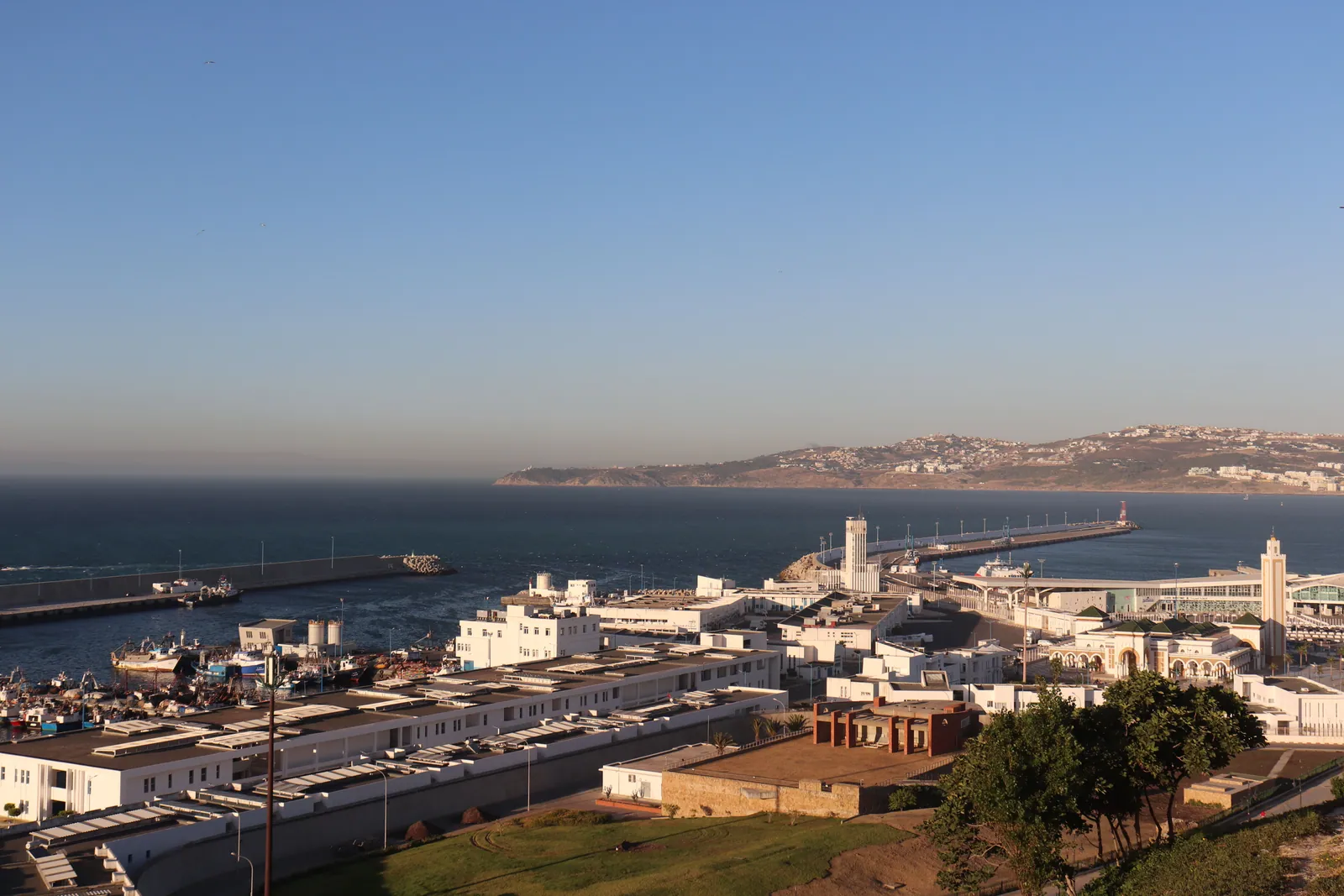
10 Days
10-Day Private Luxury Morocco Tour: Marrakech to Tangier
Private, ten days, Marrakech to Tangier: riads, the Atlantic coast and the main cultural stops, arranged for one party rather than a fixed departure. You fly out of Tangier and never retrace the route.
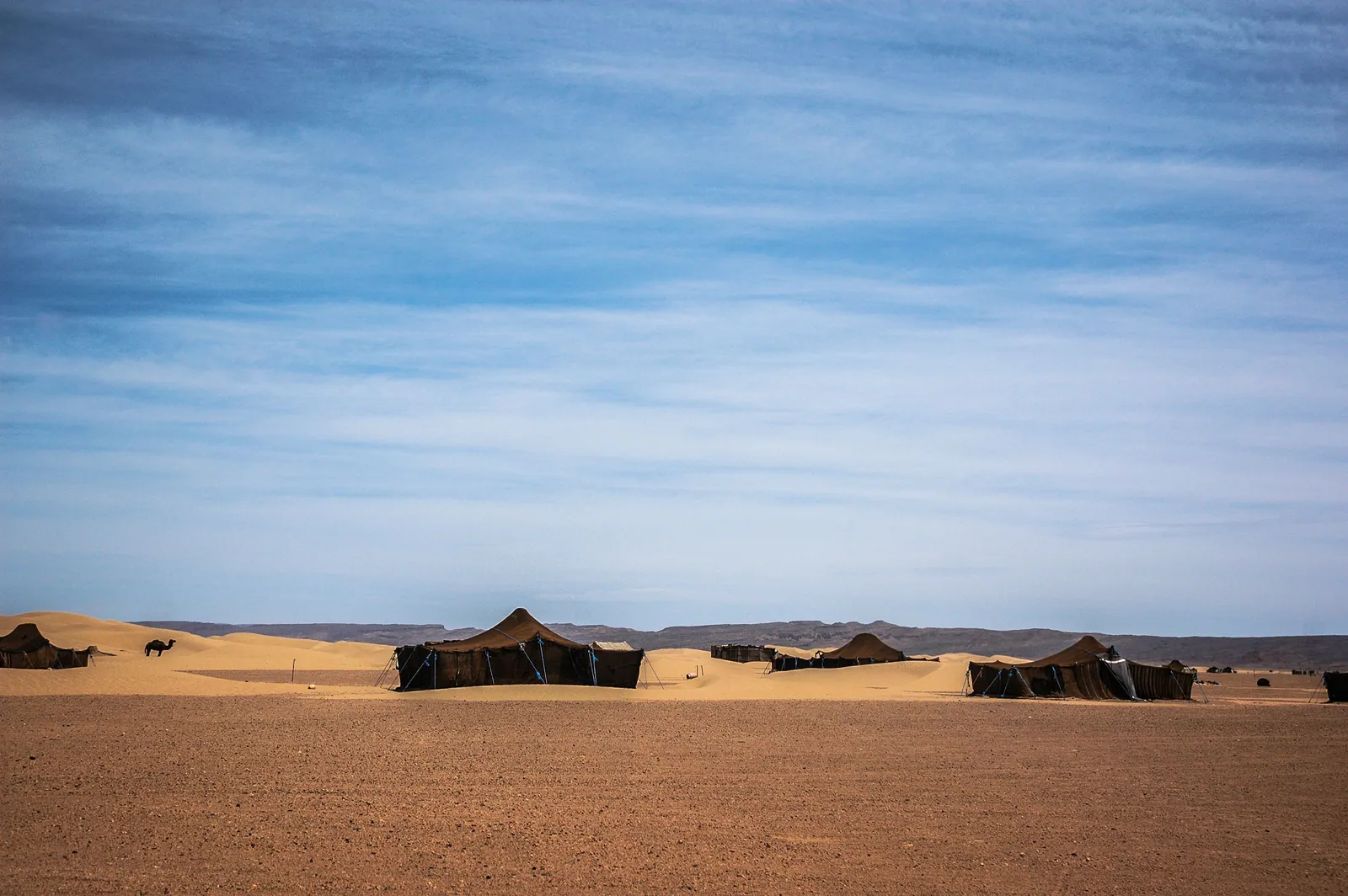
Wild & Remote
Erg Chigaga
Chigaga is the one you take for distance rather than scenery. The dunes run wide, the camps sit far apart and the track in is quiet. It needs a proper day of driving, so it belongs inside a longer route.
10 Days
10-Day Private Morocco Itinerary
Ten days, private, paced from the riad rather than a coach timetable. For travellers who already know which parts of Morocco matter to them and would rather see those properly than see more of them badly.
Related Guides
Ferry From Spain to Morocco: Algeciras, Tarifa and Tangier Med Explained
A practical guide to the Spain–Morocco ferries — Tarifa vs Algeciras, Tangier Med vs the city port, vehicle rules, passport control, booking advice and how the crossing fits a Morocco road trip.
Morocco SIM Cards and Mobile Data: IAM, Orange and inwi Compared
Everything about getting mobile data in Morocco — which operator covers the desert and mountains, SIM registration rules, realistic prices, eSIM options, Wi-Fi reality and how to avoid tourist data traps.
Morocco Airport Transfers: From Terminal to Your Hotel
What to expect when you land in Morocco — airport taxis, the Casablanca train, fixed fares and a private pick-up for Marrakech, Fes, Casablanca and Tangier.
Liked this guide?
Give it a like on Instagram and tag us from your Moroccan adventure.
Ask us about entry rules for your passport
Our Marrakech-based team of local experts designs tailor-made Morocco trips around your dates, budget and travel style.
Request a Quote