
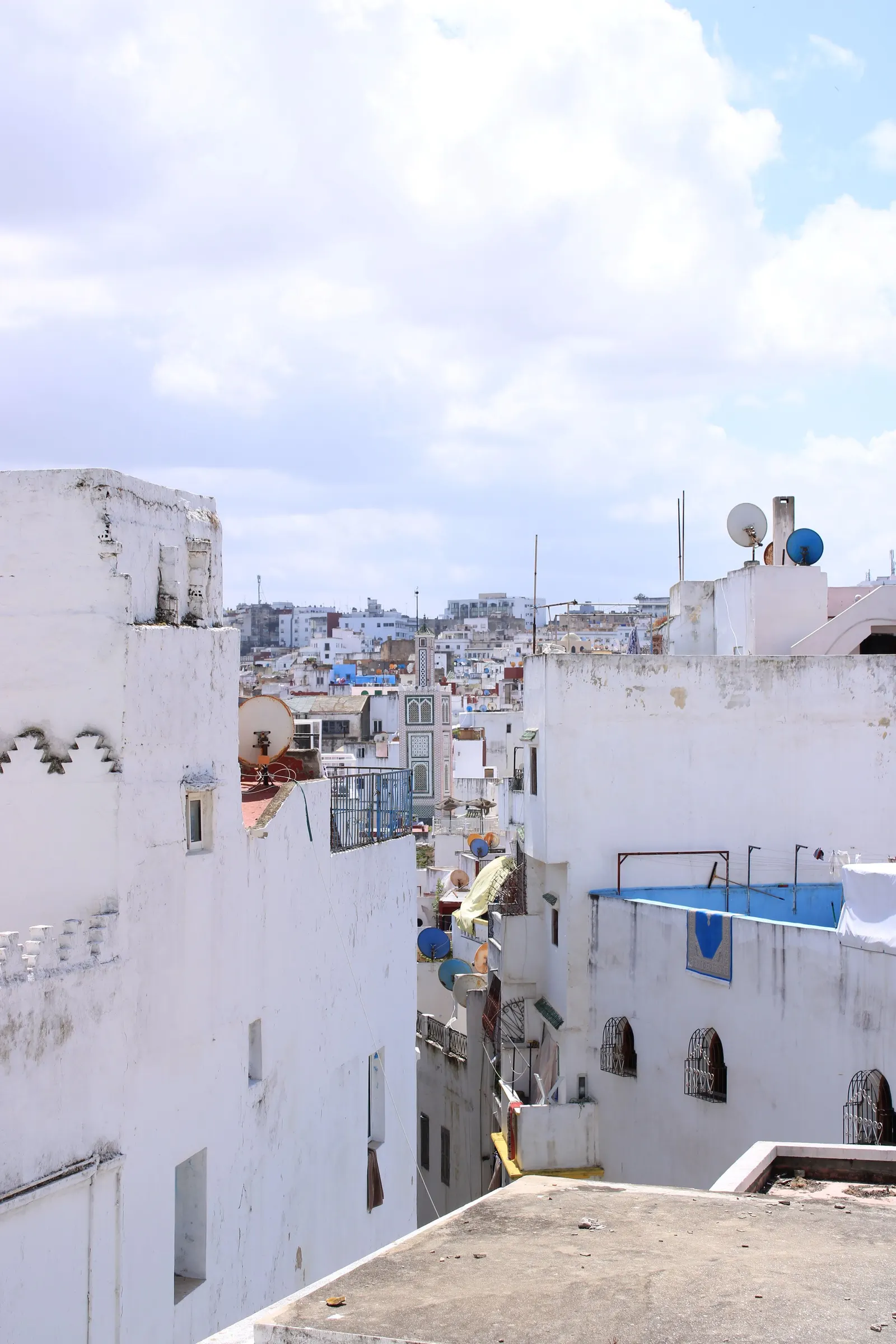
Fourteen kilometres of water from Spain, a café culture that runs deep, and a history as an international meeting ground. Tangier is the Moroccan city that looks north.
01. Why Tangier feels different
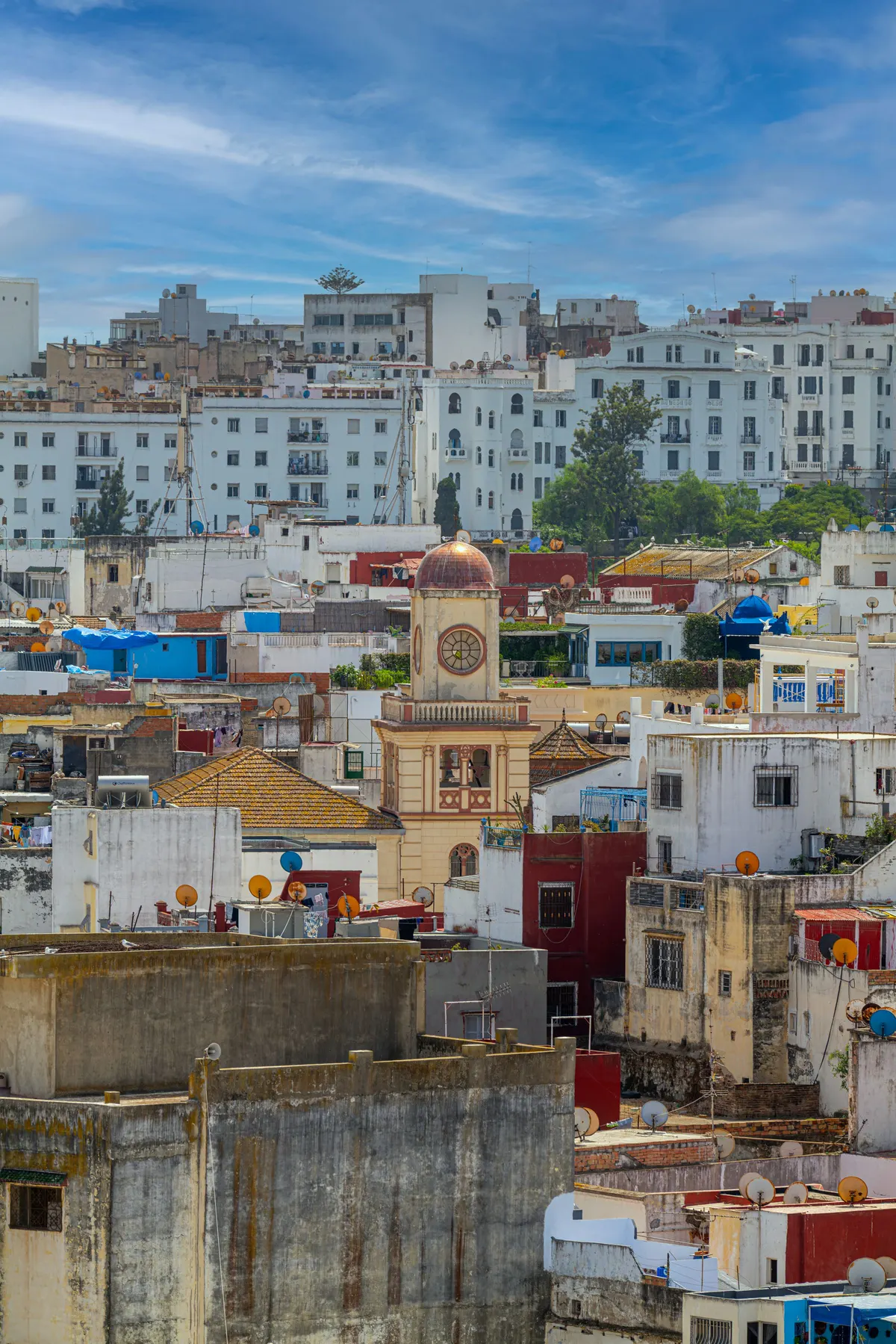
Tangier does not feel like the rest of Morocco. Sitting on the Strait of Gibraltar, 14 km of water from Spain, it spent its modern history as a meeting point rather than a fortress — an international zone between 1923 and 1956 where spies, writers, smugglers and artists mixed under nobody's direct rule.
The Beat Generation wrote here: Burroughs finished much of Naked Lunch in a Petit Socco café, Paul Bowles made it home for decades, and Matisse came for the light. You feel that layer immediately — café culture runs deep, the medina is smaller and more navigable than Fes, and the whole city seems to be looking north at Europe.
For travelers, Tangier plays two roles. It is the arrival point for anyone driving or ferrying from Spain, and it is a genuinely rewarding two-day stop that most itineraries skip.
02. The medina walk: how the city actually reads
Tangier's medina is compact and walkable, and it has a natural route that most visitors do without a map. Start at Place du 9 Avril 1947, the Grand Socco — the medina's main gate and square, named for the 1947 protest against French rule. From there Rue de la Liberté runs downhill toward the sea, lined with cafés and shops: the medina's main artery.
It ends at the Petit Socco, the small square ringed by cafés that was once the beating heart of the International Zone. Bar America and Café Tingis both still pour coffee where Bowles and his circle sat. It is touristy in the daytime and atmospheric in the evening.
Then climb to the Kasbah, the old citadel quarter behind the Grand Socco: quiet lanes, the Dar el-Makhzen, the Sultan's Palace now housing a museum of Moroccan arts with fine zellij tilework, and the American Legation — the first American public property outside the United States, a gift from Sultan Moulay Sliman in 1821 to settle an old debt, now a museum and library with a small Paul Bowles collection.
The full loop takes two to three hours at browsing pace. Unlike Fes, you can do it without a guide and without getting properly lost — the lanes slope toward the sea.
03. Cap Spartel and the Caves of Hercules
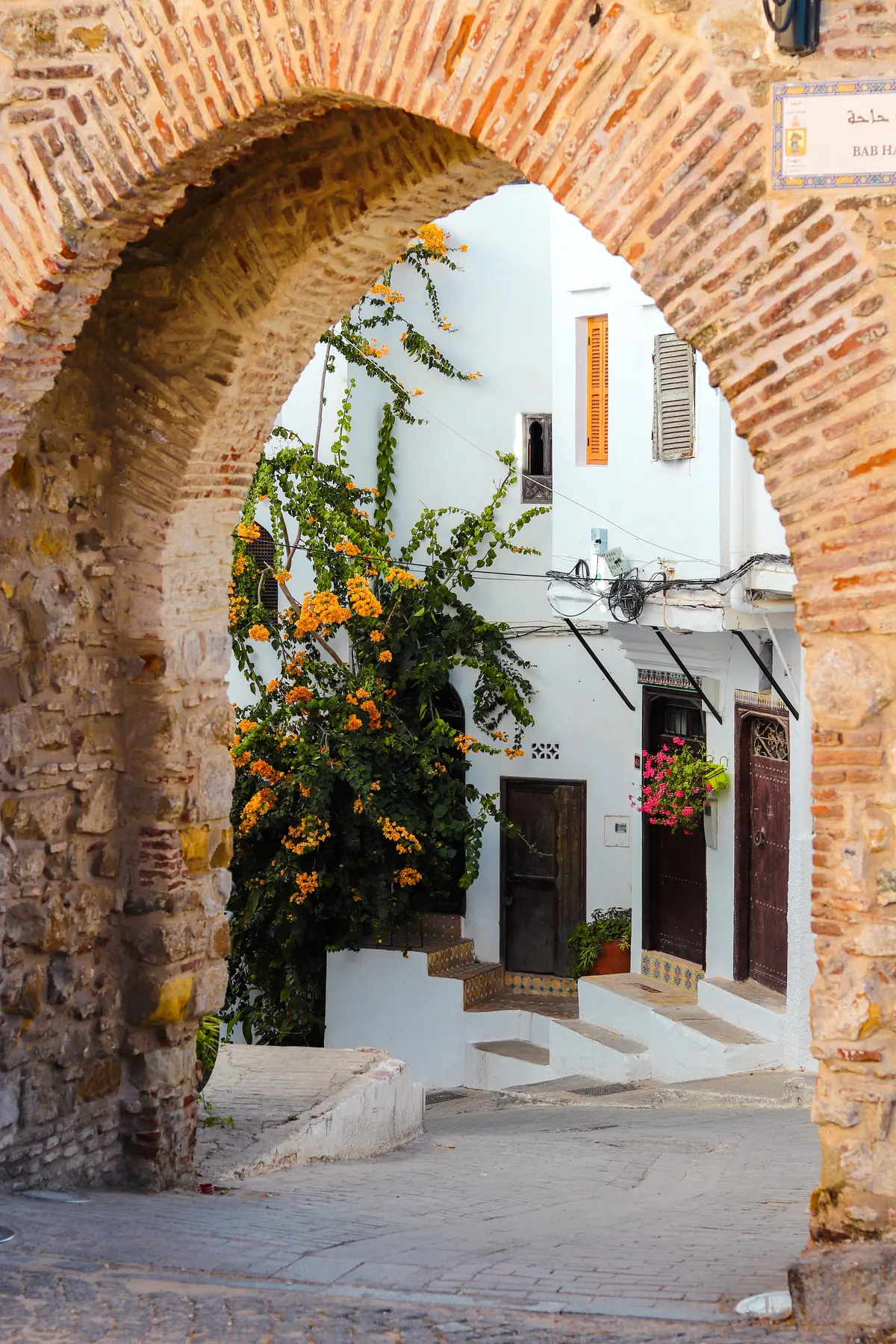
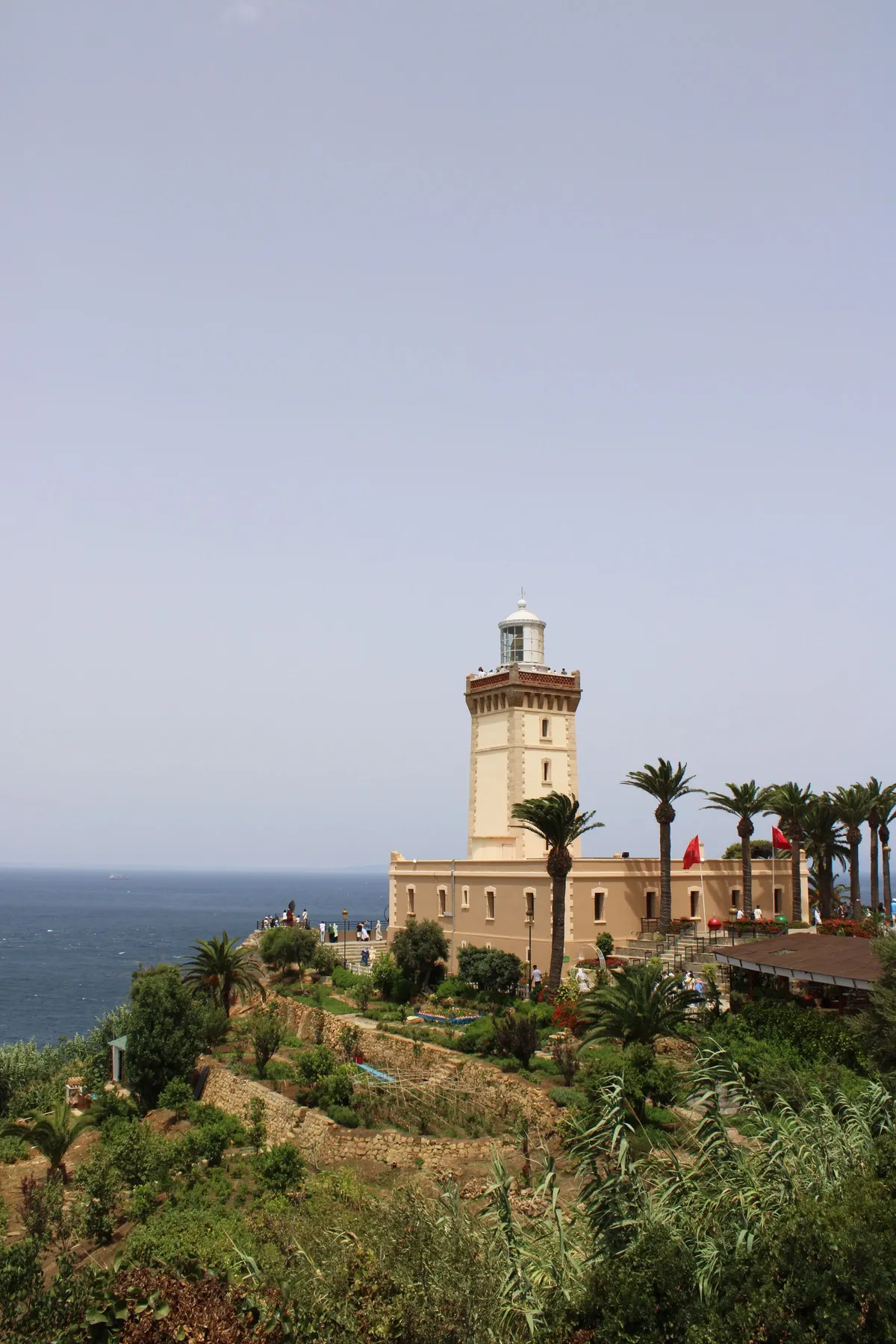
Fifteen kilometres west of the city, Cap Spartel is the headland where the Atlantic side of the Strait begins, marked by a lighthouse that has guided shipping since the 19th century.
The road out passes the Caves of Hercules — sea caves with a famously Africa-shaped opening to the water, part myth, because Hercules is said to have rested here, and part genuine Phoenician and Roman site.
Both are half-day-trip territory and can be combined with the coastal road. The grotto is small and commercial — a shop and a viewing path — so set expectations accordingly: the pleasure is the coastal drive and the headland wind, not the cave interior.
04. Café Hafa and the slow afternoon
Carved into the cliff above the Strait since 1921, Café Hafa is Tangier's single most famous café: terraced levels of mint tea overlooking the water to Spain, with a Rolling Stones stop on the wall as its modern credential.
It closes in the evening — it is a daylight institution — and the tea is cheap. Go in the late afternoon, when the light turns the water silver.
05. The new city and the beach
Below the medina hill, Tangier's modern city spreads along a wide bay: the Corniche promenade, the Marina with restaurants and yachts, and Playa Blanca and the city beach toward Cap Malabata.
The new Tangier Ville Station connects to the Al Boraq high-speed line — Africa's first, opened in 2018 — which runs to Casablanca in about two hours and ten minutes and made same-day Tangier-Marrakech travel possible by rail via Casablanca.
The city beach is real and used; the better sand is out at Playa Blanca. This is not Essaouira's medina-by-the-sea romance — Tangier's waterfront is a modern Moroccan city, not a resort town.
06. How Tangier differs from Marrakech and Fes
On scale, the medina is smaller and the tourist pressure lower — you will not be followed by guides the way you can be in Marrakech's souks. In character it is European café culture, sea air and a literary history that reads on the street: less oriental spectacle, more port-city grit.
It is a northern city with its own norms — dress modestly in the medina, though the waterfront is relaxed. And on food, fresh seafood is the reason to eat here, because the port lands it daily: fish restaurants along the coast road, and the Café Hafa tea ritual, are the signature meals.
07. Getting there and away
Ferry from Spain: Tangier Med, the big port 40 km east, handles most vehicle traffic from Algeciras, while the city port receives passenger ferries from Tarifa — a one-hour crossing that drops you at the medina's edge.
By train, the Al Boraq high-speed line does Tangier-Casablanca in about 2 hours 10, with a change for Marrakech. Tangier Ibn Battouta Airport has domestic links and European seasonal routes. By road, the modern motorway from Rabat and Casablanca has cut the drive to roughly four to five hours from Casablanca, depending on traffic.
08. How long to stay, and how to fit it in
One full day plus a morning covers the medina walk, Cap Spartel and a long café afternoon. Two nights makes it comfortable.
The classic pairing is Chefchaouen, the blue city in the Rif roughly two and a half hours inland — which is why Tangier so often appears as the northern anchor of a longer route: ferry in, medina day, Chefchaouen, then south to Fes or Rabat by train.
For itineraries coming from the south, the Al Boraq makes Tangier a realistic final stop rather than a logistical afterthought: end your trip on the Strait, then fly out of Tangier or ferry across to Spain.
09. When to go
Spring and autumn are ideal — warm days, cool evenings, café terraces at their best. August fills the city with returning Moroccans from Europe and diaspora families; accommodation prices jump and the beach road gets busy.
Summer is warm but tempered by the Strait's sea breeze. Winter is mild and quiet, with the occasional Atlantic storm on the corniche.
10. The Rif beyond the city
Tangier is the gateway to the Rif mountains and the route to Chefchaouen, Akchour's gorges and the northern coast. If you have extra days, the Akchour day hike near Chefchaouen is the strongest nature stop in the north.
And the Roman ruins of Lixus, near Larache down the coast, reward the drive for anyone who has already seen Volubilis and wants more.
Frequently Asked Questions
Is Tangier worth visiting in Morocco?
Yes — as a two-day stop, not just a ferry point. The medina walk, the kasbah and American Legation, Café Hafa and the Cap Spartel coast give it a character no other Moroccan city has, and the sea air and café culture make a pleasant change from the inland imperial cities.
How do I get from Tangier to Marrakech?
By train, the realistic route is the Al Boraq high-speed to Casablanca, about two hours ten minutes, with a change for Marrakech — roughly six hours door to door including the connection. Flights between the two exist in season. By road it is a full day, around six hours plus stops. Most travelers pair Tangier with Chefchaouen and Fes on the way south instead of running straight to Marrakech.
How far is Tangier Med port from Tangier city?
About 40 km — a 45 to 60-minute drive or taxi. Shuttle buses and taxis connect the ferry terminal to the city. The separate Tangier Ville port used by the Tarifa ferries is at the edge of the medina, which is the easier arrival for anyone not bringing a vehicle.
What is the best time to visit Tangier?
Spring and autumn — warm, uncrowded, ideal for the terraces and the coastal road. Avoid or plan around August, when the city fills with returning diaspora families and prices rise. Winter is mild and quiet.
Can I visit Tangier and Chefchaouen together?
Yes, and it is the standard northern pairing — Chefchaouen is roughly two and a half hours inland by road through the Rif. Two nights in Tangier plus two in Chefchaouen gives both cities room, with Fes or Rabat continuing the route south.
More Morocco tours
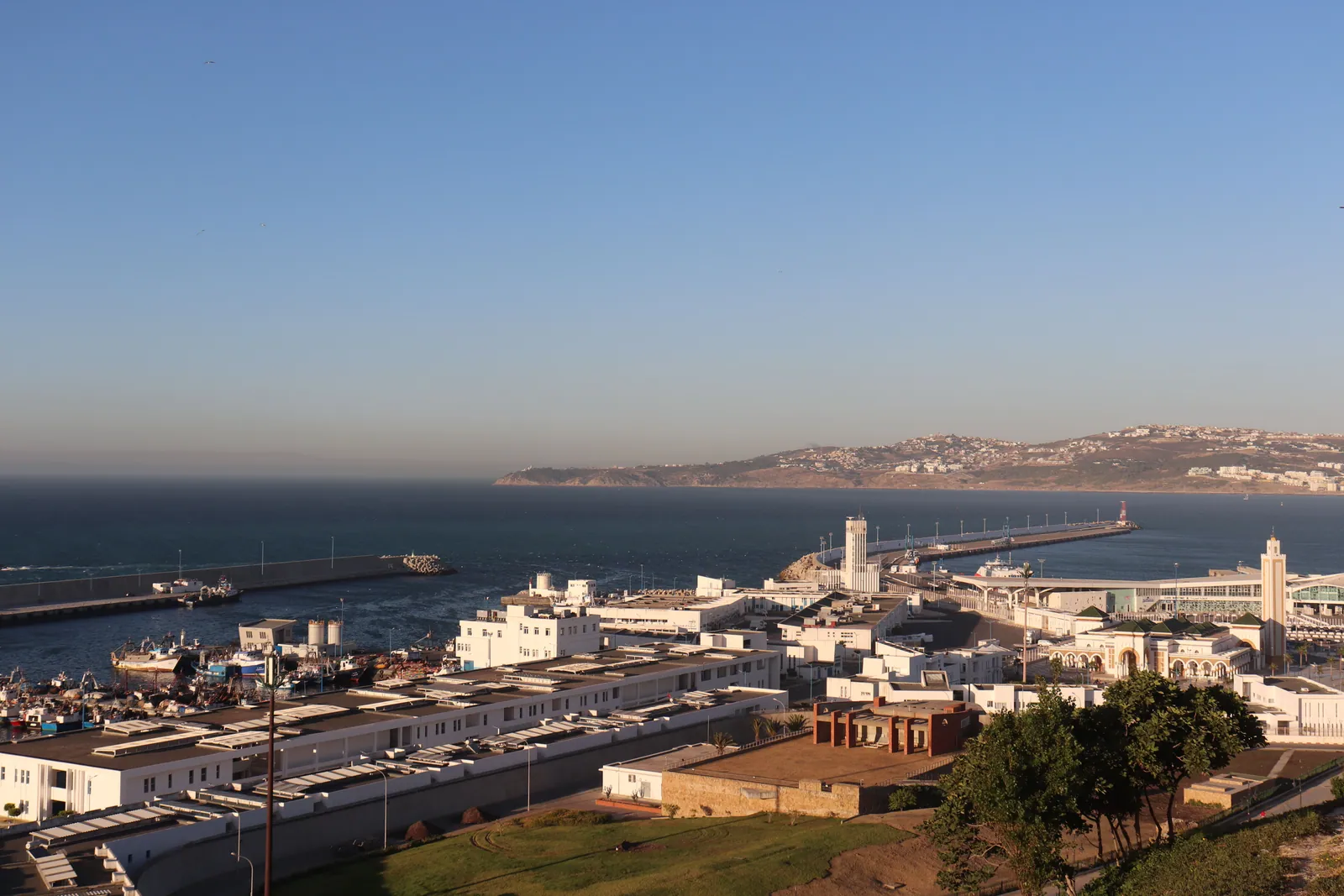
10 Days
10-Day Private Luxury Morocco Tour: Marrakech to Tangier
Private, ten days, Marrakech to Tangier: riads, the Atlantic coast and the main cultural stops, arranged for one party rather than a fixed departure. You fly out of Tangier and never retrace the route.
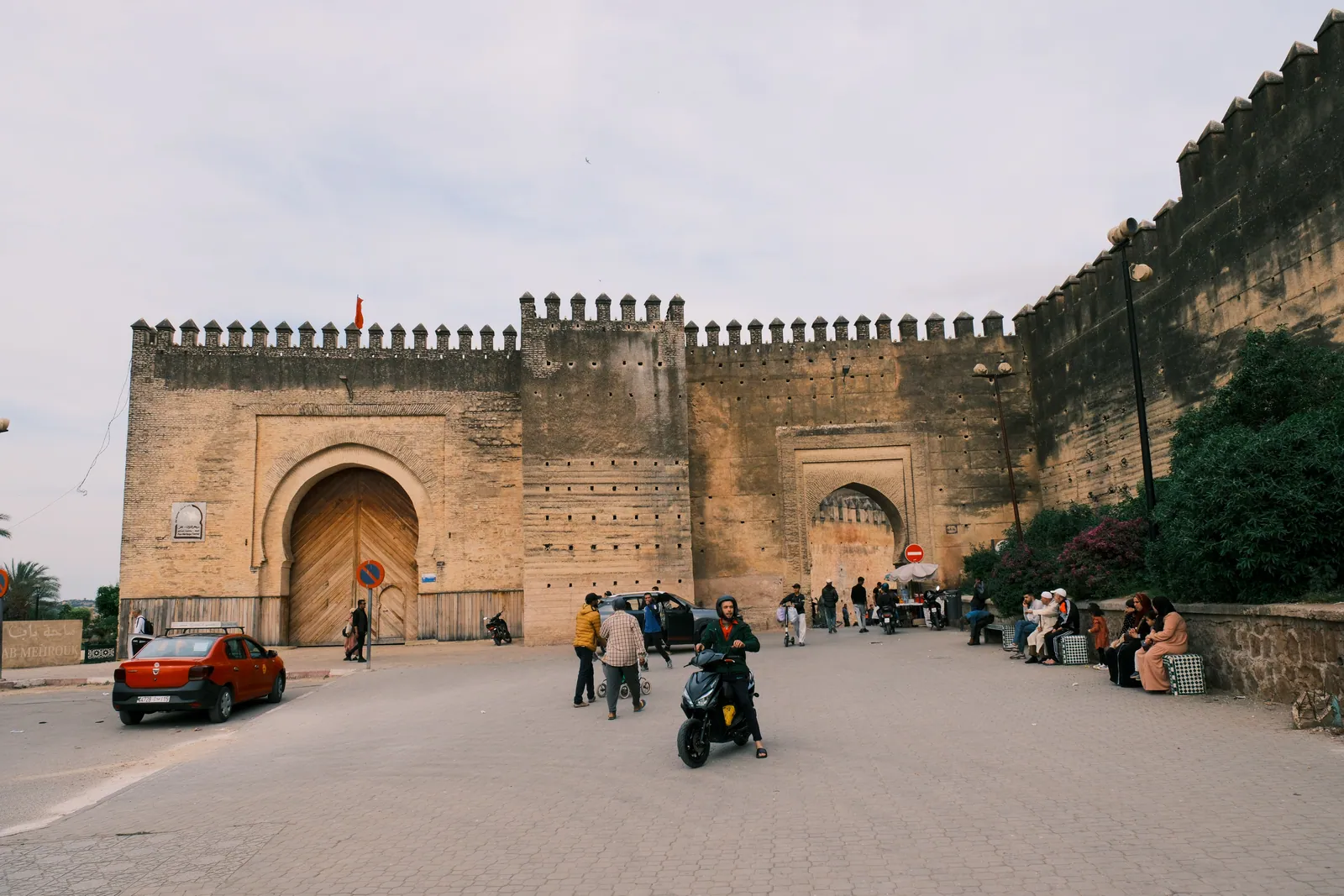
7 Days
7-Day Morocco Itinerary: Tangier to Marrakech
North to south in seven days, Tangier to Marrakech. It covers a lot of latitude, so it suits travellers who want range rather than one town lived in slowly.
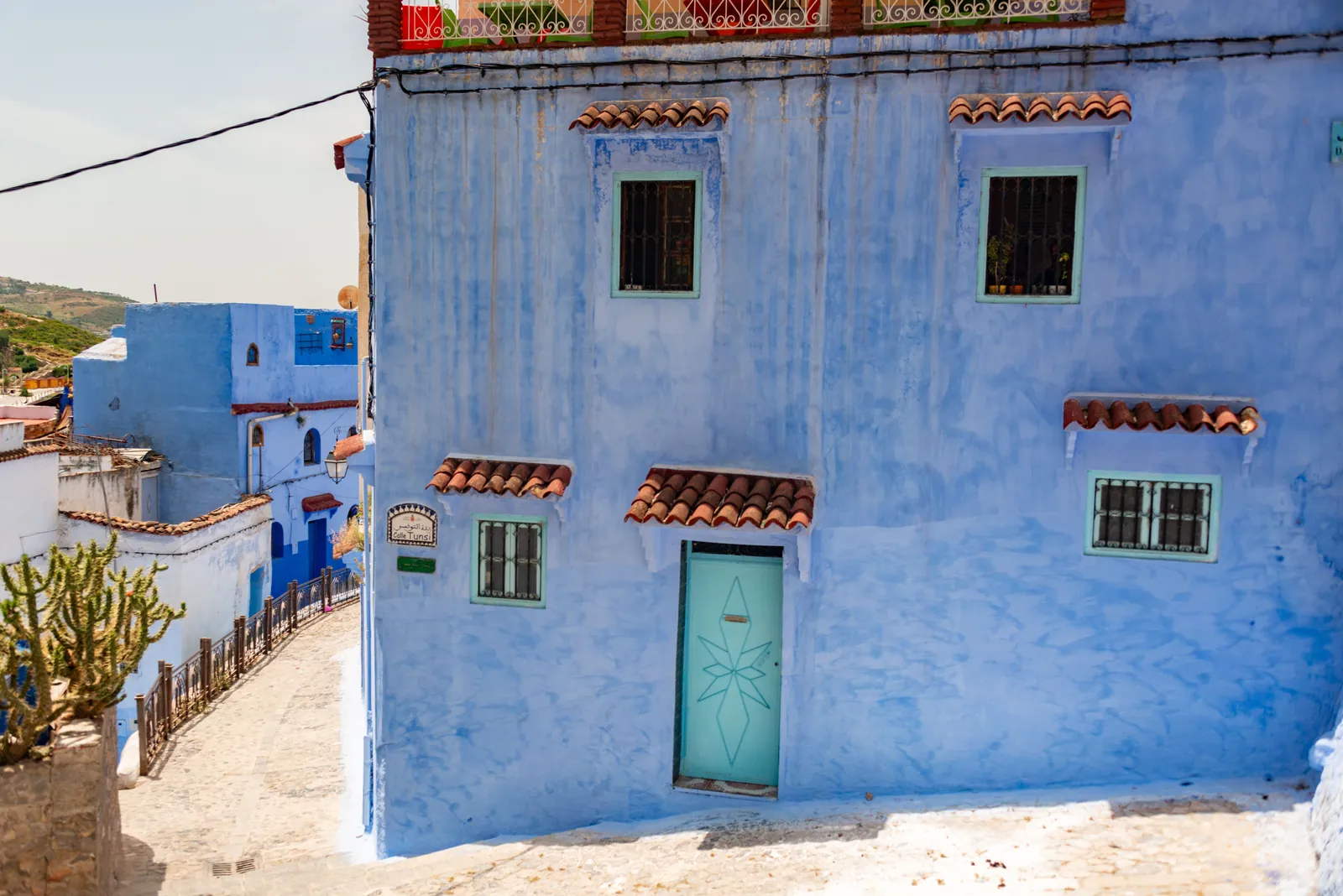
Blue City
Chefchaouen Day Trip
Chefchaouen is up in the Rif, north of Fes, and almost all of it is blue — walls, steps, doorways. A long drive to a town you walk slowly in, for one good afternoon.
Related Guides
Ferry From Spain to Morocco: Algeciras, Tarifa and Tangier Med Explained
A practical guide to the Spain–Morocco ferries — Tarifa vs Algeciras, Tangier Med vs the city port, vehicle rules, passport control, booking advice and how the crossing fits a Morocco road trip.
Imperial Cities Itinerary: Marrakech, Fes, Meknes and Rabat
A practical 7 to 8 day itinerary through Morocco's four imperial cities — Marrakech, Fes, Meknes and Rabat — plus the Roman site of Volubilis, with train and private-car logistics.
Morocco by Train: Al Boraq and the Classic Lines
A practical guide to travelling Morocco by train — the Al Boraq high-speed line, the classic routes to Marrakech and Fes, classes, booking, luggage and when a car is the better choice.
Liked this guide?
Give it a like on Instagram and tag us from your Moroccan adventure.
Ferry in, two nights, the Strait behind you — we will build the northern route around it
Our Marrakech-based team of local experts designs tailor-made Morocco trips around your dates, budget and travel style.
Request a Quote