

One esplanade holds an eight-hundred-year-old mistake and a twentieth-century monument: the tower a sultan never finished, and the royal mausoleum his successors built beside it anyway.
01. What the site is
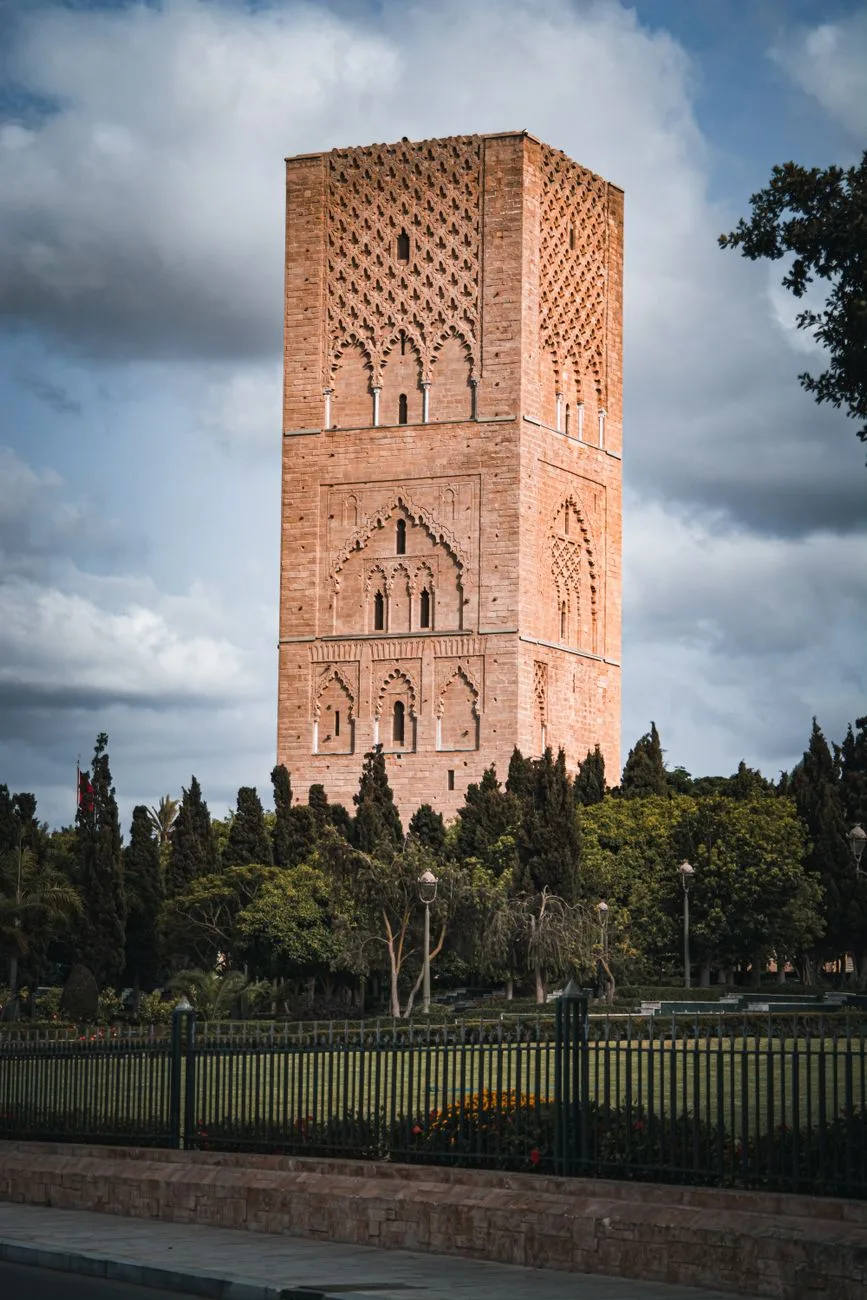
The esplanade on the Bou Regreg was meant to hold the largest mosque in the Islamic world. Sultan Yaqub al-Mansur commissioned it in the 1190s; his death in 1199 stopped the work, and what stands today is the tower at about 44 metres, the forest of columns that was to be the prayer hall's floor, and nothing else.
In front of that stands the Mausoleum of Mohammed V, completed in 1971 as the burial place of the Alaouite dynasty's modern founder and his son Hassan II. The two monuments share one square, and reading them together — ambition stopped, dynasty completed — is the whole visit.
02. The tower's story
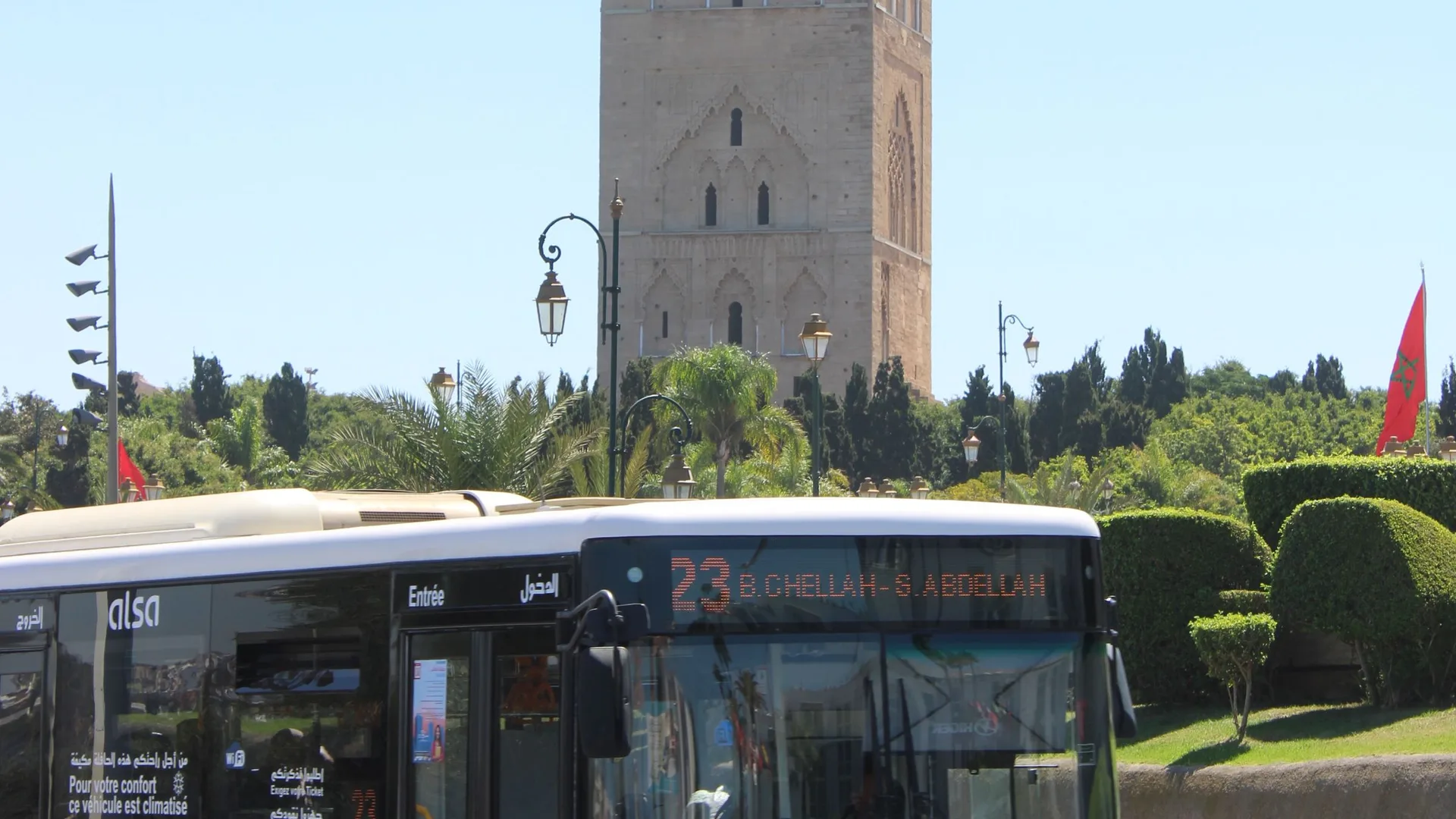
The Almohad sultans built their signature in minarets: the Koutoubia in Marrakech, the Giralda in Seville, and this one, begun as the tallest of the three. Had it been finished at its intended height it would have dwarfed both siblings; at 44 metres it still dominates Rabat.
The red-ochre sandstone carries the same decorative grammar as its sisters — blind arches, sebka lattice, carved banding — so the tower reads as the same idea at an unfinished stage. The stone is the local Rabat ochre, which is why it glows in evening light more warmly than the Marrakech minaret.
03. The colonnade
What most visitors underestimate is the field of columns in front of the tower: around 200 uprights and stumps of whitish stone laid out across the esplanade, marking where the prayer hall's forest of columns would have risen. Walking through them, the never-built mosque becomes legible in a way no model could show.
This is also where the scale of the original plan registers. The platform was to hold tens of thousands of worshippers; today it holds tour groups, cats and the wind off the river.
04. The mausoleum
The Mausoleum of Mohammed V is a white marble pavilion under a green-tiled pyramidal roof, built by royal order between 1961 and 1971. Inside, beneath the cupola, are the tombs of Mohammed V and Hassan II; the ceiling is carved and gilded cedar, the walls zellij and marble, and the craftsmanship is mid-twentieth-century Moroccan work at its most confident.
Non-Muslims may enter and view the tombs from the gallery — this is one of the few royal or religious interiors in Morocco open to all visitors. Dress modestly, keep voices down, and expect a silent, guarded room rather than a museum display.
05. The guard ceremony
Royal guards hold posts at the mausoleum entrance and on the esplanade, and the changing of the guard happens on a regular schedule through the day — a compact, genuinely ceremonial event rather than a show put on for visitors, which is exactly why it is worth timing your visit around.
06. Practical: free, open, and the prayer closures
Entry to both the esplanade and the mausoleum is free — no ticket, no booking. The site is generally open daily from around 8:30 or 9:00 until about 18:00, with the mausoleum's hours running slightly shorter on some days; both close briefly at prayer times.
Bring photo ID, which guards occasionally ask to see. Modest dress matters more here than at most open-air sites, because you are entering a royal mausoleum. The nearest tram stop is on Rabat's tram line, a short walk from the esplanade.
07. Best time and the views
Late afternoon is the right hour: the ochre tower takes on its warmest colour, the mausoleum's white marble goes gold, and the light across the columns lengthens. The site is also floodlit after dark, and the evening view from the Kasbah of the Udayas walls across the esplanade is one of Rabat's best.
The esplanade sits high on the Bou Regreg, and the view east over the river to Salé is part of the visit. Bring nothing, buy nothing, and give yourself the twenty minutes it takes to walk the full platform.
08. Around the monument
The Kasbah of the Udayas is five minutes downhill — the same Almohad century, a thousand years of subsequent life inside its walls, and the Andalusian garden and café terrace over the river. That pairing covers most of a Rabat morning.
The Mohammed V Avenue axis runs from the esplanade toward the modern city, with the Royal Palace at its far end. Trams, cafés and the Hassan district's restaurants are all within a few minutes' walk, which makes this the easiest major monument in Morocco to build a day around.
Frequently Asked Questions
Is the Hassan Tower site free to visit?
Yes — both the esplanade with the tower and the Mausoleum of Mohammed V are free, with no ticket and no booking.
What are the opening hours?
Roughly 8:30 or 9:00 to about 18:00 daily, with short closures at prayer times; the mausoleum can close slightly earlier. Confirm locally in summer.
Can you enter the mausoleum as a non-Muslim?
Yes — non-Muslims may enter and view the royal tombs from the gallery. Modest dress and quiet are expected.
Can you climb the Hassan Tower?
No — the tower has never been open to the climb; only its exterior and the esplanade of columns.
How long does the visit take?
About an hour for both monuments, more if you walk the full esplanade and the river views. The Kasbah of the Udayas next door adds a second hour.
More Morocco tours
Day Trip
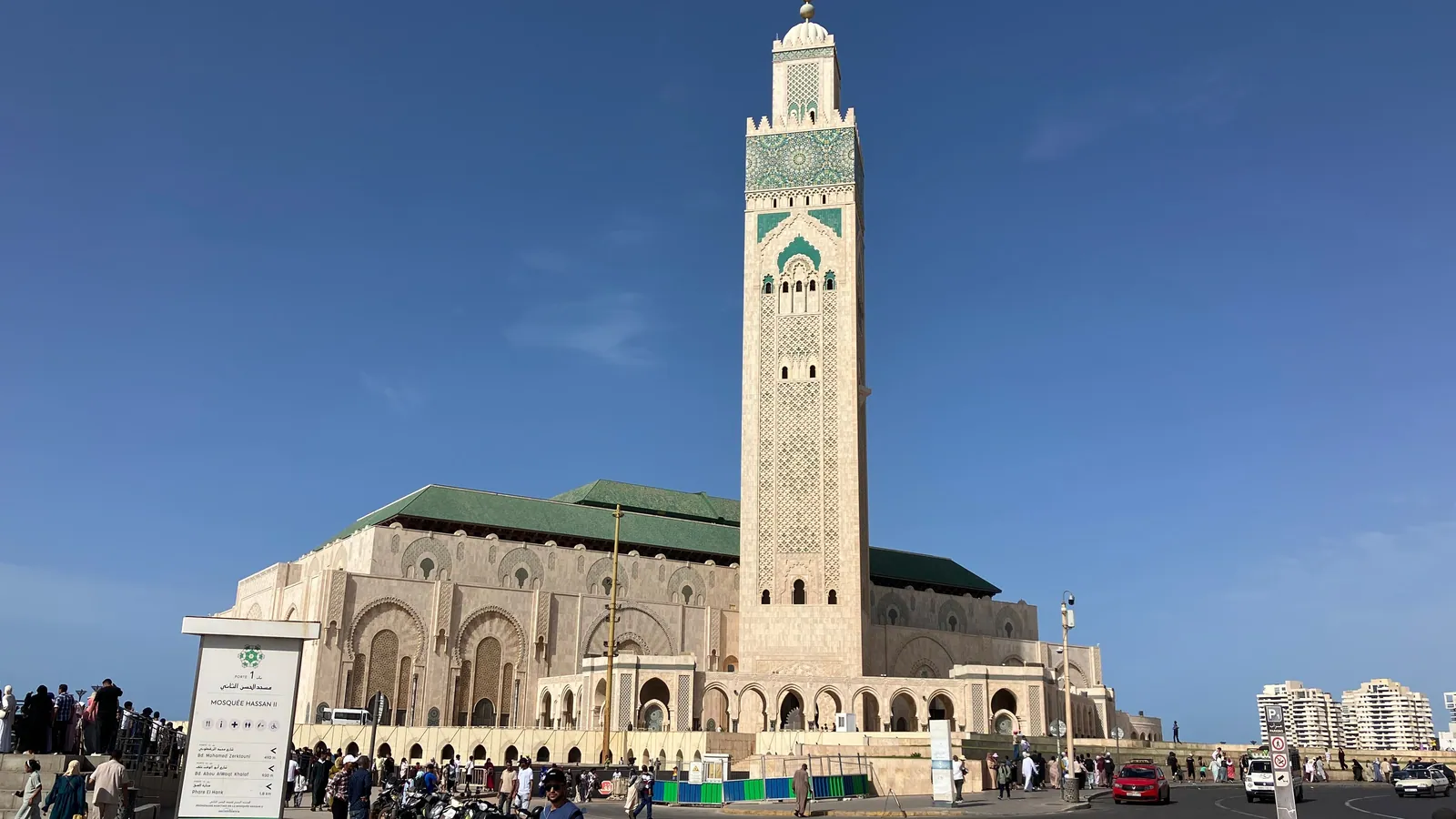
Casablanca City & Hassan II
The Hassan II mosque, the Art Deco quarter and the Corniche, walked with a guide. Half-day or full-day: the mosque anchors it and everything else fits around your schedule.
10 Days
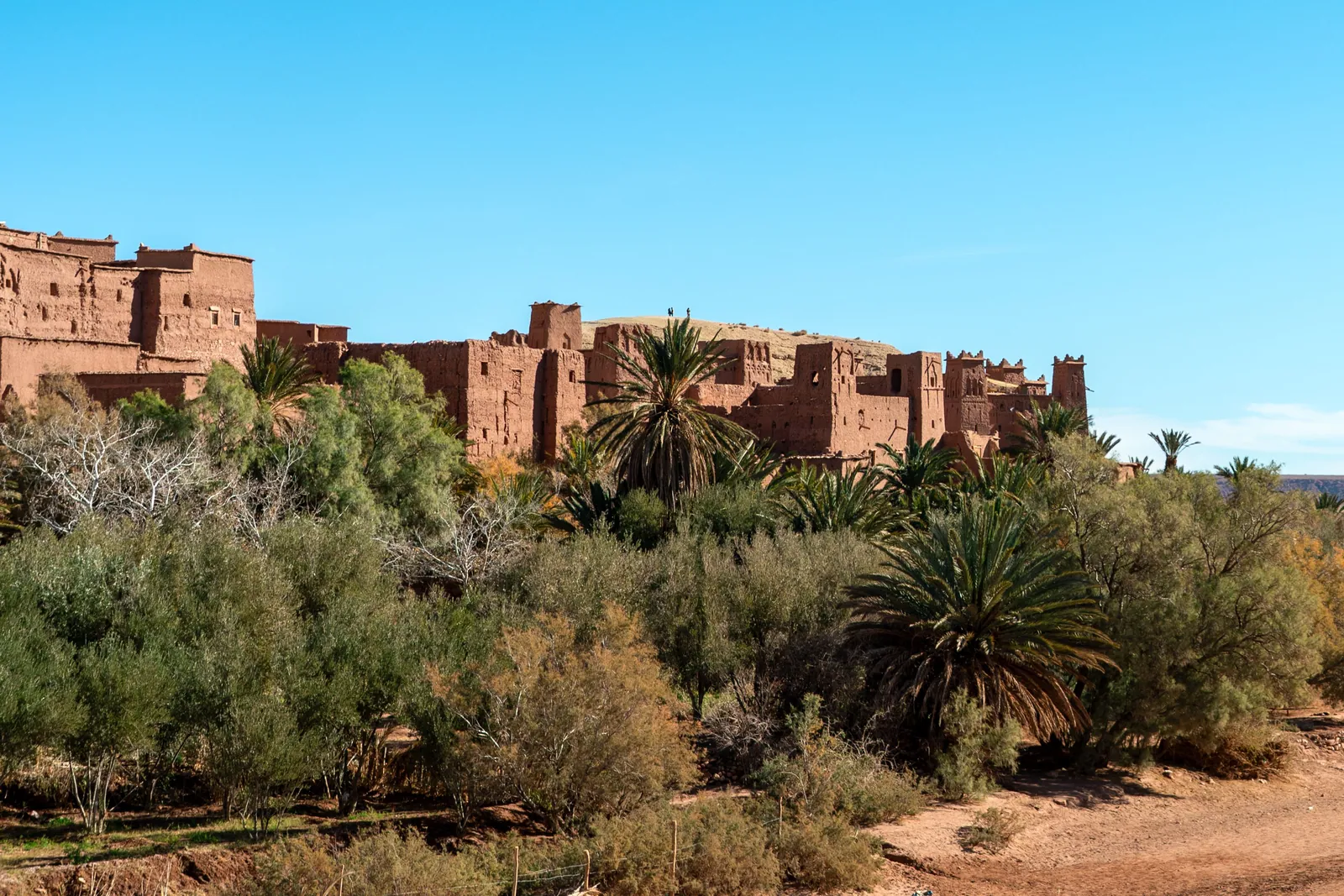
10-Day Morocco Tour from Casablanca
Ten days from Casablanca through imperial cities, mountain villages and desert. Built for range rather than one region, with three different settings spaced out so no two days look alike.
7 Days
7-Day Morocco Tour: Casablanca to Marrakech
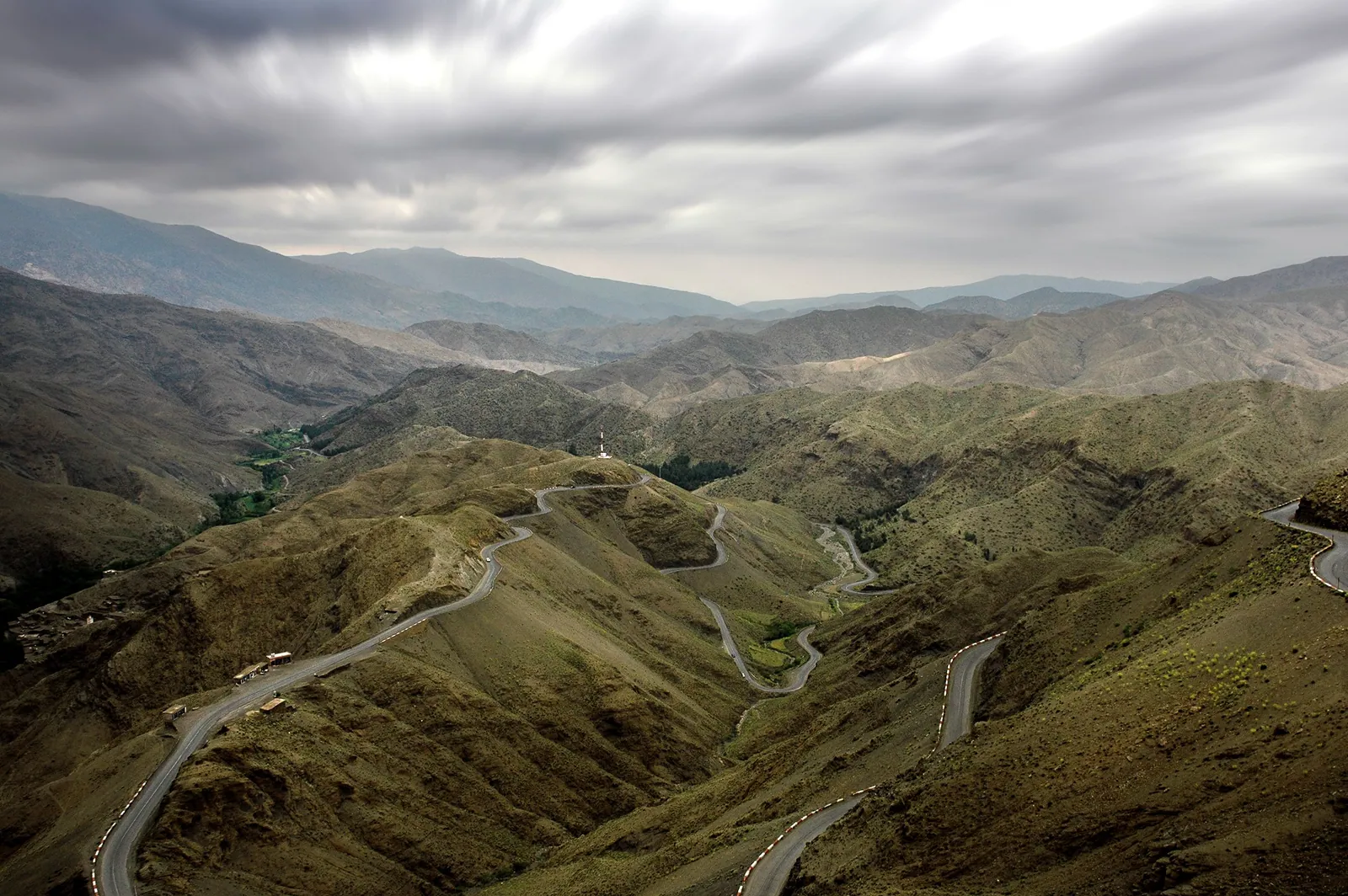
A week from Casablanca to Marrakech through royal cities, mountain passes, ksar country and the Sahara. The most driving of the seven-day options — and on this one the drive is half the point.
Related Guides
Koutoubia Mosque: Marrakech's Minaret and How to See It Properly
The Koutoubia Mosque is Marrakech's defining landmark — a 12th-century Almohad minaret that inspired the Giralda in Seville and the Hassan Tower in Rabat. What you can visit, where the best views are, and the honest answer on going inside.
Kasbah of the Udayas, Rabat: the Fortress Over the River
The Kasbah of the Udayas is Rabat's Almohad fortress at the mouth of the Bou Regreg — monumental gate, blue-and-white Andalusian quarter, a small museum and the best mint-tea terrace in the capital. What is open, what it costs and when to come.
Hassan II Mosque: Visiting Casablanca's Atlantic Mosque
How to visit the Hassan II Mosque in Casablanca — the only mosque in Morocco open to non-Muslim visitors: official ticket prices, guided tour times, what you see inside and how the visit fits a day in Casablanca.
Liked this guide?
Give it a like on Instagram and tag us from your Moroccan adventure.
Ask us how Rabat's monuments fit into your itinerary
Our Marrakech-based team of local experts designs tailor-made Morocco trips around your dates, budget and travel style.
Request a Quote