A festival week transforms a city — prices up, rooms gone, streets alive — and knowing the rhythm is the difference between chasing the celebration and fleeing it.
01. The calendar is a planning tool
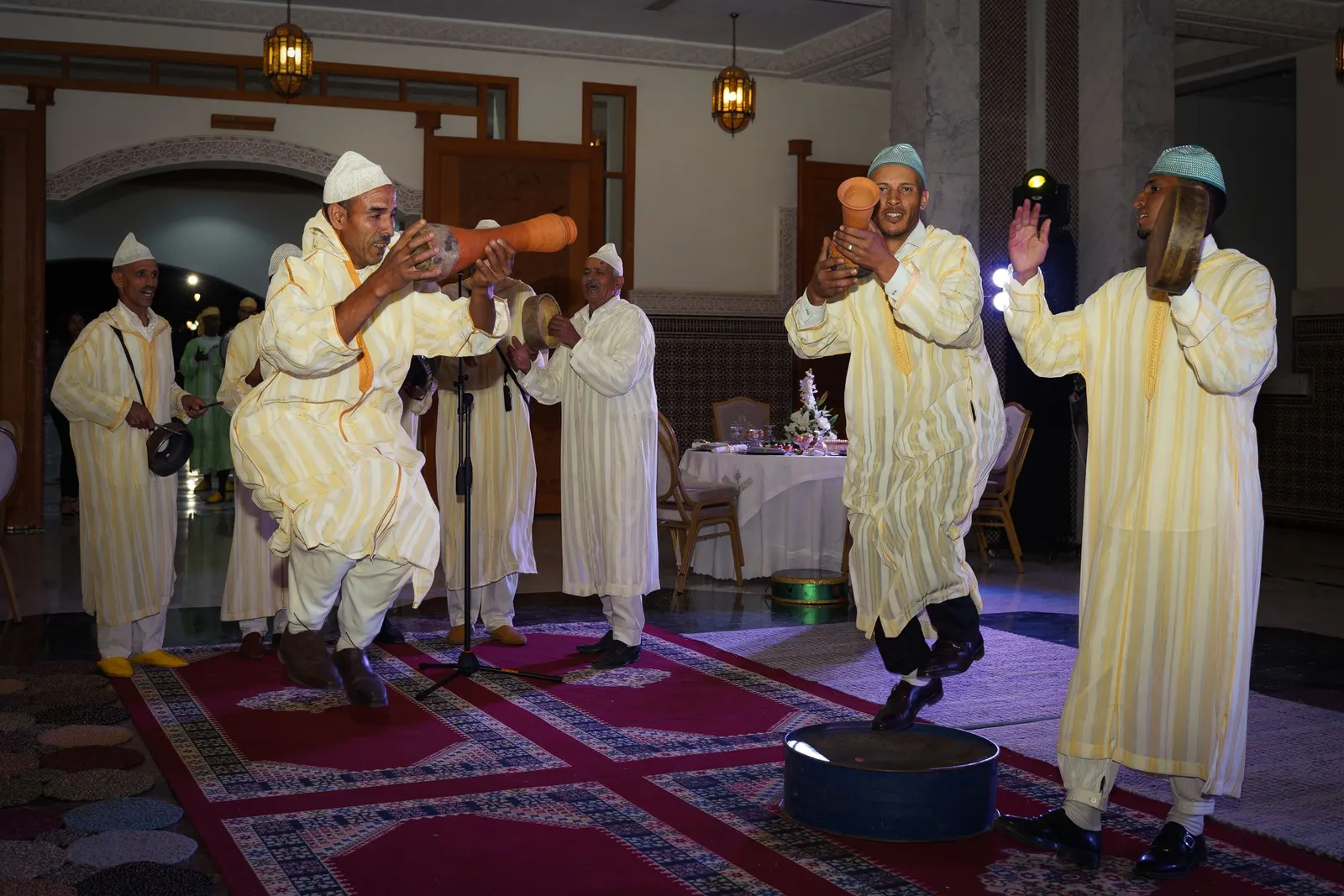
Morocco's festival season is one of the least marketed, most rewarding travel finds in the country. The famous events are known well beyond Morocco — the Gnaoua festival in Essaouira draws hundreds of thousands for a week of trance music on the Atlantic ramparts — but they appear in no package brochure, and most visitors arrive the week after one without knowing it existed.
One caution before the list: most of these dates shift year to year. Some follow the Islamic lunar calendar, moving about 11 days earlier each Gregorian year; others are fixed by harvest or season and announced months ahead. Treat the months below as planning guidance, and check the exact current dates before booking.
02. Gnaoua World Music Festival — Essaouira, late June
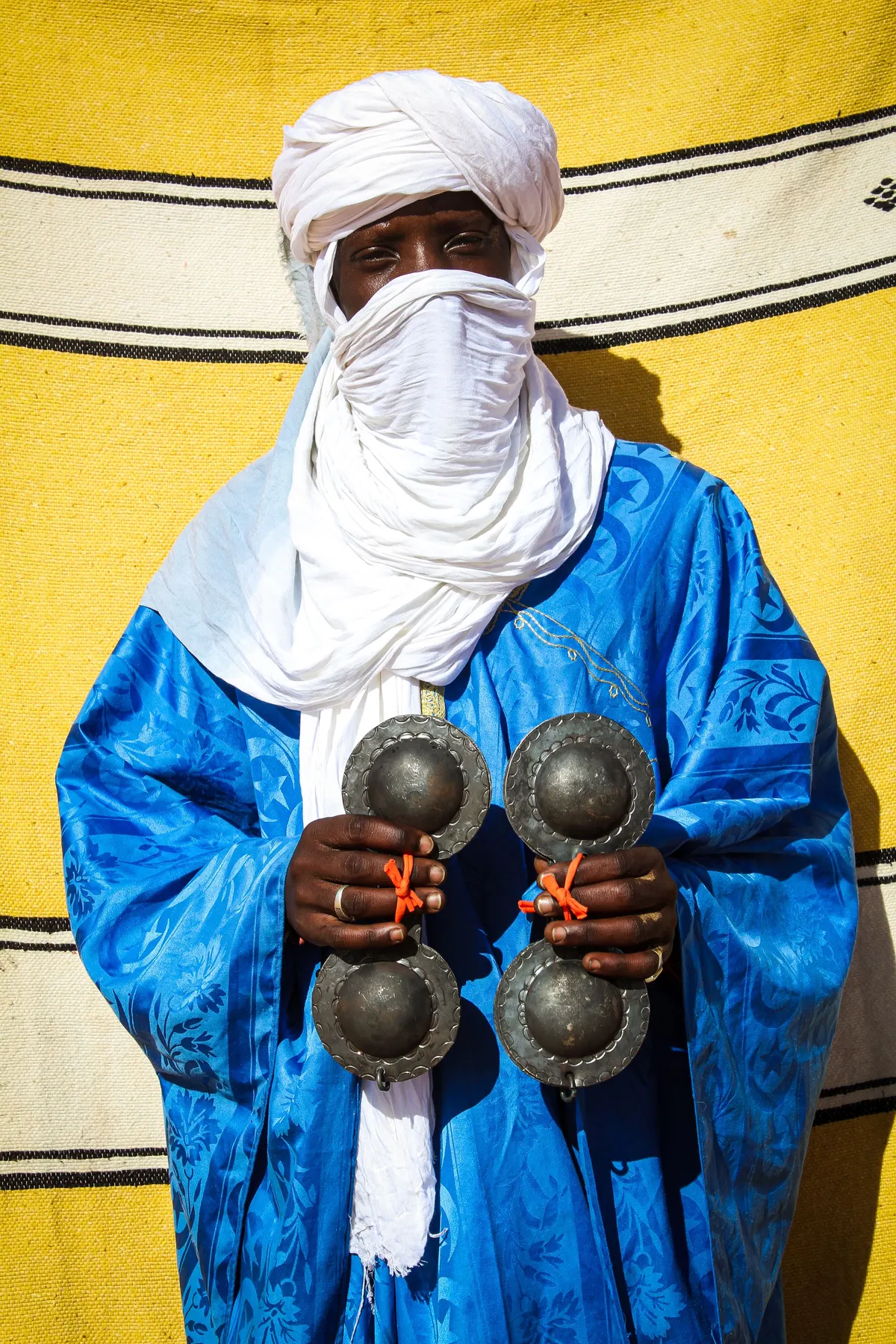
The big one. Three days in recent editions — 25 to 27 June in 2026 — of Gnaoua trance music, jazz, blues and world acts on stages across Essaouira's medina and its Skala ramparts, much of it free.
Gnaoua music itself, the sub-Saharan-rooted spiritual tradition with its guembri bass lute and metal qraqeb castanets, is the festival's soul: nightly lila, all-night healing ceremonies, run alongside the concerts, and the mix of sacred ritual and festival energy is unlike anything else on the continent.
Practical notes: Essaouira fills completely — book months ahead, or stay in Agadir or Marrakech and day-trip, the drive from Marrakech is about two and a half hours. The medina during festival week is joyously packed; the Skala seawall at sunset is the image everyone comes for.
03. Rose Festival — Kelaat M'Gouna, Dades Valley, May
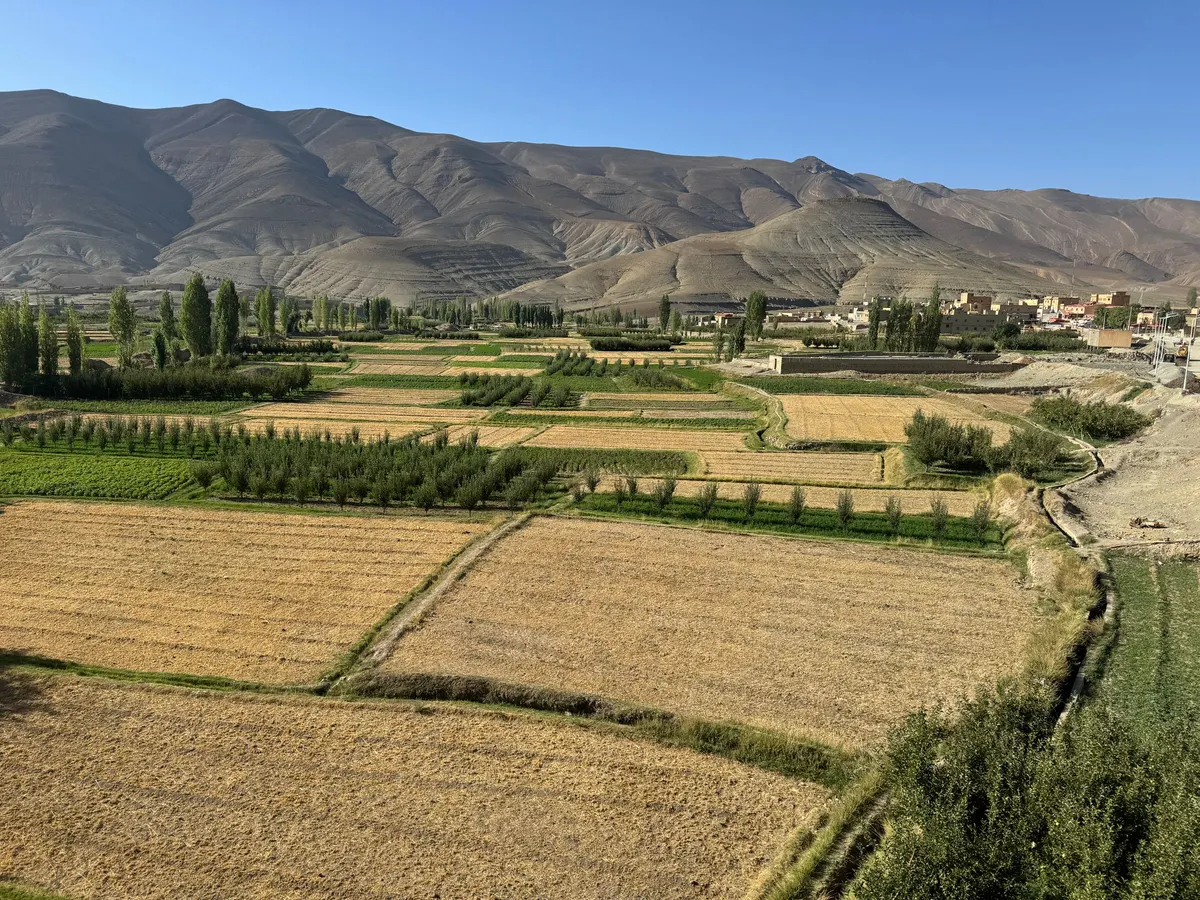
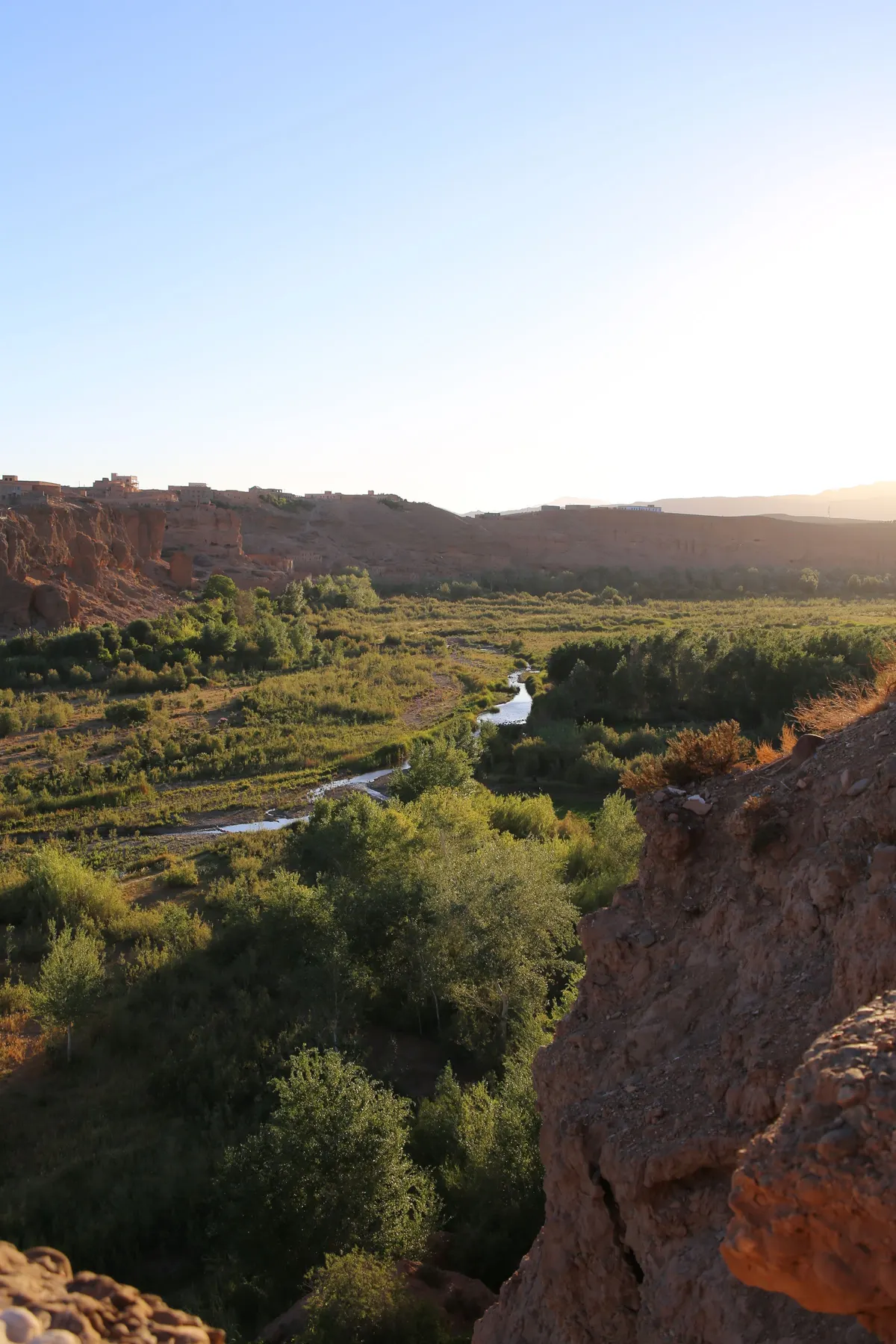
The harvest celebration of the valley's damask roses, which perfume the whole M'Gouna region in May. There is a parade, a Rose Queen contest, music, and stalls selling rose water, rose oil and every derivative the growers make. The surrounding bloom — rose fields against red-rock cliffs — is the quieter draw, best in the two weeks around the festival.
The dates track the bloom, not the calendar: the 2026 edition ran 6 to 9 May, and late April to mid-May covers most years. It sits on the Dades to Todra route most desert itineraries already drive, so it costs little extra to time a passing. Accommodation in the valley books out during the bloom; the honest alternative is a Marrakech or Ouarzazate base with a rose-valley day trip, or booking far ahead.
04. Fes Festival of World Sacred Music — Fes, usually June
A week of sacred and spiritual music from every tradition — Sufi whirling, gospel, Orthodox chant, Buddhist choirs — staged in Fes's riads, palaces and courtyards during the longest evenings of the year.
The programming is serious, the venues, including the Bab Makina plaza and various palaces, are extraordinary, and the city's religious gravity makes the setting more than decorative. It pairs naturally with a Fes visit at any time, but during the festival the medina's evenings turn into a citywide concert crawl.
05. Mawazine — Rabat, mid-to-late June
Africa's largest music festival by attendance — nine days across multiple stages in Rabat, international headliners alongside Moroccan and African acts, 19 to 27 June in 2026, and a local public that turns out in the hundreds of thousands.
It is less a tourist festival than a national one, which is precisely its charm: you will be in the crowd with half of Rabat. Free stages, ticketed headliners, and metro-scale crowd management. Combine with Rabat's medina and Kasbah of the Udayas, both an hour from Casablanca by train.
06. Timitar — Agadir, June to July
Agadir's Amazigh, Berber, culture festival: music celebrating Tamazight identity, with big outdoor stages and a strong local following.
It gives a summer Agadir stay a second reason beyond the beach, and the Amazigh focus — language, dress, music — connects to the culture side of Morocco that the coastal-resort itinerary otherwise misses.
07. Imilchil Marriage Festival — High Atlas, September
The most unusual entry. In the high Atlas village of Imilchil, the tribes of the region gather for a days-long moussem, seasonal festival, centred on arranged marriages: young Berber men and women from different clans meet, families negotiate, and the whole thing carries genuine social weight beyond any performance for visitors.
It is small, remote, basic in accommodation, and completely unlike a music festival. Travelers who make the effort describe it as one of the most memorable encounters in the country. Independent travel needs a local guide; go with realistic expectations and respect for a living tradition rather than as an audience.
08. The moussems of the south — Tan-Tan and beyond
The great nomadic gatherings: the Moussem of Tan-Tan, usually autumn near the Saharan coast, historically convened tribes from across the region with music, poetry and camel racing, and UNESCO has recognized the tradition.
These are for the deeply curious, require local knowledge and permissions, and are worth watching for anyone whose Morocco trip has a Saharan culture focus.
09. Ramadan and the two Eids — moving with the lunar calendar
Ramadan, the month itself shifting about 11 days earlier each year, is covered in its own guide — the practical effect on restaurants and hours in daylight. What belongs here: Eid al-Fitr, the end of Ramadan, and Eid al-Adha, the feast of sacrifice about 70 days later, are national family holidays.
Cities empty toward family homes, some shops and restaurants close for one to three days, and intercity transport sells out days ahead. Road travel on the days just before each Eid is the heaviest of the year. If your trip lands on an Eid, plan meals around hotel restaurants and expect a quieter, more local city.
10. National and cultural dates worth knowing
Independence Day on 18 November and Throne Day on 30 July bring official ceremonies, decorations and sometimes free public concerts in the capitals. Green March Day on 6 November is a national holiday with the same quiet-city effect.
Yennayer, the Amazigh New Year around 12 to 13 January, is increasingly celebrated with public events — a good January hook in Amazigh regions.
11. How a festival week changes a trip
The universal mechanics: accommodation prices rise and availability collapses in the host city — book months ahead for Gnaoua, Mawazine and Fes Sacred Music; medina streets near the stages close to traffic; evenings become the main event and mornings are slow; and the surrounding region is unaffected, so a festival base plus a valley day trip is the standard smart plan.
For festival-chasers, the natural season run is: Rose Festival in early May, Mawazine and Fes Sacred Music in June, Gnaoua and Timitar in high summer, Imilchil in September for the culturally adventurous. A May to July visit stacks three of the biggest within weeks of each other.
Frequently Asked Questions
When is the Gnaoua festival in Essaouira?
Typically late June into early July, running several days with free outdoor stages across the medina and paid headliner events. Exact dates are announced in spring and shift slightly yearly — check the official festival site before booking, and reserve Essaouira accommodation months ahead; the town fills completely.
What is the Rose Festival in Morocco?
The May harvest festival in the M'Gouna valley of the Dades region, celebrating the damask rose bloom — with parades, a Rose Queen contest, music and stalls of rose water and oil. The rose fields against the valley cliffs are the draw beyond the ceremony, and it sits directly on the standard Marrakech to Sahara route through the Dades Valley.
Are Morocco's festivals worth planning a trip around?
For music and culture travelers, yes — Gnaoua in Essaouira and the Fes Sacred Music festival are festivals that most package visitors miss entirely. The practical requirement is early booking: host cities sell out months ahead during festival weeks, and the dates, especially the lunar-calendar ones, must be confirmed before committing.
What is the Imilchil marriage festival?
A September moussem in the High Atlas where tribes of the region gather for traditional arranged marriages — a living social event rather than a performance for tourists. It is remote, basic and requires independent logistics with a local guide; it suits culturally motivated travelers with realistic expectations, not a casual excursion.
Do I need to worry about festivals during Ramadan or Eid?
Ramadan changes daytime restaurant hours, covered in the dedicated guide. The two Eids are national family holidays when cities quieten, some businesses close for a few days and intercity transport books out in advance — plan hotel dining around them and buy long-distance tickets early if your dates overlap.
More Morocco tours
9 Days
9-Day Family Morocco Tour from Marrakech
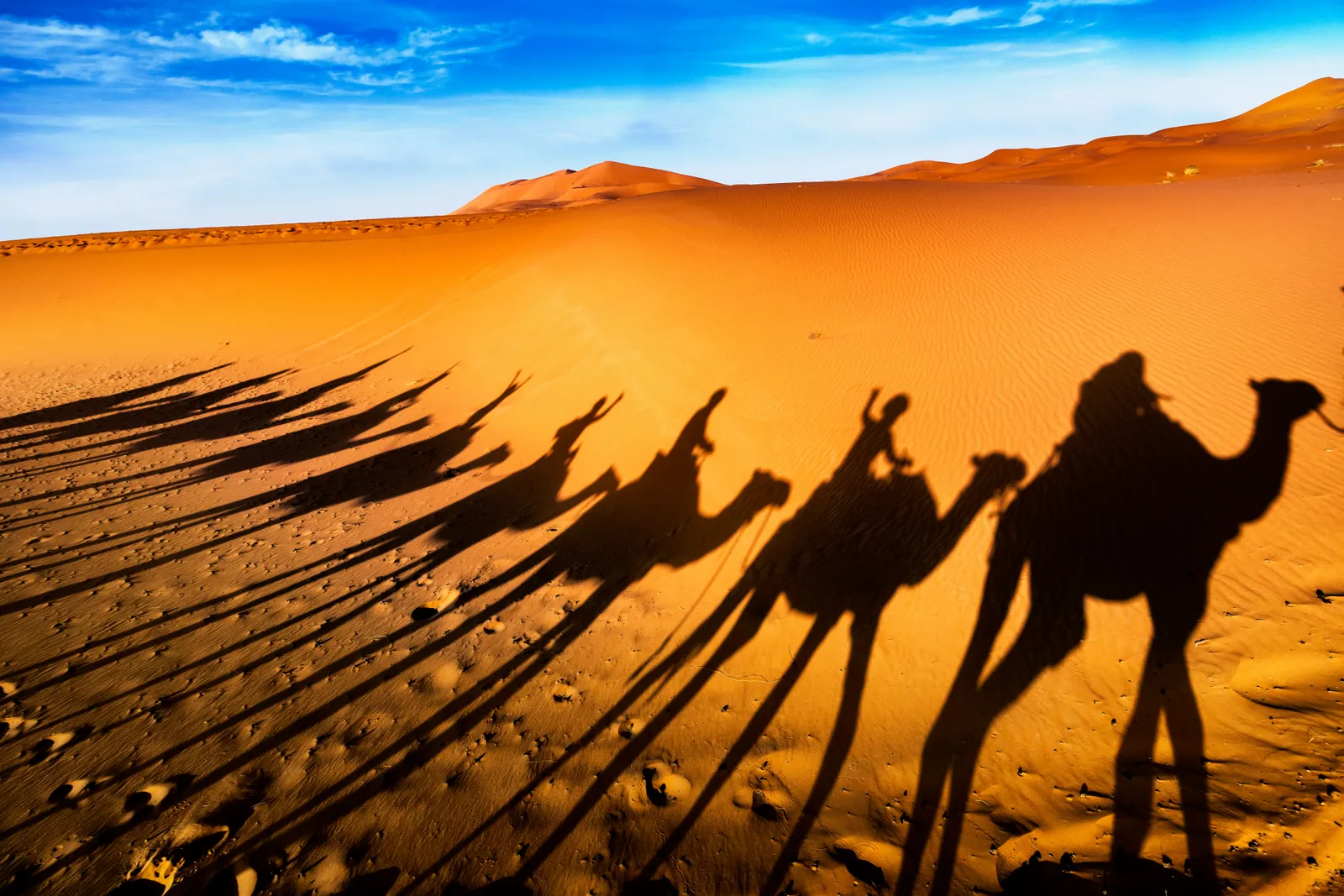
Nine days from Marrakech built around a family's pace: camel rides, kasbahs they can climb, shorter driving days and rooms that fit four. Each stop has something to do when you arrive.
Near Marrakech
Agafay Desert
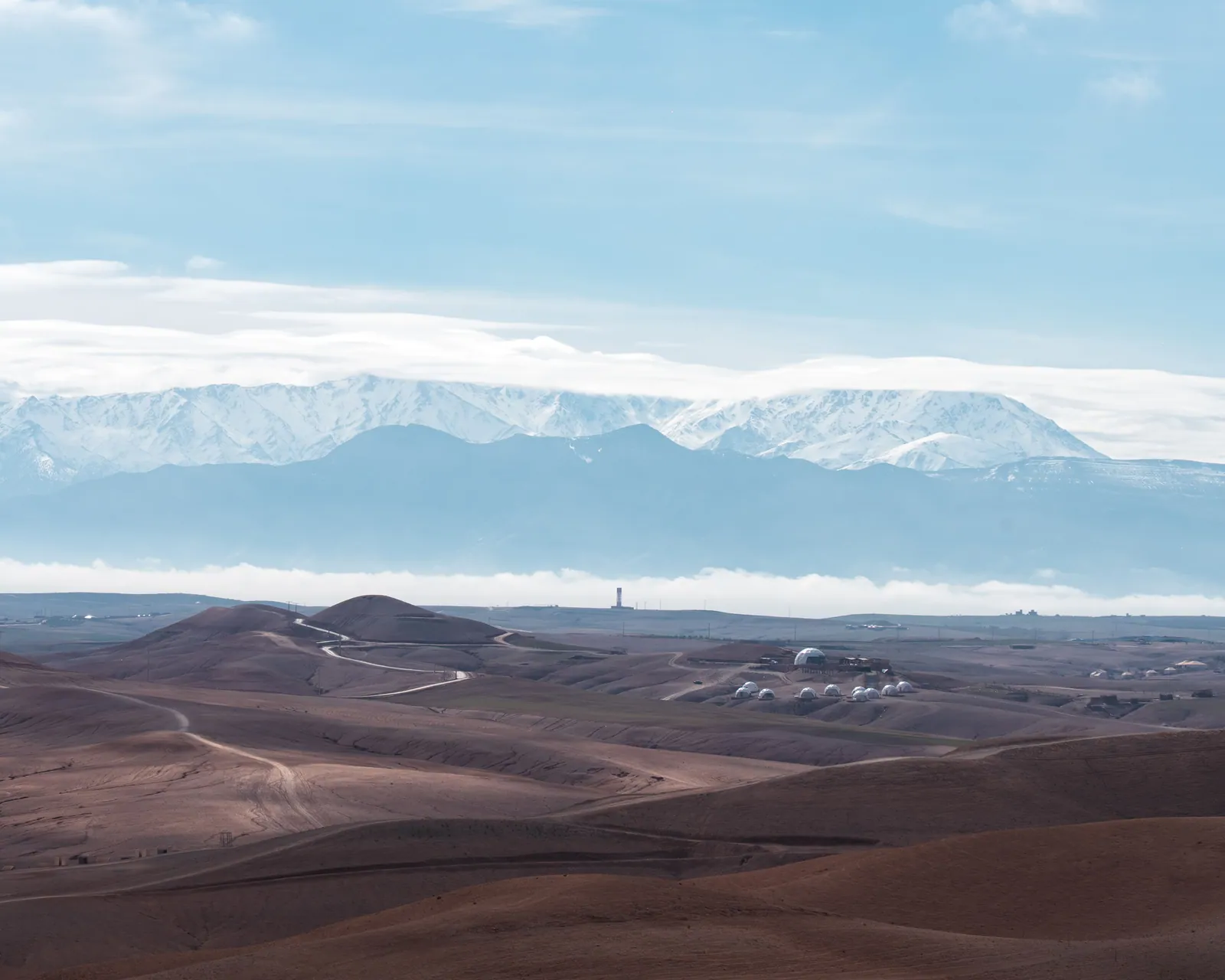
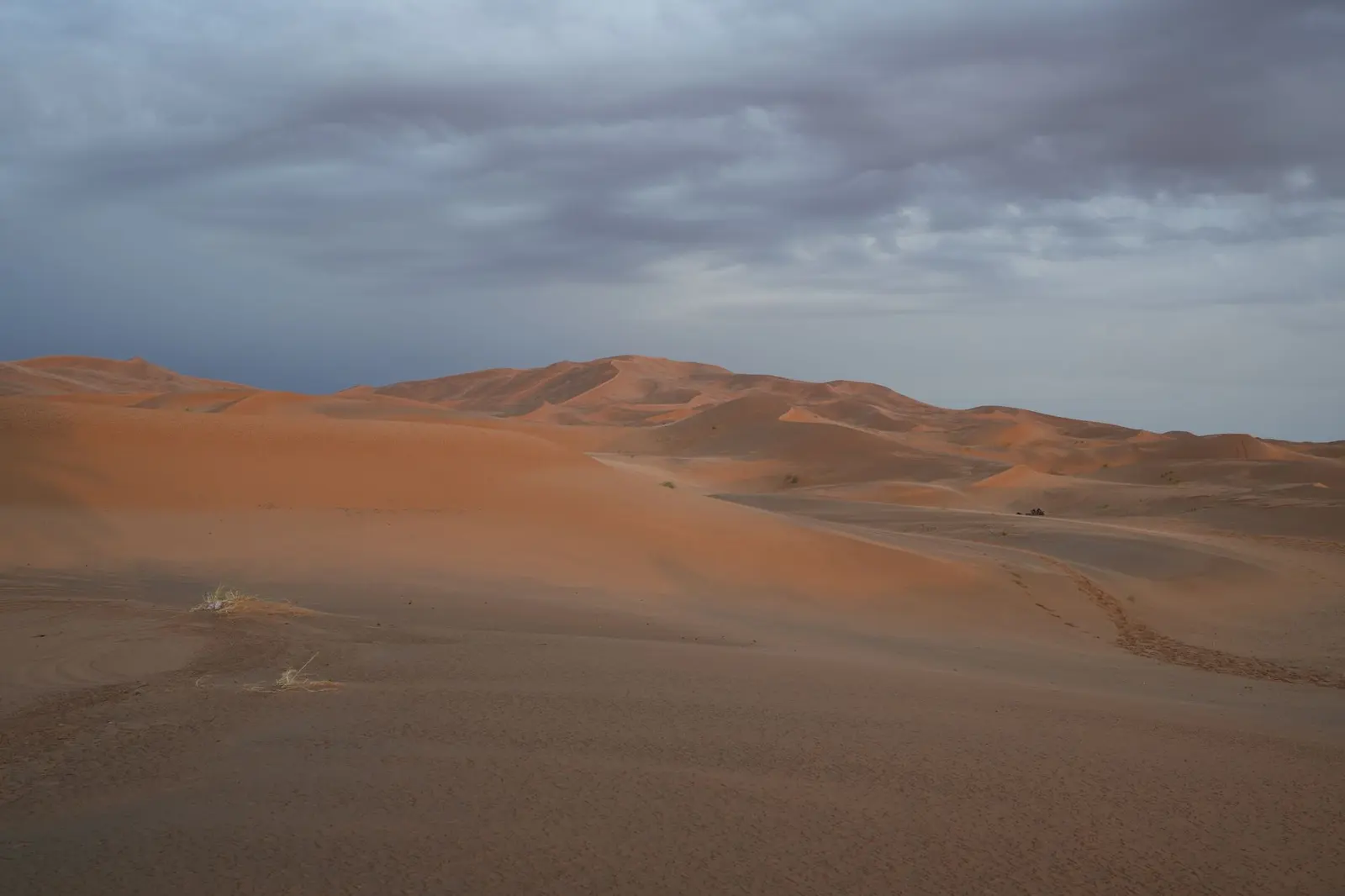
A dry, rocky desert close to Marrakech, with no dunes — bare hills, open horizons and camps laid out for dinner after dark. The short transfer is the point: one night either side of a city week.
3 Days
3-Day Luxury Marrakech to Fes Desert Tour via Merzouga
Three private days from Marrakech over the High Atlas to Aït Ben Haddou, then east through Skoura, the Valley of Roses and Todra Gorges to a luxury camp on the Erg Chebbi dunes — finishing north through the Ziz Valley and the Middle Atlas at your accommodation in Fes.
Related Guides
Fes vs Marrakech: Two Medinas, Two Very Different Cities
Fes and Marrakech are both imperial cities with UNESCO medinas, but they deliver different trips. An honest comparison of atmosphere, sights, food, logistics and which city suits first-time visitors.
Best Time to Visit Morocco
Season by season, city by city: when to visit Morocco for the best weather, fewest crowds and best prices, including desert timing and festivals.
Ouzoud Waterfalls Guide: Getting There, Best Time and What to Expect
How to visit the Ouzoud Waterfalls — driving time from Marrakech and Azilal, boat rides, swimming, the Barbary macaques, where to stay overnight and how to avoid the worst of the touts.
Liked this guide?
Give it a like on Instagram and tag us from your Moroccan adventure.
Send us your travel dates — we will tell you which festival your trip will land on
Our Marrakech-based team of local experts designs tailor-made Morocco trips around your dates, budget and travel style.
Request a Quote