

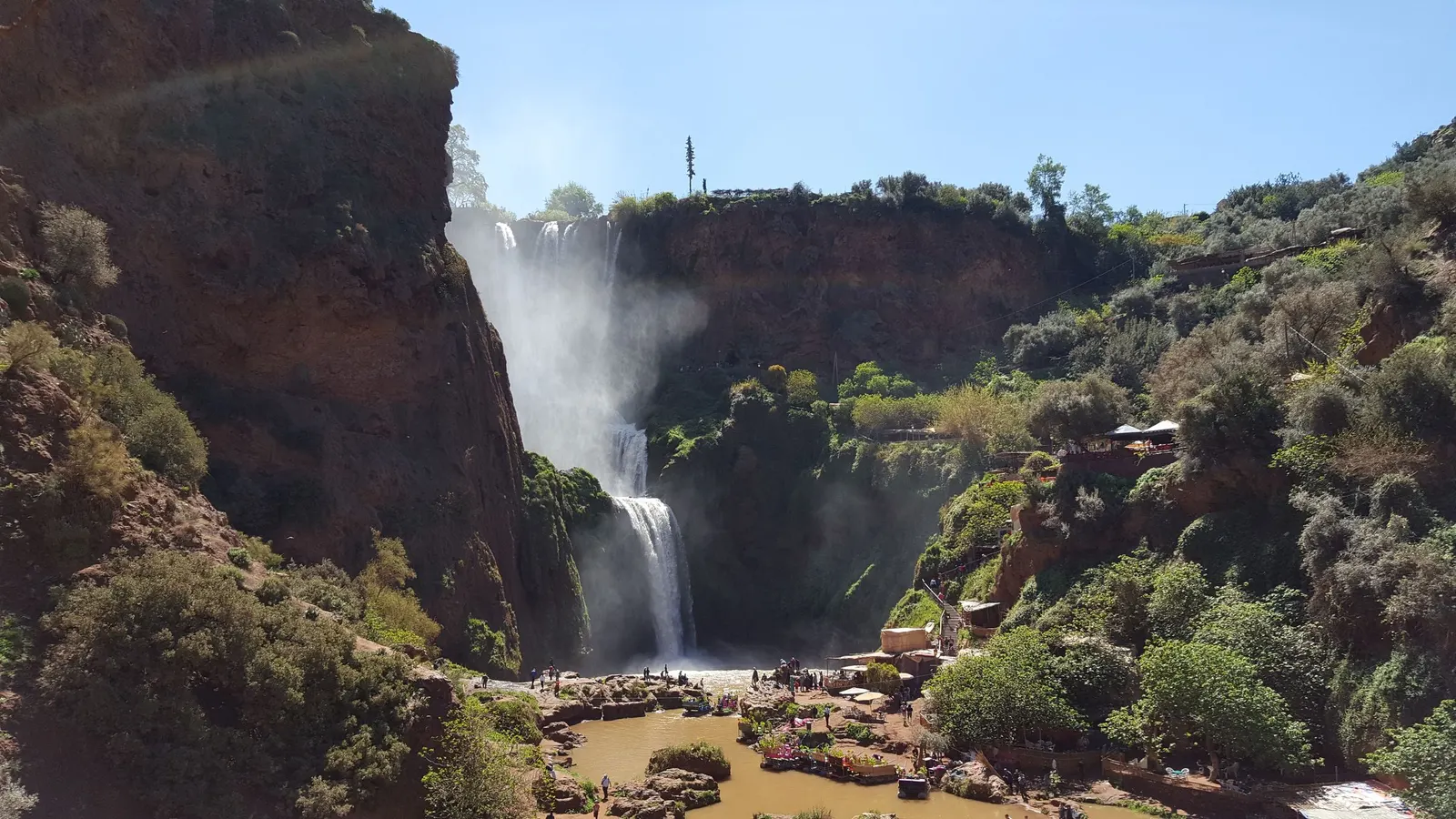
Visited on the right day, at the right hour, Ouzoud is what the photos promise. Visited wrong, it is a queue of day-trippers at the bottom pool.
01. Morocco's highest falls
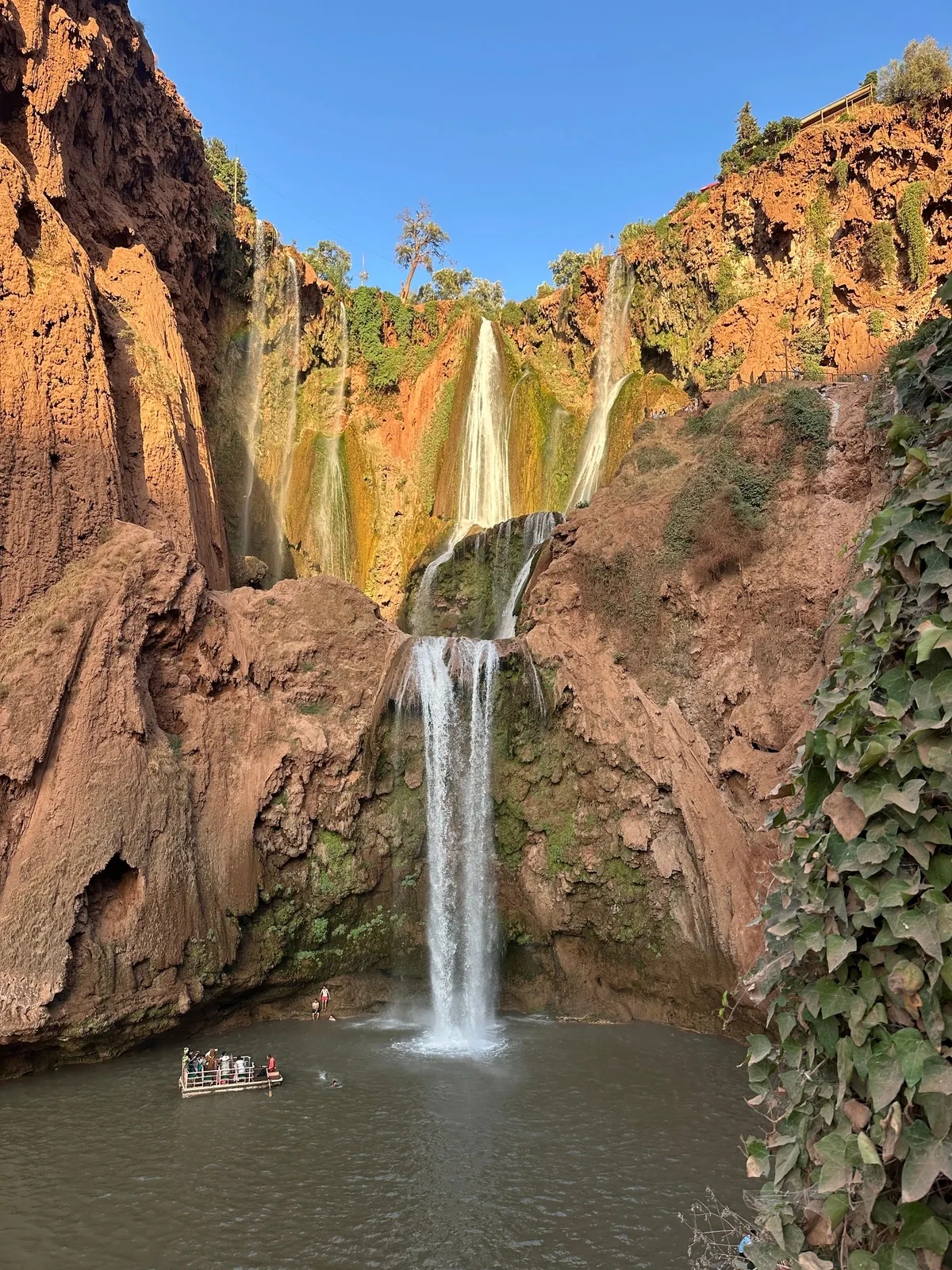
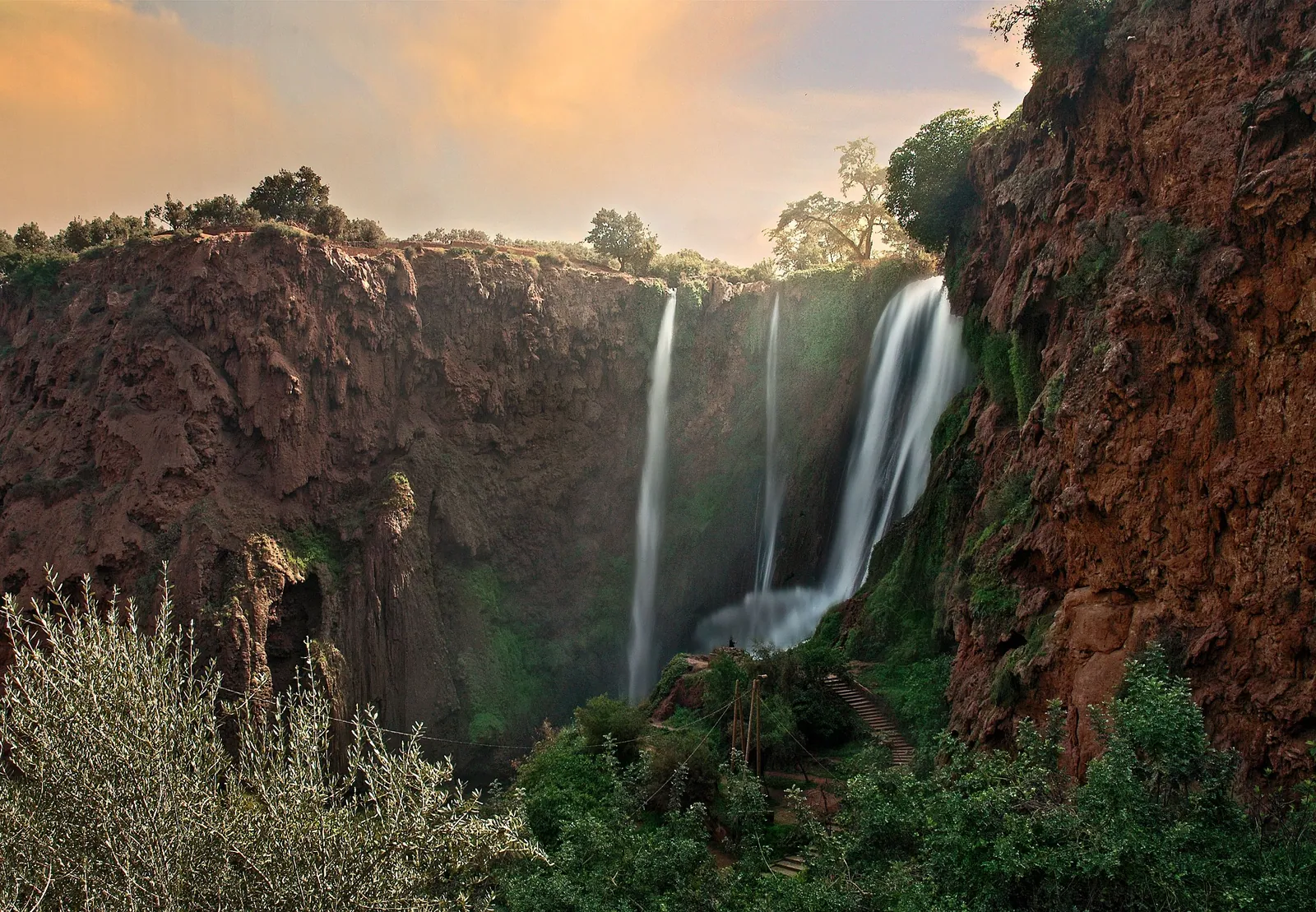
The Ouzoud Waterfalls are the highest in Morocco — around 110 metres of the El-Abid river dropping in three tiers through olive trees into a pool at the bottom, in the Atlas foothills northeast of Azilou. They are also the most reliable waterfall trip from Marrakech, close enough for a day trip and running year-round.
They are also, on a summer weekend, one of the most crowded natural sites in the region — a fact most marketing pages leave out. This guide covers both realities.
02. Where it is and how long it takes
Ouzoud sits in the Middle Atlas foothills, roughly 150 km from Marrakech — about a two-and-a-half-hour drive, most of it decent road with a final stretch of switchbacks down into the valley. From Azilal, the provincial town, it is about 20 to 25 km.
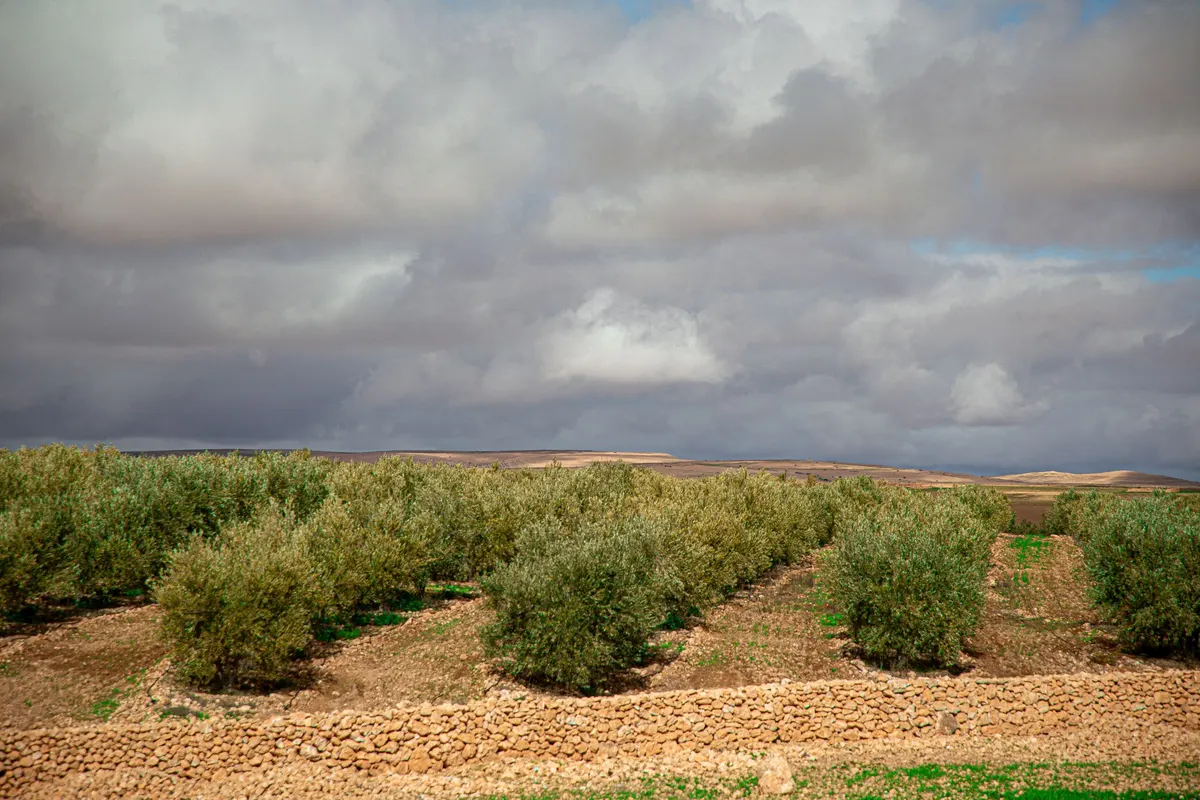
The drive itself is half the value: the road leaves the Haouz plain, climbs into Amazigh, Berber, villages of red earth and olive terraces, and the last viewpoint pull-offs over the valley are worth stopping for.
03. Getting there
Rental car or private driver is the strong recommendation. The falls are a road destination, and having your own vehicle controls the day: leaving early, stopping at the terraces, choosing when to leave before the afternoon crowds peak. Parking at the top of the village is a short walk from the trailhead.
Grand taxi is possible but rigid: shared grand taxis leave Marrakech for Azilal, then a second taxi to the falls, and the timing rarely works for a comfortable day with no guaranteed evening return. A private grand taxi for the day is an alternative to a driver, negotiated in advance.
Organized day trips run daily from Marrakech, usually combining the falls with a Berber village stop — fine if you do not want to drive, but expect a full day and a fixed schedule. Buses to Azilal exist, but the last 30 km and the return timing make public transport impractical for a day visit.
04. The walk down, and the walk back up
The trailhead is at village level, at the top of the cliff. From there it is a descent of roughly 30 to 60 minutes on a dirt path with switchbacks, passing olive groves and small cafes; the bottom pool and the closest viewpoint of the main drop are at the end of it.
The descent is easy. The ascent is the part people underestimate — the same path, uphill, in the Middle Atlas sun, and in summer afternoon heat it is genuinely tiring. Take water, go down in the morning, and do the climb before the day heats up.
There is an alternative: small motorized boats, roughly 30 to 50 MAD, cross the pool and shuttle visitors up the river to the base of the main cascade, skipping part of the walk — the standard move for families and anyone avoiding the climb. Wear shoes with grip: the final approach to the water is rock, often wet, and flip-flops fail there.
The pool is swimmable in summer in the calm areas away from the boat lanes; the current picks up closer to the falls and after rain, and drowning accidents at Ouzoud do happen. Swim where the boats are not, keep children within arm's reach, and skip the water entirely after heavy rain upstream when the flow strengthens and turns brown.
05. The macaques: see them, do not feed them
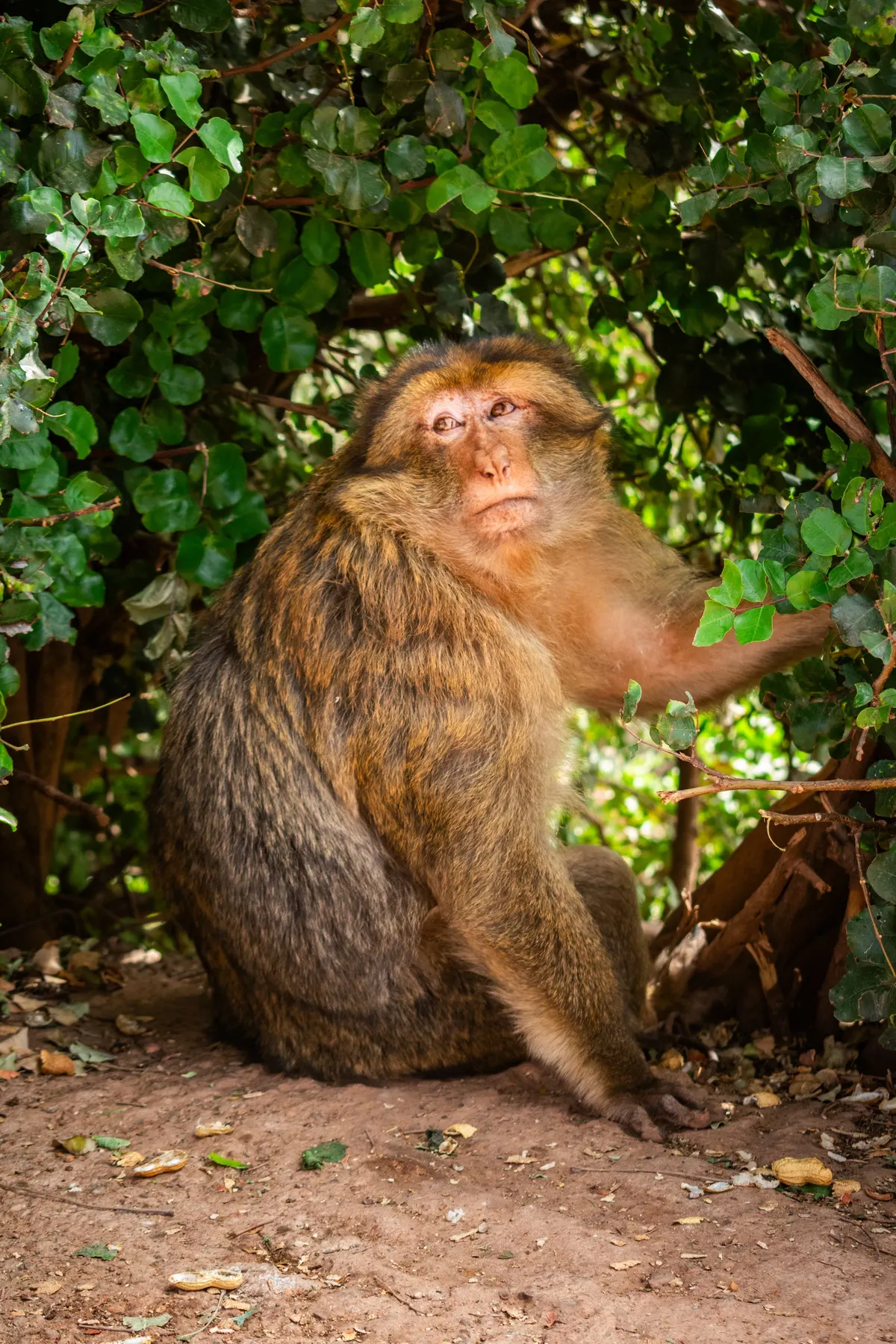
Ouzoud is one of the reliable places in Morocco to see Barbary macaques, the only monkey population in North Africa. They are present around the trails and viewpoint terraces, which is exactly the problem.
Tourists feed them constantly, guides pose them for photos with sunglasses and cigarettes for tips, and the animals have learned that humans equal food — which produces bold, food-snatching, occasionally biting monkeys and tourists feeding them anyway, keeping the loop running.
Watch them, photograph them at distance, do not feed them and do not touch them. A macaque that bites means a rabies-series vaccination scramble in Azilal or Marrakech — the clinic logistics alone are worth avoiding, quite apart from the animal welfare point.
06. The touts, honestly
The lower trail and viewpoint terraces are lined with sellers and self-appointed guides: henna women who will grab hands, guides who attach themselves mid-path, terrace cafes pressuring you to sit, boat operators shouting prices. None of it is dangerous, and all of it is relentless in peak season.
A polite but absolute no, shukran works; so does ignoring entirely — half-engaging is what invites persistence. Agree boat and guide prices before starting, never after. And a local driver or guide who walks with you genuinely reduces the hassle: this is one of those situations where a guide's value is largely social cover, not knowledge.
07. When to go
Spring, March to May, is the sweet spot: full flow from snowmelt, wildflowers in the olive groves, comfortable walking temperatures, and fewer crowds than summer. Autumn is the second-best window — clear air, warm water, and the olive harvest in the villages.
Summer brings the crowds. The falls still run, but July and August afternoons at the bottom pool are a Marrakech-picnic atmosphere with amplified tout pressure. If you go in summer, start at opening, be at the bottom by 10:00 and leave before the midday wave.
Winter is quiet and cold: lower flow, some terraces closed, but a sunny winter morning with the falls nearly empty is the locals' favorite version. Nights in the valley near freezing — pair with an overnight in a gîte rather than a rushed day trip.
08. Staying overnight
The villages around the falls have basic guesthouses and a handful of small hotels with terrace views of the cascade; a few riad-style places have opened on the rim in recent years.
One night converts the trip from logistics into a proper stay: evening light on the falls with almost no one there, dinner at the terrace, and the morning descent before any day-tripper has arrived. If your itinerary allows one detour night between Marrakech and the desert or Middle Atlas, Ouzoud is a better-located stop than people assume.
09. Combine it with
Ouzoud pairs naturally with the Middle Atlas — the cedar forest at Azrou with its Barbary macaques, wild and un-fed, a much better animal encounter, and Ifrane, the alpine-style university town, on the way back toward Fes.
Travelers heading south to the desert can route via Beni Mellal and the Bin El Ouidane lake for a genuinely scenic two-day link instead of the direct road.
Frequently Asked Questions
How far are the Ouzoud Waterfalls from Marrakech?
About 150 km, roughly two and a half hours by car — close enough for a day trip, though an overnight stay changes the experience entirely. Azilal, the nearest town, is about 30 km further on.
Can you swim in the Ouzoud Waterfalls?
Yes, in the calmer parts of the bottom pool, mostly in summer. Stay clear of the boat lanes and the area directly below the main cascade, where the current strengthens, and skip swimming entirely after heavy rain upstream when the flow turns fast and brown.
Are the Ouzoud Waterfalls worth visiting without a tour?
Yes — with a rental car or private driver, which is the better way to do it anyway. The timing freedom matters: getting to the bottom before the midday tour-bus wave is the single biggest quality lever at Ouzoud, and organized groups rarely manage it.
What are the monkeys at Ouzoud?
Barbary macaques — North Africa's only wild monkey, and an endangered species. They are habituated to tourists and fed constantly, which makes them bold and sometimes aggressive around food. Photograph them, do not feed or touch them, and be wary of photo opportunities where guides pose them for tips.
How long does it take to walk to the bottom of the falls?
Thirty to sixty minutes down on a dirt path through olive groves, and the same again uphill on the way back — the climb is the part to respect, in the heat. Small boats, 30 to 50 MAD, skip part of the route and are the usual choice for families and anyone avoiding the ascent.
More Morocco tours
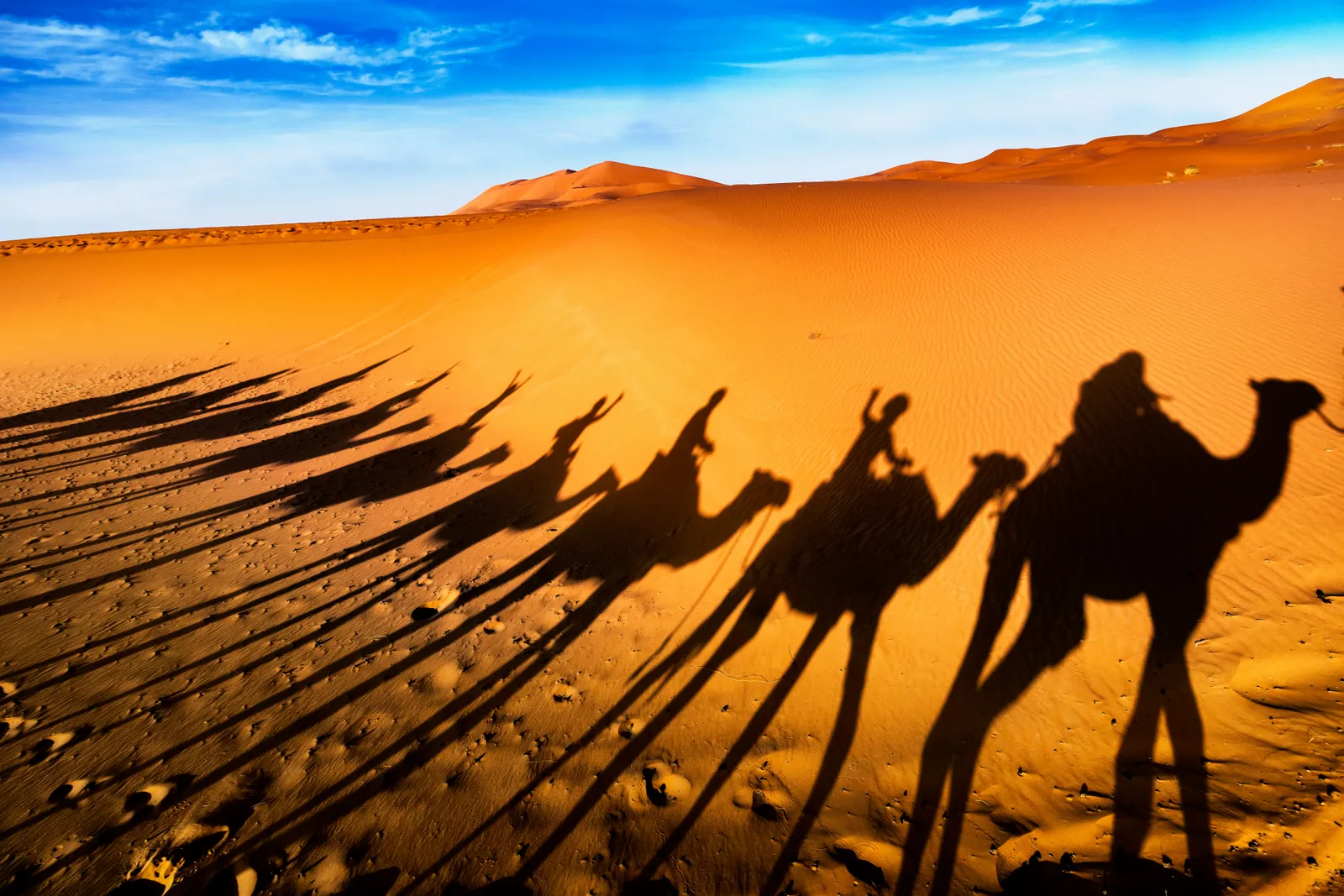
9 Days
9-Day Family Morocco Tour from Marrakech
Nine days from Marrakech built around a family's pace: camel rides, kasbahs they can climb, shorter driving days and rooms that fit four. Each stop has something to do when you arrive.
9 Days
9-Day Morocco Tour from Casablanca
From Casablanca over nine days through royal cities, ancient medinas and a stretch of desert. Long enough for the three settings to breathe, short enough that the trip never becomes a transfer schedule.
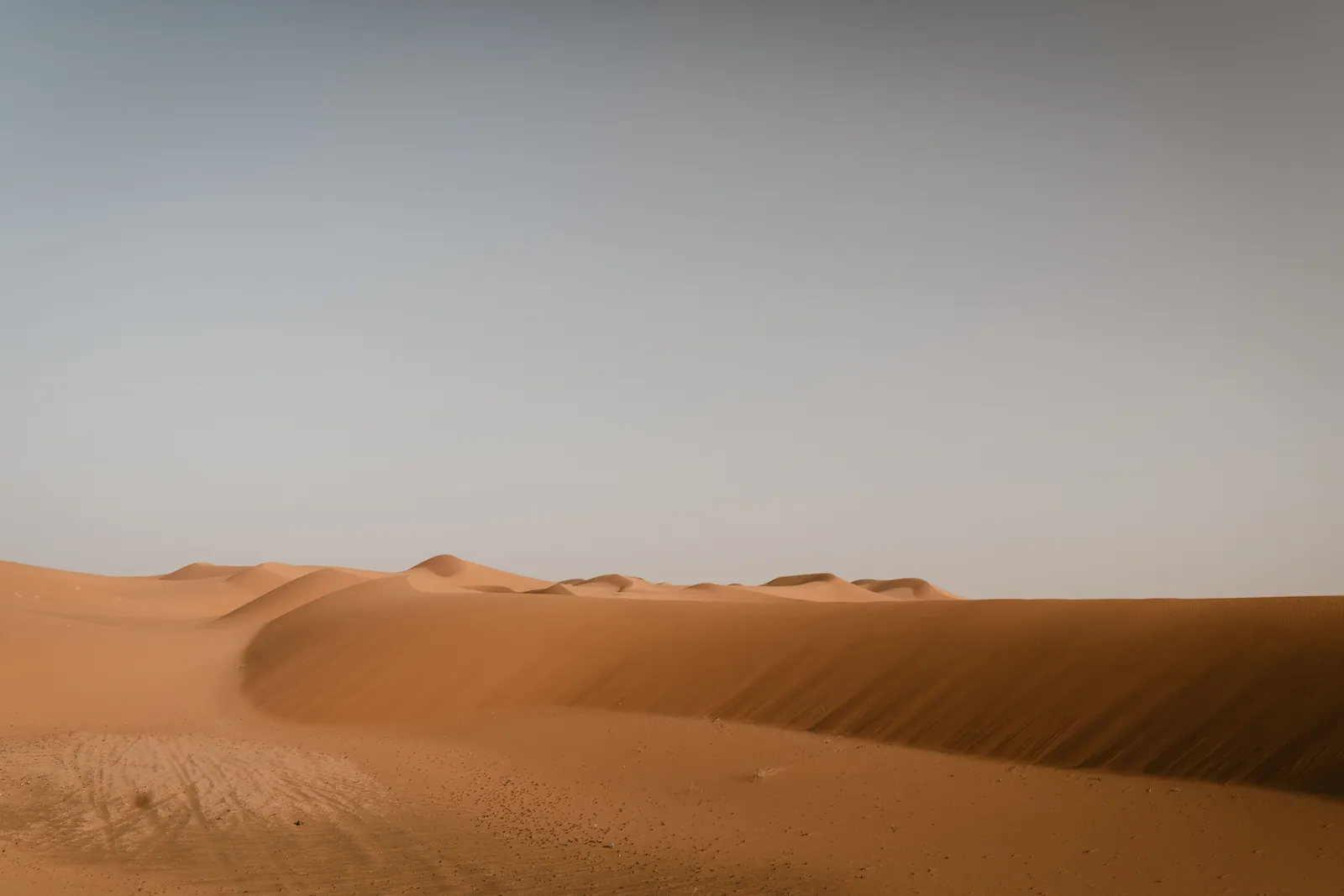
Classic Sahara
Merzouga
The road south ends at Erg Chebbi, the tall dunes people picture when they picture the Sahara. You take a 4x4 for the last stretch to camp and get the hour before sunrise while the sand is still cold.
Related Guides
Morocco SIM Cards and Mobile Data: IAM, Orange and inwi Compared
Everything about getting mobile data in Morocco — which operator covers the desert and mountains, SIM registration rules, realistic prices, eSIM options, Wi-Fi reality and how to avoid tourist data traps.
Fes vs Marrakech: Two Medinas, Two Very Different Cities
Fes and Marrakech are both imperial cities with UNESCO medinas, but they deliver different trips. An honest comparison of atmosphere, sights, food, logistics and which city suits first-time visitors.
Where to Stay in Marrakech: Medina, Gueliz, Hivernage or Palmeraie?
A practical guide to Marrakech's four main areas — the medina, Gueliz, Hivernage and the Palmeraie — with honest trade-offs on noise, access, riads vs hotels and which neighborhood fits your trip.
Liked this guide?
Give it a like on Instagram and tag us from your Moroccan adventure.
Send us your route — we will tell you which season fits Ouzoud and how to time it
Our Marrakech-based team of local experts designs tailor-made Morocco trips around your dates, budget and travel style.
Request a Quote