

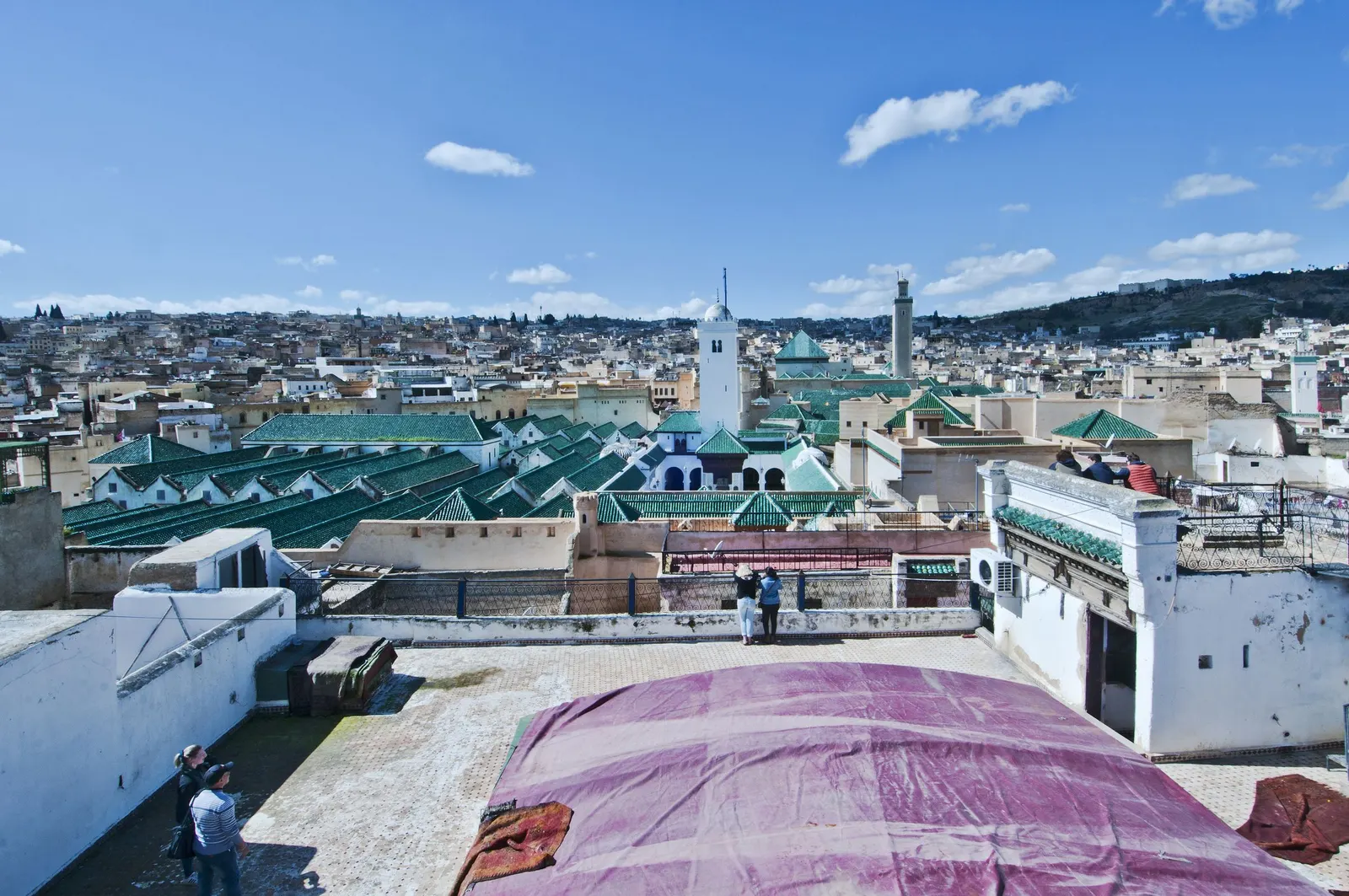
Both are imperial capitals with UNESCO old cities and food worth flying for — they are still not interchangeable. One is polished for visitors, the other uncompromising.
01. The question every first trip reaches
Every first-trip planning discussion eventually lands on the same question: Fes or Marrakech? Both are imperial capitals with UNESCO-listed old cities, souks, palaces and food worth flying for — which makes them sound interchangeable. They are not.
They are different centuries, different geographies and different personalities, and which one you prefer says more about how you travel than about which is better. Marrakech is the easier, warmer, more polished city, built for visitors. Fes is the older, denser, more uncompromising one — the cultural heart of the country. Many travelers who visit both come away preferring Fes, but wanting Marrakech's comfort first.
02. Age and history, briefly
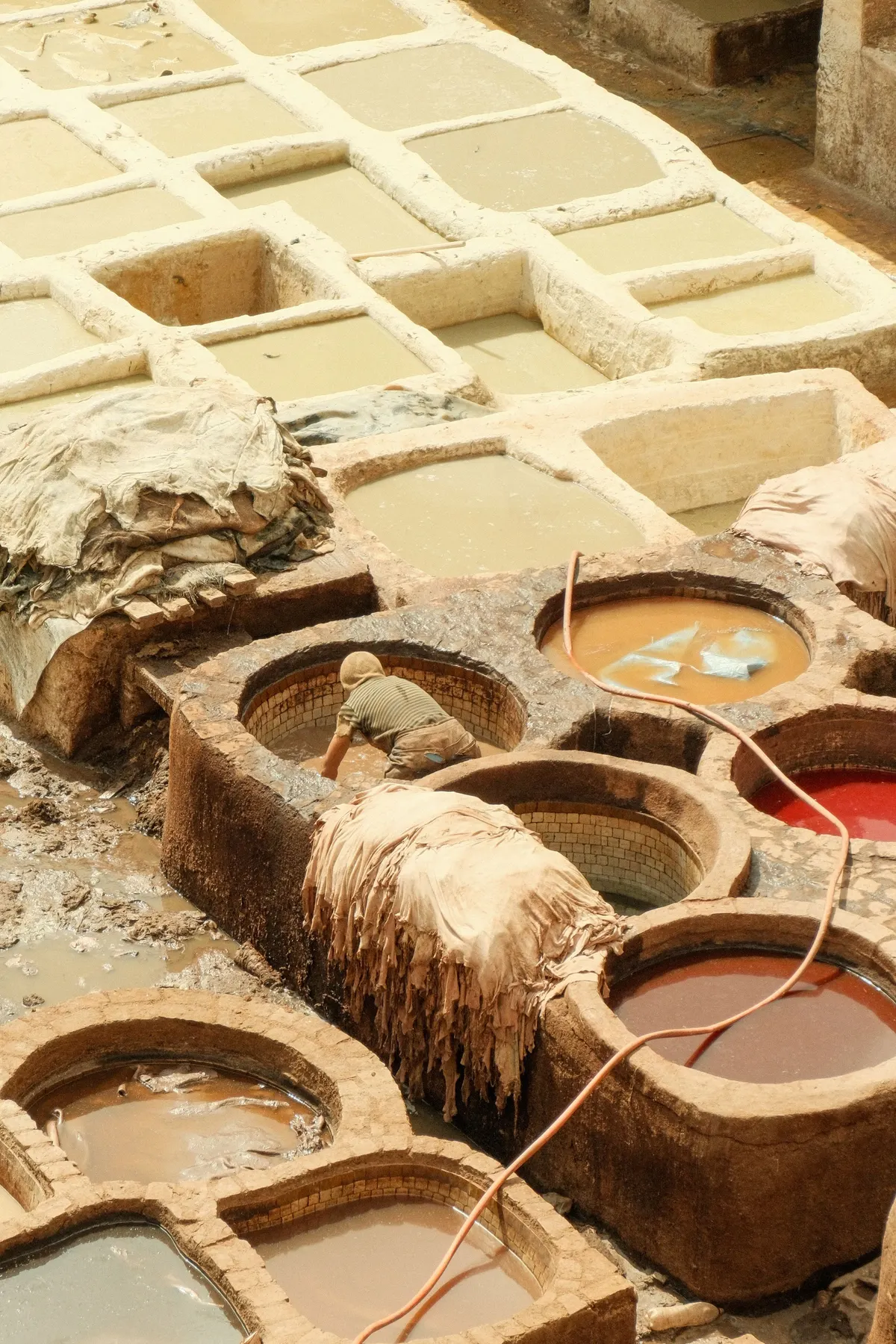
Fes was founded in the late 8th century by Idris I, and its old quarter, Fes el-Bali, is the largest car-free urban area in the world and a UNESCO World Heritage Site since 1981. The University of al-Qarawiyyin, founded in 859 AD by Fatima al-Fihri, is generally cited as the oldest continuously operating university anywhere. The city's tanneries have worked more or less continuously since the medieval period.
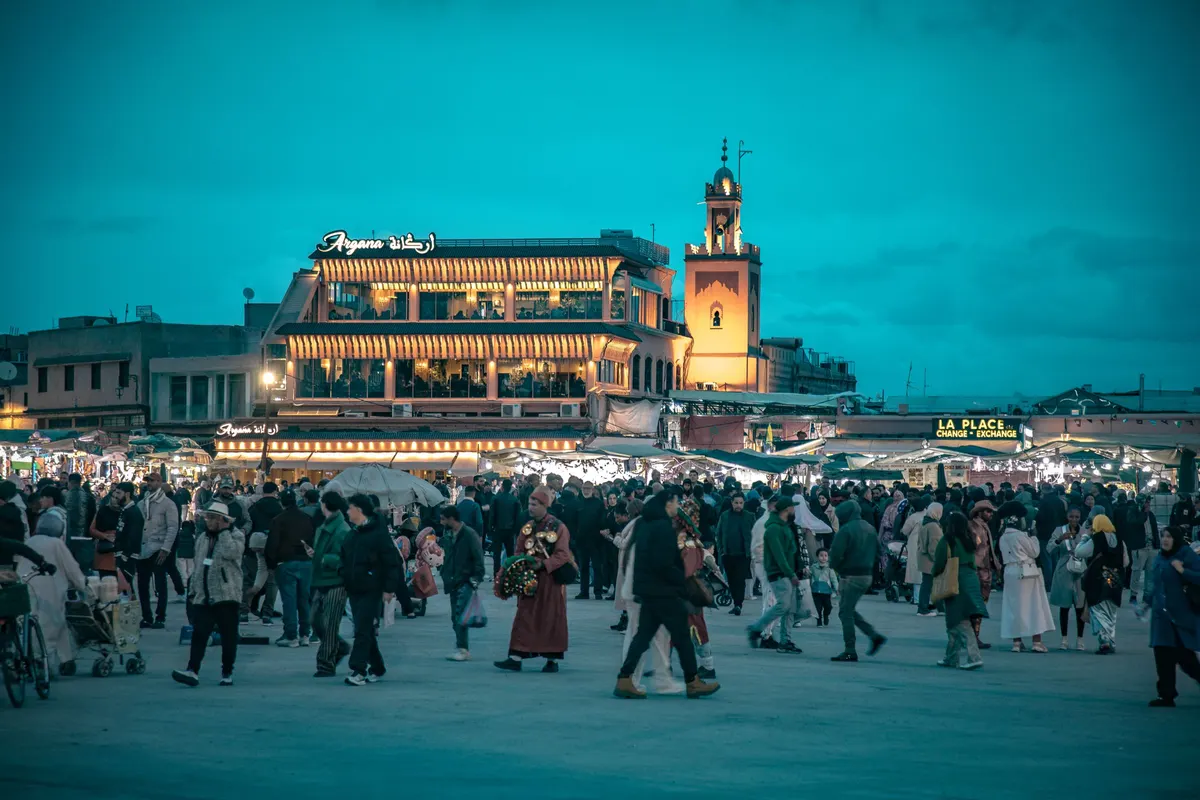
Marrakech was founded in the 1070s by the Almoravids as a desert capital, and it has always been the country's showpiece — rebuilt, remodeled and repainted by dynasty after dynasty. Its great square, Jemaa el-Fna, was proclaimed a UNESCO Masterpiece of the Oral and Intangible Heritage of Humanity in 2001, largely for its nightly theatre of storytellers, musicians and food stalls.
If Fes is a working medieval city that never stopped, Marrakech is a stage that keeps being rebuilt.
03. The medinas compared
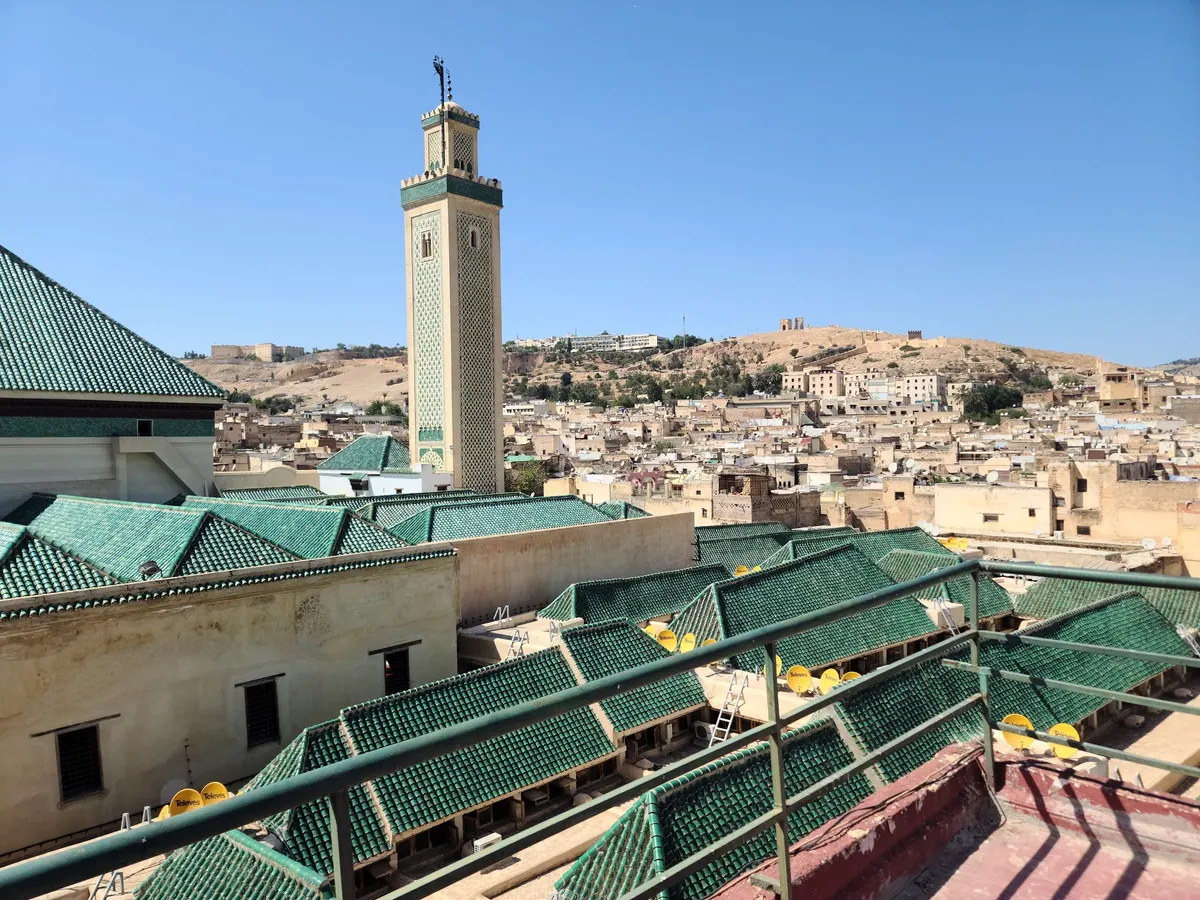
Fes el-Bali is an order of magnitude more disorienting than Marrakech's old city — around 9,000 lanes, no vehicles of any size beyond handcarts and donkeys, and a navigation instinct most visitors simply do not have. Getting lost is not a risk; it is the default. That is either the appeal or the problem.
The reward is authenticity at full strength: workshops hammering copper, dye pits still in use at the Chouara tannery since the 11th century, and neighborhoods where tourism is a side business rather than the business.
Marrakech's medina is smaller, flatter and more navigable, with the main souk axes partially signposted. It is louder, busier and more aggressively commercial — the constant guiding offers, haggling pressure and fake-guide scams visitors report are concentrated here. It is also more varied: the Bahia Palace, the Saadian Tombs (rediscovered in 1917 after centuries sealed), Ben Youssef Madrasa and the Majorelle Garden in the new city are all easy walkable or short-taxi sights.
04. Food
Both cities are excellent, and the difference is style. Fes is considered the country's culinary capital — the home of refined palace cooking, and the place to eat a proper pastilla, the sweet-savoury pigeon or chicken pie, and tagines with more subtlety than you will find elsewhere.
Marrakech is more varied and more casual: Jemaa el-Fna's night stalls, the widest range of international and modern-Moroccan restaurants, and the better rooftop cafe culture. If eating is the center of your trip, book Fes. If variety and atmosphere matter more, Marrakech wins on volume.
05. Getting between them and around
The cities are about 530 km apart by road. There is no direct train — the rail line detours via Rabat and Kenitra, taking roughly six to seven hours door to door with the connection — so most travelers go by private transfer via the Middle Atlas, roughly five to six hours driving with stops at the cedar forests near Azrou or the town of Ifrane, or fly the short domestic hop.
Inside the cities, Marrakech has the better transport infrastructure: metered petit taxis, a functioning bus network and an airport 15 minutes from the medina. Fes taxis exist but the medina is untraversable by vehicle; everything inside is on foot, and Fes-Saiss airport is about 20 minutes from the center. Neither medina is friendly to independent drivers — in Marrakech some riads arrange drop-off at a gate, in Fes expect a walk.
06. Who should visit which
Choose Marrakech if it is your first trip to Morocco and you want the iconic experience; if you have limited days and want sights, food and shopping close together; if you prefer restaurants, nightlife and hotel comfort; or if you are traveling with children or anyone who struggles with crowds and walking.
Choose Fes if you have already seen Marrakech, or deliberately skipped it; if history, craftsmanship and food are the point of your trip; if you want a city that feels like the medieval world it is, at the cost of comfort; or if you are comfortable navigating without a plan, or willing to hire a licensed guide.
Visit both if you have eight days or more — the classic pairing works because the cities complement rather than repeat each other, with the desert route or Chefchaouen between them.
07. The case for skipping one
A real trade-off deserves a real answer. If your trip is five days or fewer, doing both cities means spending most of it in transit — a full day lost on the transfer alone.
One city, deeply explored, with day trips — Essaouira or the Atlas from Marrakech, Volubilis and Meknes from Fes — beats two cities skimmed. Marrakech alone works better as a standalone because its surrounding region offers more variety. Fes alone works better if you pair it with Chefchaouen and the Rif, or with the desert via the eastern route.
The most common regret we hear is not that someone skipped a city — it is that they gave each city one night and saw neither.
Frequently Asked Questions
Is Fes better than Marrakech?
Neither is better. Fes is older, denser and more authentic-feeling, with the stronger food reputation; Marrakech is easier, sunnier and more visitor-ready with better nightlife and logistics. Fes often wins the which-did-you-prefer vote among repeat travelers; Marrakech wins the first-visit convenience test.
Can you visit Fes and Marrakech in the same trip?
Yes, and they complement each other well. Allow at least eight days for both with a meaningful stop between — the desert, Chefchaouen or the Middle Atlas. The transfer itself takes five to six hours by road, so plan it as a travel day, not an afternoon hop.
Which is easier to navigate, Fes or Marrakech?
Marrakech. Its medina is smaller, flatter and has more signposting, and the city outside it runs on normal roads and taxis. Fes el-Bali is the largest car-free zone in the world — nearly everything inside is on foot, and first-timers reliably get lost. A licensed guide for the first half-day in Fes is money well spent.
Is Fes more conservative than Marrakech?
Yes, noticeably. Fes is a more religious, traditional city with fewer bars and a more conservative dress norm; Marrakech is the country's most international city. Dress modestly in both, but expect Fes to feel stricter, particularly around the medina.
How do I get from Fes to Marrakech?
By road is the practical option: roughly five to six hours via the Middle Atlas, usually with a stop at the cedar forests near Azrou. Trains require the Rabat-Kenitra detour and take about six to seven hours with the connection. Domestic flights exist but with the airport overhead rarely save time. Most visitors go by private transfer or rental car.
More Morocco tours
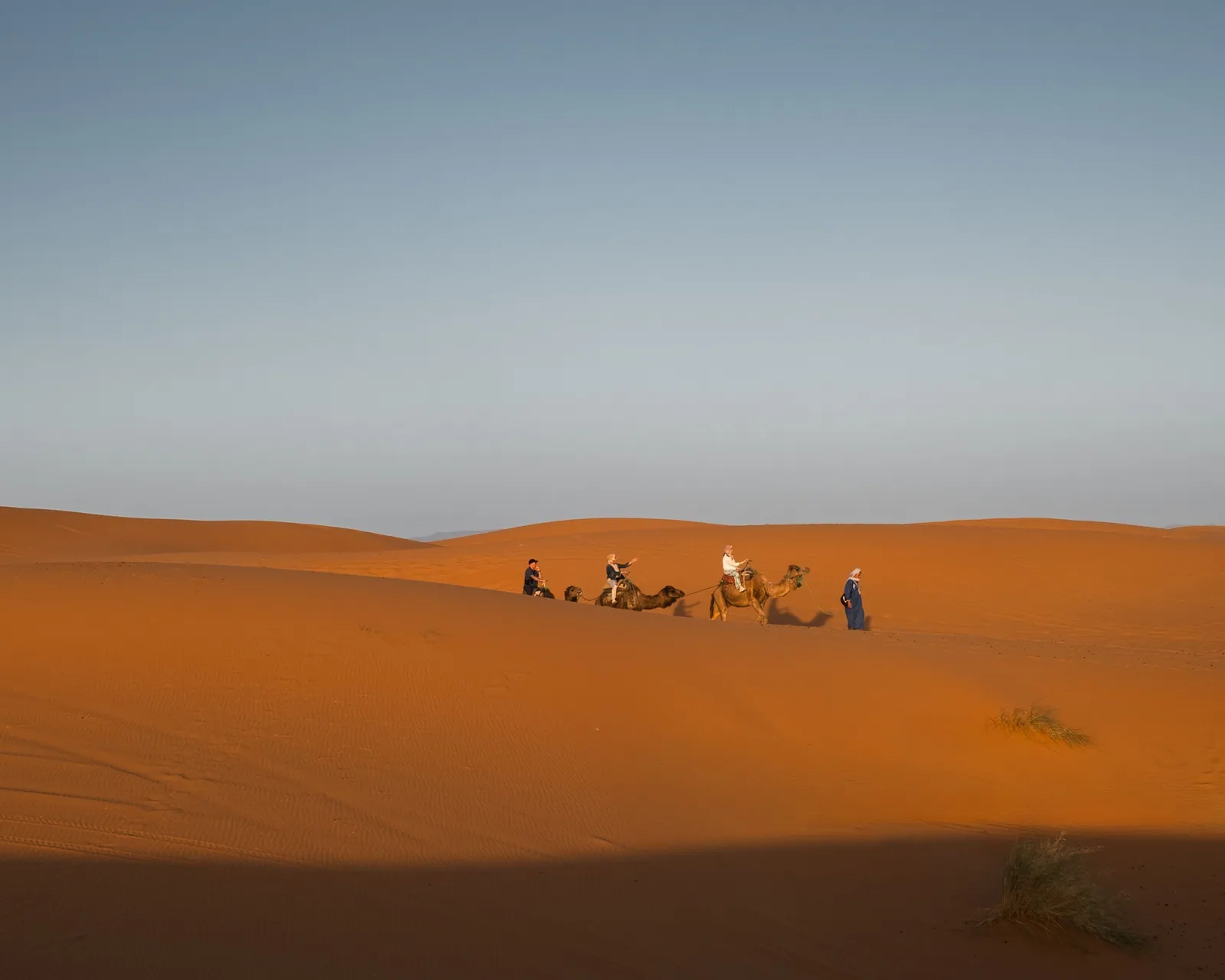
14 Days
14-Day Morocco Itinerary for First-Time Visitors
Two weeks for a first visit: imperial cities, mountains and sand, with enough days between them that nothing is hurried. Fourteen is the length at which Morocco stops feeling like a tour and starts feeling like a trip.
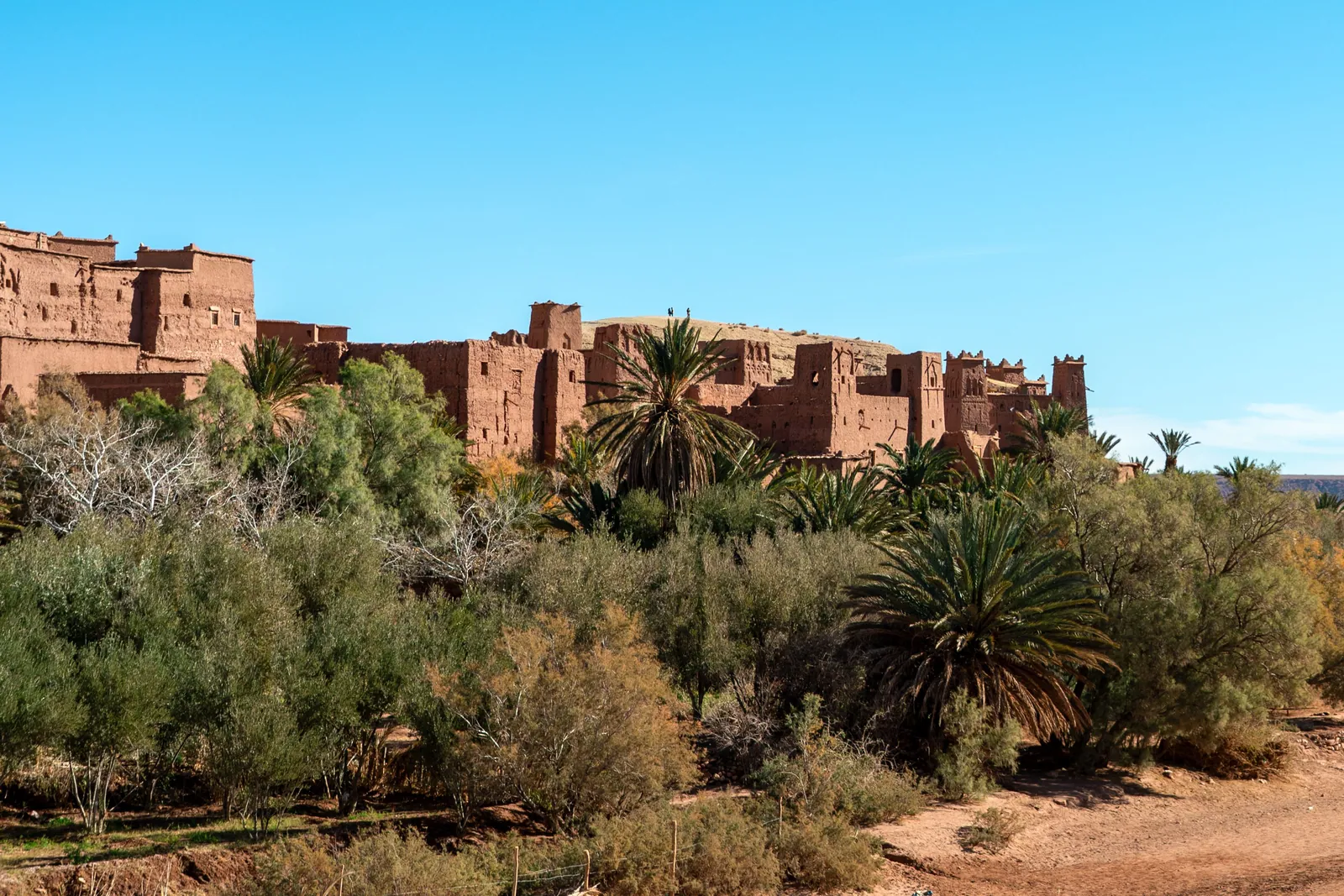
10 Days
10-Day Morocco Tour from Casablanca
Ten days from Casablanca through imperial cities, mountain villages and desert. Built for range rather than one region, with three different settings spaced out so no two days look alike.
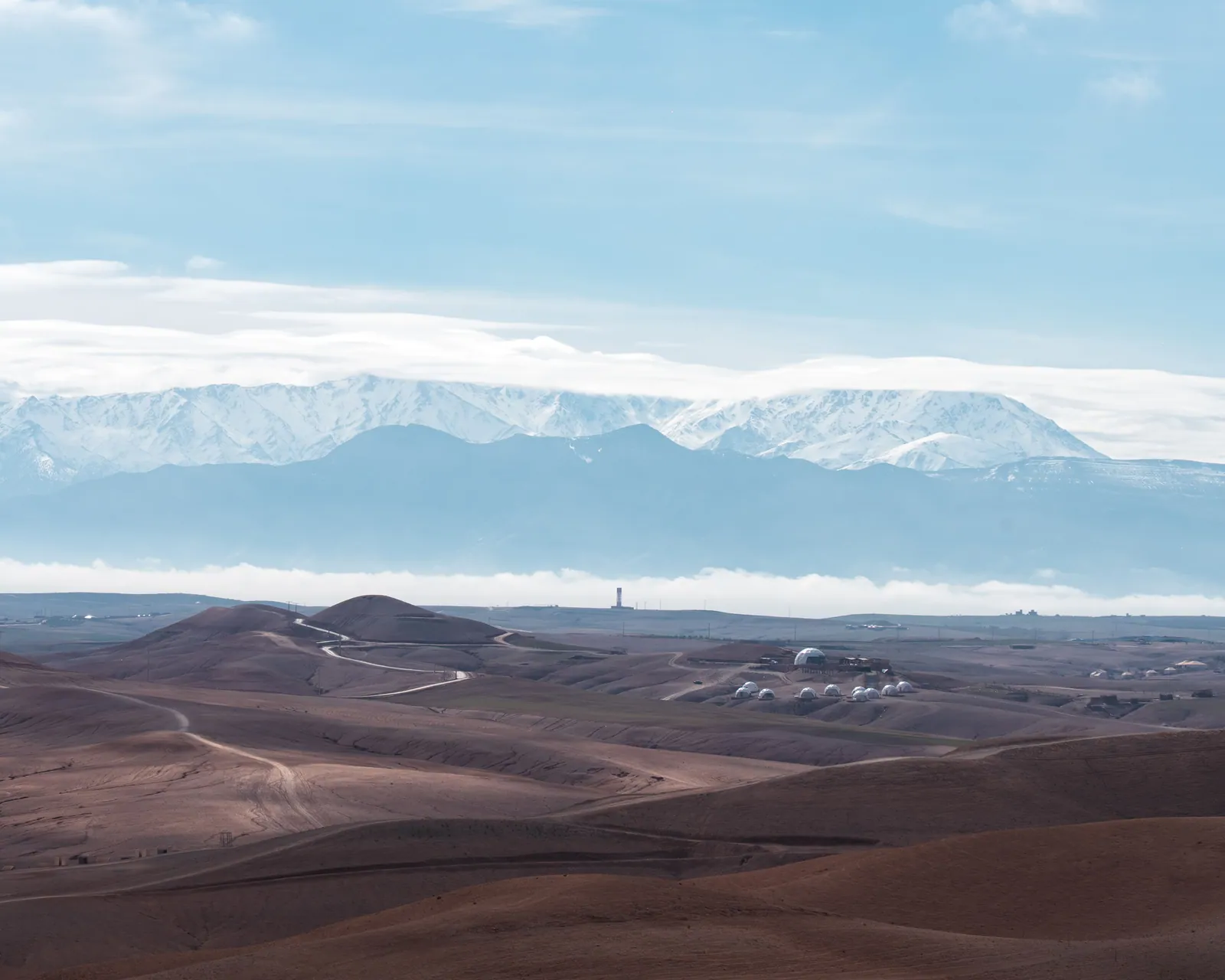
Near Marrakech
Agafay Desert
A dry, rocky desert close to Marrakech, with no dunes — bare hills, open horizons and camps laid out for dinner after dark. The short transfer is the point: one night either side of a city week.
Related Guides
Imperial Cities Itinerary: Marrakech, Fes, Meknes and Rabat
A practical 7 to 8 day itinerary through Morocco's four imperial cities — Marrakech, Fes, Meknes and Rabat — plus the Roman site of Volubilis, with train and private-car logistics.
Morocco Travel Guide 2026
The complete Morocco travel guide for first-time visitors: best time to go, must-visit cities, the Sahara, food, budgets, packing and cultural tips.
Marrakech Travel Guide 2026
The complete Marrakech travel guide: what to see and do, where to stay in the medina or garden city, when to visit, the souks, day trips and honest practical tips.
Liked this guide?
Give it a like on Instagram and tag us from your Moroccan adventure.
Tell us your dates and what you come for — we will tell you which city earns them
Our Marrakech-based team of local experts designs tailor-made Morocco trips around your dates, budget and travel style.
Request a Quote