

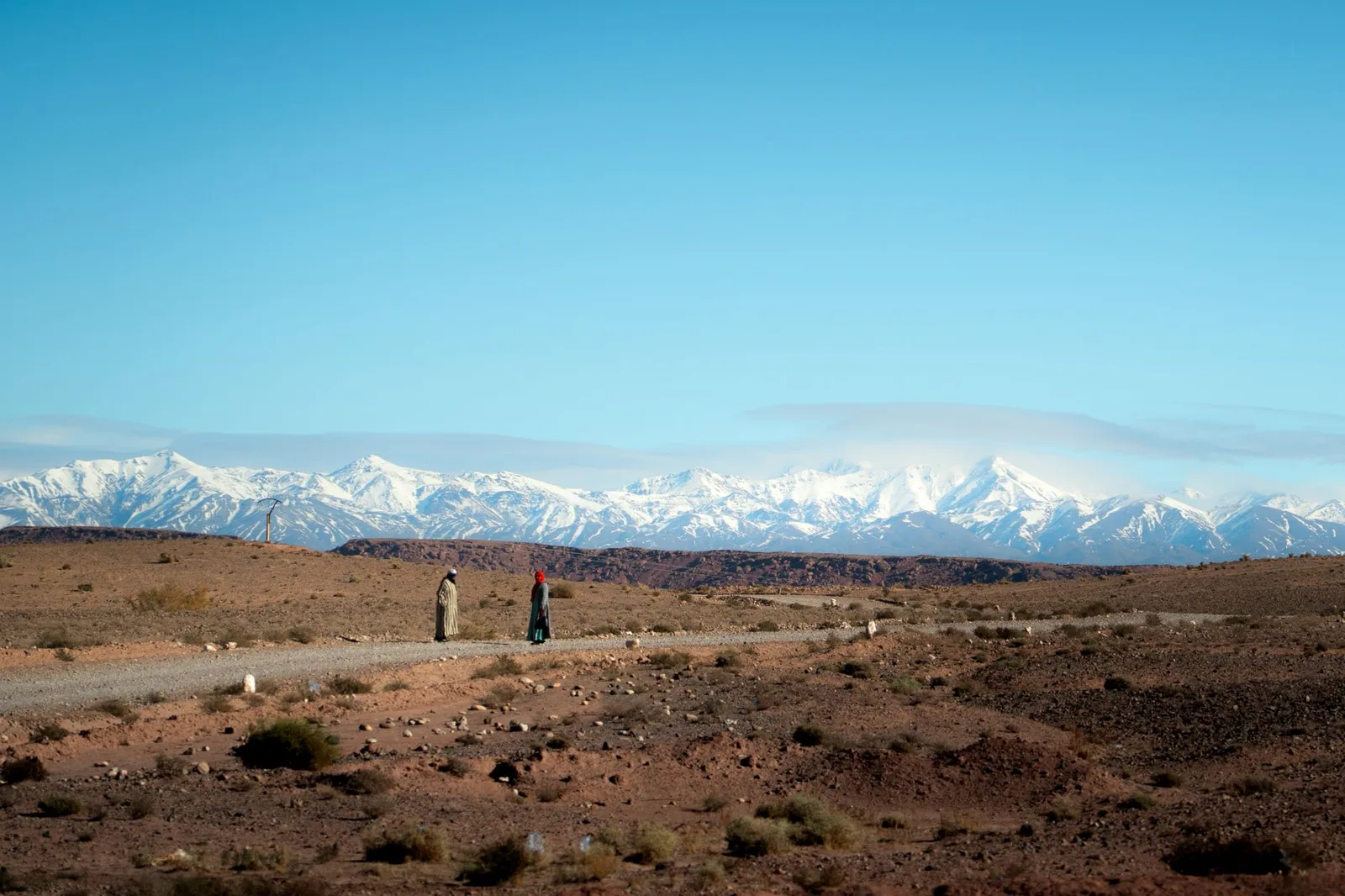
Winter is a good time to travel Morocco, provided you choose the region to match the weather rather than fight it. The Sahara, the southern cities and the Atlantic coast are at their most comfortable between December and February, while the High Atlas and the northern Rif can be cold, wet and occasionally cut off by snow. This guide looks at each part of the country in turn and at the layers that make a cold medina or a desert camp bearable. It sits alongside our best-time-to-visit guide, which covers the year as a whole.
01. Is winter a good time to visit Morocco?
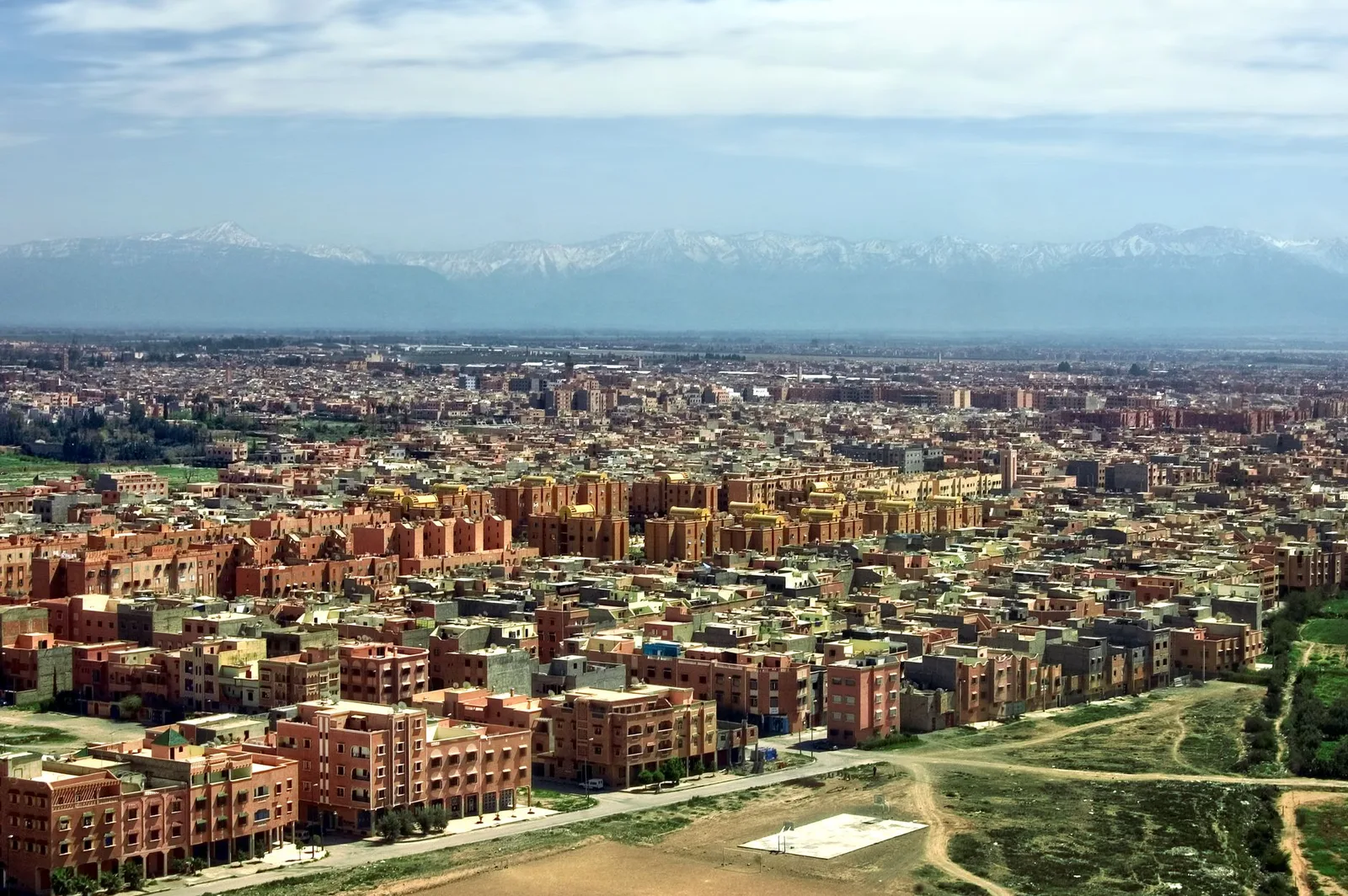
For most travellers, yes. Winter improves the south and the desert and complicates the mountains. Marrakech, Fes and the imperial cities lose the punishing summer heat, and daytime temperatures in the late teens or low twenties are ideal for walking, sightseeing and photography.
The trade-offs are real. Days are short, with roughly ten hours of daylight in late December, so you plan around an earlier sunset. Rain is more frequent between November and March and is concentrated in the north and along the Atlantic, while terrain above 2,000 metres holds snow from November into March.
The quiet season also brings some of the year's lowest room rates and shorter queues at the places most people come to see. If your list is dunes, medinas and coastline, winter is often the better half of the year; if it is an Atlas trek or a long road crossing to the far south, it is the season that asks for the most planning.
02. What winter is like in the cities
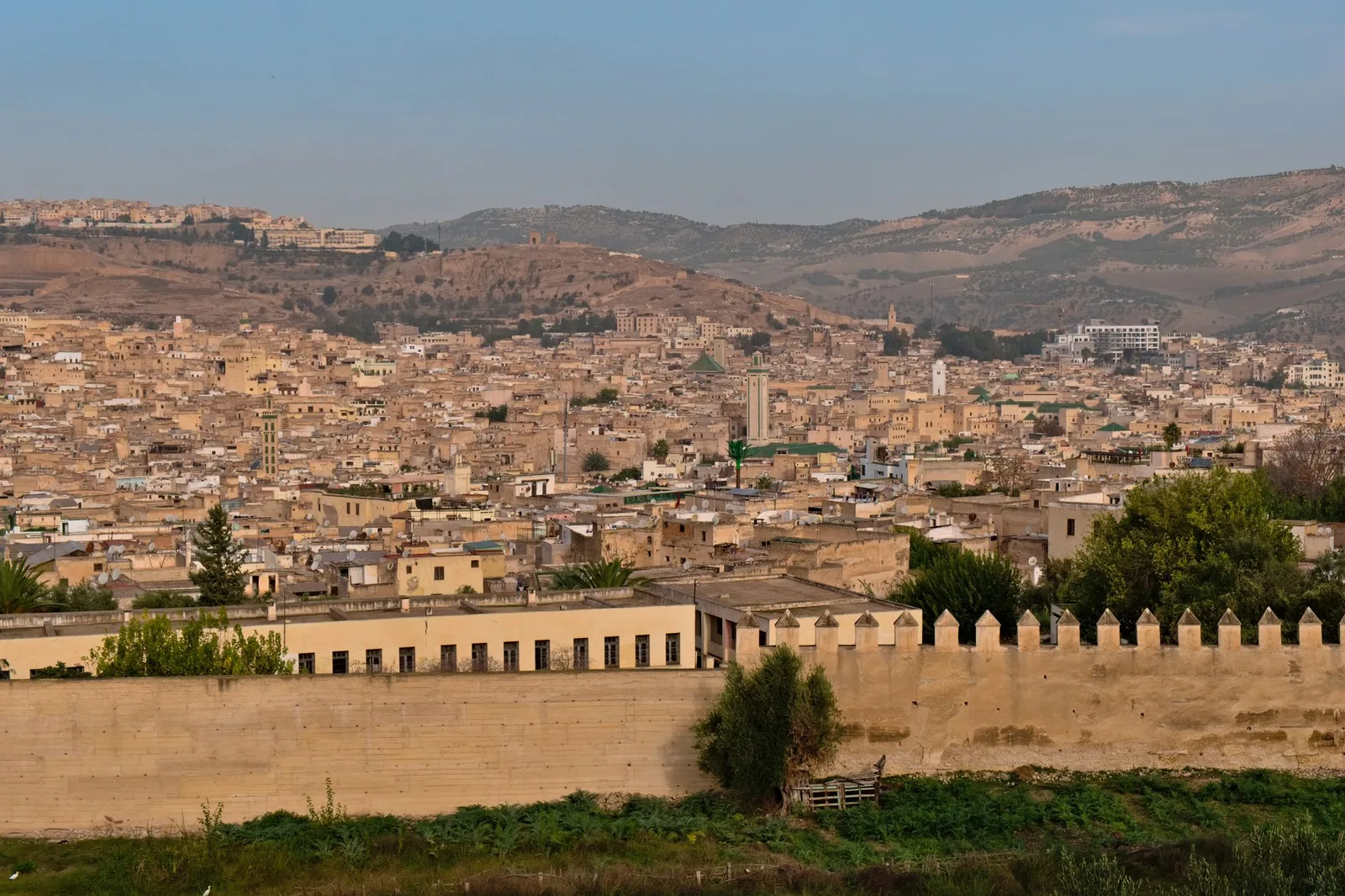
Marrakech is the mildest of the big cities, with daytime highs of about 18 to 20°C, nights that fall to around 5 to 7°C and roughly 30mm of rain in an average month. Fes and Meknes run a few degrees cooler and wetter, with January highs near 15°C and nights close to 5°C or below. Chefchaouen, up in the Rif, is colder and wetter again, and December is its wettest month of the year.
The practical difficulty is not the outdoor temperature but the buildings. A traditional riad is designed to stay cool in summer, which means many are poorly heated and can feel colder inside than the street. Ask whether your room has a heater, and treat the courtyard as a place for afternoon sun rather than for the evening.
The days themselves are agreeable, so dress for movement and add layers as the light goes. The medinas are peaceful, the light is soft and low, and the crowds of spring and autumn have thinned. A warm jacket, a scarf and shoes that cope with wet, uneven ground will do more for your day than any single item.
03. The Sahara in winter: cold nights, fine days
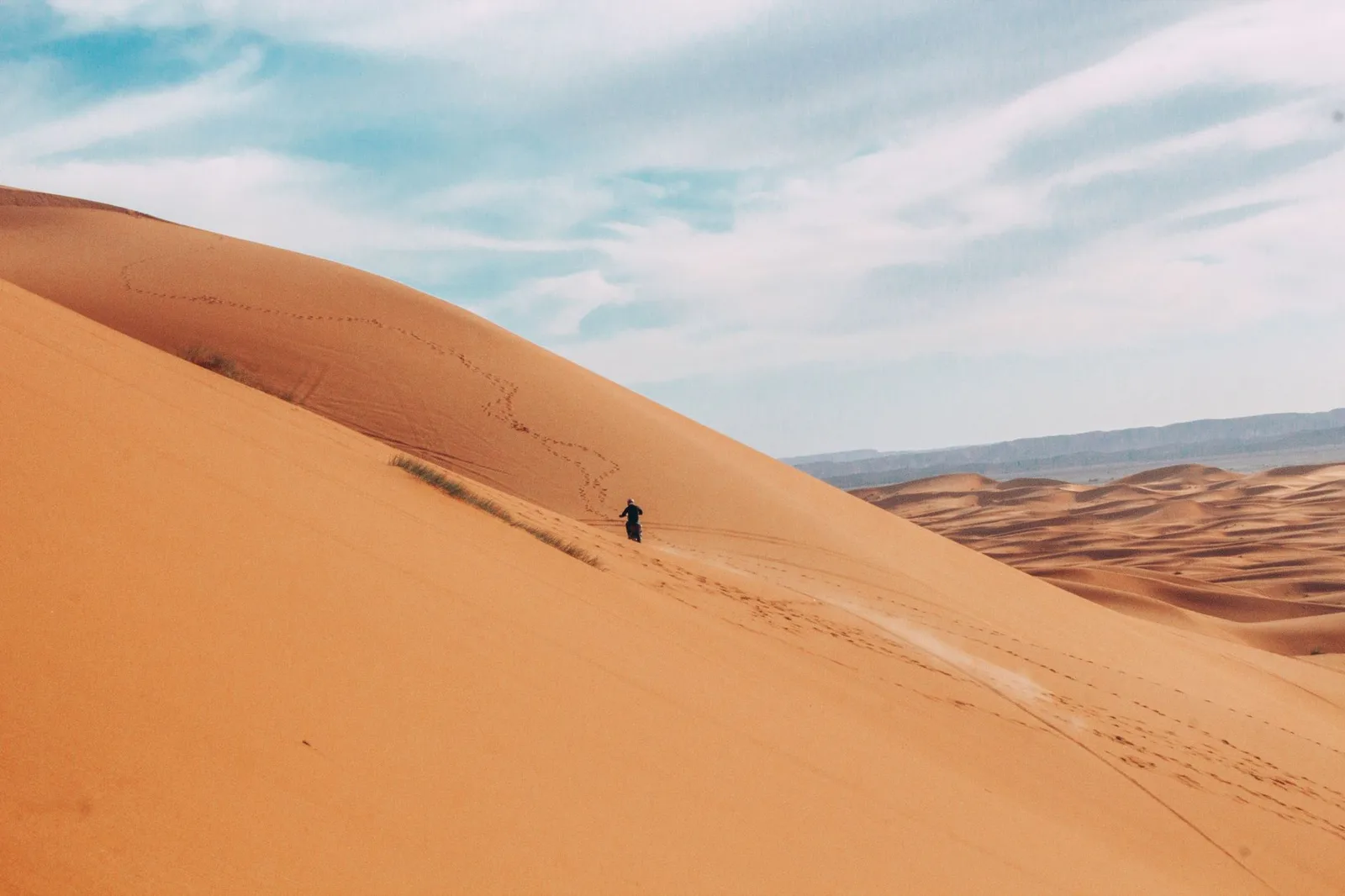
The desert is the strongest argument for travelling in winter. Around Merzouga, December and January afternoons sit at roughly 18 to 20°C under clear, dry skies, which is comfortable for dune walks, camel treks and the long drive south. High summer, by contrast, is punishing.
The catch is the night. Clear desert air loses its heat quickly after sunset, and temperatures drop to around 3 to 5°C, occasionally touching freezing before dawn. The swing from a T-shirt afternoon to a near-frozen sunrise is the defining feature of a winter Sahara visit and catches out anyone who packed for heat alone.
A desert camp in winter is manageable with the right preparation: thermal base layers, a hat and gloves, and a camp that provides proper heavy blankets or heating. Ask specifically about winter bedding when you book, because standards vary widely. The reward is the clearest, most star-filled sky of the year and dunes in sharp, low winter light.
04. The coast and the south stay mild
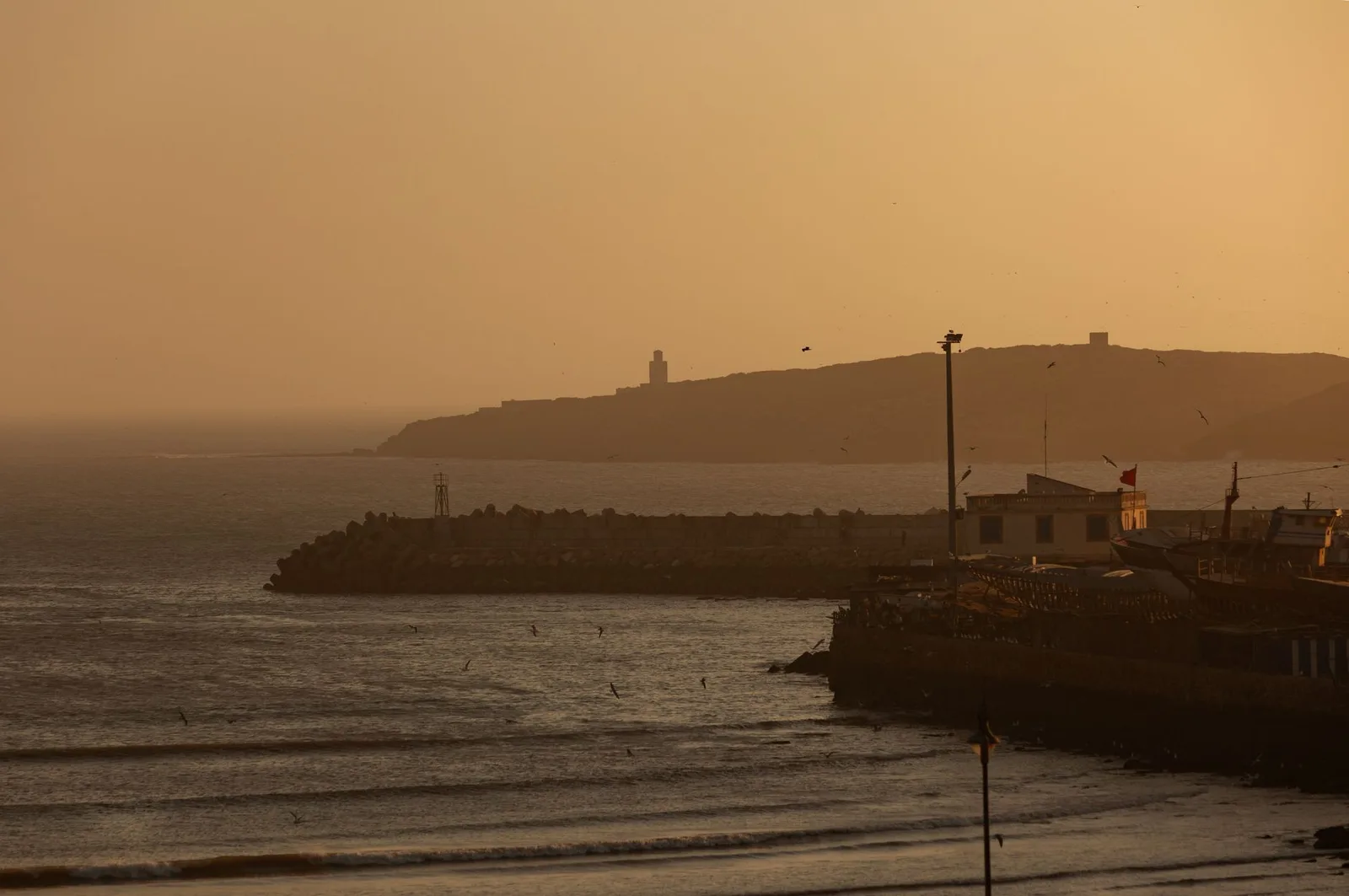
If you are chasing warmth, head for the Atlantic and the far south. Casablanca is mild rather than warm, with highs of about 17 to 18°C and its heaviest rain of the year in December, but frost is effectively unknown. Agadir is the sunniest and mildest of the coastal cities, with winter highs near 20 to 21°C and only a little rain, which is why it fills with northern Europeans escaping their own winter.
Essaouira is pleasant by day, around 18 to 20°C, but the wind that made it a windsurfing town blows all year, so a windproof layer matters here more than anywhere else on the coast. The south also dries as you move inland, so Taroudant and the Anti-Atlas offer comfortable days with little rain.
This is the part of the country where winter is not a compromise but a genuine advantage: fewer visitors, cooler working temperatures for a coastal walk, and beaches that are empty rather than crowded.
05. The High Atlas and Ifrane: snow and closed passes
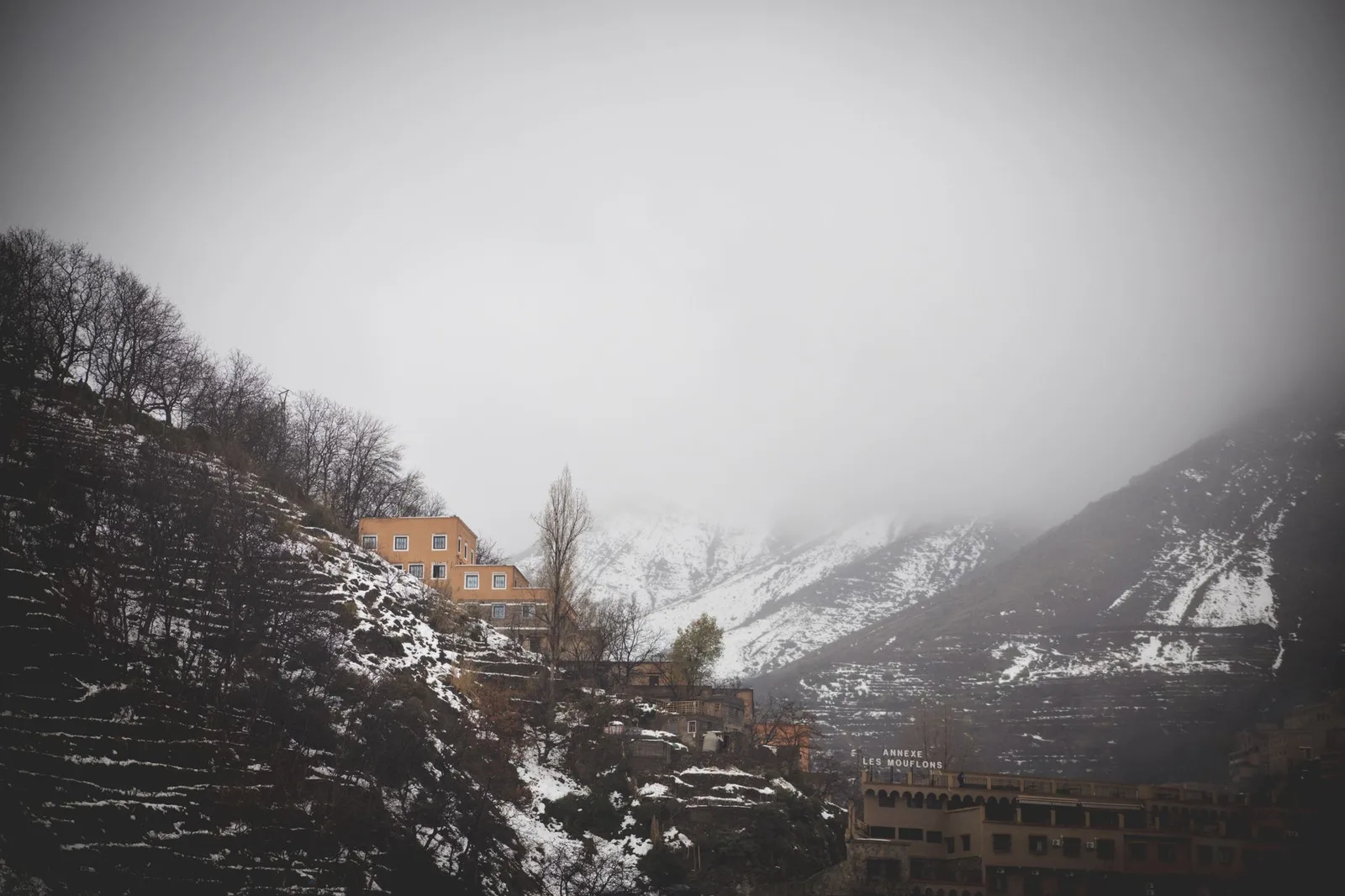
The mountains are where winter has to be taken seriously. The Tizi n'Tichka pass, on the Marrakech to Ouarzazate road, sits at around 2,200 metres and closes regularly between November and March when snow falls. When it does, the gendarmerie places physical barriers across the approach and will not let vehicles through until the road is cleared, which can take hours or, in a heavy storm, a day or more.
Higher up, the Atlas holds real snow. Oukaïmeden, an hour from Marrakech, has a small ski area, and Imlil and the Toubkal valley are winter destinations for climbers with proper gear rather than casual walkers. Ifrane, in the Middle Atlas, is colder still and earns its reputation for snow, with January nights that can fall well below freezing.
The lesson is straightforward: in winter, treat the mountains as a weather-dependent part of the trip. Cross the Tichka by day, build in a spare day, and if snow is forecast, be ready to delay the crossing or change the route. Long day walks in the High Atlas are best left for the warmer months.
06. Packing for a Moroccan winter
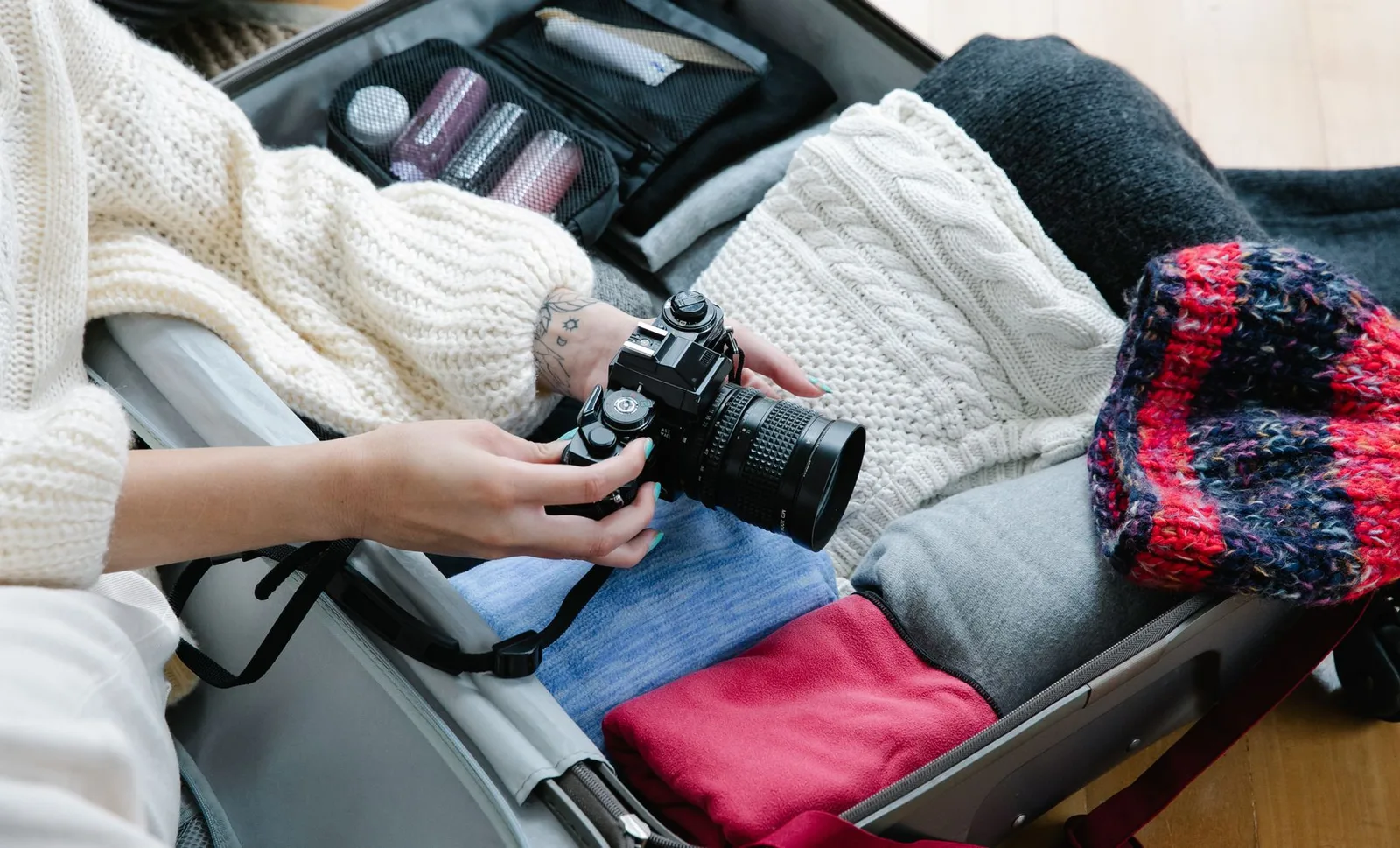
The whole season is a layering exercise, because you are dressing for a mild afternoon and a cold night within the same day. Start with a thermal base layer, add a warm mid-layer such as a fleece or light down jacket, and finish with a windproof, water-resistant outer shell for rain and desert wind.
For the medinas, add a scarf, a hat and closed, grippy shoes that cope with wet stone; for the desert, add gloves, a warm hat and something warm to sleep in. A single heavy jacket is less useful than three layers that work together, and it packs smaller. A compact rain jacket is worth the space in December and January.
Everything in our what-to-pack guide still applies, with three winter additions: real insulation rather than a token jumper, a waterproof layer you would actually wear, and a small daypack for the layers you shed at midday. A headtorch earns its place for early desert sunrises and unlit riad stairs.
07. Planning a winter trip
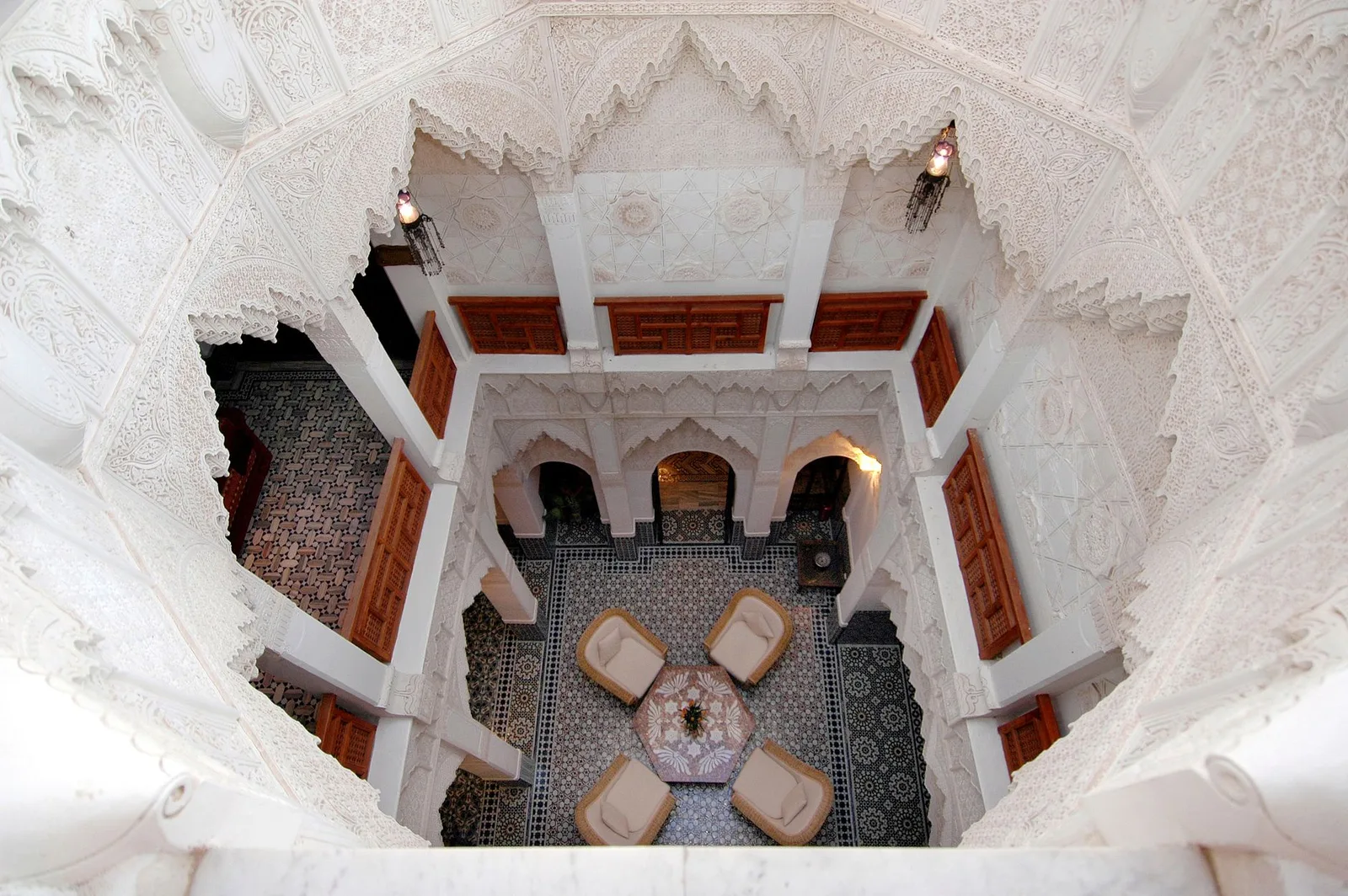
Winter rewards a plan that follows the weather. A route that works well moves southward: a few days in Marrakech and Fes while the cities are cool and quiet, a crossing of the Atlas on a good-weather morning, then the desert and the coast, where the season is at its best.
Because we are based in Marrakech, we watch the passes and the forecasts and adjust the order of a trip around them. Our winter desert trip runs from Marrakech across the Atlas to Merzouga, with a well-heated camp, warm bedding and a driver who knows the winter roads. If snow closes the Tichka, we can route you the longer way through Taroudant or move the desert nights later in the itinerary.
Tell us when you are travelling and what you would rather avoid, and we will build the days around the weather rather than against it.
Frequently Asked Questions
Is December a good time to visit Morocco?
Yes, for the south, the desert and the cities. Days are mild and the crowds are thin, though the north and the mountains are colder and wetter and the Tichka pass can close with snow.
How cold does it get in Marrakech in winter?
Daytime highs are usually 18 to 20°C, but nights fall to around 5 to 7°C. Traditional riads are built to stay cool, so bring warm layers and check whether your room has heating.
Can you visit the Sahara in winter?
Yes, and it is one of the best seasons for it. Days around Merzouga are pleasant at 18 to 20°C, but nights drop to 3 to 5°C or lower, so pack proper insulation and choose a camp with heavy blankets or heating.
Does it snow in Morocco?
Yes. Snow is common in the High Atlas and the Middle Atlas above roughly 2,000 metres from November to March. Oukaïmeden and Ifrane are the best-known snowy spots, but the coast and the south never see it.
Is the Tichka pass open in winter?
Often, but not always. The Tizi n'Tichka closes during snowfall and reopens once the road is cleared. Cross by day, allow a spare day, and check conditions before leaving Marrakech.
What should I pack for Morocco in winter?
Layers: a thermal base, a warm mid-layer, and a windproof, water-resistant shell, plus a scarf, hat, gloves and grippy shoes. For desert nights add real insulation and warm sleepwear.
More Morocco tours
8 Days
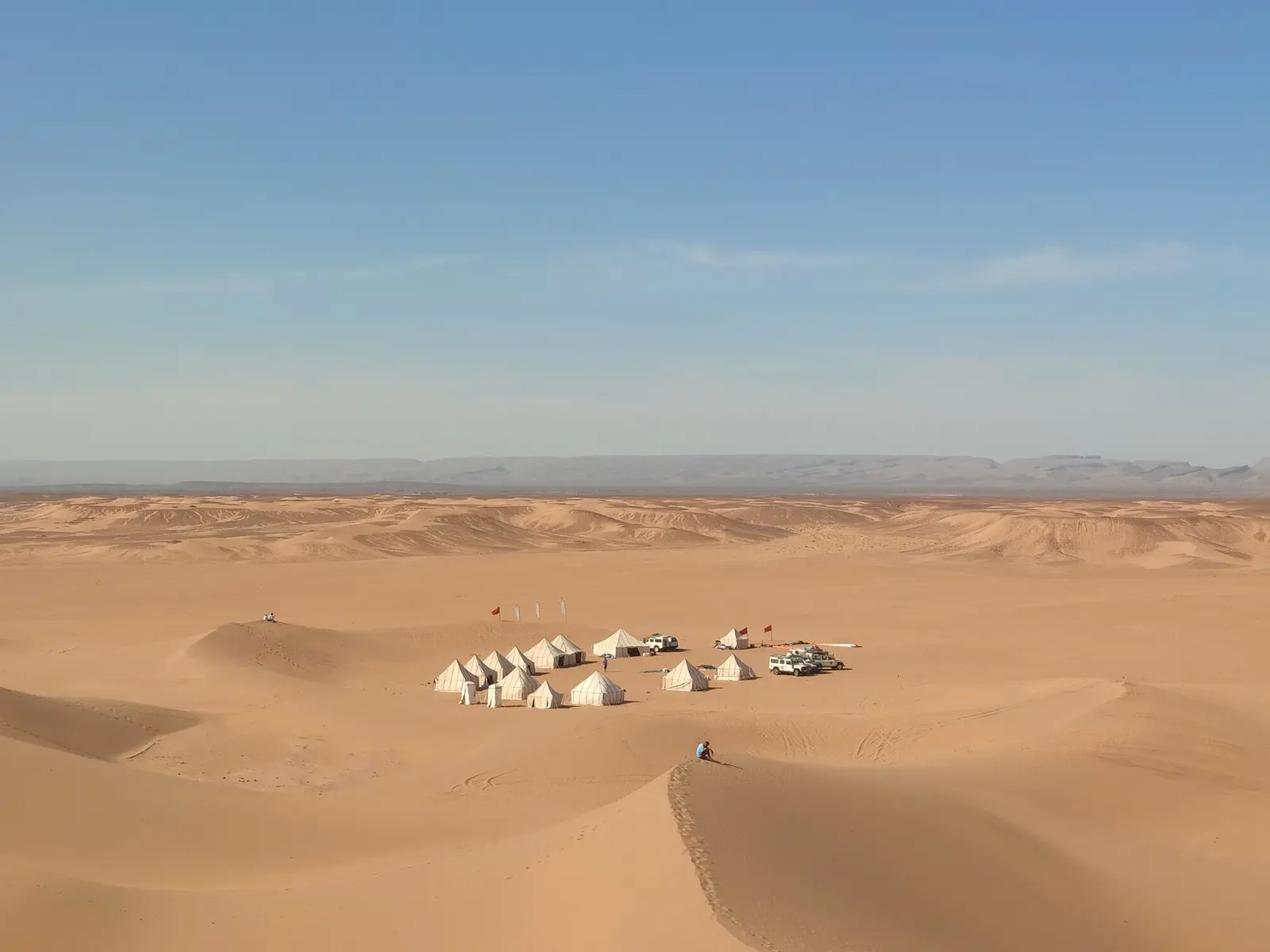
8-Day Yoga & Desert Journey in Erg Chigaga
Eight days from Marrakech to a fixed nomadic camp in the dunes of Erg Chigaga: gentle treks with a support 4x4, daily yoga in the open, and five nights at the rhythm of the Sahara without moving camp.
10 Days
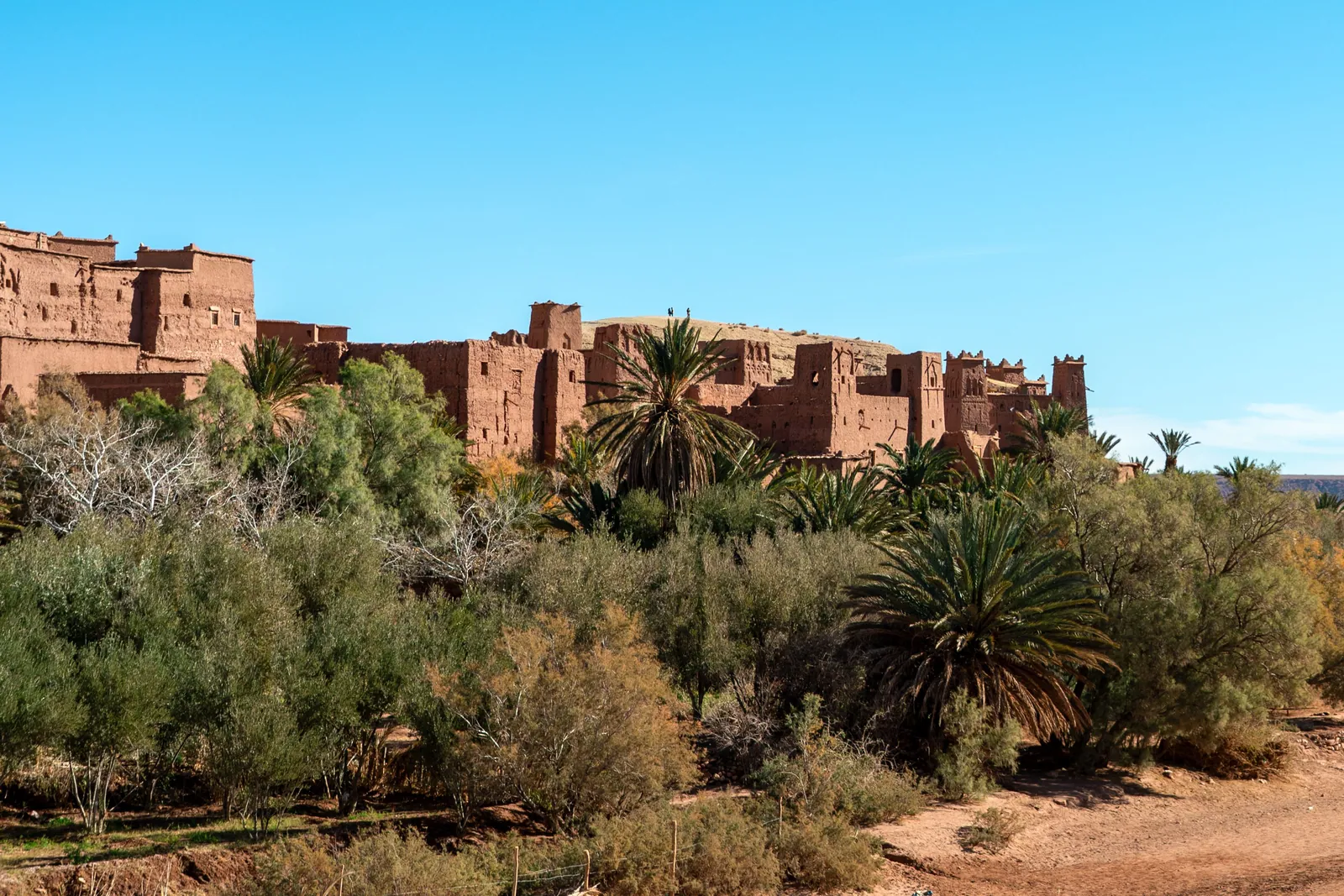
10-Day Morocco Tour from Casablanca
Ten days from Casablanca through imperial cities, mountain villages and desert. Built for range rather than one region, with three different settings spaced out so no two days look alike.
9 Days
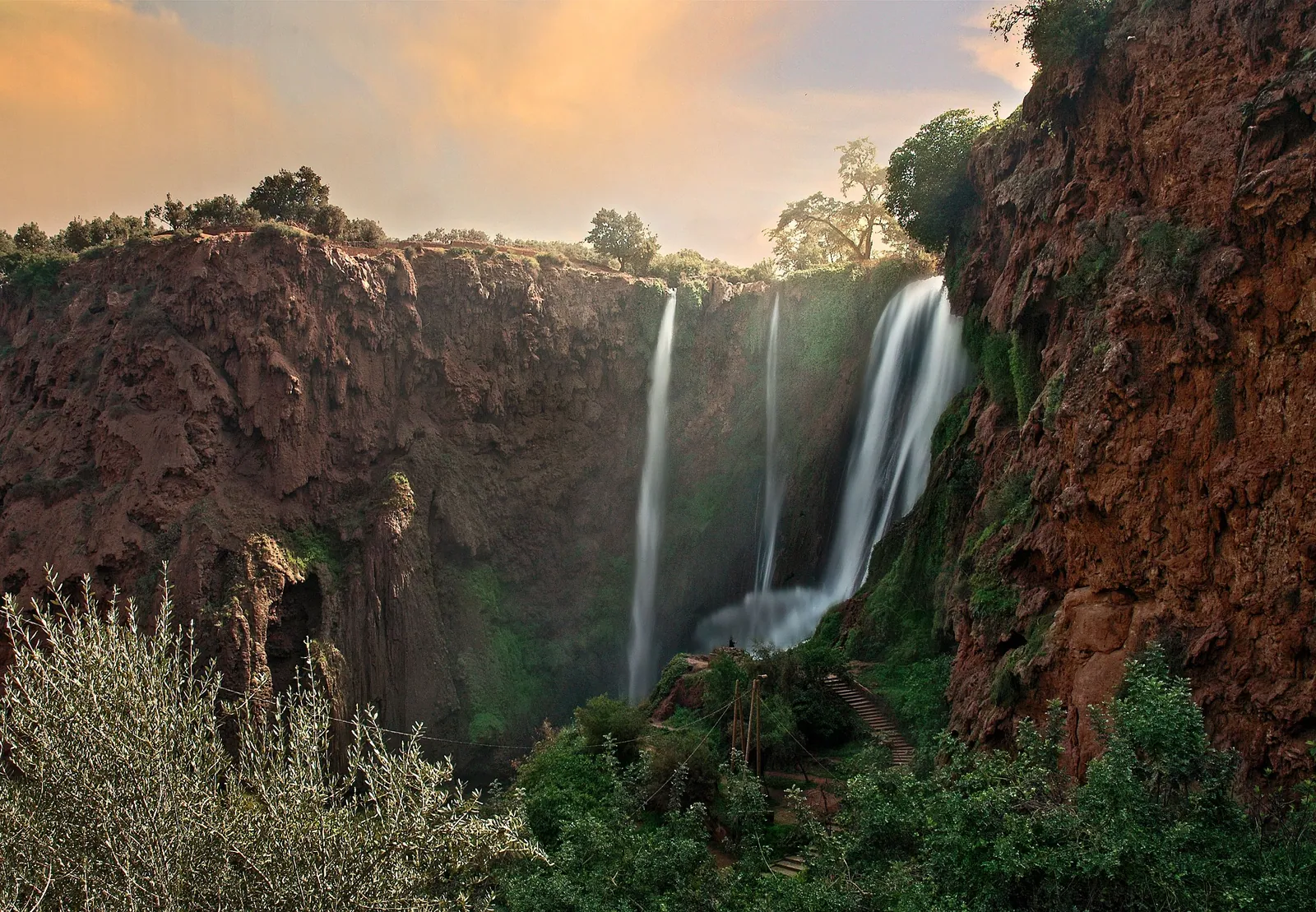
9-Day Morocco Tour from Casablanca
From Casablanca over nine days through royal cities, ancient medinas and a stretch of desert. Long enough for the three settings to breathe, short enough that the trip never becomes a transfer schedule.
Related Guides
What to Pack for Morocco: A Practical Seasonal Checklist
Find out what to pack for Morocco by season and destination, including Marrakech, the Atlas Mountains, the Sahara, the coast, medinas and respectful clothing.
Morocco Honeymoon Guide: Romantic Riads, Desert Camps and Coastal Escapes
Plan a romantic Morocco honeymoon with ideas for Marrakech, the Atlas Mountains, the Sahara, Essaouira, riads, desert camps and private travel.
Sahara Desert Travel Guide 2026
The complete Sahara desert travel guide: Erg Chebbi vs Erg Chigaga, camel treks, luxury desert camps, the classic 3-day Merzouga tour, and what to pack.
Liked this guide?
Give it a like on Instagram and tag us from your Moroccan adventure.
Plan a winter trip built around the weather
Our Marrakech-based team of local experts designs tailor-made Morocco trips around your dates, budget and travel style.
Request a Quote