
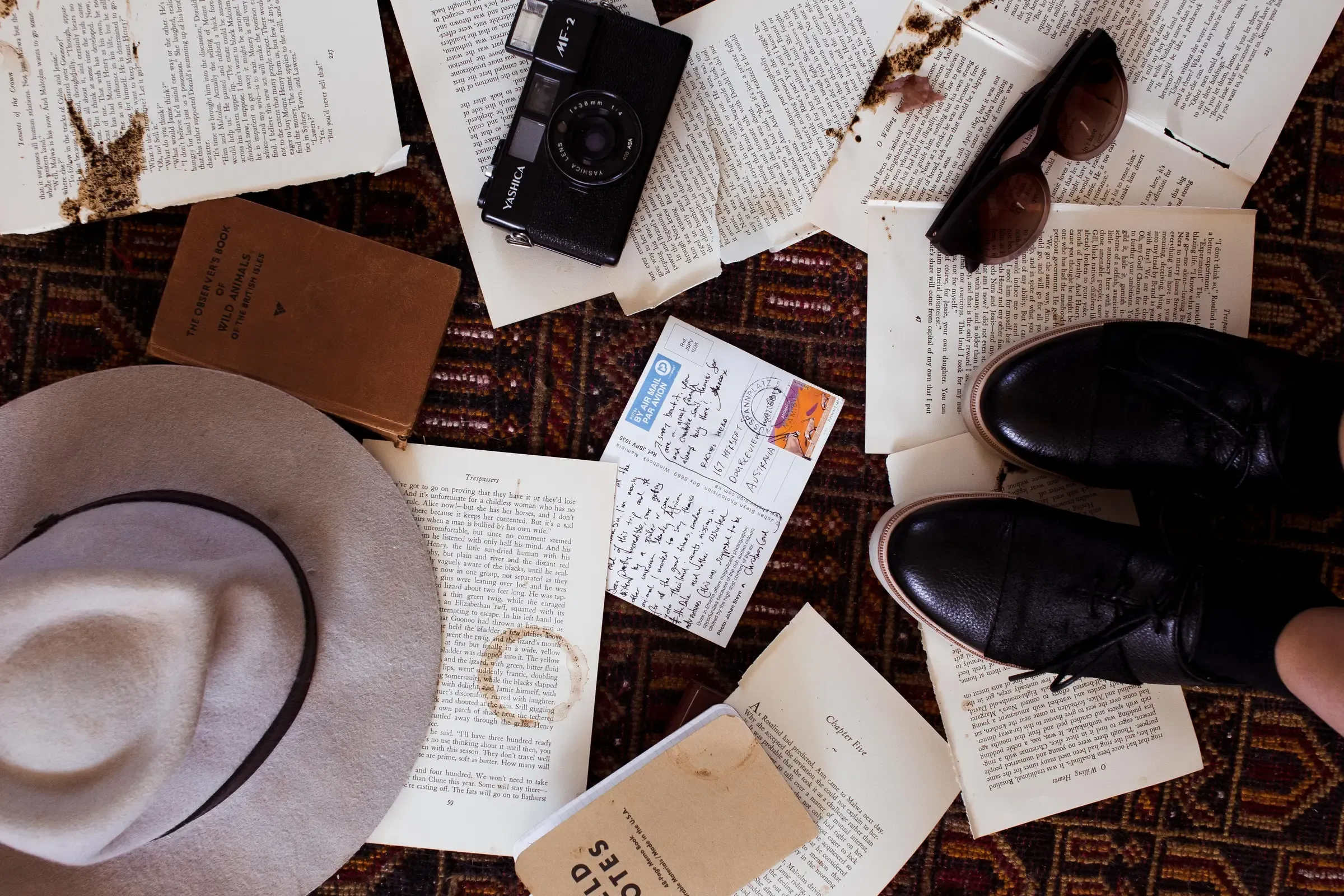
Packing for Morocco is easier when you plan for several climates rather than one forecast. A single itinerary can include warm city afternoons, cool mountain roads, windy Atlantic evenings and cold desert nights — here is the practical, light and adaptable list that covers all of them.
01. The essentials for every Morocco trip
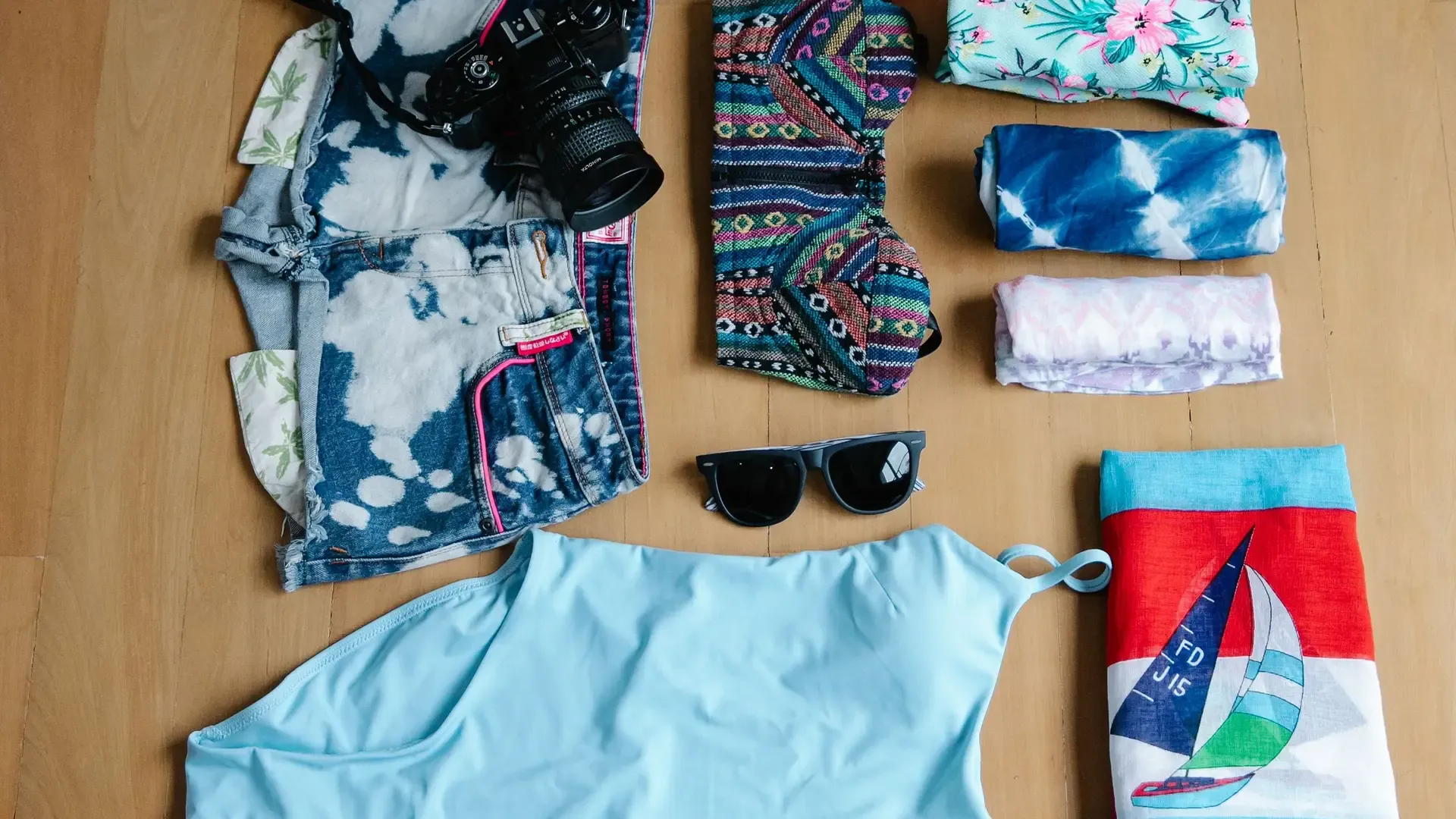
Choose comfortable clothing that works for walking, modest outfits for medinas and villages, and layers that can be added or removed as the temperature changes. The best packing list is the one you actually use, so keep it short and adaptable rather than exhaustive.
Whatever the season, bring comfortable walking shoes with good grip, breathable daytime clothing, a light layer for evenings, sun protection, sunglasses and a hat, a reusable water bottle, a small day bag, personal medication and basic first-aid items, a phone charger and a power bank, copies of important travel documents, and a small amount of local cash for markets and small purchases.
Choose luggage that is easy to carry over uneven streets. Large wheels can be difficult in medinas, where pavements and lanes are not always smooth.
02. What should women wear in Morocco?
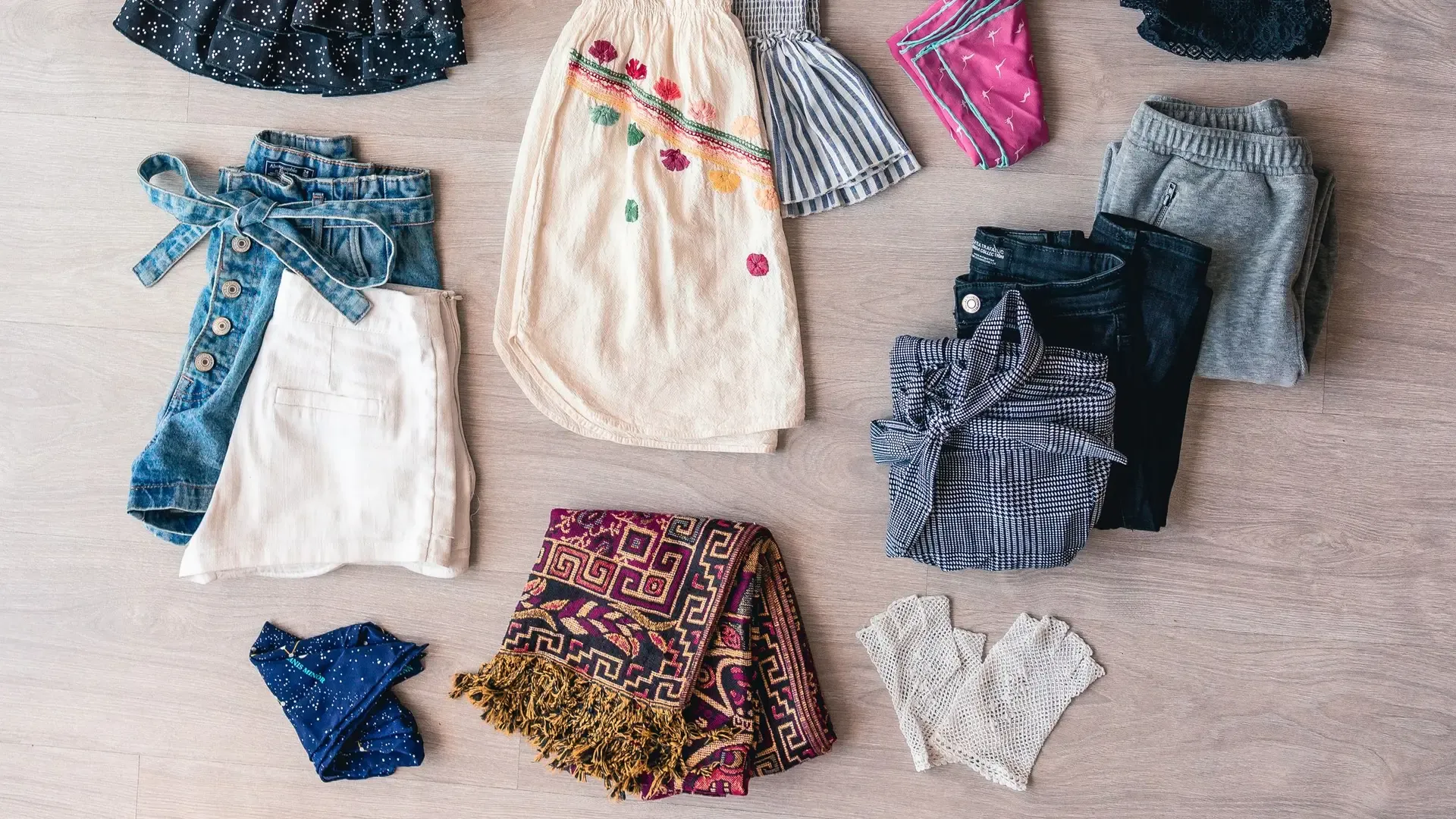
There is no single uniform dress code for tourists, but modest and comfortable clothing is the safest choice, especially outside resort areas. Pack shoulders and knees-covering options for medinas, villages, religious sites and conservative settings.
Useful pieces include loose trousers or long skirts, breathable tops with shoulder coverage, a light scarf or shawl, a long overshirt or cardigan, and comfortable shoes that can be removed when required.
Clothing should allow you to walk, sit comfortably and adapt to changing local settings.
03. What should men wear in Morocco?
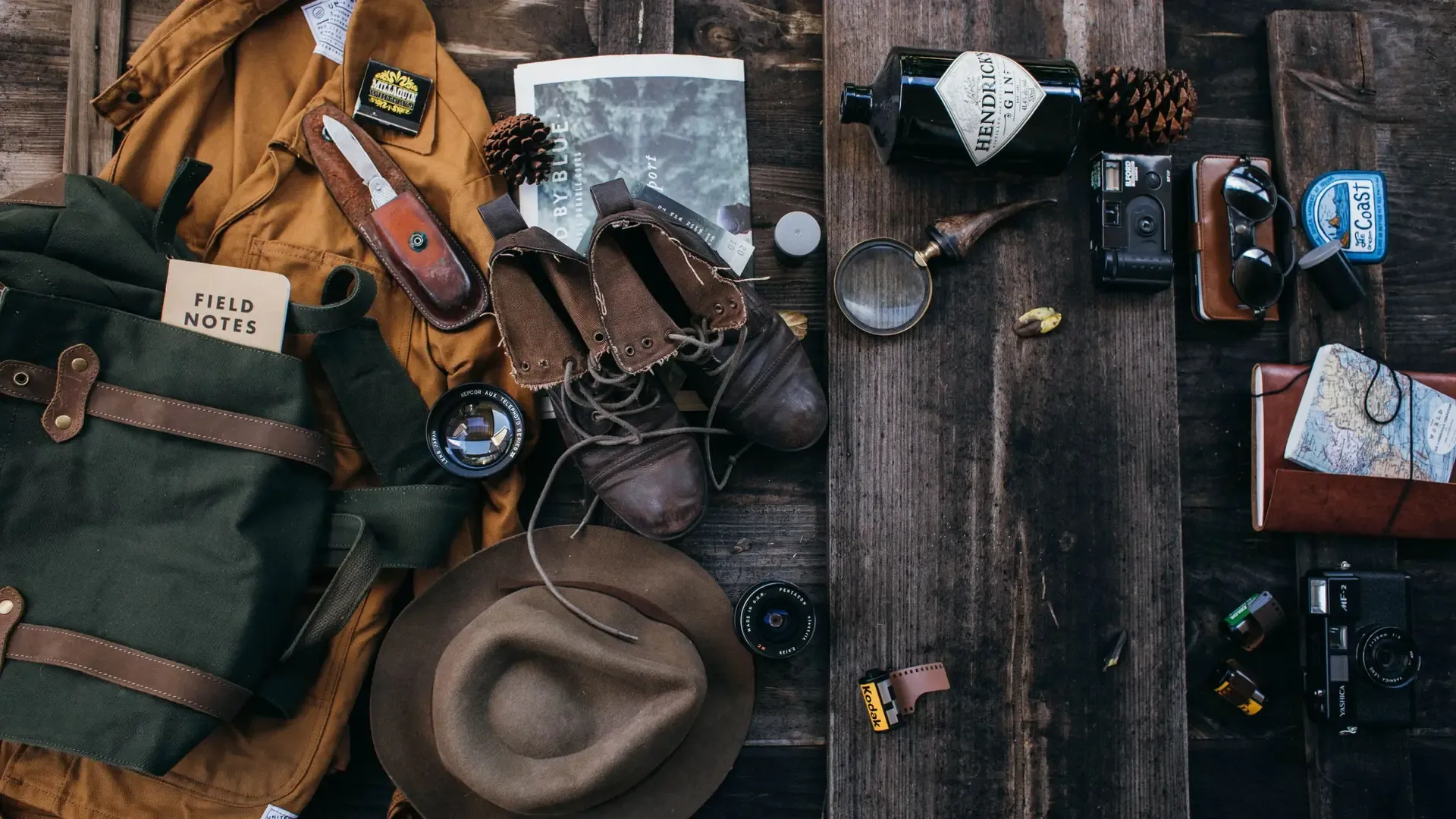
Men can pack light trousers, longer shorts where appropriate, breathable shirts and comfortable walking shoes. A light long-sleeved layer is useful for sun protection, cooler evenings and more conservative areas.
Avoid relying only on beachwear or very short clothing when visiting medinas, villages and heritage sites.
04. Packing for Marrakech and the imperial cities

Marrakech, Fès, Rabat and other cities involve walking on stone, pavement and uneven medina surfaces. Prioritize shoes over fashion footwear and pack clothing that is comfortable in heat and crowds.
For city travel, bring supportive walking shoes, breathable layers, a light scarf, a small cross-body or secure day bag, a compact rain layer outside the driest months, and one smart-casual outfit for rooftops or dinner.
The temperature can drop after sunset in winter, while summer afternoons may be very hot. Check the forecast for the dates of your visit.
05. Packing for the Atlas Mountains

Mountain weather can be cooler and more changeable than Marrakech. Even a short day trip benefits from an extra layer.
Bring shoes with grip, a fleece or warm mid-layer, a waterproof or windproof outer layer when conditions require it, water and snacks, sun protection and a small backpack. Add trekking poles or specialist equipment only for longer hikes.
For a proper hike, ask your guide about the route, altitude, current conditions and required equipment. A city outfit and smooth-soled shoes are not enough for every mountain trail.
06. Packing for the Sahara

The Sahara can be hot during the day and surprisingly cold at night. Pack for the temperature change rather than assuming it will be warm at all times.
Bring light breathable clothing, a warm fleece or jacket, comfortable closed shoes, a scarf or neck covering for sun and dust, high-factor sunscreen, lip balm and moisturizer, sunglasses, a headlamp or small flashlight, a power bank, and a soft overnight bag if your camp transfer has luggage limits.
A large suitcase may be inconvenient for camel or 4x4 transfers. Ask your camp or tour operator what luggage is practical.
07. Packing for the Atlantic coast

Essaouira, Taghazout, Agadir and other coastal areas can be breezy even when the sky is bright. Pack a windproof layer, light trousers or a long skirt, swimwear for suitable accommodation, sandals and walking shoes, sun protection and an extra layer for evenings.
Coastal temperatures can feel cooler than inland cities because of wind.
08. What to pack in summer
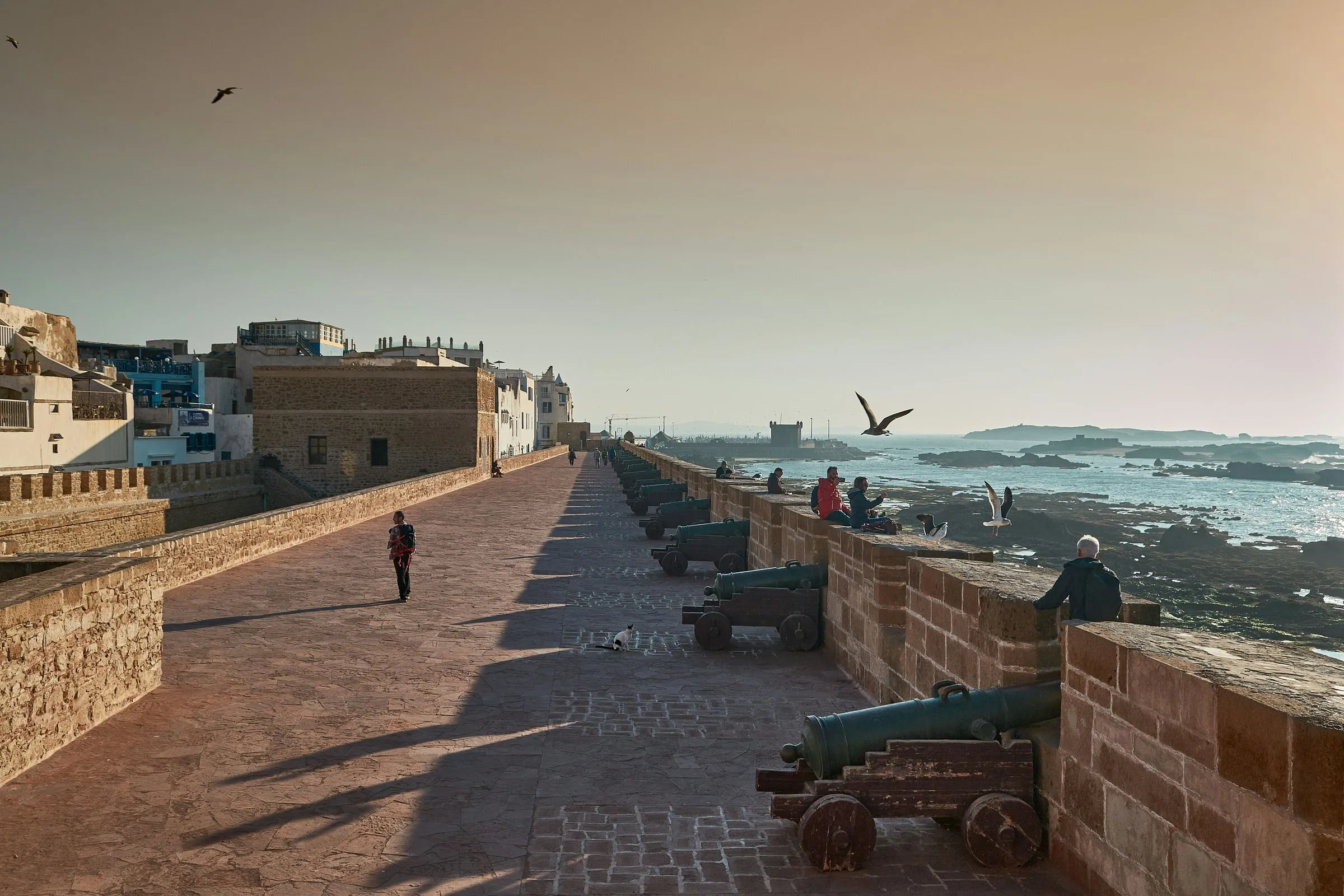
Summer calls for breathable fabrics and protection from the sun: loose cotton or linen clothing, a wide-brim hat or cap, sunglasses, high-factor sunscreen, a refillable water bottle, breathable walking shoes, and a light layer for air-conditioned interiors and evenings.
Inland cities and the desert can be extremely hot. Plan demanding walks for the morning or late afternoon and drink water regularly.
09. What to pack in winter
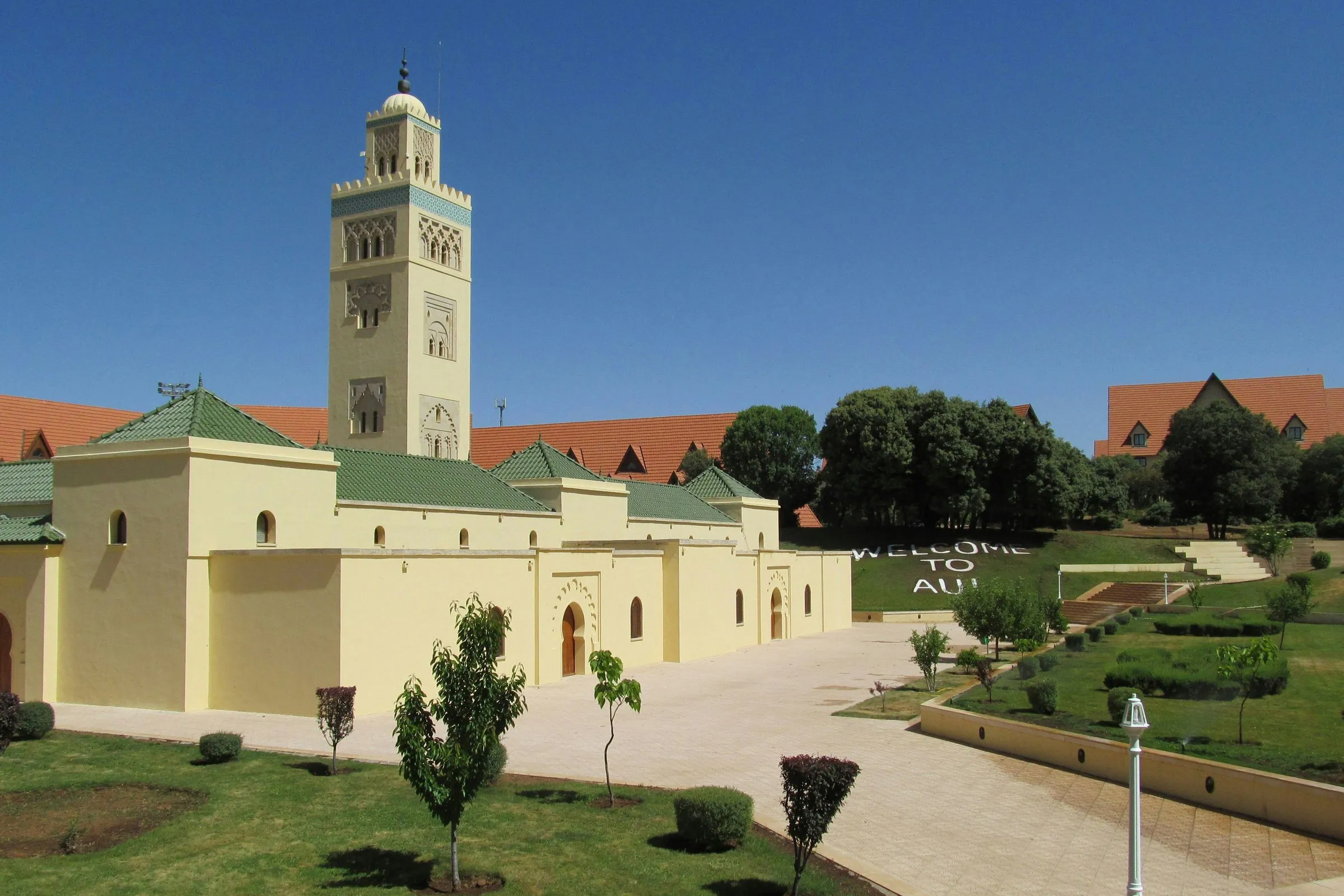
Winter is often mild in cities during the day, but nights can be cold, especially in the mountains, desert and unheated traditional buildings. Bring warm layers rather than one heavy coat, a fleece or sweater, long trousers, closed shoes, warm sleepwear, a compact waterproof layer, a scarf and warm socks.
Accommodation style matters. A modern hotel may be heated differently from a traditional riad or desert camp, so ask before travelling if you are sensitive to cold.
10. What to pack in spring and autumn

These seasons are often comfortable but variable. Use a layering system: light daytime clothing, a long-sleeved shirt, a cardigan or fleece, a light rain or wind layer, comfortable shoes and sun protection.
Spring and autumn can include warm city days and cool mountain or desert evenings on the same itinerary.
11. What not to overpack
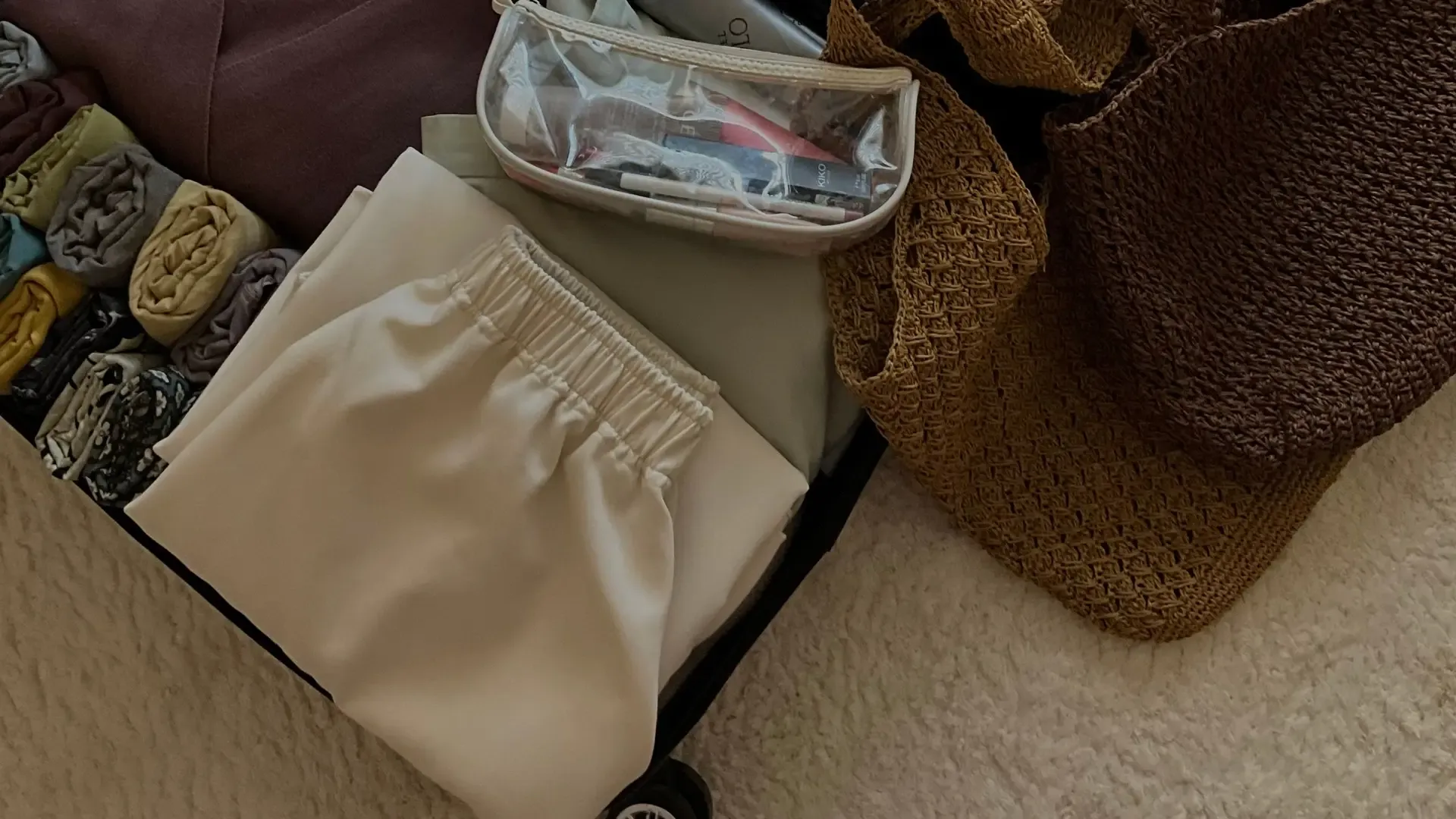
You probably do not need several pairs of heavy shoes, a full formal wardrobe, large amounts of toiletries, expensive jewellery, hard-to-carry luggage, clothing that is uncomfortable for walking, or specialist equipment unless your itinerary requires it.
Morocco has shops and pharmacies in major towns, although specific brands or medications may not be available. Bring essential medication in its original packaging.
12. Useful travel accessories
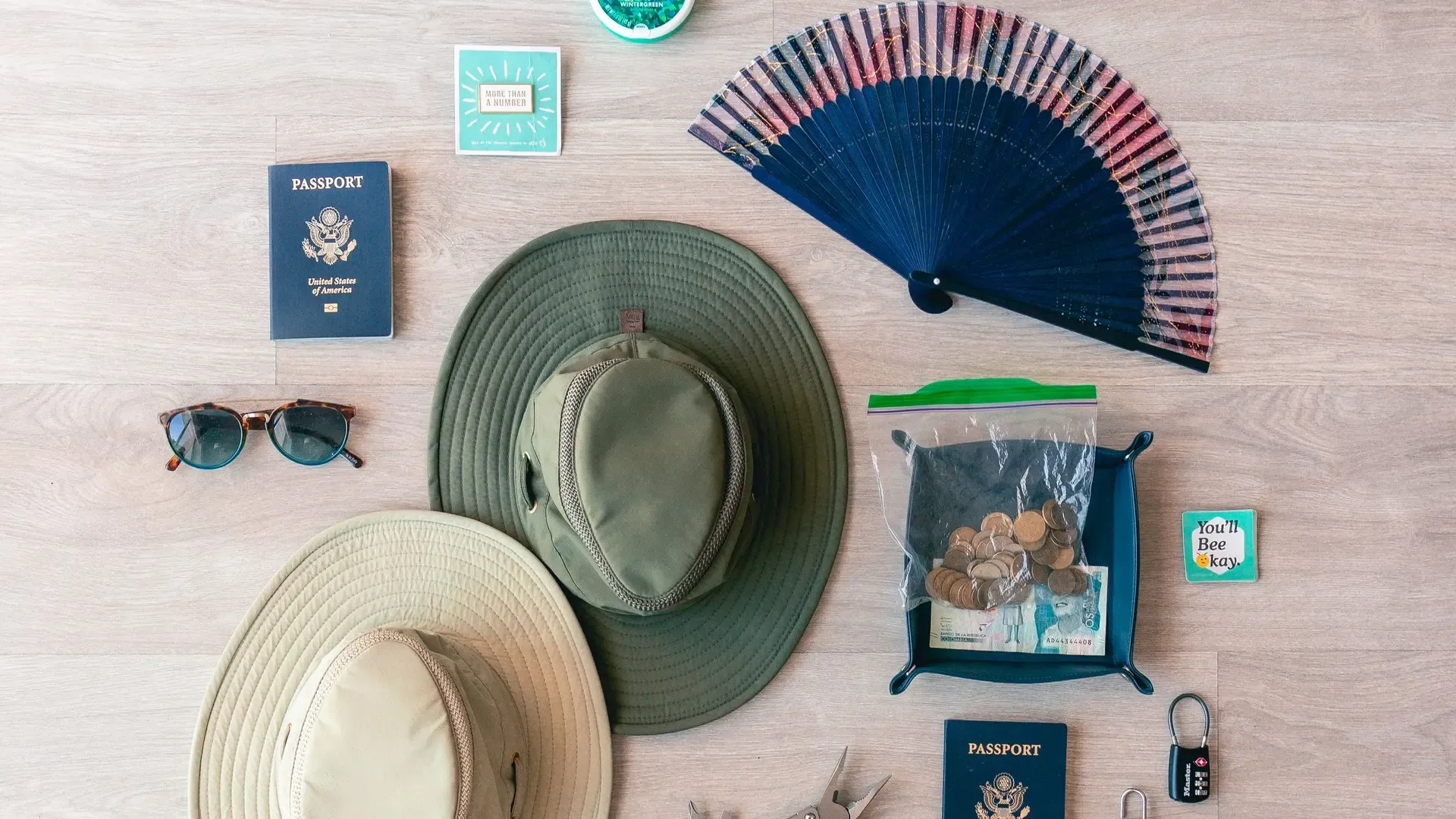
Consider adding packing cubes, a small laundry bag, a universal adapter, offline maps, a photocopy or digital copy of your documents, earplugs for lively medina areas, a compact umbrella outside the driest season, and a scarf that can work as sun protection or an extra layer.
Most of these cost very little and earn their space many times over once the trip starts — particularly on multi-city routes with several hotel changes.
13. Respectful packing and local customs

Packing respectfully is not about giving up your personal style. It is about having options that suit the place you are visiting.
Keep a shoulder-covering and knee-covering outfit accessible instead of buried in your suitcase. Ask before photographing people, dress more conservatively in villages and religious settings, and follow local instructions.
Frequently Asked Questions
Do I need warm clothes for Morocco?
Often yes. Mountain and desert nights can be cold even after warm daytime temperatures. Pack layers, especially for winter, spring and autumn.
Can I wear shorts in Morocco?
Shorts may be comfortable in some tourist and beach settings, but longer and looser clothing is more versatile for medinas, villages and heritage sites.
What shoes are best for Morocco?
Comfortable walking shoes with grip are the most useful. Add sandals for accommodation or the coast, but avoid relying only on smooth fashion shoes.
Should I take a suitcase or backpack?
Either can work. Choose luggage that you can carry over uneven medina streets and check whether your desert camp or transfer recommends a smaller overnight bag.
What should I pack for the Sahara at night?
Bring a warm layer, long trousers, socks and a comfortable closed shoe. Desert evenings can be much colder than visitors expect.
More Morocco tours
10 Days
10-Day Private Luxury Morocco Tour: Marrakech to Tangier
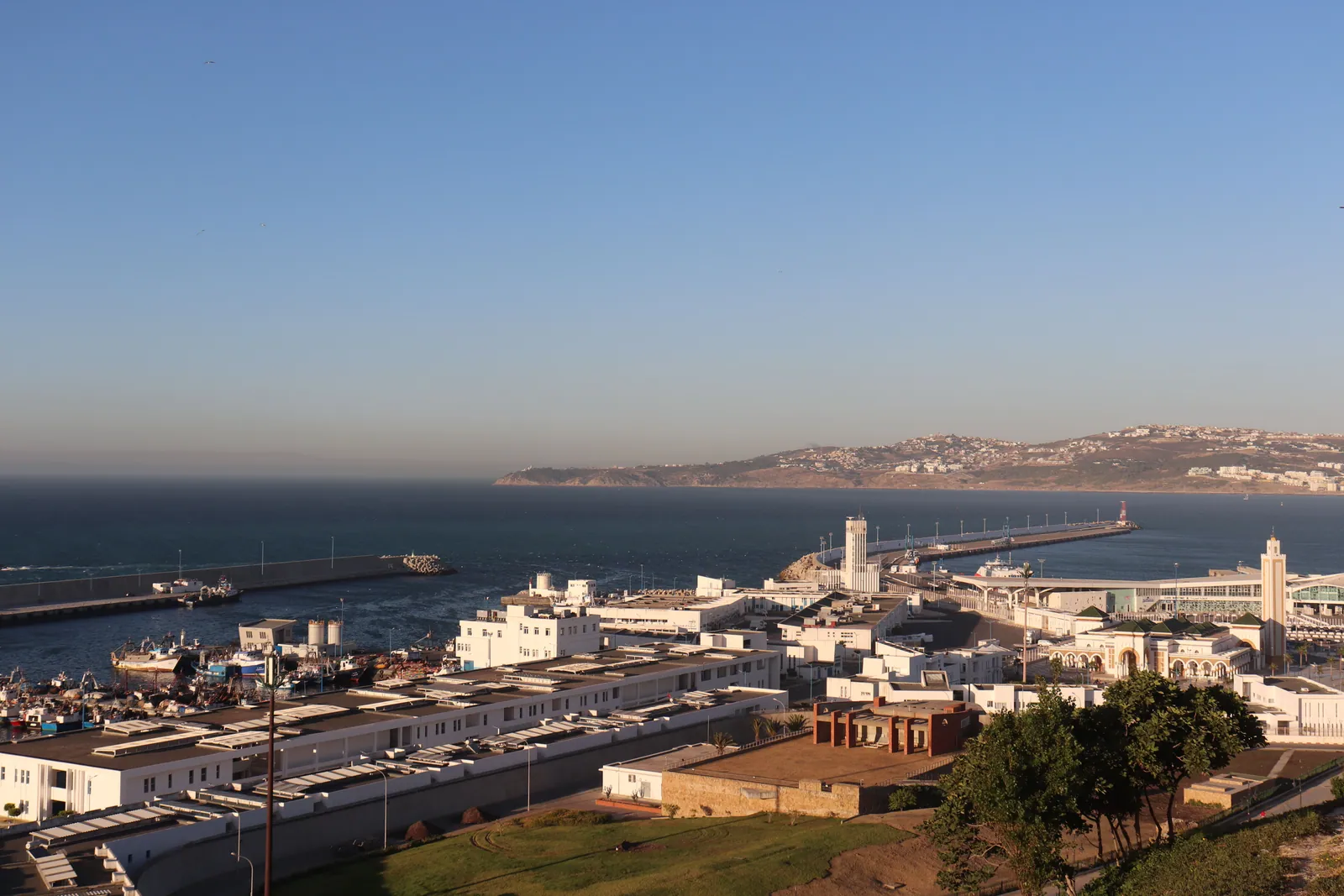
Private, ten days, Marrakech to Tangier: riads, the Atlantic coast and the main cultural stops, arranged for one party rather than a fixed departure. You fly out of Tangier and never retrace the route.
10 Days
10-Day Morocco Tour from Casablanca
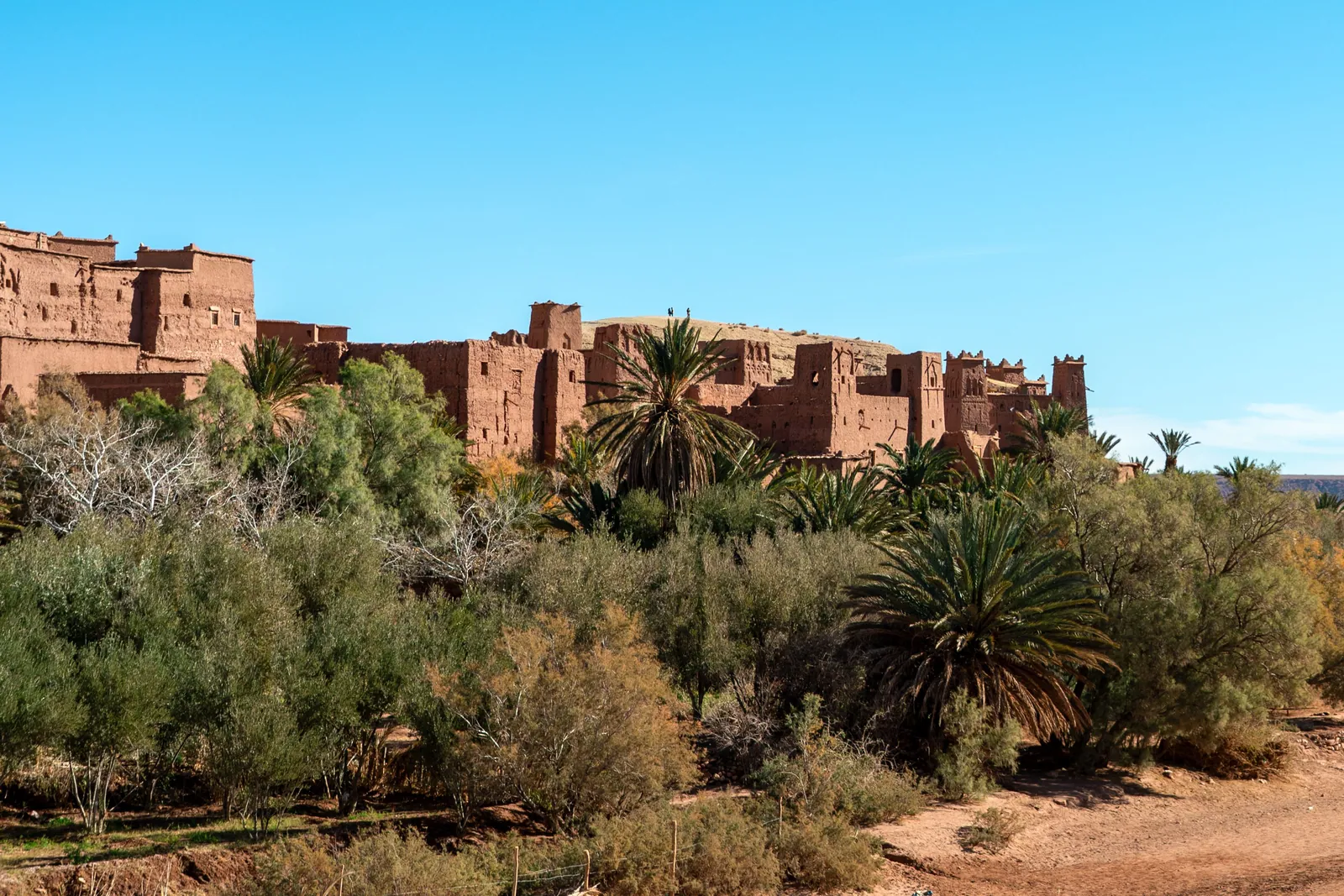
Ten days from Casablanca through imperial cities, mountain villages and desert. Built for range rather than one region, with three different settings spaced out so no two days look alike.
Near Marrakech
Agafay Desert
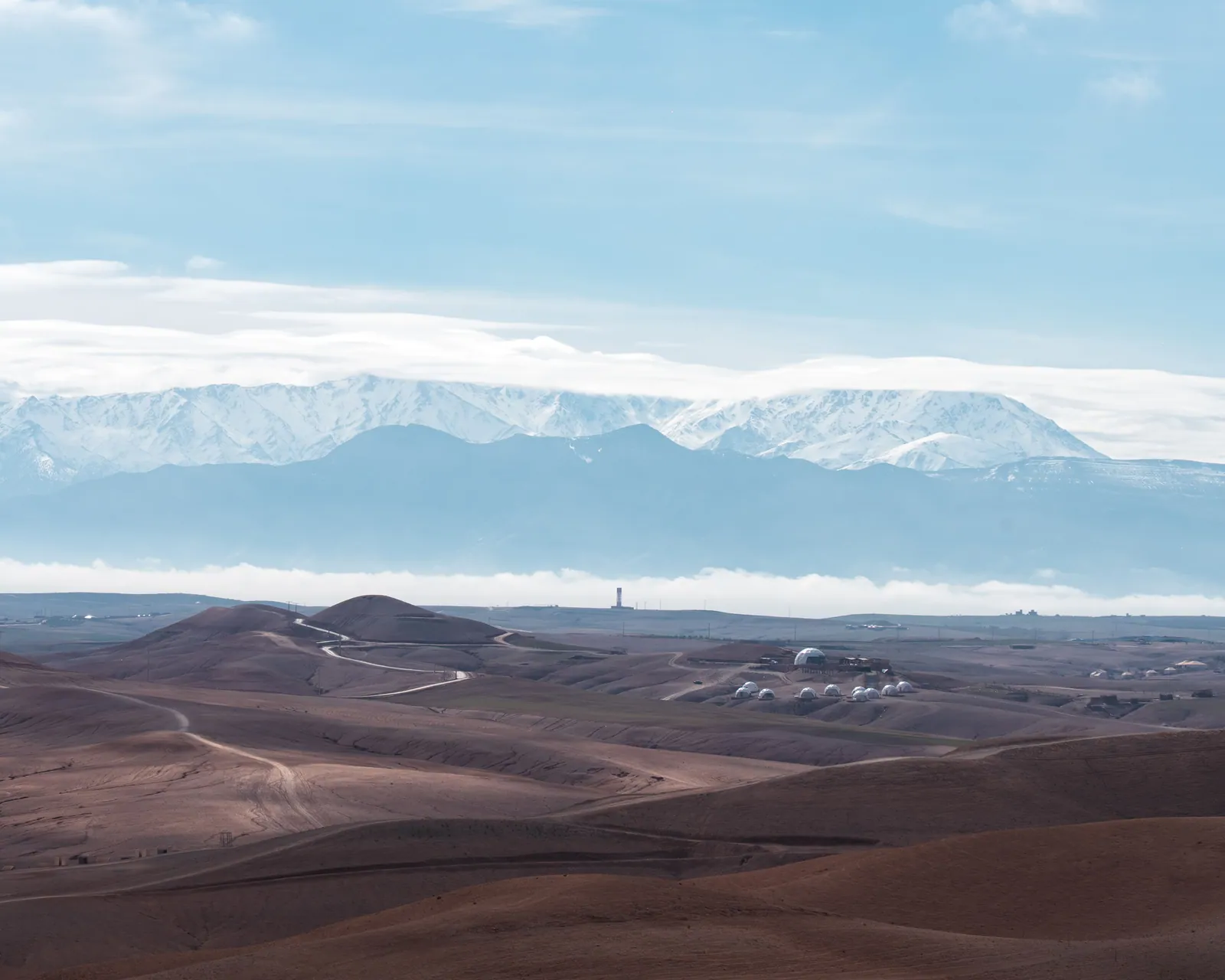
A dry, rocky desert close to Marrakech, with no dunes — bare hills, open horizons and camps laid out for dinner after dark. The short transfer is the point: one night either side of a city week.
Related Guides
14-Day Morocco Itinerary: Cities, Atlas and Sahara
A practical 14-day Morocco itinerary linking Marrakech, the High Atlas, the Merzouga dunes, Fes, Chefchaouen and the Atlantic coast, with realistic driving times.
7-Day Morocco Itinerary: Marrakech, Atlas and Sahara
A practical 7-day Morocco itinerary covering Marrakech, the Atlas Mountains, Aït Benhaddou, the Dades Valley and the Sahara.
Morocco Honeymoon Guide: Romantic Riads, Desert Camps and Coastal Escapes
Plan a romantic Morocco honeymoon with ideas for Marrakech, the Atlas Mountains, the Sahara, Essaouira, riads, desert camps and private travel.
Liked this guide?
Give it a like on Instagram and tag us from your Moroccan adventure.
Plan your Morocco trip with packing advice included
Our Marrakech-based team of local experts designs tailor-made Morocco trips around your dates, budget and travel style.
Request a Quote