Morocco is a safe and welcoming country for most visitors, and the large majority of travellers go home without a single problem. What does catch people out is a small number of predictable tricks that happen in busy tourist areas, usually involving a taxi, an unofficial guide or a market stall. Knowing how they work is enough to avoid them completely, and it will not stop you from enjoying the country.
01. How common scams actually are
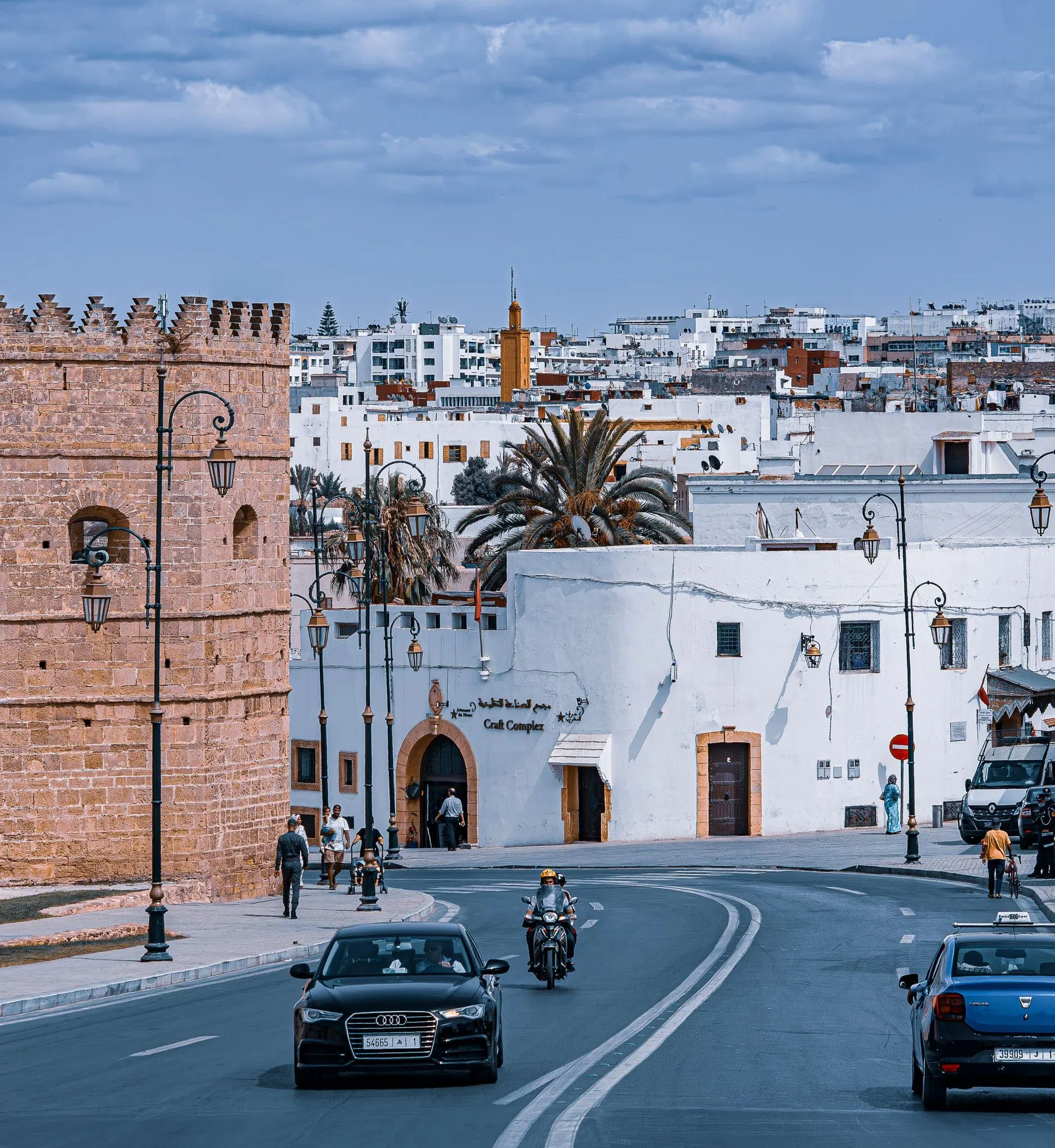
Most visits to Morocco are entirely uneventful. Pickpocketing and overcharging exist, as they do in any tourist city, but serious crime against visitors is uncommon. The problems that travel forums describe in detail are real, yet they are concentrated in a handful of places: the Jemaa el-Fna area of Marrakech, the main medina gates, train station taxi ranks and a few nightlife streets.
It also helps to separate a scam from simple hard bargaining. Souk vendors who open with a very high price are doing business the way business is done here, not trying to cheat you. A genuine scam is different: it is a lie about the price, the destination or the service that appears after you have already agreed to something.
02. Taxi and transfer tricks
The most common complaint is a taxi fare that changes between agreeing a price and arriving. Standard versions include a broken or conveniently forgotten meter, a sudden surcharge for luggage, and a driver who claims your hotel is closed or in the wrong part of the city and offers an alternative instead.
Before you get in, agree the fare or confirm the meter is running. Keep the hotel name written down so you can show it rather than explain it, and check that the plate matches. If the driver refuses to use the meter after you have asked twice, step out and take the next one.
Airport runs are where the largest overcharges happen. A pre-arranged transfer with a fixed price removes the negotiation entirely, which is the main reason travellers book one.
03. Unofficial guides and closed-medina routes
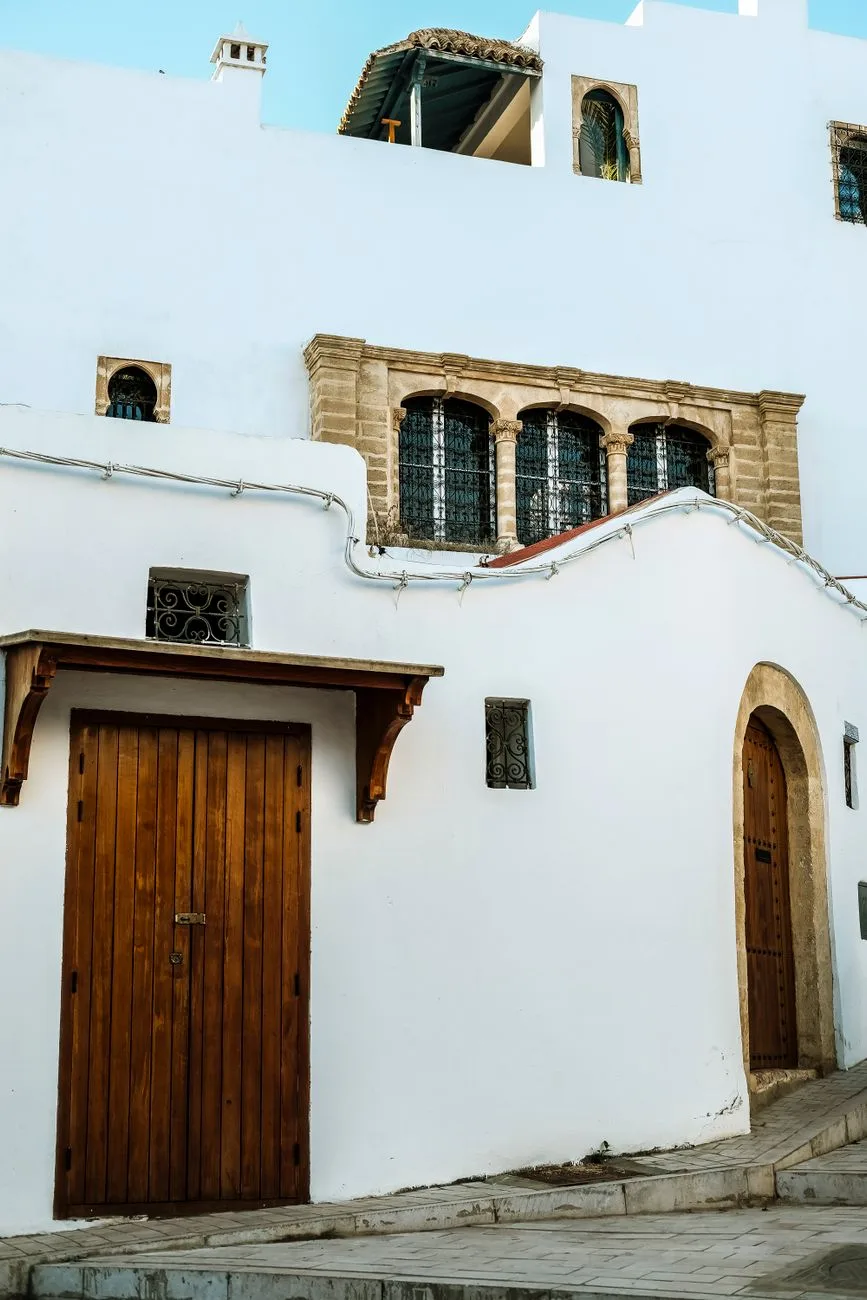
A stranger approaches you in the medina, is friendly and helpful, and then explains that the landmark you were looking for is closed today but he knows somewhere better. Sometimes the route does end at a shop, a carpet workshop or a leather showroom where the price has been arranged in advance and a commission is expected.
Official guides carry an accredited badge and can be hired at the tourist office or through your riad. If someone attaches themselves to you uninvited, a short and polite refusal is enough. Continuing to walk while you answer works better than stopping to negotiate.
The same pattern appears around major sights: someone tells you the entrance is elsewhere, then walks you there and asks for a fee at the end.
04. Pickpocketing and distraction theft
Distraction is the usual method rather than force. Someone spills something on you, a group surrounds you for a photo, a child points out that your bag is open, or a busy doorway becomes a squeeze at exactly the wrong moment.
Wear your bag across your body with the zip towards you, keep phones out of back pockets, and hold anything you are actively using. In crowds, carry only the cash you need for that outing and leave the rest at the riad.
Be especially alert on the first day, when you are looking up at buildings instead of around you, and on station platforms where the press of people is densest.
05. Henna artists, snake charmers and photo tips
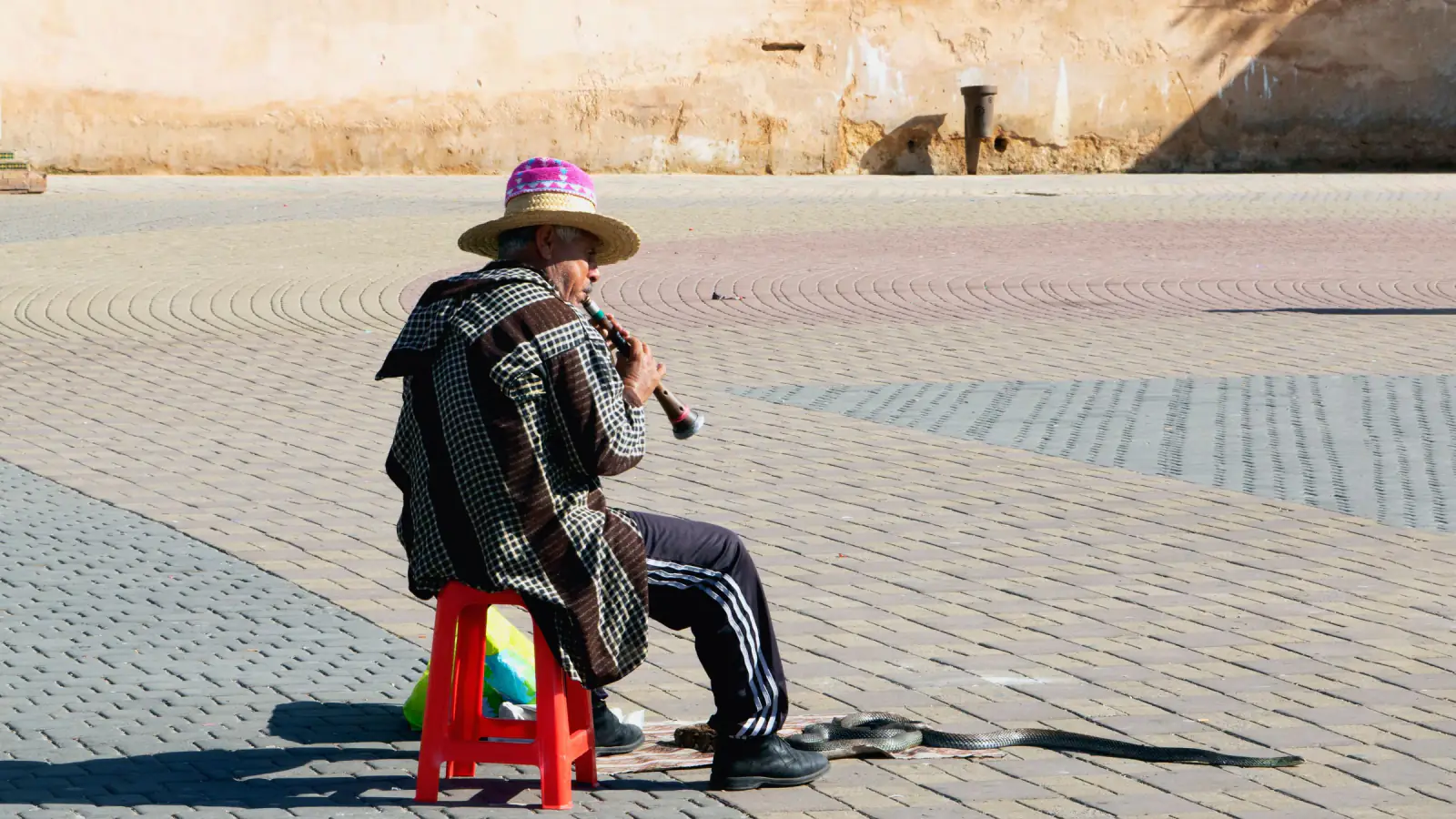
In the main squares, performers work the crowds and expect payment. Henna is often applied before you have agreed a price or been told that the artist expects a tip, and snake or monkey handlers may approach you and then demand money for holding an animal you never asked to touch.
If you want the experience, ask the price first and confirm it is per hand rather than per line. If you do not, keep your hands visibly to yourself and keep walking. There is no obligation to be polite to someone who has already ignored a no.
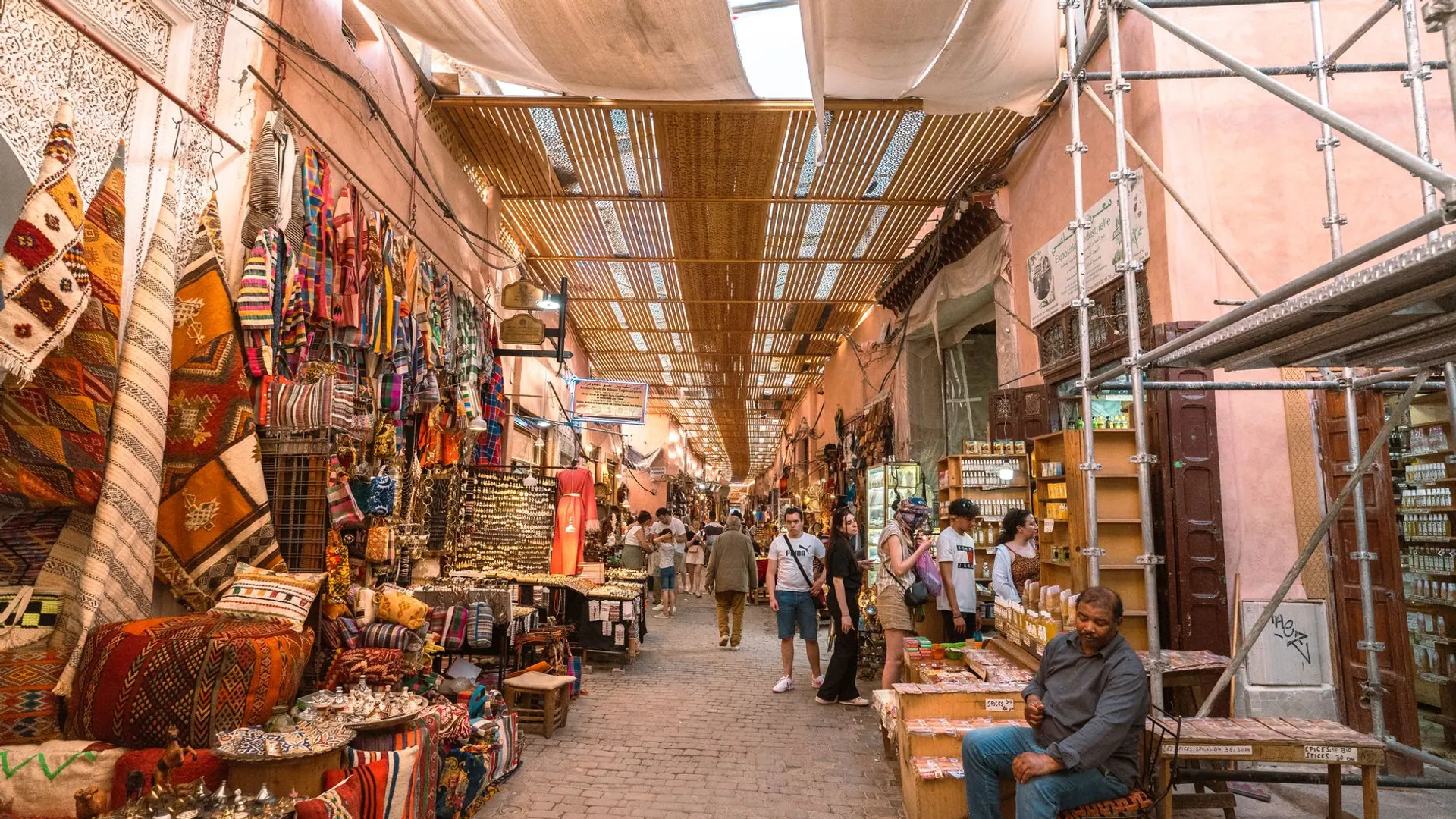
06. Souk prices and bargaining
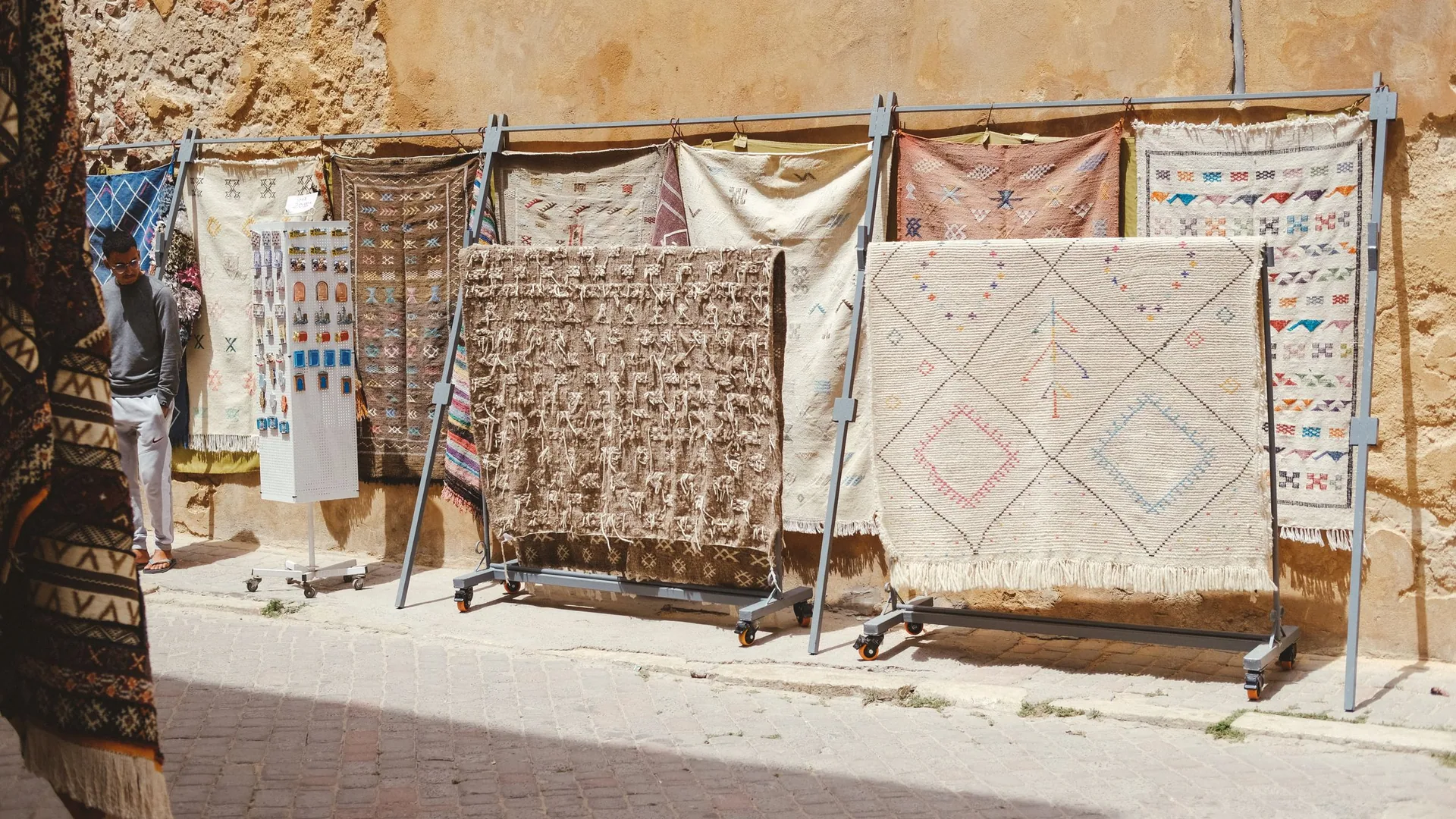
Bargaining is normal and expected for rugs, leather, lanterns and spices. It becomes a problem when a price is quoted that has no relationship to the item, or when a number you agreed in passing is later presented as something much larger.
Agree the total before the item is wrapped. If you are quoted a price per metre, per gram or per piece, confirm which unit applies. For spices and argan products, check whether the price is for the packaged amount rather than a scoop you watched being filled.
A useful rule: if you are not enjoying the exchange, walk away. Prices in a souk rarely rise because you left, and they very often fall.
07. Cafés, restaurants and bar bills
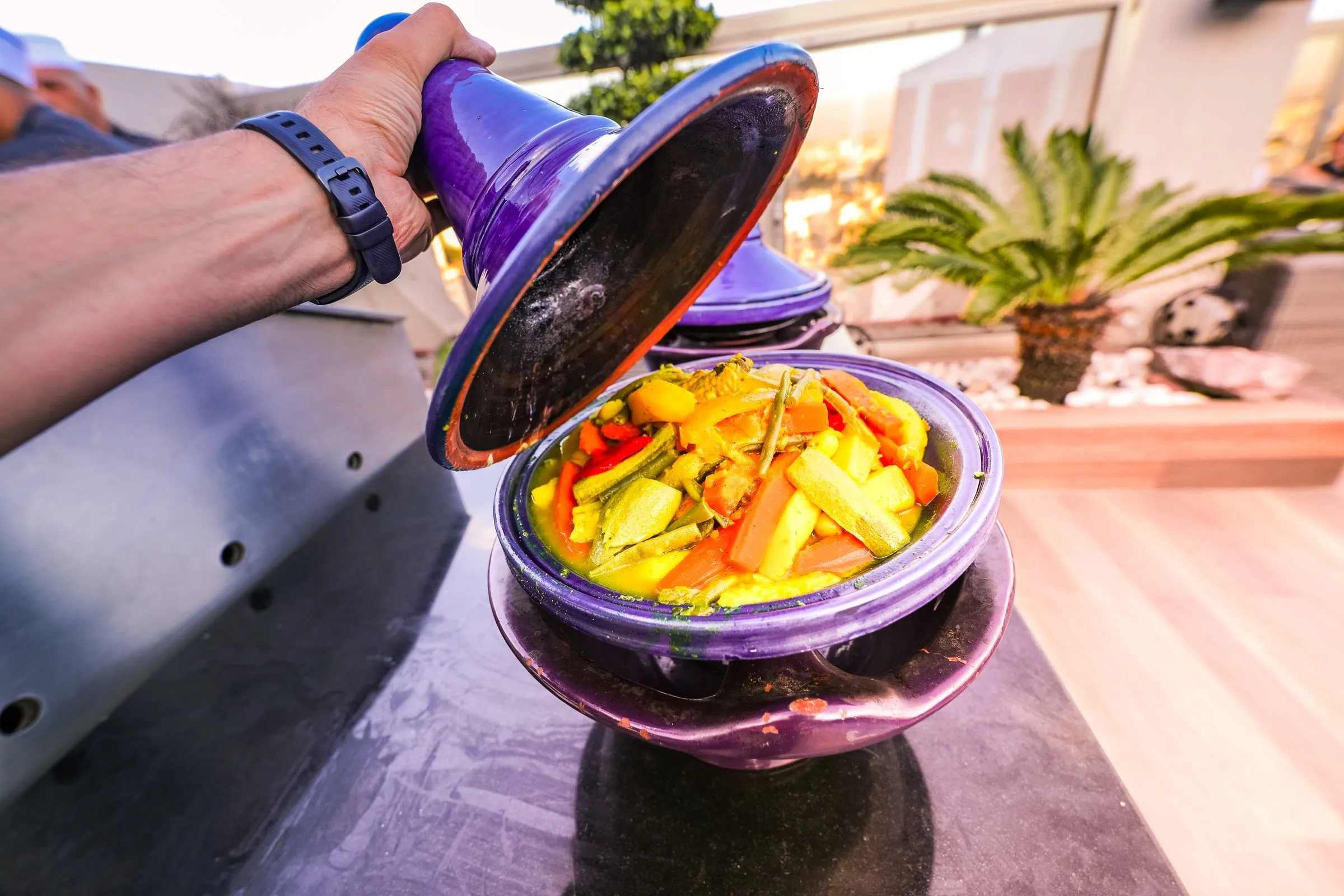
The usual issues are an item added that you did not order, a service charge that was never mentioned, and menus without prices on them. It is more common in places that rely on passing trade than in restaurants people return to.
Check the menu carries prices before you sit down, ask whether service is included, and read the bill before paying. Paying in cash at the table makes it easier to spot an error in the moment.
In nightlife areas, agree the price of a bottle or a table in advance. Uncovered drinks should stay covered, and it is reasonable to watch them being opened.
08. Riad and booking tricks

Two versions exist. In the first, a booking made through an unofficial channel turns out not to exist when you arrive, leaving you standing in the medina with luggage. In the second, you are told on arrival that your room is unavailable and offered a nicer alternative elsewhere for more money.
Book through the property directly or a channel you trust, keep the confirmation offline, and call ahead on the day you land. If a room genuinely is unavailable, a legitimate host will have arranged the replacement before you arrive rather than during the conversation.
Be careful with anyone who offers to call a riad for you and then takes a commission, and never pay a deposit in cash to someone who approached you in the street.
09. Cash, ATMs and exchange
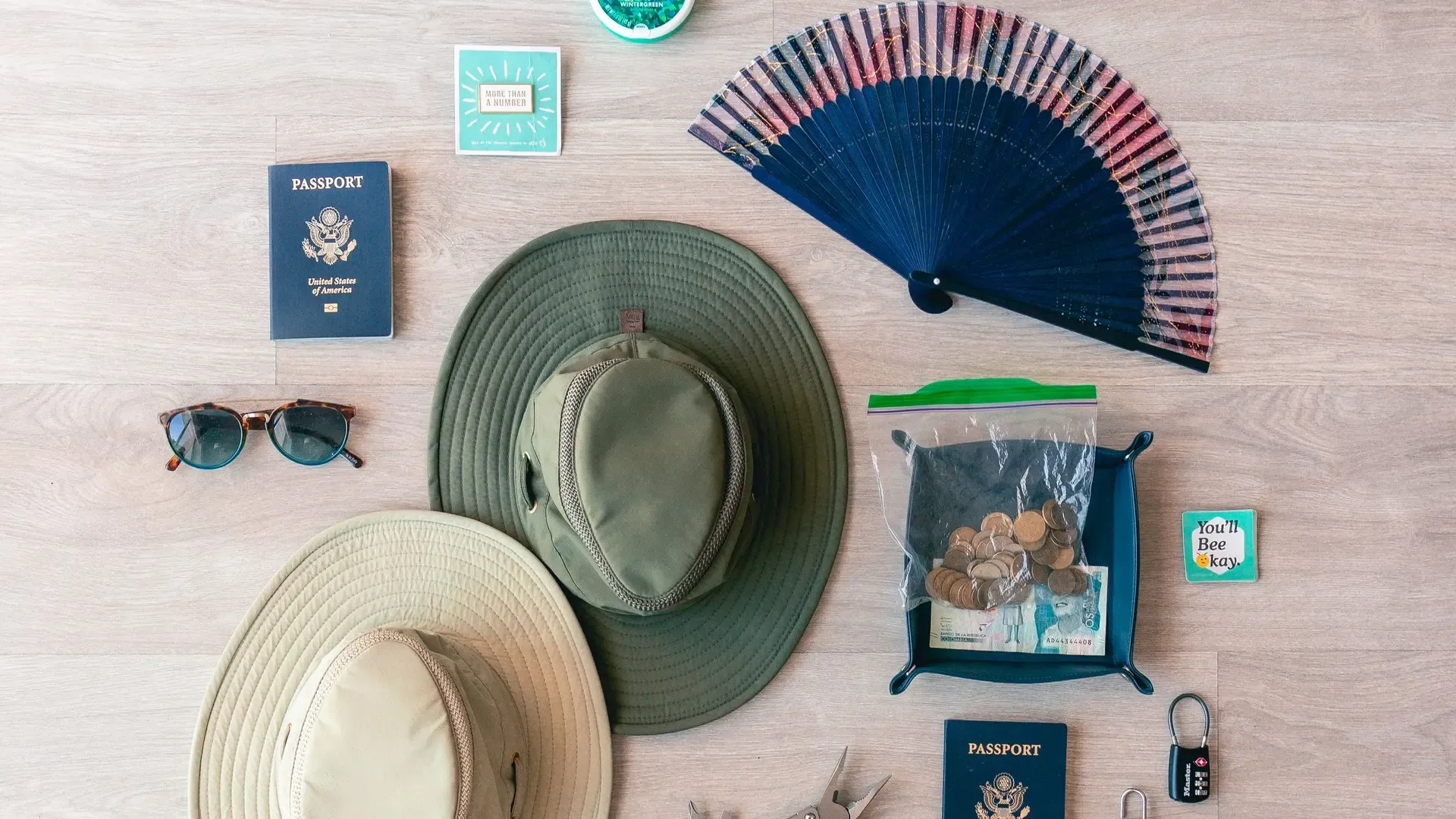
ATMs inside banks and airports are the safest option. Stand in front of the machine so your PIN is not visible, decline any help from someone waiting behind you, and take your card and receipt as soon as the transaction finishes.
Only use exchange offices with a posted rate board, count the money before you leave the counter, and avoid changing money with people who approach you outside. Card is widely accepted in cities but cash is still required for taxis, small shops and markets.
Let your bank know you are travelling, and keep a second card somewhere separate from your wallet.
10. If something does go wrong
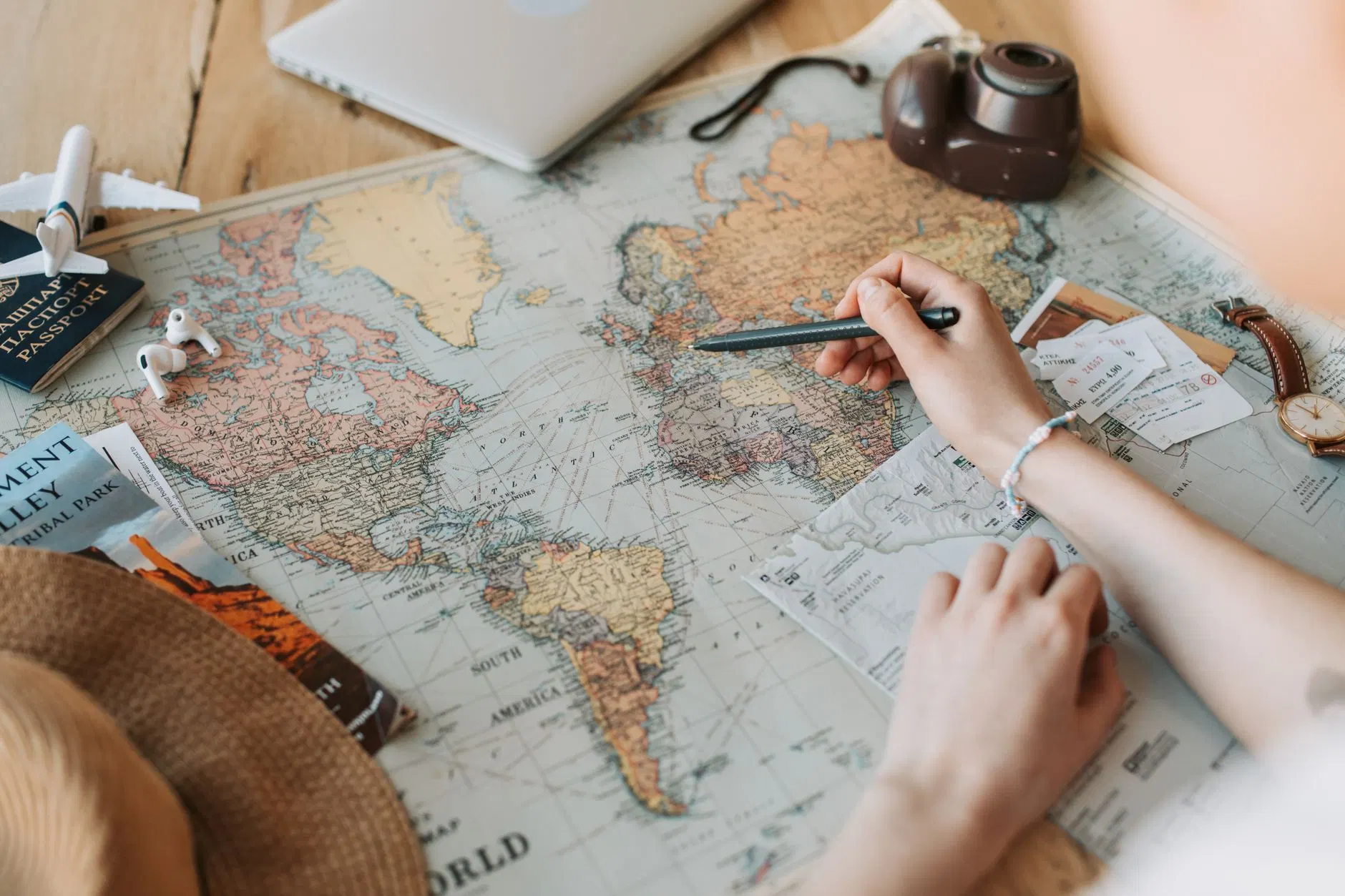
For a theft, report it to the police and obtain a written statement — you will need it for an insurance claim and for your bank if a card was involved. Tourist police operate in the main medina areas and can help in French, English, Spanish and Arabic.
If your card was used or cloned, call your bank immediately and freeze the card rather than waiting to see whether the charge reverses. Keep receipts, transaction references and any messages relating to a booking.
A complaint about a specific business is more useful when it includes a date, an address, an amount and a name. Vague reports rarely lead anywhere, while a documented one often does.
11. The simplest protection
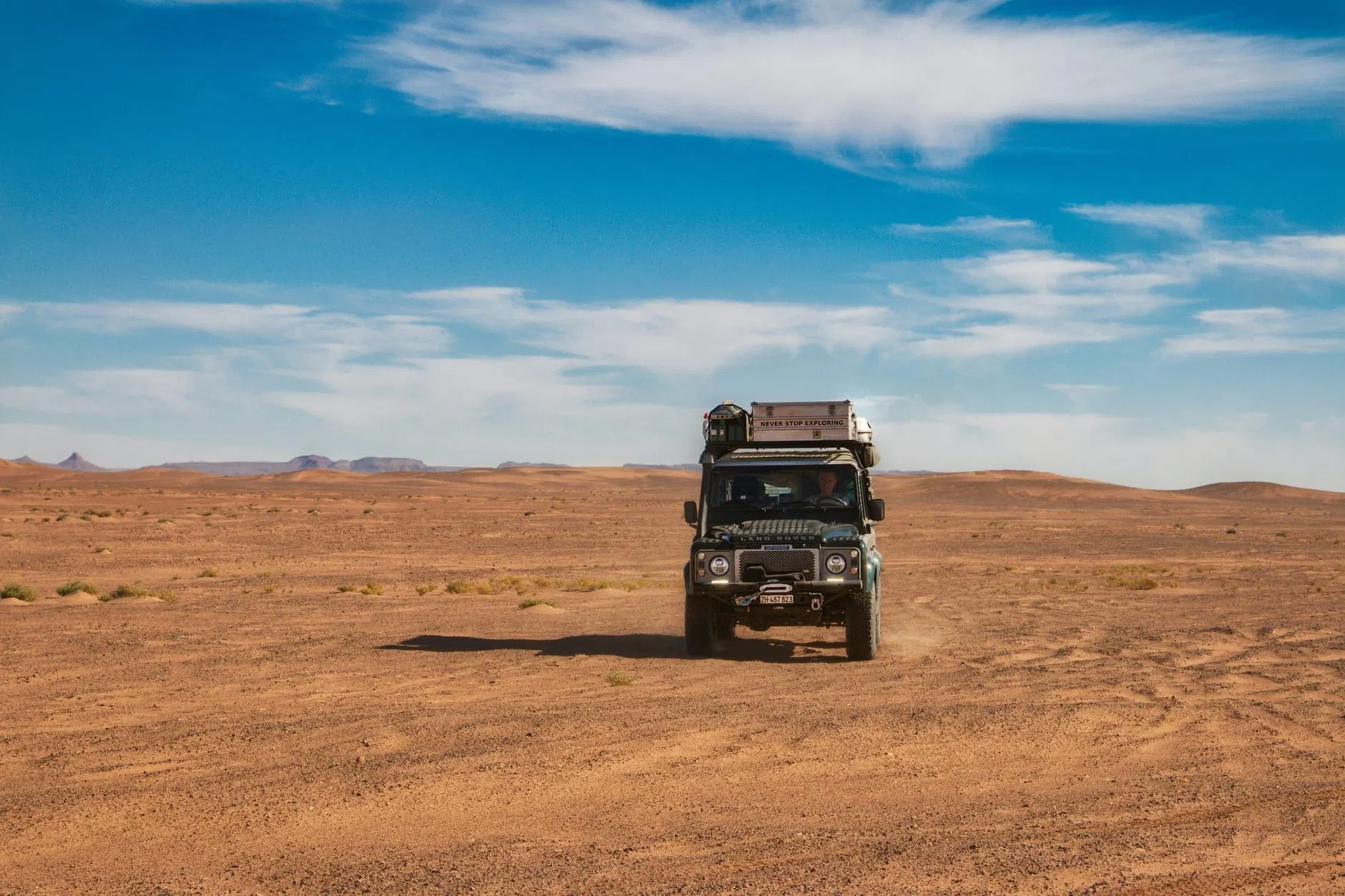
Almost every problem above involves either an unlicensed guide, an unagreed price or an arranged payment you were not told about. Arrange your transfers before you fly, agree prices before you start, and use guides booked through your accommodation or a licensed operator.
That does not mean travelling defensively. It means the few minutes of planning that remove the entire category of problem, leaving you free to enjoy the medinas, the food and the people you meet along the way.
Frequently Asked Questions
Is Morocco safe for tourists?
Yes. Most visits pass without incident. The issues that exist are concentrated in busy tourist areas and involve overcharging or opportunistic theft rather than violence.
What is the most common scam in Morocco?
Taxi overcharging is the most frequent, especially from airports and train stations. Agreeing the fare in advance or booking a fixed-price transfer avoids it.
How do I avoid fake guides in the medina?
Official guides carry an accredited badge and can be arranged through the tourist office or your riad. Decline anyone who attaches themselves to you uninvited and keep walking.
Should I bargain in the souks?
Yes, for rugs, leather, lamps and spices it is expected. Agree the total before the item is wrapped, and walk away if you are not enjoying the exchange.
Should I use ATMs in Morocco?
Yes, and prefer machines inside banks or airports. Shield the keypad, decline offers of help from strangers, and carry a second card stored separately.
More Morocco tours
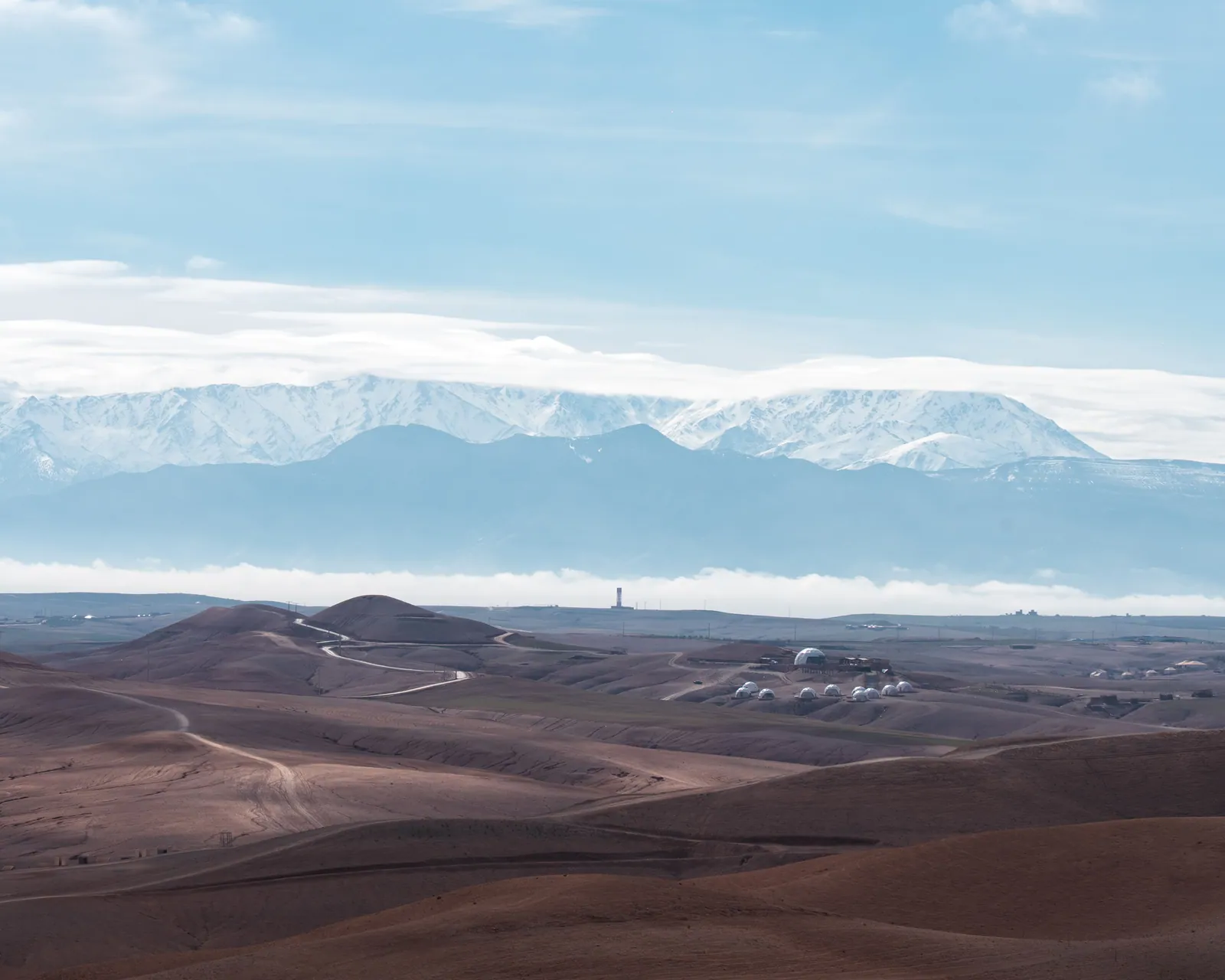
Near Marrakech
Agafay Desert
A dry, rocky desert close to Marrakech, with no dunes — bare hills, open horizons and camps laid out for dinner after dark. The short transfer is the point: one night either side of a city week.
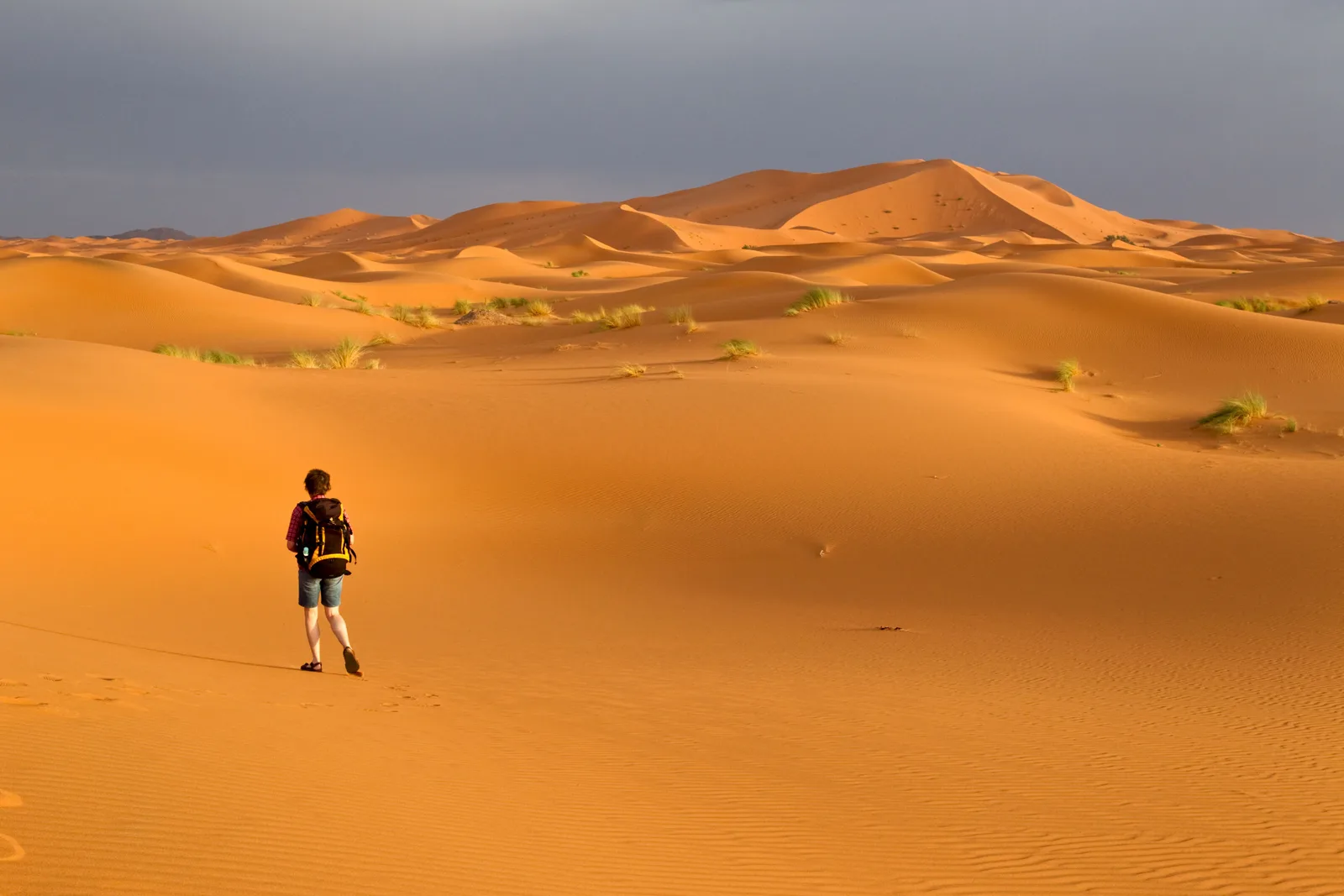
10 Days
10-Day Erg Chigaga Desert Trekking Tour from Marrakech
Explore Morocco on a 10-day Erg Chigaga desert trekking tour from Marrakech via Tagounite, Casa Juan, the Draa Valley and Irocha Guest House in Tisselday.
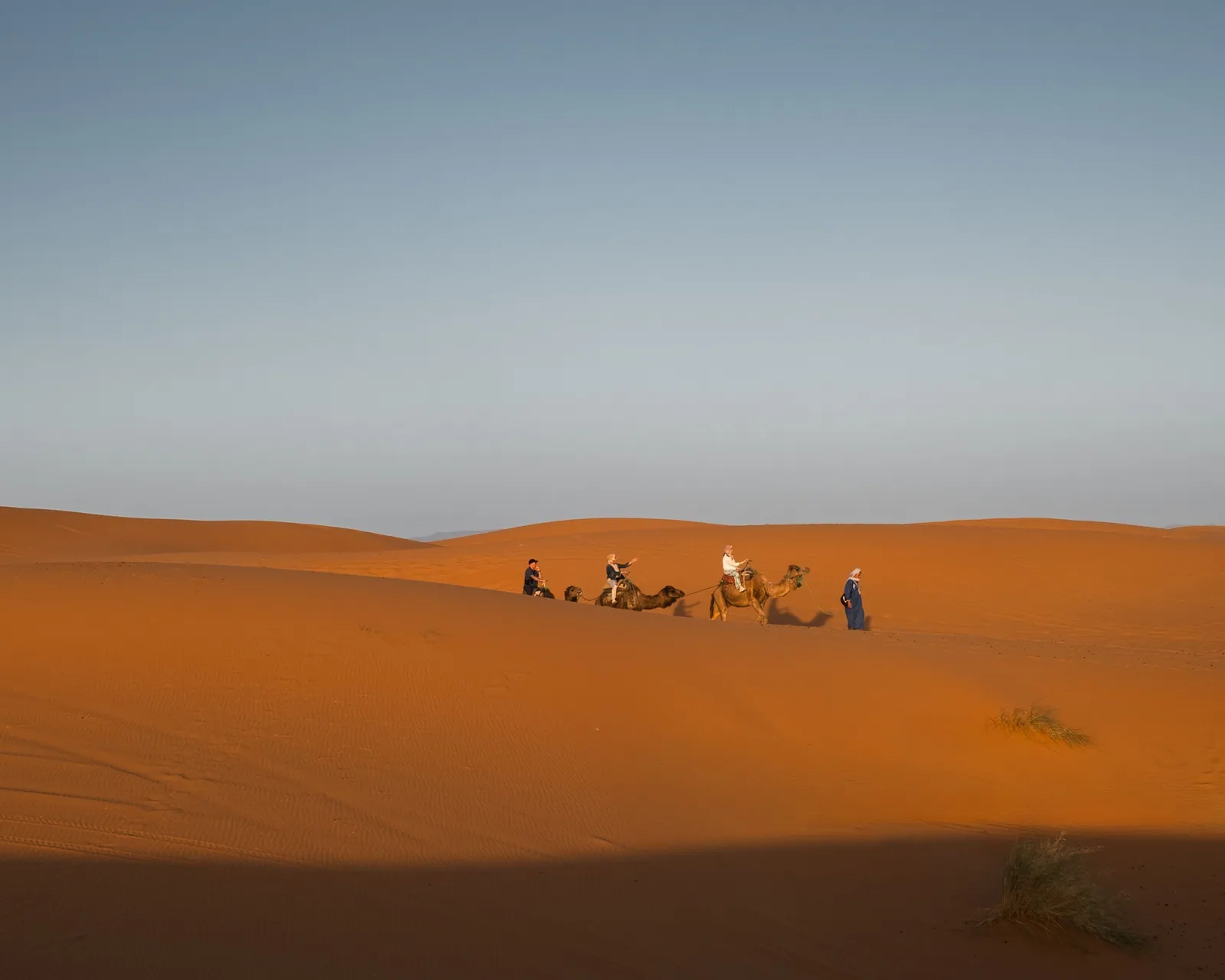
14 Days
14-Day Morocco Itinerary for First-Time Visitors
Two weeks for a first visit: imperial cities, mountains and sand, with enough days between them that nothing is hurried. Fourteen is the length at which Morocco stops feeling like a tour and starts feeling like a trip.
Related Guides
First-Timer Mistakes in Morocco (and How to Avoid Them)
The predictable first-trip mistakes in Morocco, from cramming the map and running out of cash to underestimating heat and barging into a souk negotiation.
Moroccan Arabic Phrases: The Darija Words Visitors Actually Need
The Moroccan Arabic (Darija) phrases that work in real situations — greetings, shopping, tea, taxis and polite refusals — with pronunciation and the cultural rules behind them.
Bargaining in Morocco: How to Haggle in the Souks, With Fair Prices
A practical guide to haggling in Moroccan souks — the rules, the opening-offer maths, fair price ranges for common goods, when not to bargain, and how to walk away without guilt or a fight.
Liked this guide?
Give it a like on Instagram and tag us from your Moroccan adventure.
Plan a trip with fixed prices and licensed guides
Our Marrakech-based team of local experts designs tailor-made Morocco trips around your dates, budget and travel style.
Request a Quote