Most first trips to Morocco go well, and the problems that do come up are surprisingly predictable. They tend to be about distance, cash, timing or a small social misunderstanding rather than anything dramatic. This guide collects the mistakes we see most often and, more usefully, the simple fix for each one, so a first visit starts from a calmer place.
01. Pacing, and the size of the map
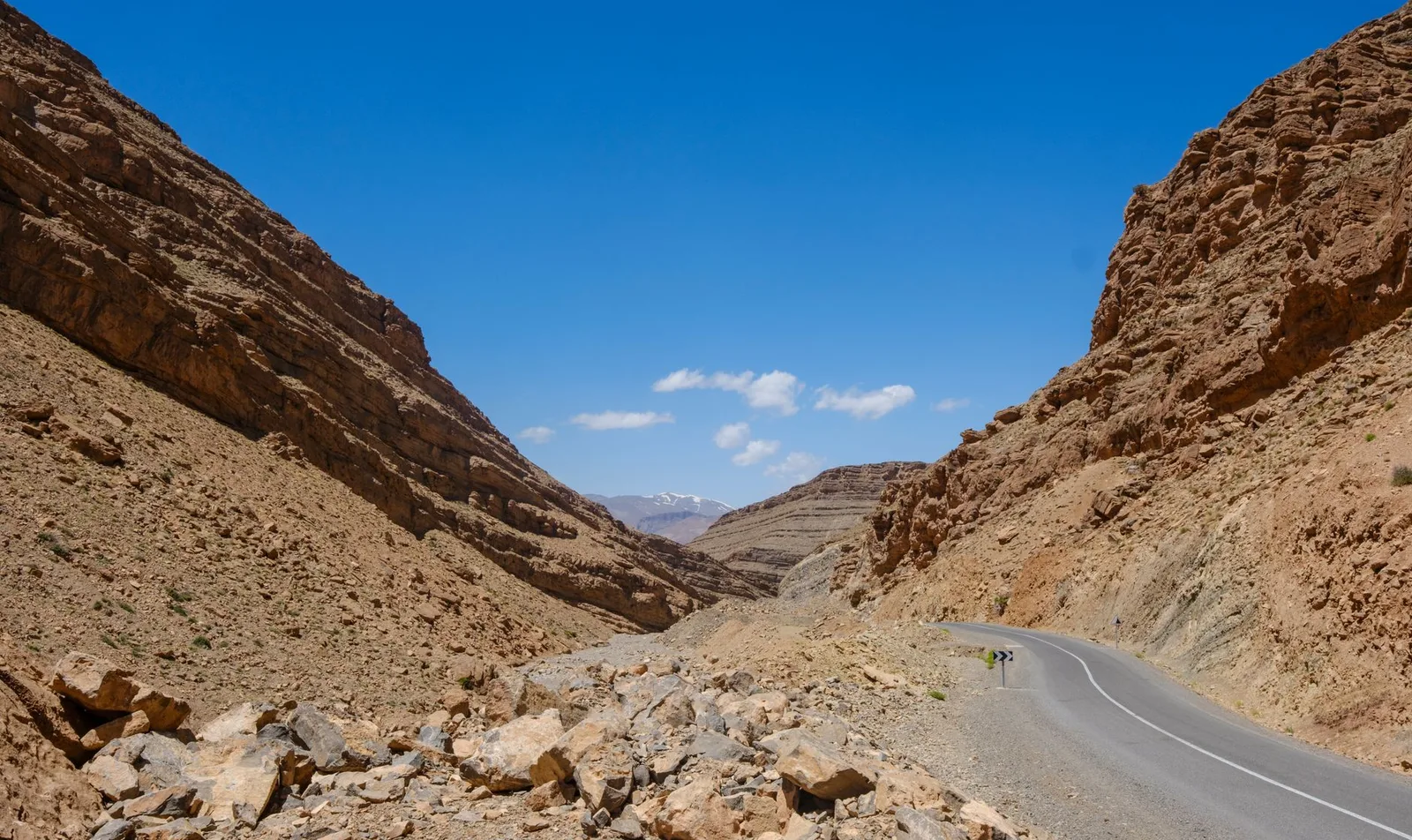
Morocco looks compact on a map and feels much larger on the ground. Marrakech to Fes is roughly 530 km and six to seven hours of driving, or about seven by train, and Marrakech to the Merzouga dunes is close to 560 km and nine to ten hours. A route that adds four cities in a week spends most of its daylight inside a vehicle.
The fix is to choose two or three bases and give each of them real time. One full day in a medina, with an unhurried afternoon, teaches you more than three rushed half-days in three different towns.
Travellers who try to see everything usually describe the trip as exhausting, while those who cut one destination often describe it as relaxed. If a place matters to you, sleep there rather than passing through. Our seven-day itinerary is built around this trade, and the slower pace is the whole point.
02. Money: cash is still the default
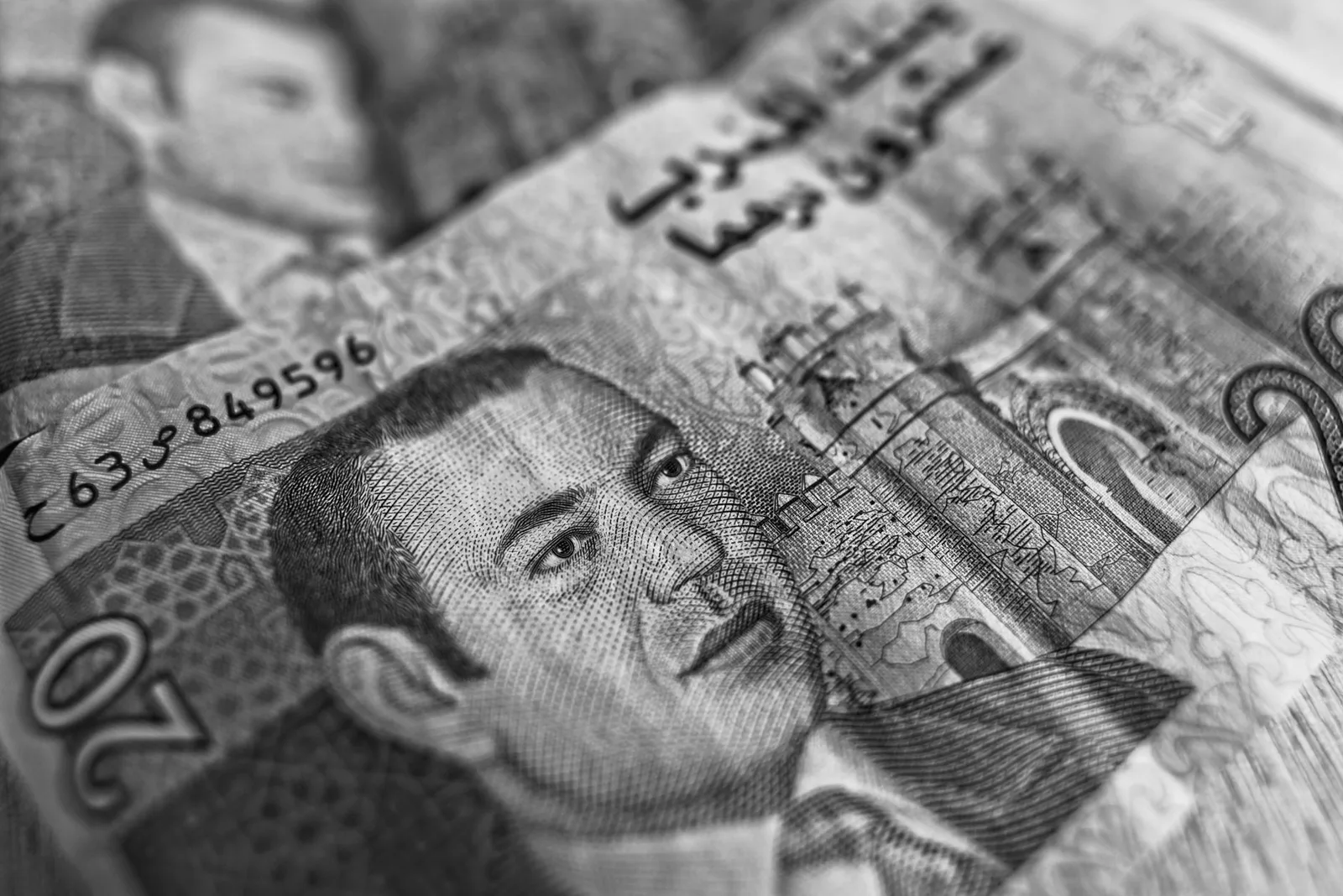
Cards work in riads, hotels, larger city restaurants and supermarkets, but souks, small shops, taxis, rural areas and most desert camps run on cash. Arriving with only a card is the money mistake that causes the most daily friction.
Draw cash from bank machines rather than street ATMs, decline dynamic currency conversion, and take a sensible amount in one go. Withdrawal limits are often about 2,000 dirhams per transaction and most machines now add a fee, so fewer, larger withdrawals cost less. Keep small notes and coins for taxis, tips and market purchases, and spread your money between bag and room.
In the souks a high opening price is normal rather than dishonest. Agree the total before an item is wrapped, and compare across a few stalls. Our money and tipping guide goes into detail if you would rather not negotiate blind.
03. Water, food and the first two days
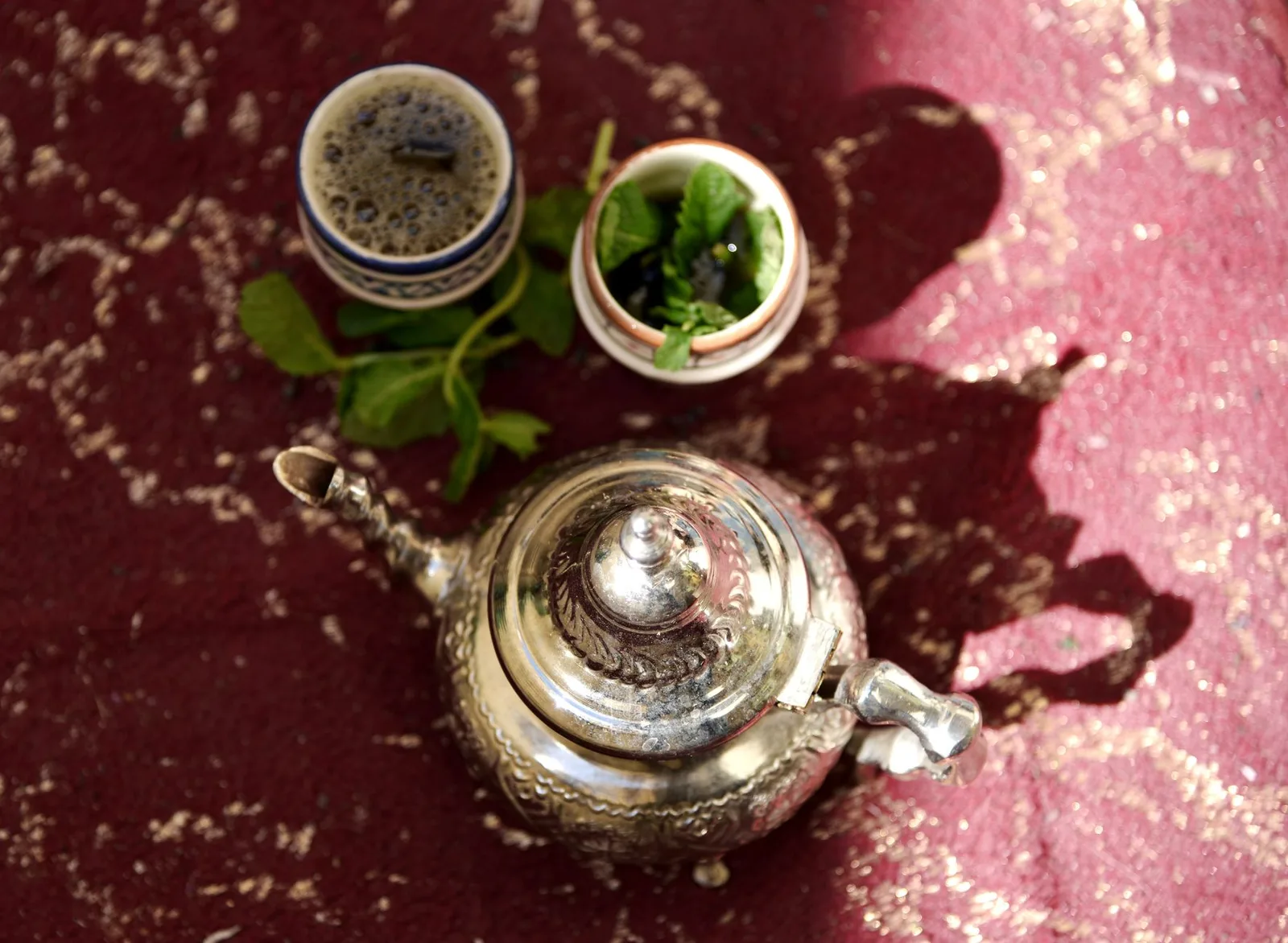
City tap water in Morocco is treated and locals drink it, but it is not the ideal choice for a short visit. The unfamiliar mineral content, not danger, is what most often upsets a visitor’s stomach. Bottled water is cheap and everywhere, mint tea is always boiled and safe, and food served hot and cooked to order is a low-risk bet.
The usual fix is simple: drink bottled or filtered water, be a little careful with ice and unpeeled salads at street level for the first day or two, and do not treat your stomach as fragile forever. Choose busy stalls with a queue of local customers, which turns over food quickly.
A reusable filter bottle earns its suitcase space on a longer trip, and a small pharmacy kit with rehydration sachets covers the unexpected. If you are sensitive, use bottled water for brushing your teeth during the first few days.
04. Heat, altitude and the calendar
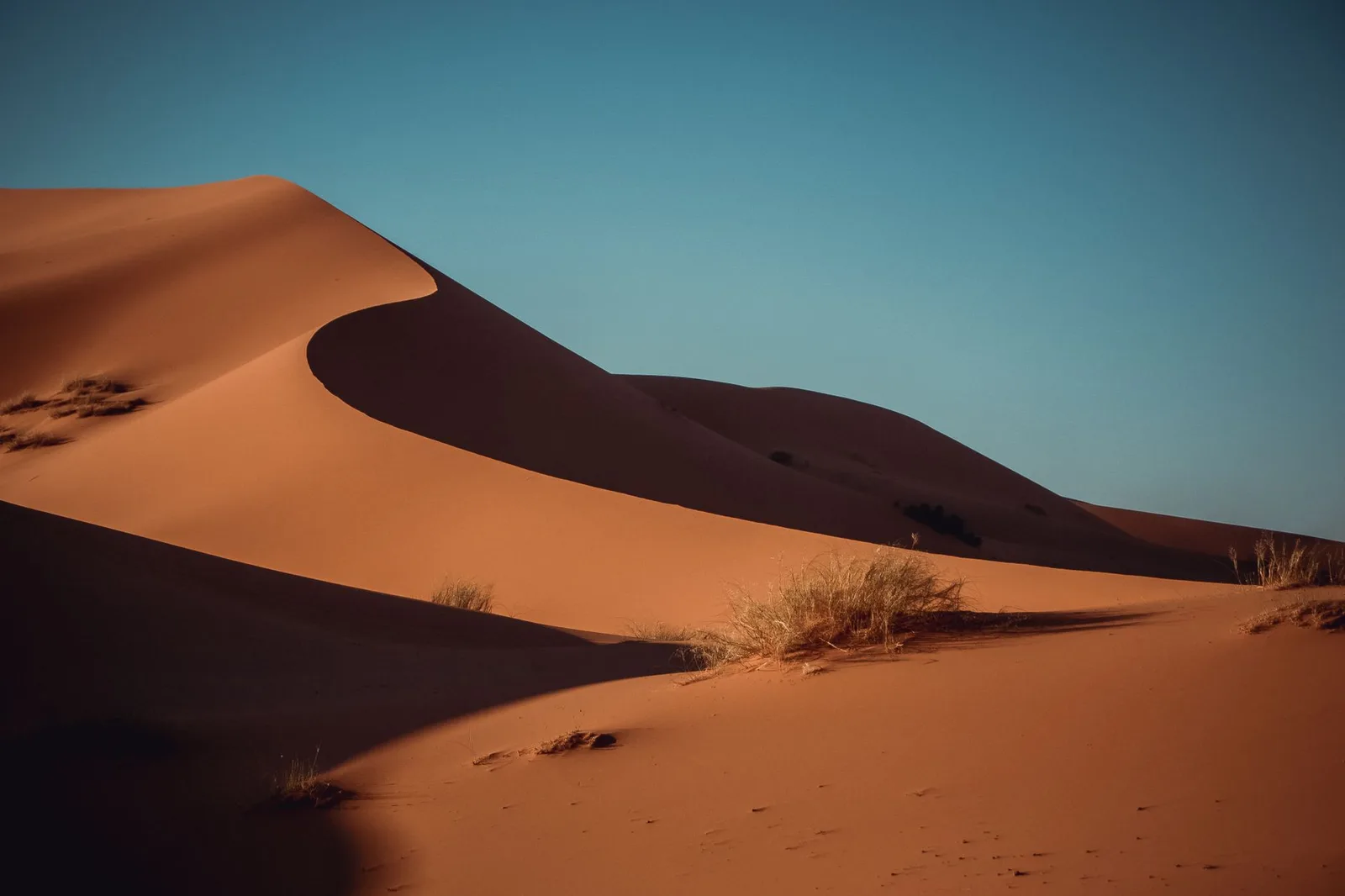
Two timing mistakes cause a lot of discomfort: arriving in the interior in high summer, and arriving in peak season without a booking. Marrakech can pass 40°C in July and August, while the Sahara runs hotter still, though the same months are pleasant on the Atlantic coast. Altitude catches people out too. Imlil sits around 1,740 m and Mount Toubkal reaches 4,167 m, where altitude symptoms can begin above 2,500 m and call for a slow, two-day approach.
Build hot days around early mornings and late afternoons, keep water with you, and treat mountain days as physical days rather than sightseeing. If you are heading for Toubkal, take the acclimatisation seriously instead of squeezing it into a tight schedule.
Spring, especially around Easter, and the Christmas and New Year weeks are the busiest. Riads, desert camps and good guides fill weeks or months ahead and prices rise sharply, so book early if your dates are fixed to a holiday. Ramadan shifts the daily rhythm as well: in 2026 it runs from around 19 February to 19 March, and opening hours, restaurant service and driving can all change.
05. Etiquette, dress and photographs
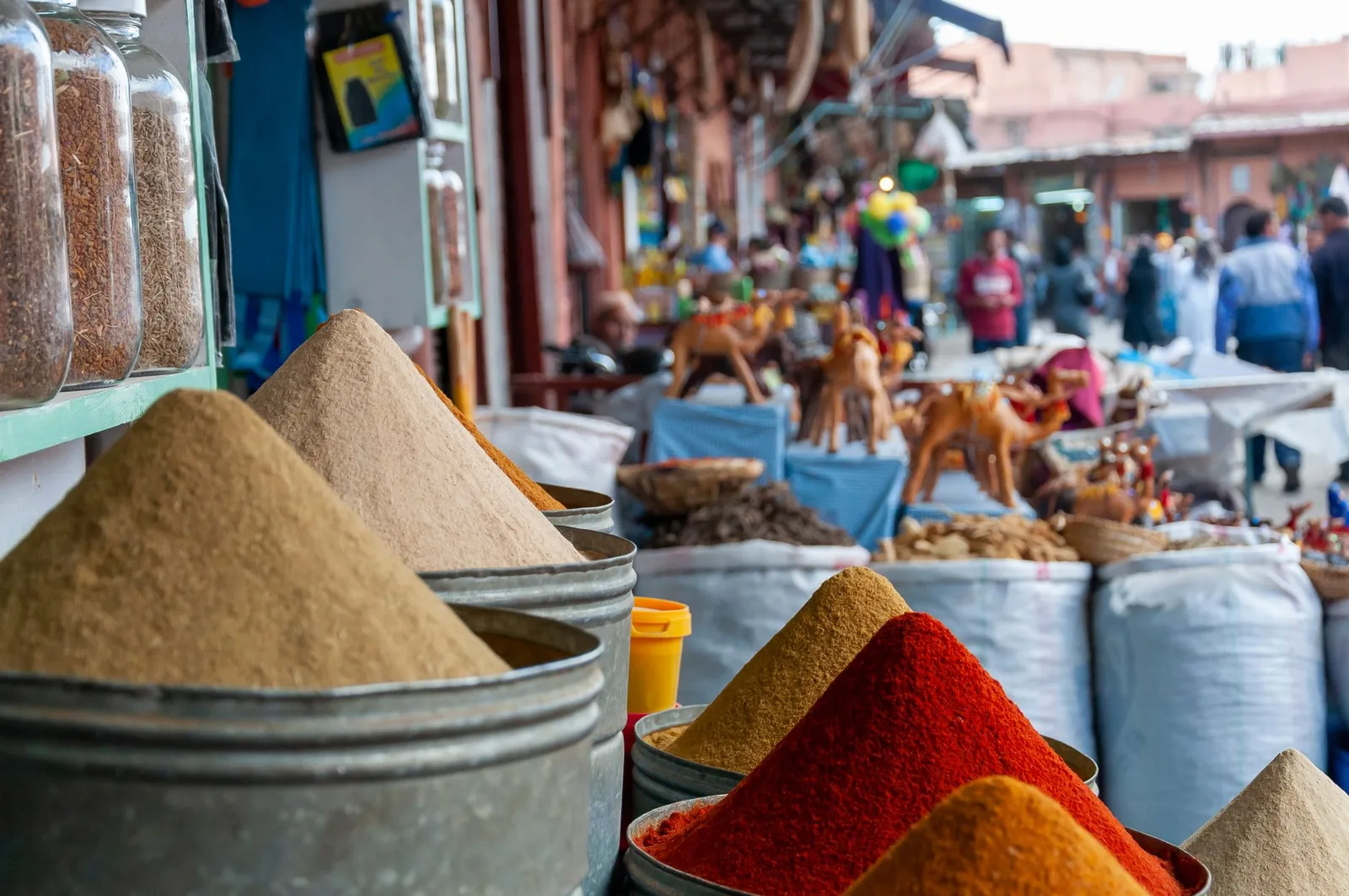
There is no formal dress code for visitors, and Moroccans wear everything from jeans to djellabas. The workable rule is coverage and comfort rather than a costume: shoulders and knees covered in medinas, villages and religious sites, loose rather than tight, and swimwear kept for the pool or beach.
Alcohol is a common surprise in both directions. It is legal and served in licensed hotels, bars and restaurants, but it is not sold openly in the medina, and drinking in the street is against the law. Some visitors assume it is everywhere, others assume it is nowhere; neither is quite right, and a discreet approach at a licensed venue is the easy answer.
Photography deserves the same thought. Ask before photographing people, and always before photographing children, which is both polite and, around sensitive sites, a legal matter. A quiet gesture and a smile after a yes go a long way.
06. Touts, prices and keeping your calm
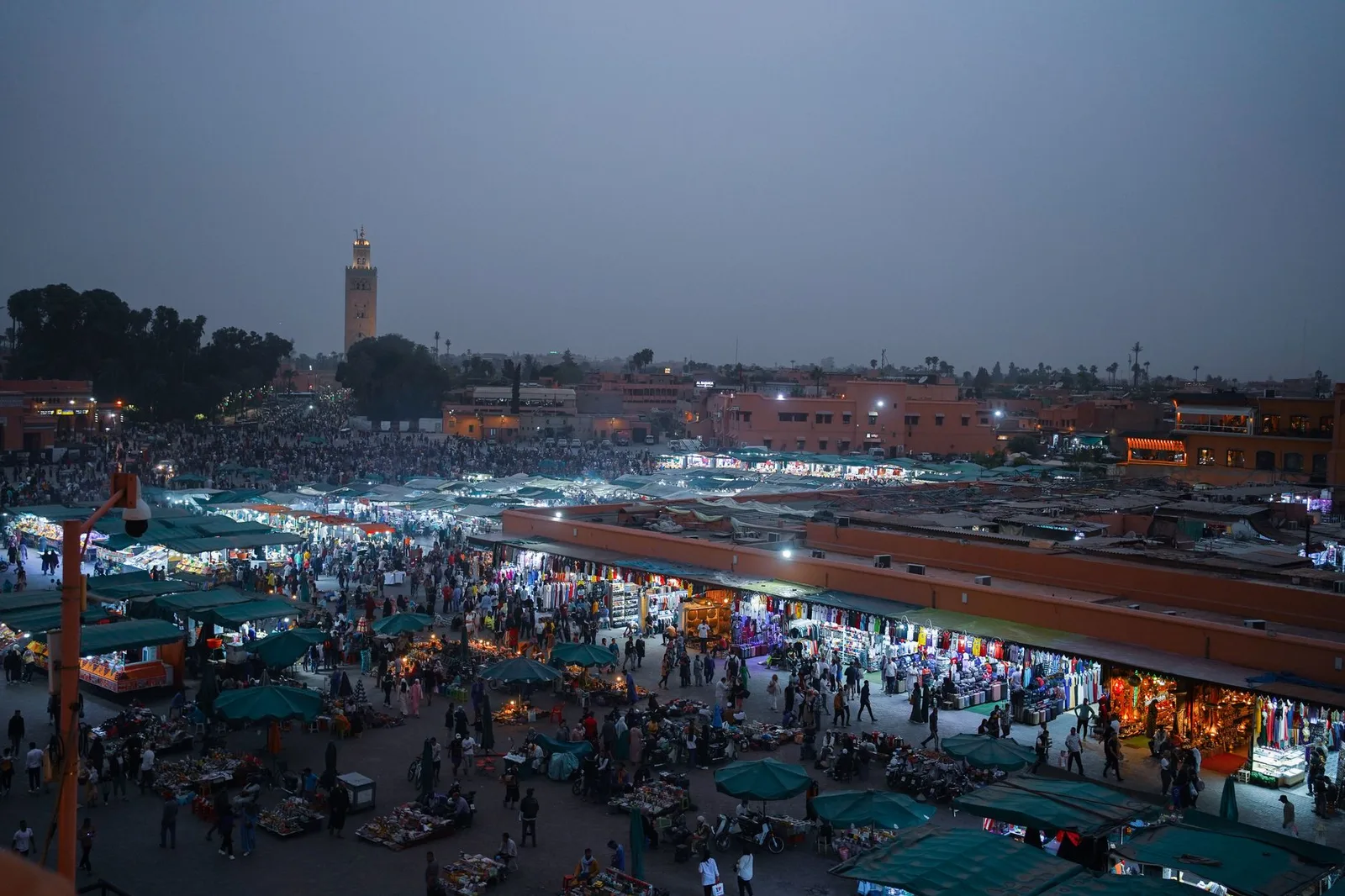
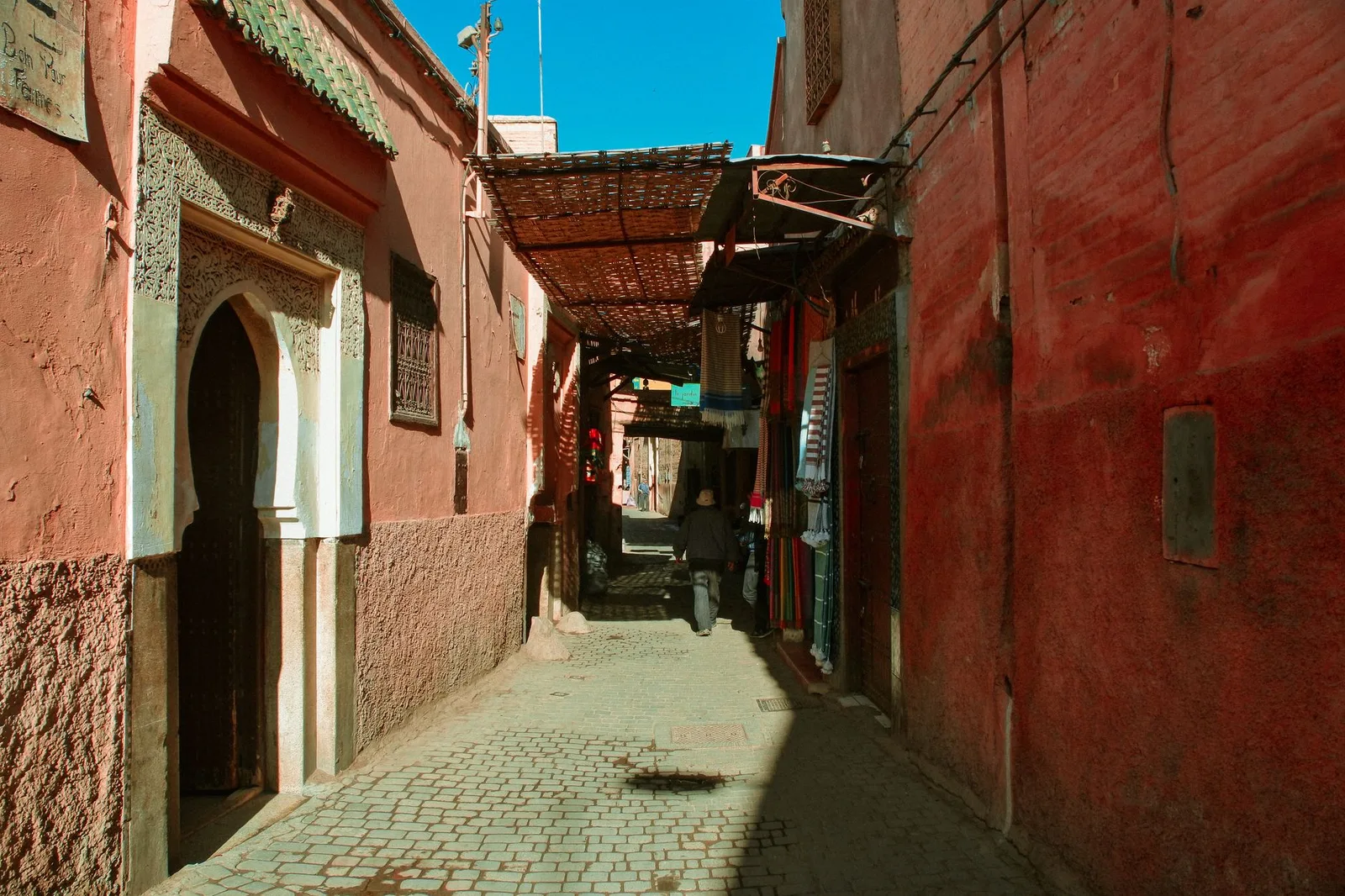
Being approached in a medina is normal, and much of it is friendly salesmanship. The trouble usually starts with the self-appointed guide who says your destination is closed and knows somewhere better, the taxi whose meter has stopped working, or the henna artist who begins before a price is agreed. These are the same handful of routines in every tourist centre, and they are avoidable once you know their shape.
The reliable habits are short: agree taxi fares or confirm the meter before you get in, use accredited guides booked through your riad or a reputable operator, and keep walking while you give a brief, polite no. Decide your answer to the two or three approaches you will hear most often before you arrive, so you are not improvising the tenth time.
None of this is a reason to be wary of people in general, because the great majority of encounters are genuine. If you want the detail, our separate guide to common scams breaks down every routine and how to sidestep it without becoming suspicious of everyone.
07. How we help you avoid the avoidable
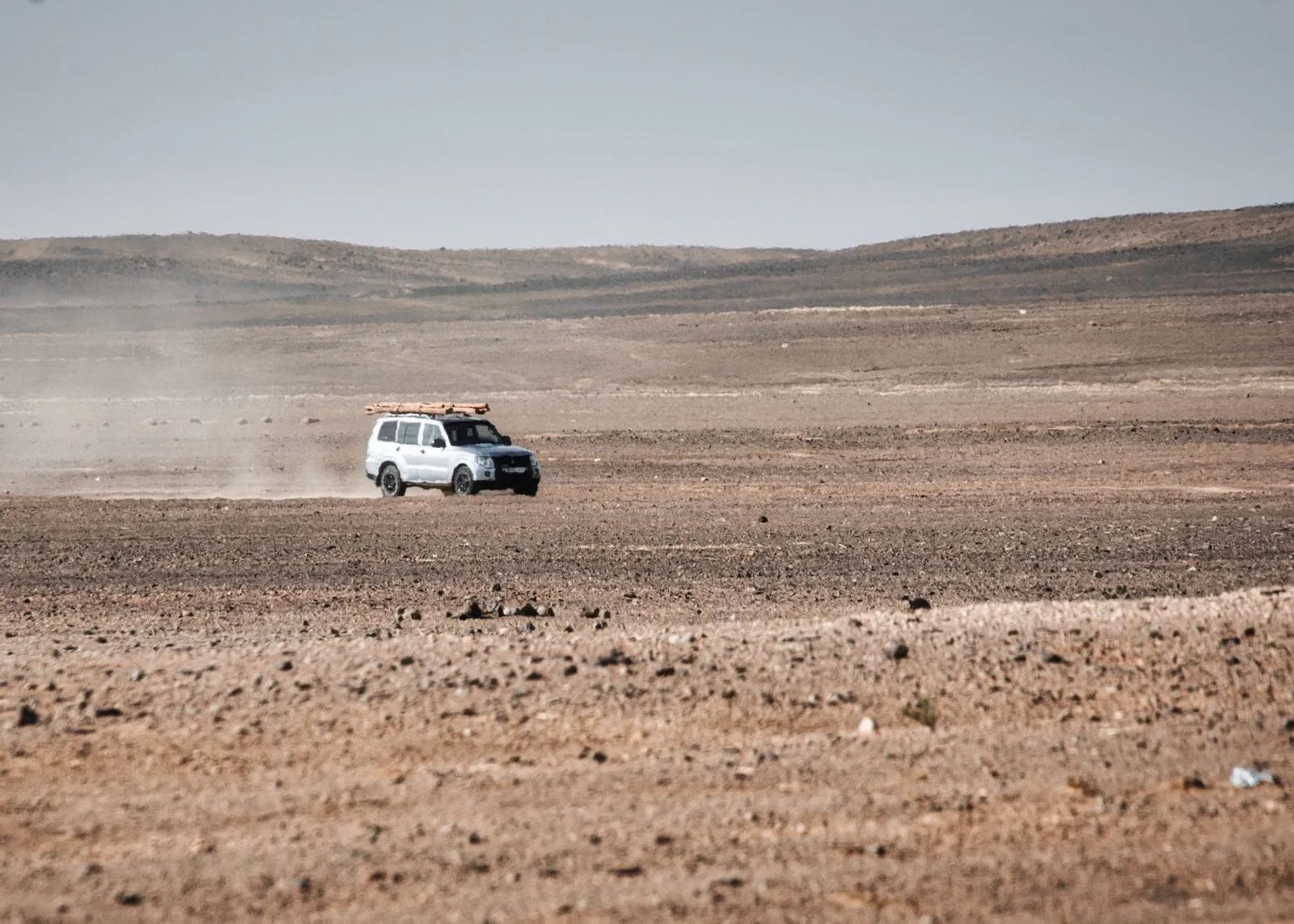
Our role is to remove the friction behind most of these mistakes before they happen. We are a licensed local operator based in Marrakech, and we plan private itineraries with our own network of drivers and accredited guides, from an airport transfer to a multi-day imperial cities and Sahara circuit where distances, cash stops and driving days are already worked out.
That means realistic pacing rather than an over-packed map, transfers at a fixed price so no fare is negotiated on arrival, and a driver who handles the long desert stretches so nobody in your group is tired behind the wheel. Because we are on the ground in Marrakech, a plan that needs to change can be changed locally.
Pair that with our safety, scams and what-to-pack guides, and a first trip to Morocco becomes a rather straightforward thing. Tell us your dates and what you actually want to see, and we will tell you honestly how many places will fit.
Frequently Asked Questions
How many cities should I visit in a week in Morocco?
Two or three, with at least a full day in each. Marrakech to Fes alone is a six-to-seven-hour drive, so a week that adds four cities leaves very little time out of the vehicle.
How much cash should I carry in Morocco?
Enough for one or two days plus an emergency reserve. Cards work at hotels and larger restaurants, but souks, taxis and rural areas are cash-only, and ATM withdrawals are commonly capped around 2,000 dirhams per transaction.
Is tap water safe to drink in Morocco?
In the cities it is treated and locals drink it, but most visitors do better on bottled or filtered water because the mineral content is unfamiliar. Mint tea is boiled and always safe.
When is the busiest time to visit Morocco?
Spring, especially around Easter, and the Christmas and New Year weeks. Riads, desert camps and good guides book out weeks or months in advance and prices rise sharply, so reserve early if your dates are fixed.
Do I need to dress modestly in Morocco?
There is no strict dress code, but covering shoulders and knees is more comfortable in medinas, villages and religious sites. Loose clothing and a light scarf cover most situations.
Is it safe to walk around the medinas on a first trip?
Yes. The medinas are busy rather than dangerous, and the main annoyance is persistent salesmanship. Agree taxi fares in advance, use accredited guides, and read our scams guide for the specific routines to expect.
More Morocco tours
Wild & Remote
Erg Chigaga
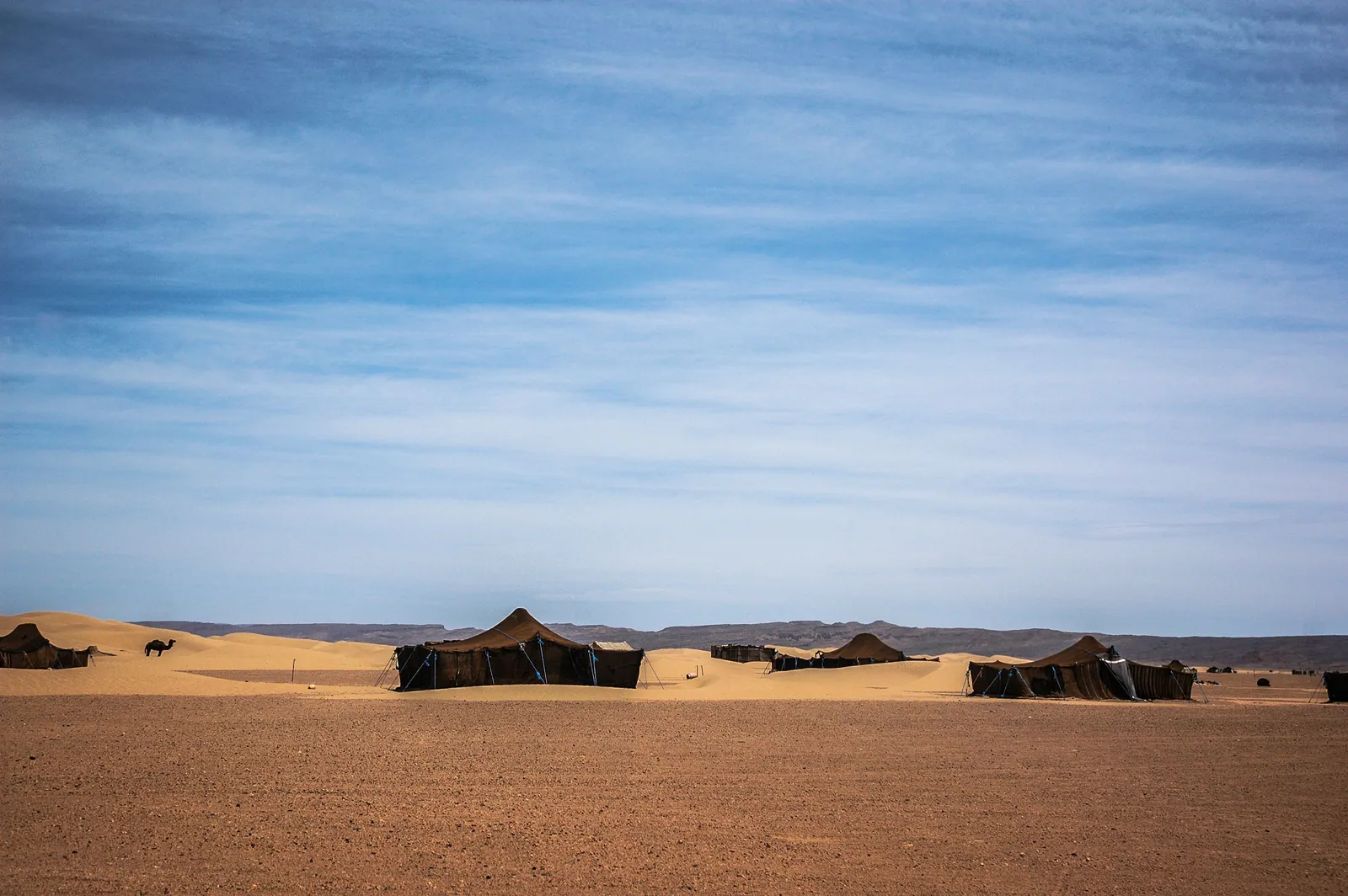
Chigaga is the one you take for distance rather than scenery. The dunes run wide, the camps sit far apart and the track in is quiet. It needs a proper day of driving, so it belongs inside a longer route.
8 Days
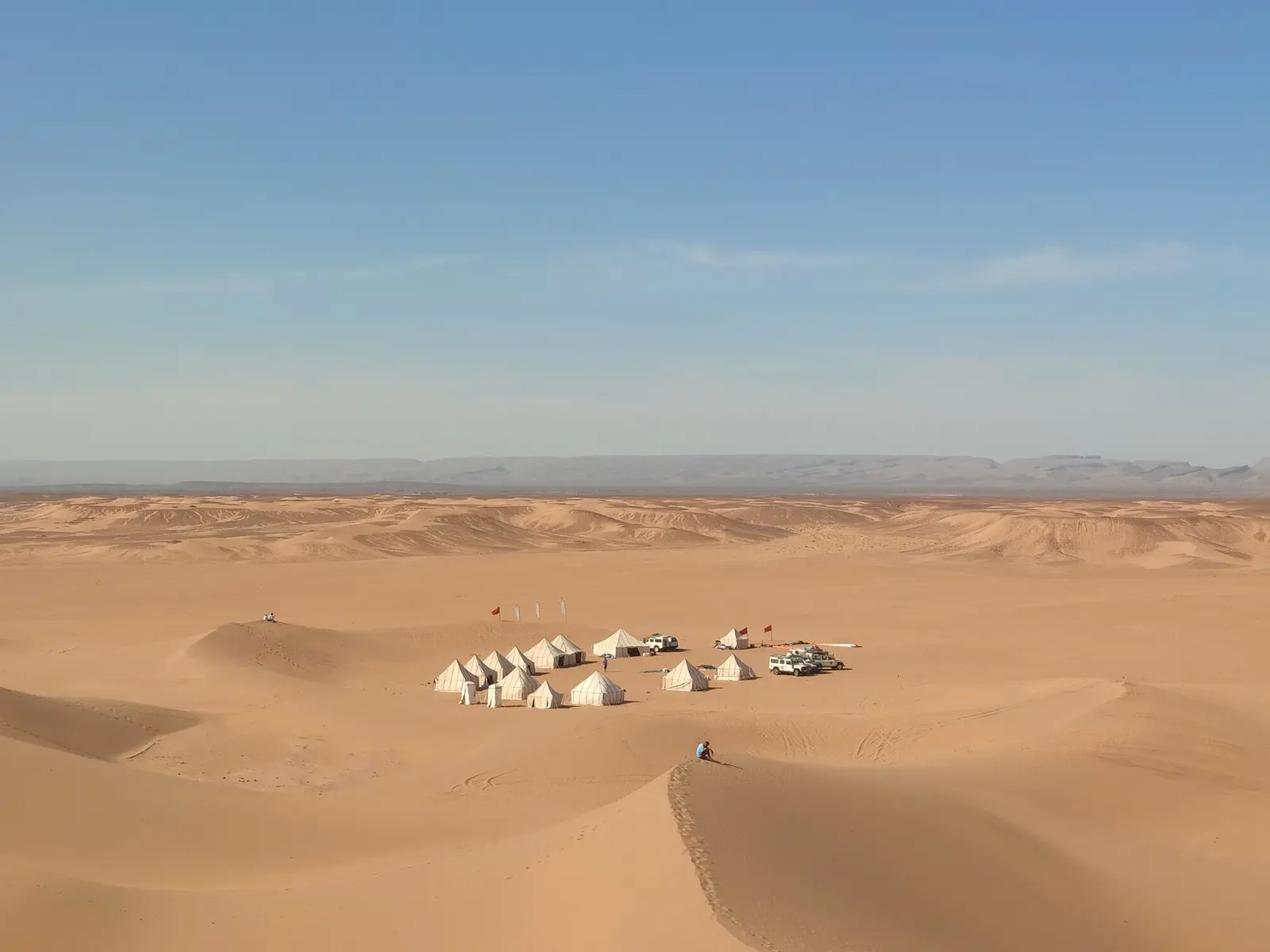
8-Day Yoga & Desert Journey in Erg Chigaga
Eight days from Marrakech to a fixed nomadic camp in the dunes of Erg Chigaga: gentle treks with a support 4x4, daily yoga in the open, and five nights at the rhythm of the Sahara without moving camp.
10 Days
10-Day Private Morocco Itinerary
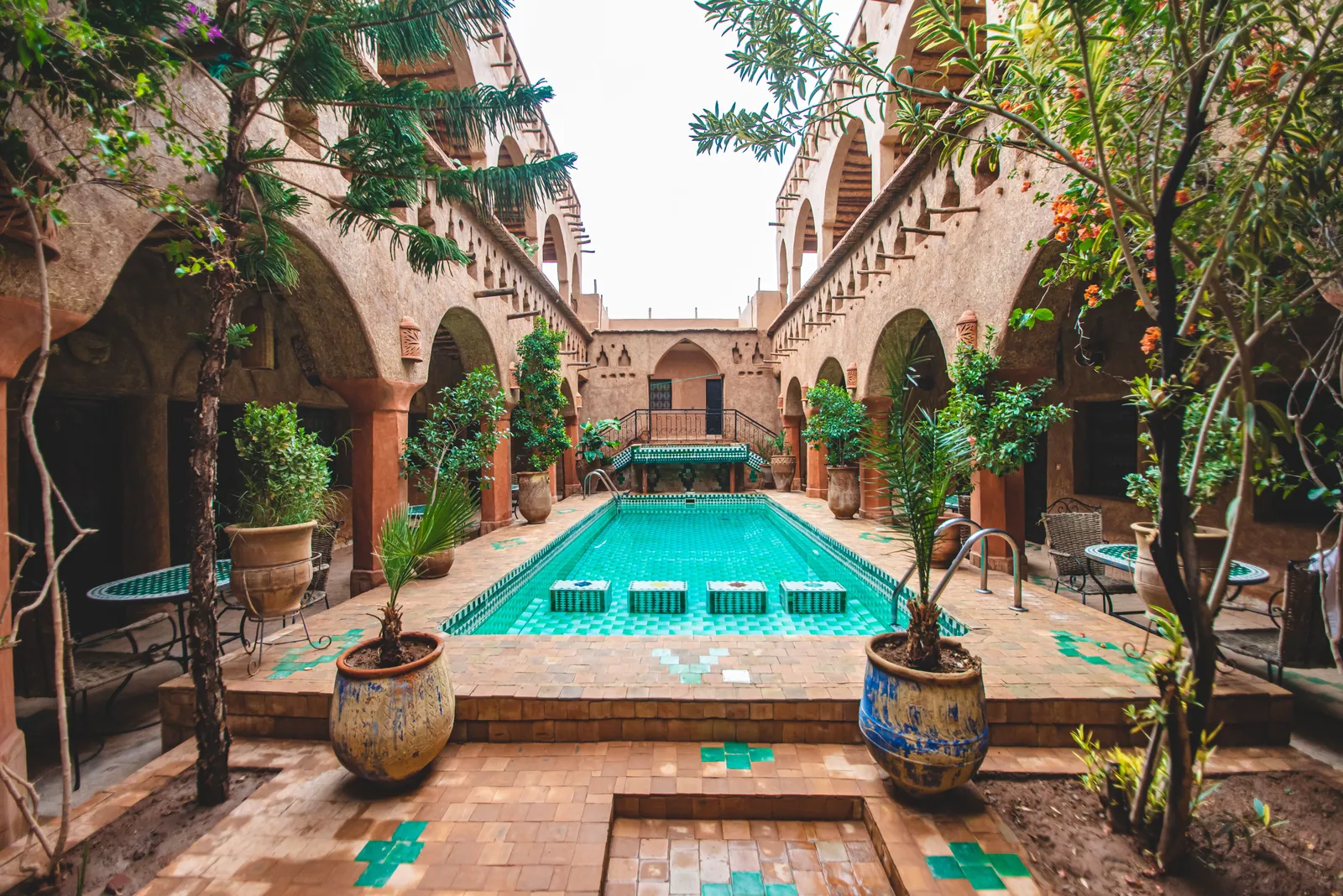
Ten days, private, paced from the riad rather than a coach timetable. For travellers who already know which parts of Morocco matter to them and would rather see those properly than see more of them badly.
Related Guides
Common Morocco Scams and How to Avoid Them
Learn about the most common scams in Morocco — taxis, fake guides, pickpockets, henna artists and souk pricing — and how to avoid them without missing out.
The Moroccan Hammam: Public Baths, Private Spas and What to Expect
A practical first-timer's guide to the Moroccan hammam — how public bathhouses work, what the scrub involves, what to bring, prices, etiquette and how a tourist hammam differs from a neighborhood one.
Moroccan Arabic Phrases: The Darija Words Visitors Actually Need
The Moroccan Arabic (Darija) phrases that work in real situations — greetings, shopping, tea, taxis and polite refusals — with pronunciation and the cultural rules behind them.
Liked this guide?
Give it a like on Instagram and tag us from your Moroccan adventure.
Plan a first Morocco trip paced around what actually fits
Our Marrakech-based team of local experts designs tailor-made Morocco trips around your dates, budget and travel style.
Request a Quote