Fly into Casablanca and out of Casablanca, and discover the Morocco the desert does not show you: Atlantic breezes, cedar forests, waterfalls, the blue streets of Chefchaouen and the living medina of Fes. No dunes required — here is the 9-day route designed for travelers from the Gulf.
Route at a glance
Day 1
Arrival in Casablanca
Land at Mohammed V airport, meet your private driver and settle into a hotel on the Corniche. The ocean front makes a calm first evening.
Day 2
Casablanca and on to Rabat
Morning at the Hassan II Mosque, built over the Atlantic, plus the Habous quarter. By mid-afternoon, a short drive brings you to the capital, Rabat.
Day 3
Rabat, the capital by the sea
Walk the Kasbah of the Udayas, Hassan Tower and the Chellah gardens. In the late afternoon you head north toward the Rif Mountains.
Day 4
Chefchaouen, the Blue Pearl
Lose yourself between blue walls, visit the kasbah square and end the day watching the sunset from the Spanish Mosque.
Day 5
Chefchaouen to Fes
A quiet morning in the blue medina before the drive south through the hills to imperial Fes.
Day 6
A full day in Fes
The tanneries, grand madrasas and craft quarters of the world's largest car-free medina — an unforgettable full day.
Day 7
The green Middle Atlas
Cedar forests, the alpine town of Ifrane and wild Barbary macaques. Cool air, green hills and a break from the cities.
Day 8
Ouzoud waterfalls, then Marrakech
Waterfalls dropping through olive groves, then an evening arrival in the Red City, Marrakech.
Day 9
Marrakech and the way home
A final morning of gardens, palaces and souks before the easy drive back to Casablanca for your flight.
01. Why Gulf travelers should see Morocco's green side
You already know the desert — the Gulf holds some of the most beautiful dunes and camps on Earth. Morocco's real surprise for Gulf guests is the opposite of home: cold Atlantic water, cedar forests where monkeys roam, alpine villages, waterfalls and a landscape that turns green in winter.
This 9-day round trip flies into Casablanca and out of Casablanca, stays on smooth roads and spends every night in hotels that welcome families and Gulf travelers. No long desert transfers, no heat to fear — only contrast.
02. Casablanca: a gateway by the sea
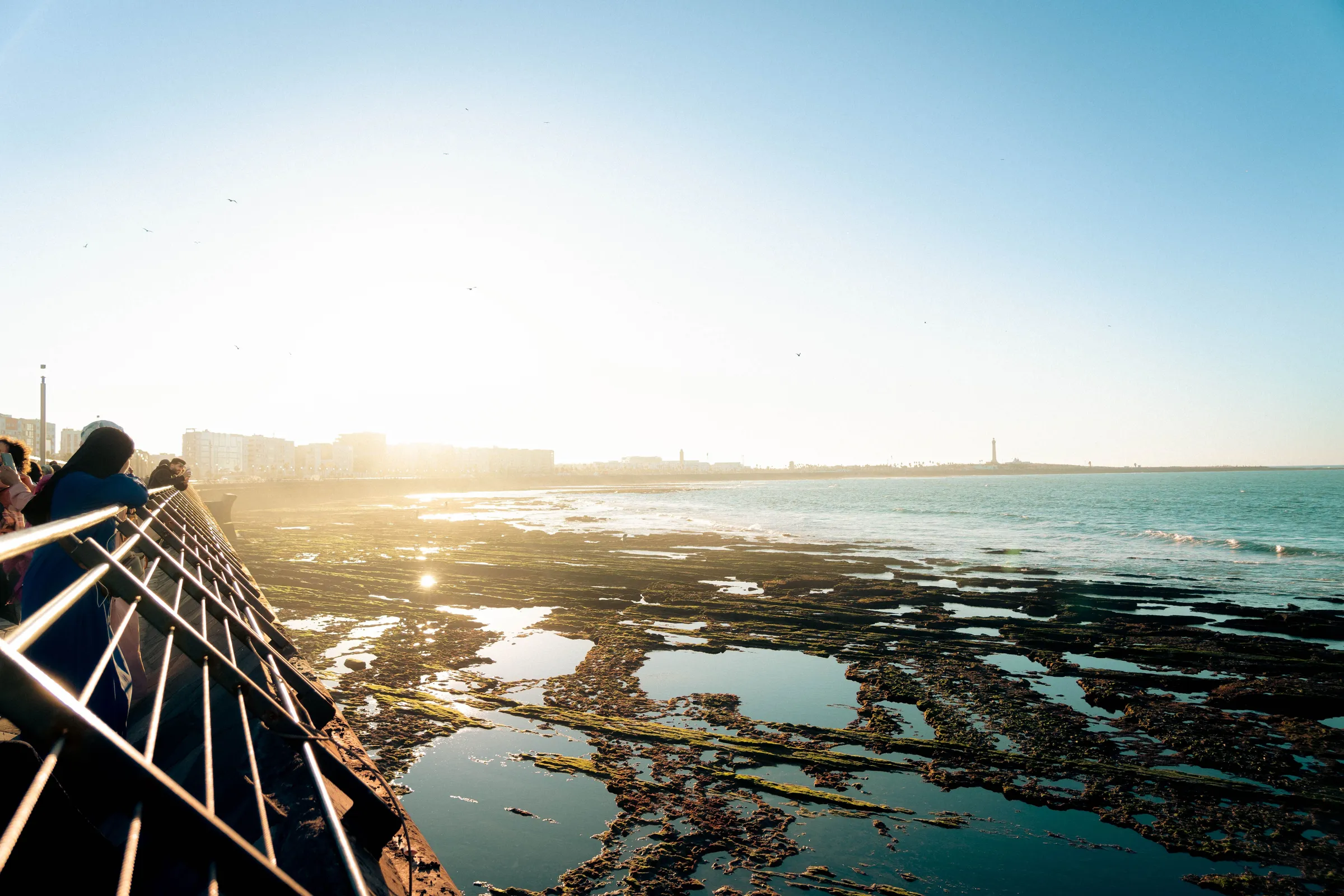
The Corniche, Casablanca's relaxed seaside promenade
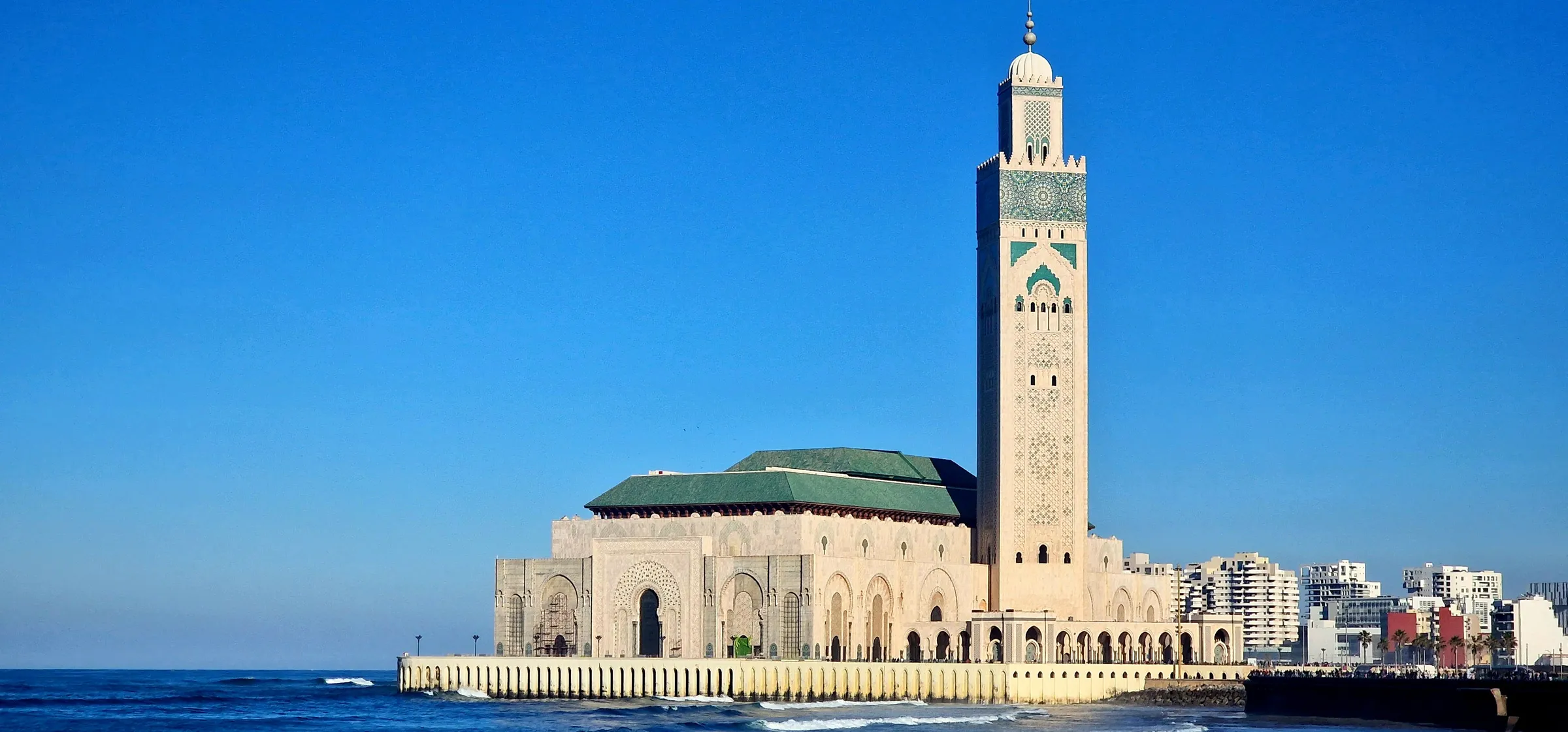
The Hassan II Mosque is the only great mosque built partly over the ocean, and its minaret is the tallest in the world. Visit in the morning, when the light crosses the Atlantic and the marble and cedar details almost glow.
The Corniche is Casablanca's easygoing seaside, and the Habous quarter offers a sheltered, elegant taste of Moroccan architecture before the medinas to come.
03. Rabat: the capital by the ocean
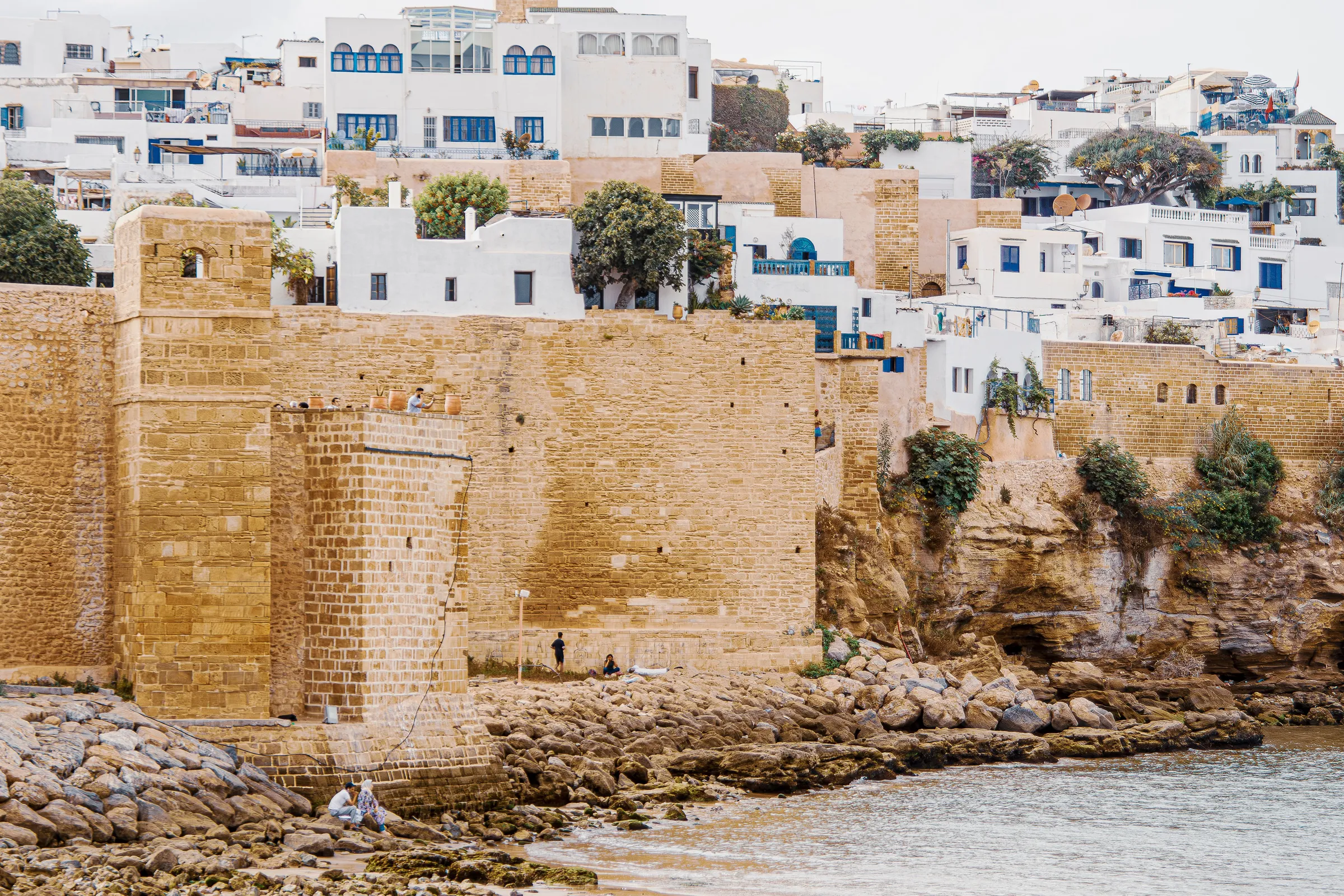
Blue-and-white streets inside the Kasbah of the Udayas
Rabat is where the sea meets history. The Kasbah of the Udayas hides blue-and-white streets above the river, and Hassan Tower stands proud beside its unfinished 12th-century mosque.
The Chellah gardens sit among Roman ruins and nesting storks. Rabat is calmer and greener than the tourist cities — an easy first stop for travelers resting after a long flight.
04. Chefchaouen: the Blue Pearl of the Rif
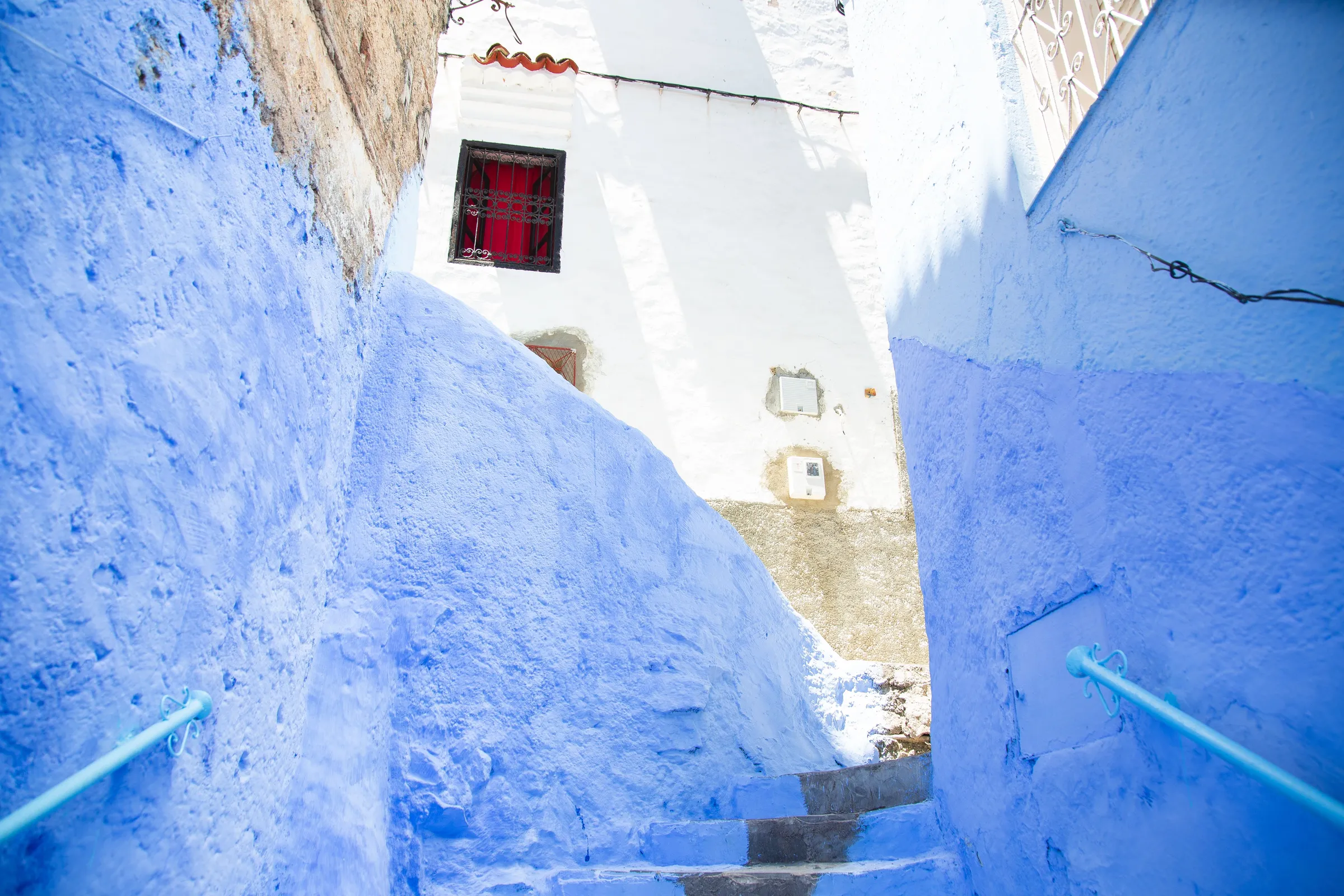
The famous blue streets of Chefchaouen
Whole streets are painted blue, and the mountain light keeps shifting their color from morning to dusk. Chefchaouen is small, quiet and deeply photogenic — walk the kasbah square, buy a woven blanket and climb to the Spanish Mosque for sunset.
Evenings here are gentle, with the Rif Mountains cooling the air — a favorite part of every route we build for Gulf families.
05. Fes: a day inside living history
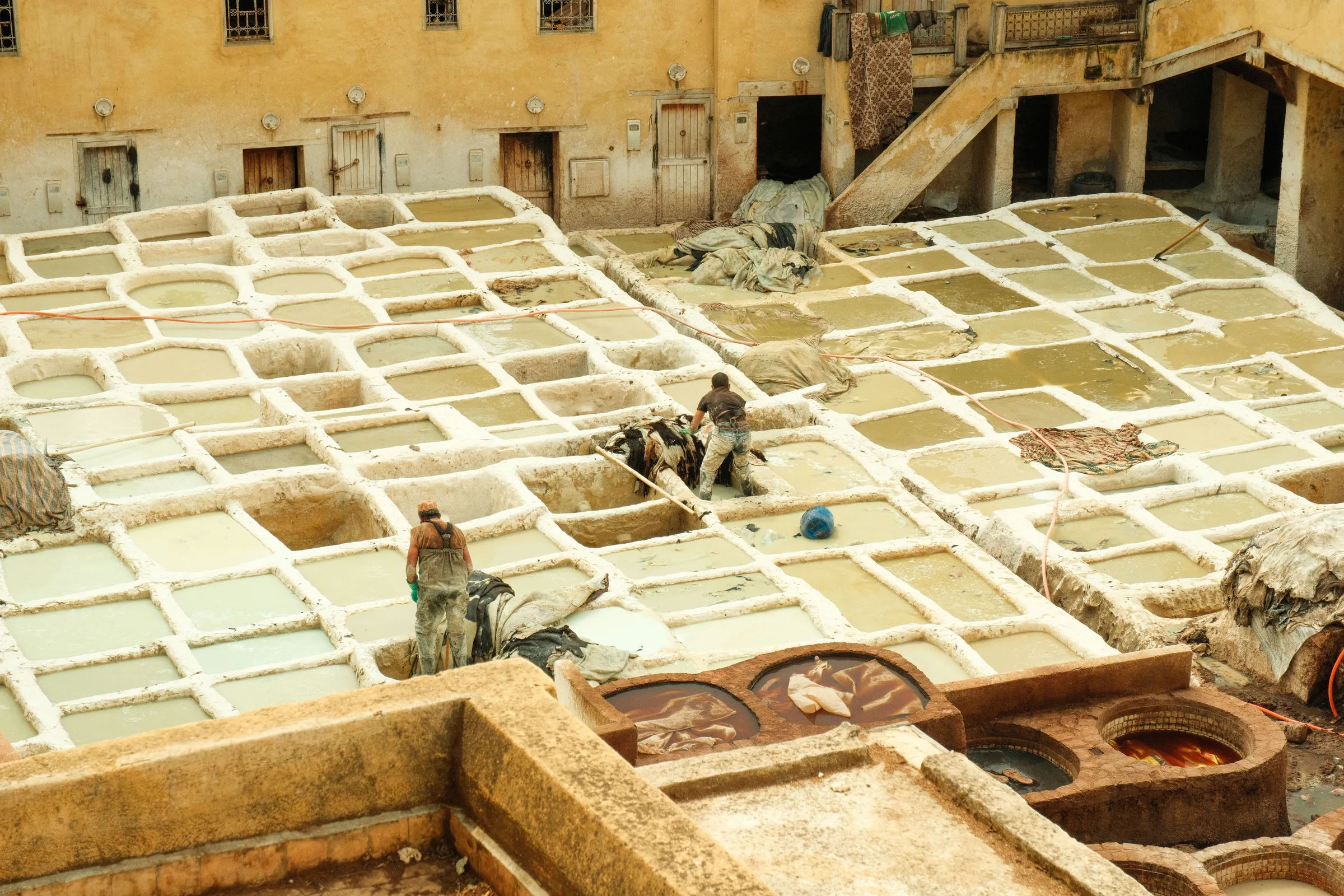
The Chouara tanneries, where leather has been cured for centuries
Fes is the largest car-free urban area in the world: more than 9,000 alleys, tanneries that have worked for a thousand years and the oldest university still running. A licensed guide turns the maze into a story.
Buy where it is made — copper, leather, ceramics and the famous Fassi blue pottery — and watch the city's craftsmen at work as you go.
06. The green Middle Atlas
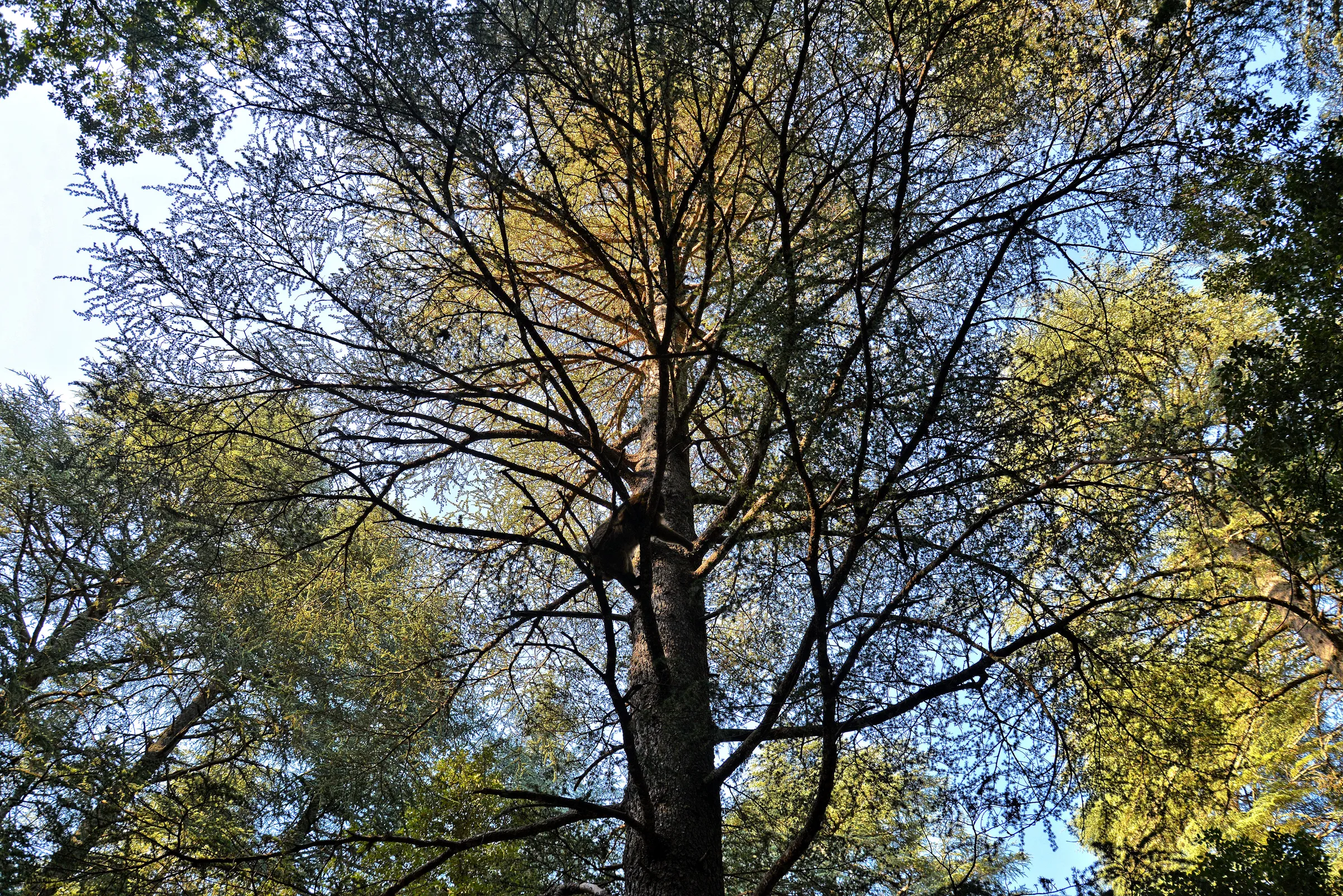
Cedar forests north of Azrou in the Middle Atlas
Between Fes and the south lies a Morocco that surprises Gulf visitors: cedar forests, lakes and the alpine town of Ifrane, where winter brings snow.
In the forests of Azrou, wild Barbary macaques — the only wild monkeys of Europe and North Africa — often approach visitors. It is a fresh, cool, family-friendly stop on the road.
07. Ouzoud waterfalls
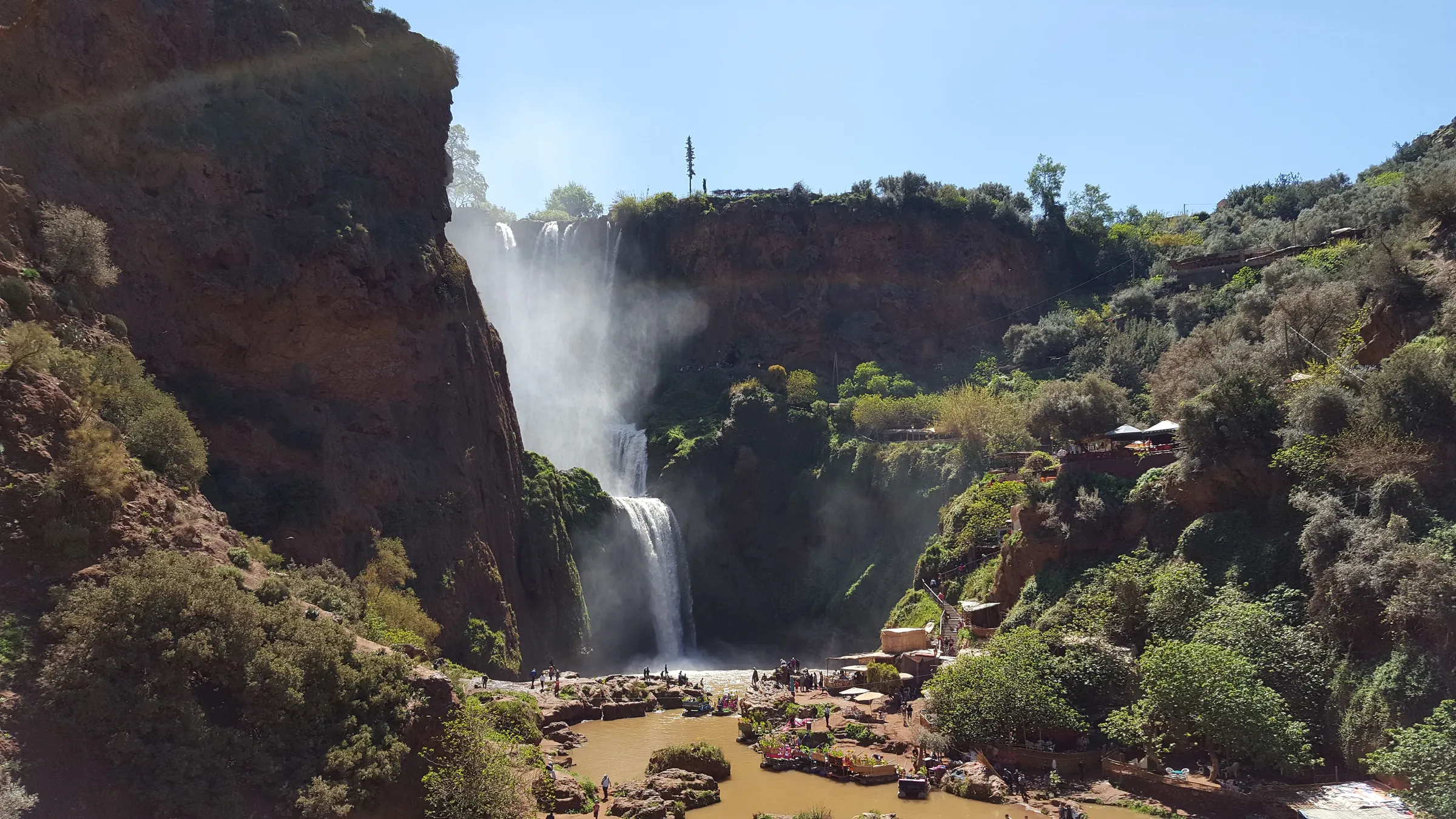
The Ouzoud falls, a natural swimming pool in the countryside
The Ouzoud falls drop more than 100 meters through olive groves and red rock. Walk the paths, take a small boat across the pool if you like, and watch the resident monkeys tease the visitors.
It is a natural swimming pool in the middle of the countryside — the perfect pause before the Red City.
08. Marrakech: the Red City
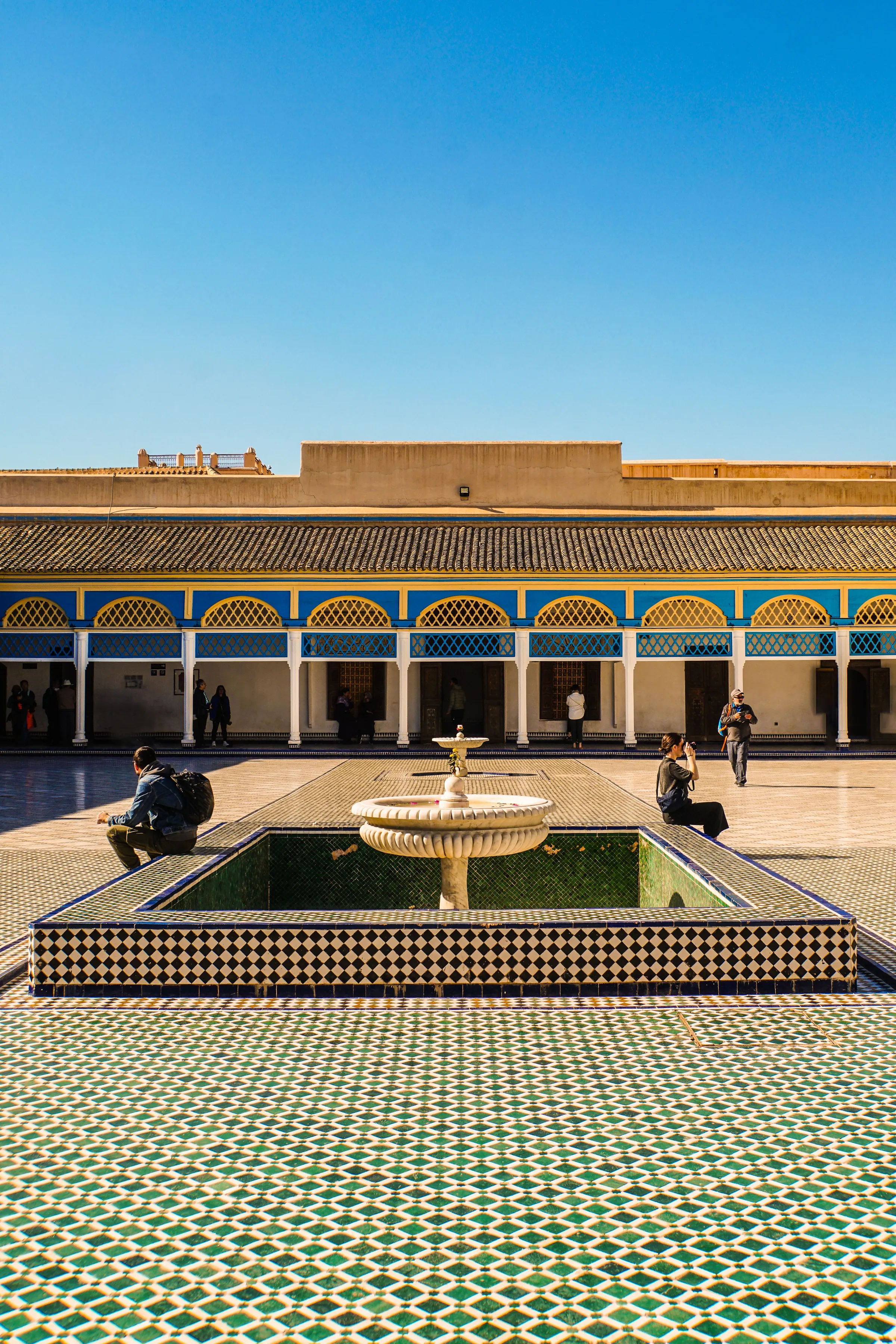
Courtyards of the Bahia Palace, Marrakech
Red walls, gardens of palm and bougainvillea, and a city where an imperial story is told theatrically. Start at the Majorelle Garden and the Bahia Palace, then let the evening draw you toward the square of Jamaa El Fnaa.
This is where the round trip closes its circle: a morning in Marrakech, then an easy drive back to Casablanca for your flight home.
09. Practical notes for Gulf travelers
Direct flights connect Dubai, Doha and Riyadh to Casablanca, and GCC citizens travel to Morocco visa-free for stays up to 90 days — always reconfirm with your airline before booking.
Food is halal across the country, hammams and spa culture are part of daily life, and with a private driver everything from prayer stops to family breaks is arranged around you. In summer the coast and the Atlas are significantly cooler than the Gulf; in winter pack a light jacket for cool nights.
Frequently Asked Questions
Why skip the Sahara on this trip?
Because Gulf travelers already know spectacular deserts. This route shows the Morocco they have never seen: ocean, forests, waterfalls, the blue city and the imperial medinas. The Sahara can always be added to a future adventure.
Are there direct flights from Dubai, Doha or Riyadh to Casablanca?
Yes. Royal Air Maroc and Gulf carriers connect the region to Casablanca. Many flights arrive in the evening, which is exactly why this itinerary starts with a relaxed night by the Corniche.
Is Morocco too hot for Gulf travelers?
Quite the opposite. Morocco is milder than the Gulf in summer, especially on the coast, and the Middle Atlas is genuinely cool. Winter nights in the mountains can be cold, so pack a light jacket.
Is the food halal?
Practically everywhere. Morocco is a Muslim country, so halal food, prayer facilities and family dining are easy to arrange throughout the route.
Is this trip family-friendly?
Yes. Comfortable drive times, kid-friendly sights (monkeys, waterfalls, the medinas) and a private driver make it an easy family itinerary with flexible stops.
Do GCC citizens need a visa for Morocco?
Gulf Cooperation Council citizens enjoy visa-free entry to Morocco for stays of up to 90 days, subject to current rules. Always reconfirm with your airline before traveling.
Related Guides
Private Driver vs Rental Car in Morocco: Which Is Better for Your Trip?
Compare hiring a private driver with renting a car in Morocco, including cost, flexibility, mountain roads, cities, desert routes, comfort and safety.
Morocco Honeymoon Guide: Romantic Riads, Desert Camps and Coastal Escapes
Plan a romantic Morocco honeymoon with ideas for Marrakech, the Atlas Mountains, the Sahara, Essaouira, riads, desert camps and private travel.
Agafay Desert vs Sahara: Which Should You Choose?
Compare Agafay and the Sahara by distance, scenery, activities, overnight stays and atmosphere to choose the right Morocco desert experience.
Plan your Casablanca round trip with us
Our Marrakech-based team of local experts designs tailor-made Morocco trips around your dates, budget and travel style.
Request a Quote