

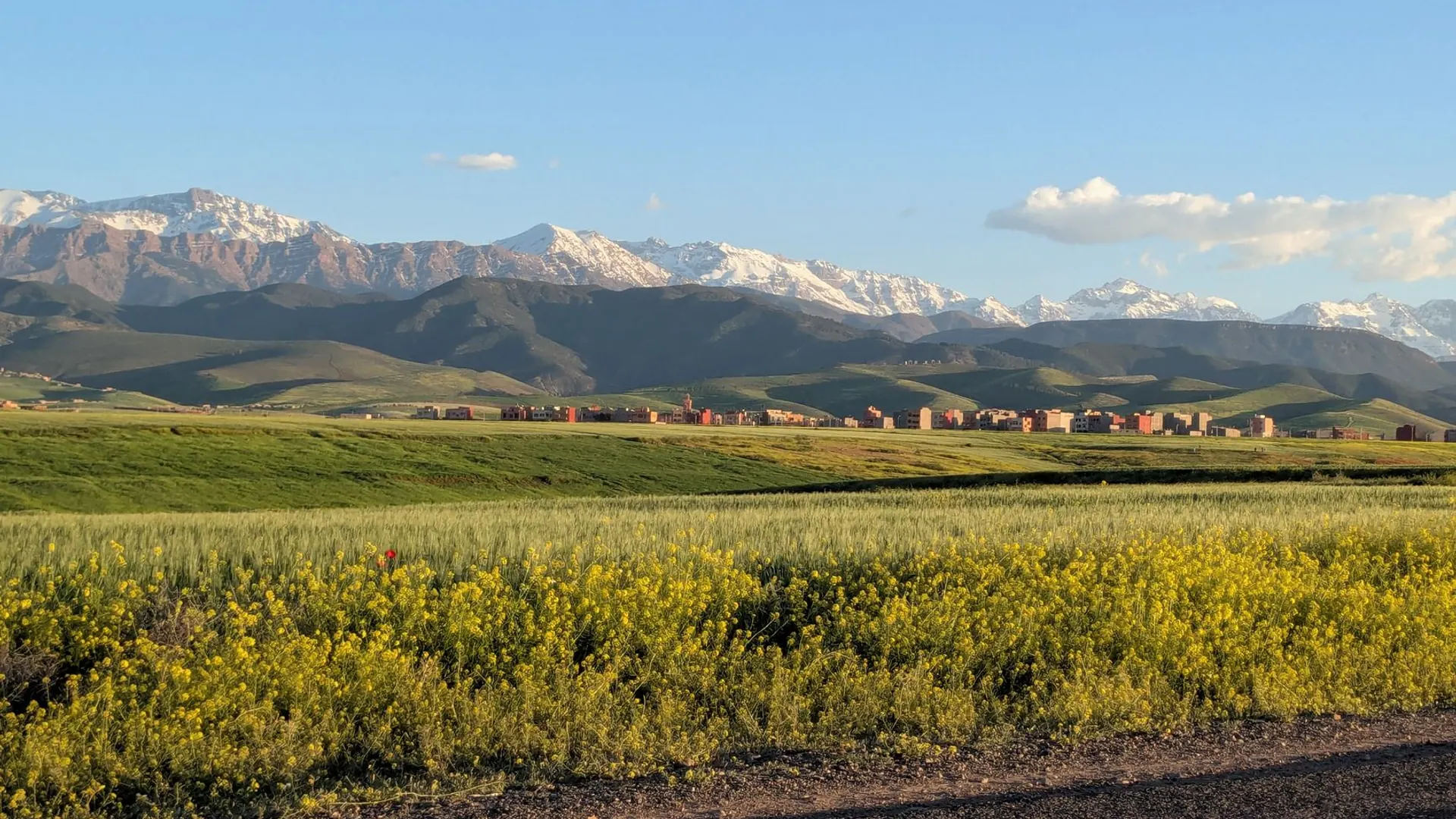
Morocco works well for families, and not only for older children. Medinas are car-free, food is generous, people are used to children, and the country is compact enough that you can see a lot without spending the whole trip in a vehicle. The families who struggle are usually the ones who plan the same whirlwind route they would take without children.
01. Is Morocco good for families?
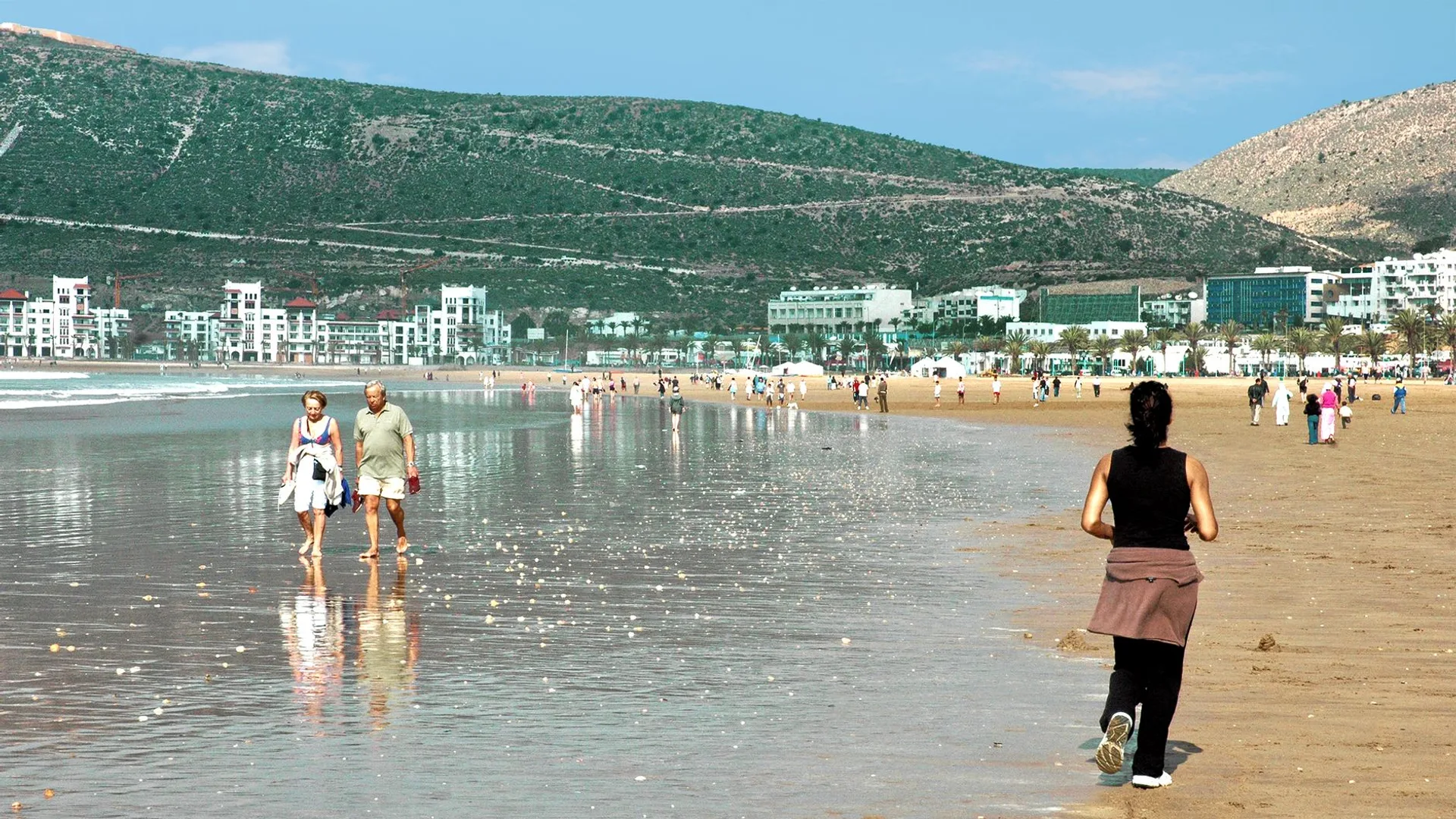
Yes, with one adjustment: slow down. Morocco rewards a short list of places done properly far more than a long list done quickly. Two bases with day trips will give your family a better trip than five hotels in eight days.
Children tend to enjoy the sensory parts most — the souks, the camels, the mint tea, the courtyard pool at the riad. Adults often worry about bargaining, crowds and driving before the trip, and find those concerns fade once they have a driver waiting and a room booked.
02. Which ages suit Morocco best
Toddlers and preschoolers cope well if you keep distances short and naps in mind. Medinas are flat and car-free, which is genuinely easier than many European city centres, but the ground is uneven and shade is limited in the middle of the day.
Children around six to eleven tend to be the sweet spot: old enough for camels, markets, ruins and a desert night, young enough that it all still feels new. Teenagers usually engage through food, surfing, quad biking, photography and the sheer strangeness of the medinas.
Very young babies are manageable, though heat and time zones are harder on them. If you are travelling with a pushchair, bring one you do not mind bumping over uneven paving and expect to carry it in places.
03. Choose fewer bases
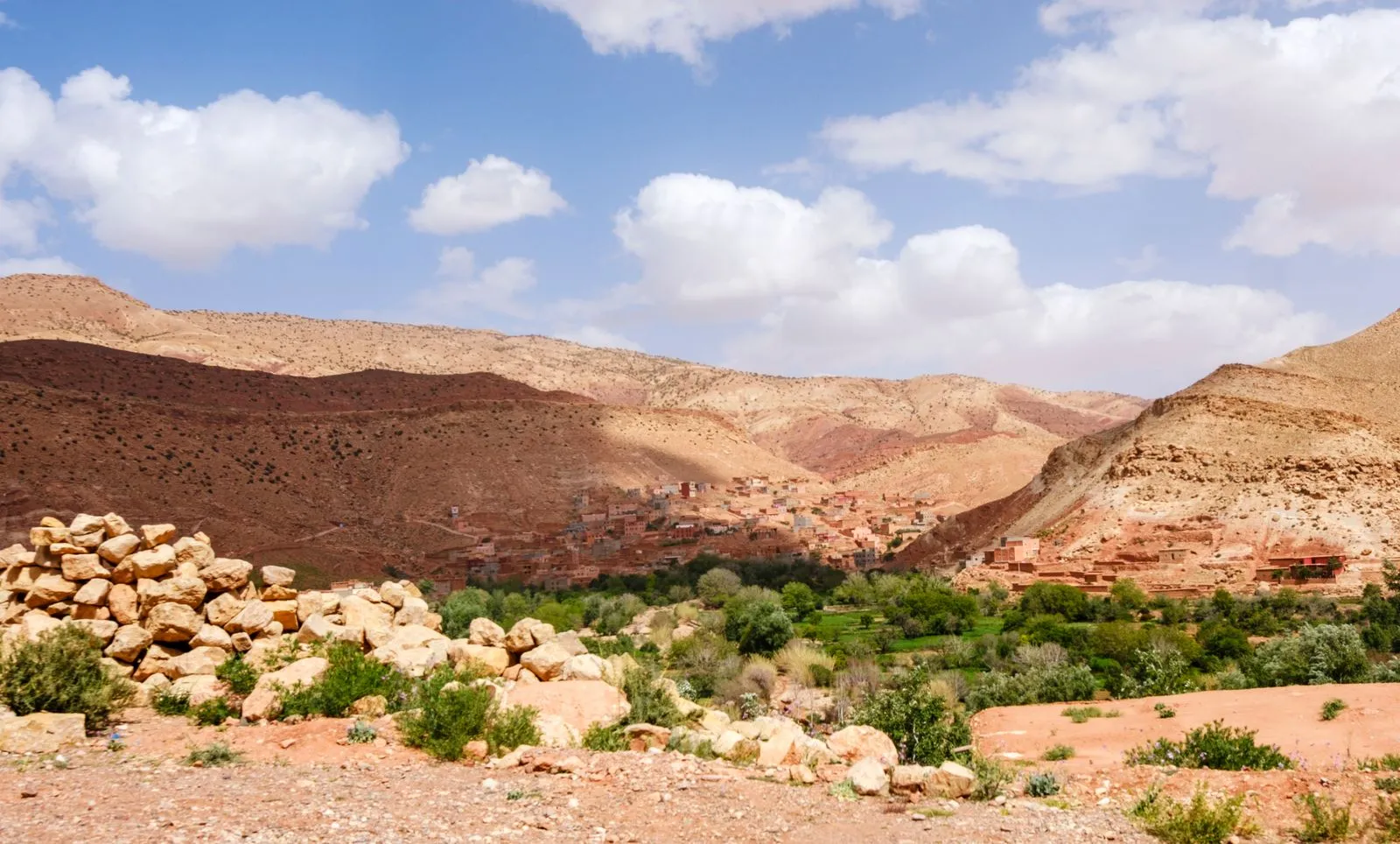
The classic mistake is a loop that touches six cities in a week. Each move costs half a day in packing, checking out, driving and checking in, and children notice the transit more than the monuments.
A workable shape for ten days: Marrakech for three or four nights, one night in the Atlas or on the way to the desert, two nights near the Sahara if the children are old enough, then back via the kasbahs. Families with younger children often do Marrakech, the Atlas day trips and Essaouira, and skip the desert entirely.
Ask honestly how much driving each day involves. A two-hour journey with one stop is fine; a seven-hour day broken by arguments in the back seat is not.
04. Where to stay
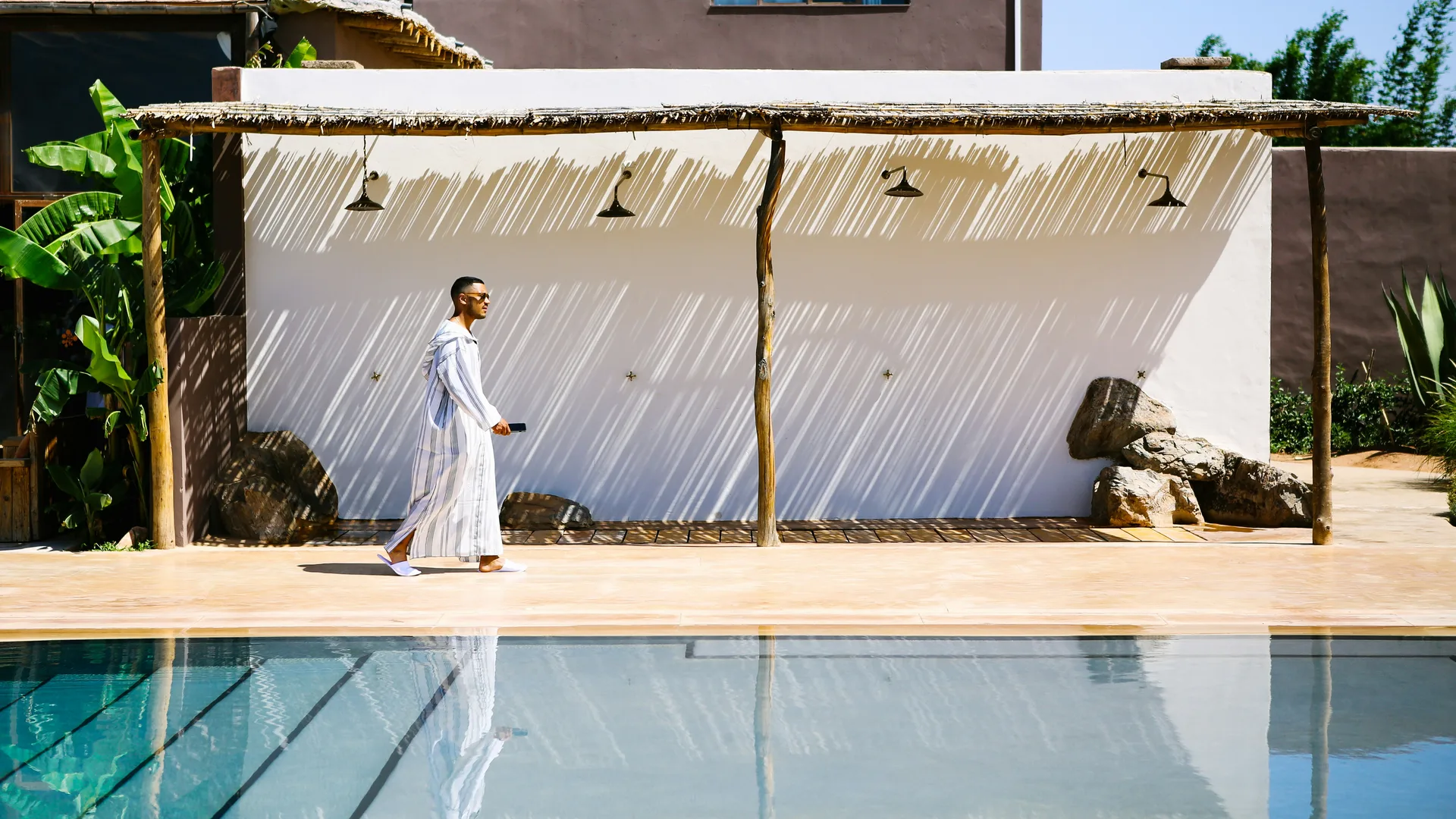
Riads are the memorable choice, and most have a courtyard that quietly solves the evening problem of children with energy left. Confirm the room configuration before booking — traditional riads often have rooms arranged around a courtyard rather than a corridor, which affects who hears whom at night.
Ask three things: how far the walk is from the drop-off point, whether the pool is fenced or supervised, and whether the rooftop is secure. Medina addresses are hard to map, and arriving at nine at night with tired children and luggage is the moment most families remember.
Hotels outside the medina make sense if you want a room to spread out in, a lift, and parking. They cost you the atmosphere but buy back a lot of convenience.
05. Getting between places
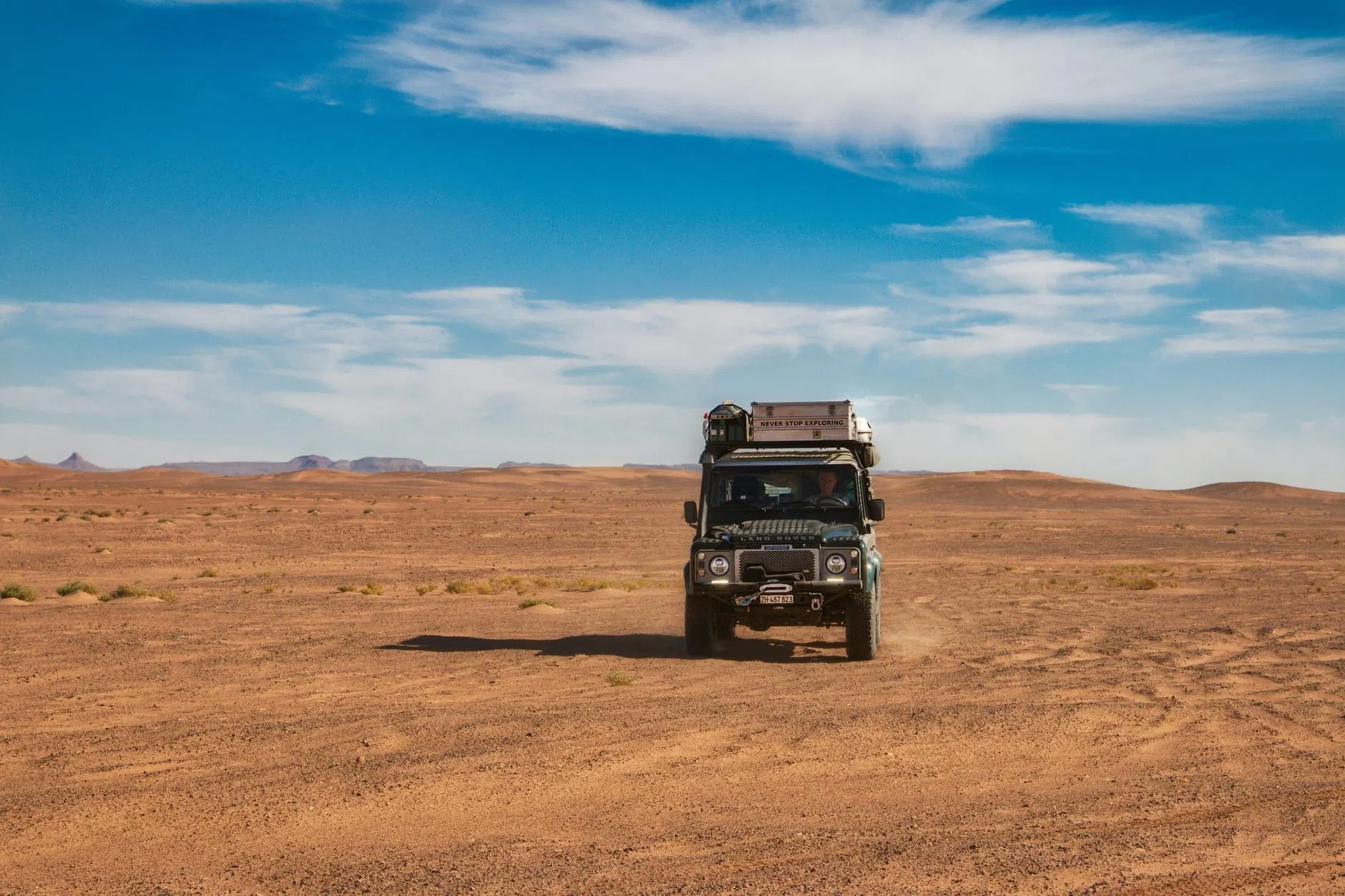
A private driver removes most of the friction. Child seats can be arranged in advance, luggage stays in one place, and you can stop when someone needs the toilet rather than at the timetable's convenience.
Book a vehicle sized for your actual party plus luggage. A family of five with two large cases will be uncomfortable in a sedan for a four-hour mountain road, and the extra cost of a larger vehicle is small compared with arriving exhausted.
Confirm child seats when you book rather than on arrival. Availability in smaller towns is limited, and a last-minute scramble with a sleeping toddler is exactly the trip you are trying to avoid.
06. What children will eat
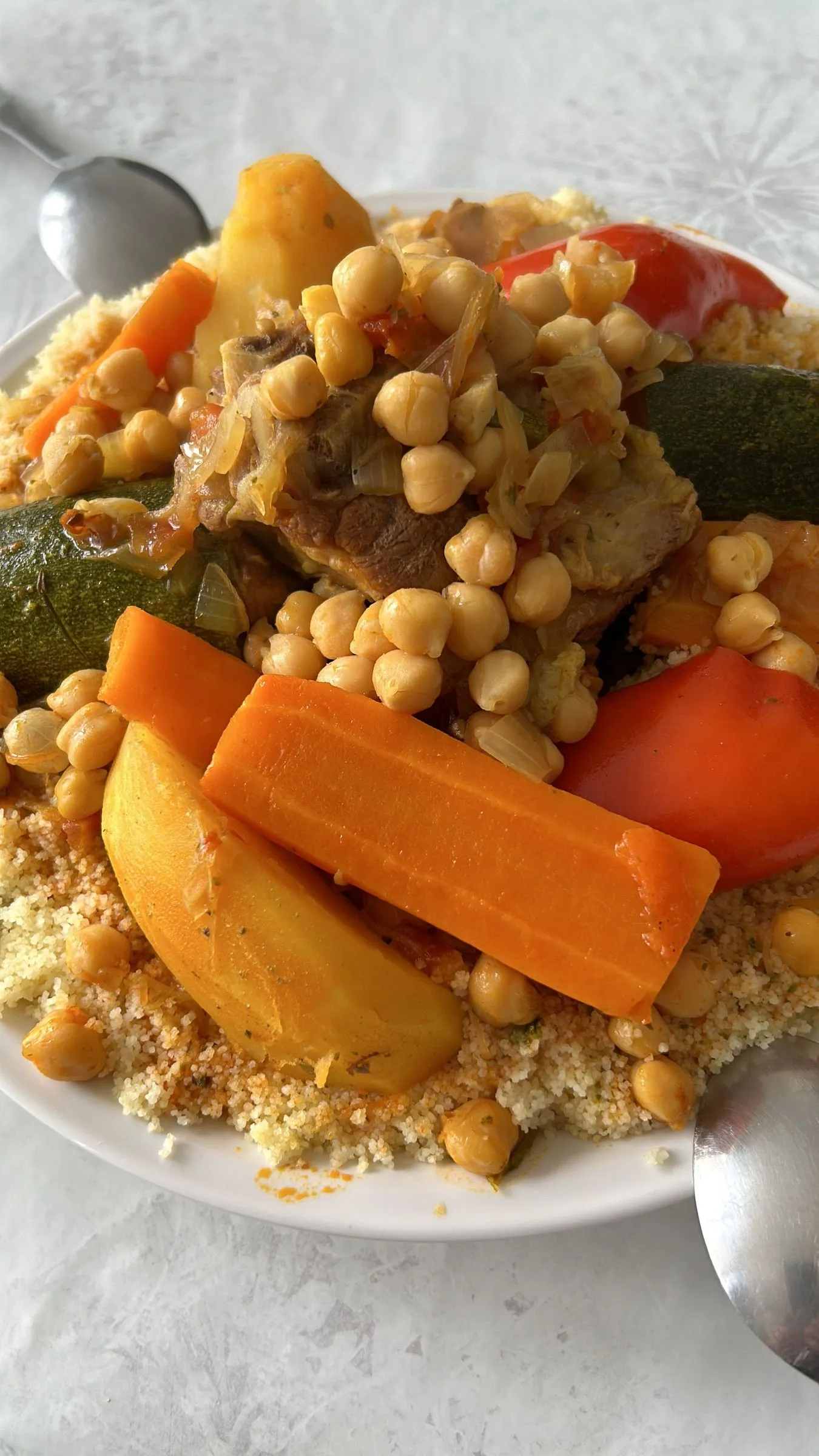
Moroccan food is friendly to children. Bread comes with everything, chicken is common and mild, and fries appear on nearly every menu alongside the tagines. Plain couscous, grilled chicken and tomato-based tagines are usually safe bets for fussy eaters.
Mint tea is sweet and served everywhere, which helps when a child wants something familiar. Fresh orange juice is sold in the main squares and is a reliable win.
Watch portion sizes — restaurant plates are large — and mention spice preference when ordering. Street food is part of the experience but pick busy stalls with a high turnover, and be careful with salads and unwashed fruit if anyone has a sensitive stomach.
07. Heat, sun and hydration
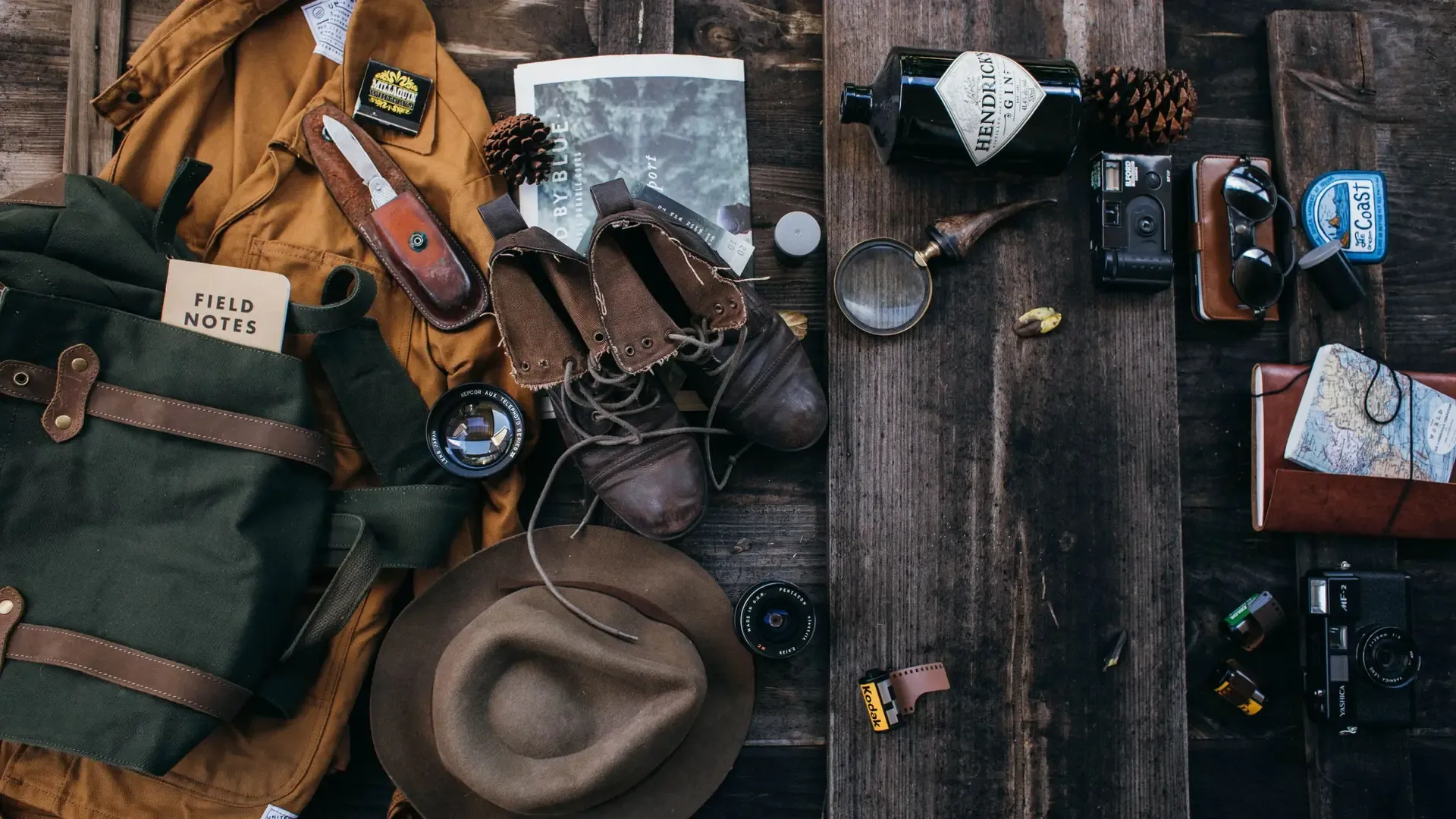
This is the factor that decides whether a trip feels good. In summer, plan outdoor sightseeing for the early morning and the late afternoon, and keep the middle of the day for lunch, pools and rest.
Hats, sunscreen and water are not optional, whatever the season. Children dehydrate faster than adults and rarely complain until they are already unwell. Carry water during city walks and desert transfers, and buy more than you think you need.
Desert camps can be cold after dark even in warm months, so pack a warm layer for every child. Sand gets into everything, and a spare set of clothes kept in the day bag saves a lot of complaining.
08. Health and safety basics
Bottled or filtered water is the safe default, and most families use it for drinking and teeth. Carry any prescription medication you need, since brands differ and smaller towns may not stock what you are used to.
Pharmacies are common in cities and often the fastest first stop for minor problems; the green cross marks them clearly. Travel insurance that covers medical care is worth having, and it is much easier to arrange before you fly than after.
For the ordinary scrapes of travel, a small kit covers most of it: plasters, antiseptic, rehydration salts, insect repellent, and any medicine your own doctor recommends for your children.
09. Souks, crowds and keeping track
The medinas are the attraction and the main place families feel tense. Agree a simple rule before you go in: children stay on the inside of the lane, no one wanders off to look at something, and everyone knows the riad's name even if they are too young for a phone number.
Matching shirts or a bright bag make children easy to spot in a crowd. Set a meeting point for older children and teach them to ask a shopkeeper for help rather than approaching a stranger alone.
Keep valuables in a front pocket and teach children not to accept anything handed to them — henna, bracelets and small gifts are usually followed by a request for money.
10. Things children remember
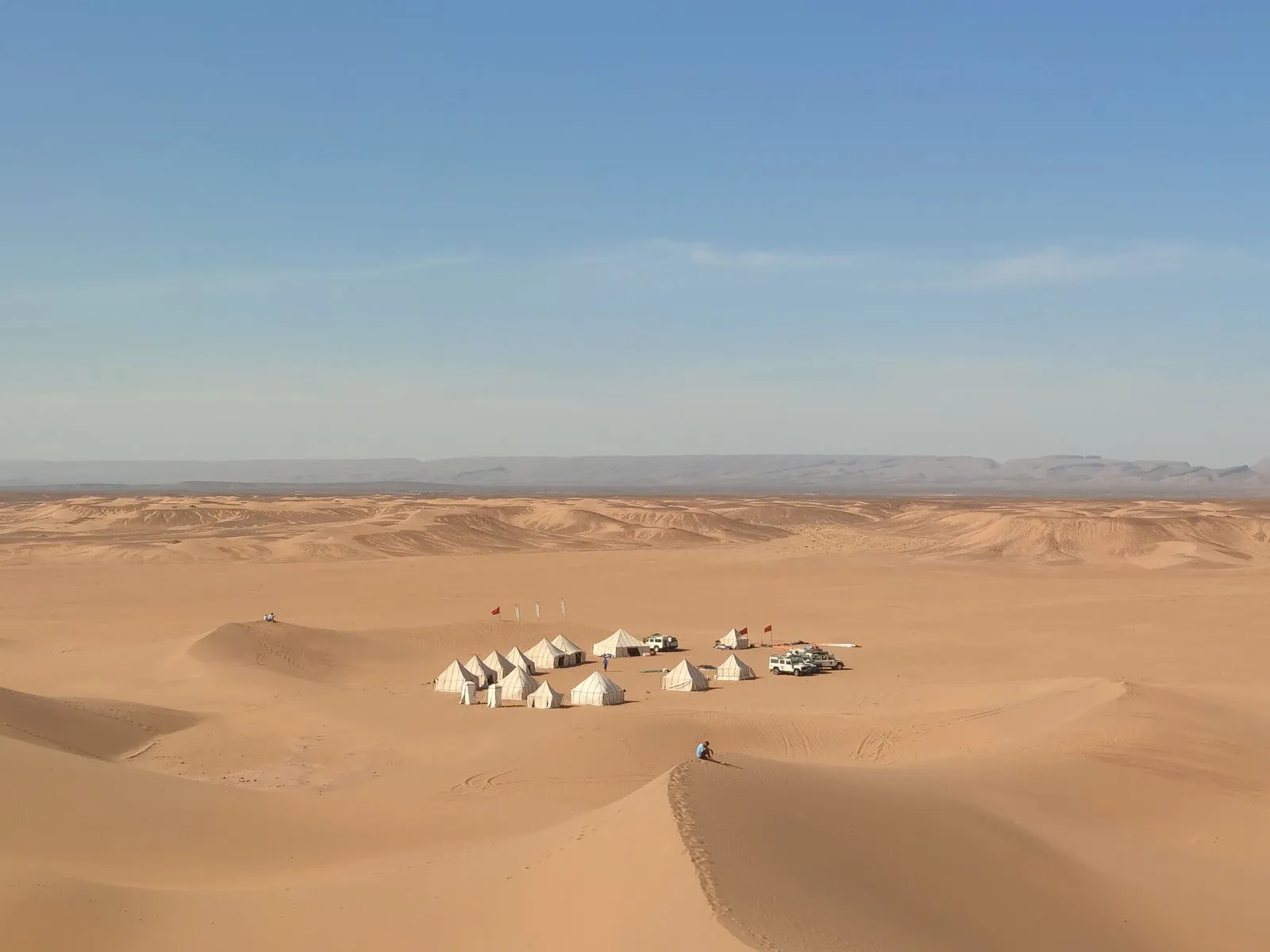
Riding a camel at Erg Chebbi, sleeping in a desert camp, buying their own thing in a souk after winning a bargaining game, making bread or mint tea, and the rooftop at dusk with the call to prayer.
Leave room for those moments. A schedule packed with openings, closing times and entrance queues leaves no space for the unplanned half hour that turns out to be the story they tell later.
11. How we make it easier
We plan family routes around realistic driving times rather than distance on a map, arrange child seats and family-sized vehicles in advance, and choose riads we know are workable for children.
On the ground we are a local team, so a change of plan — a tired child, a hot afternoon, a missed stop — gets handled rather than adding to the stress. Tell us the ages when you enquire and we will design the trip around them.
Frequently Asked Questions
Is Morocco safe for children?
Yes. Moroccans are warm with children and the main practical risks are ordinary travel ones — traffic in busy medinas, heat, and food or water sensitivity. Ordinary precautions cover most of it.
What is the best age to take children to Morocco?
Around six to eleven is the sweet spot for most families, but toddlers do well if distances stay short and teenagers engage through food, surfing and the medinas.
Do we need a private driver with children?
It helps considerably. Child seats can be arranged in advance, luggage stays together, and you can stop when the children need a break rather than following a bus timetable.
Should we include the Sahara with kids?
For children roughly six and over, yes — it is usually the highlight. With younger children, consider Agafay or the Atlas instead, which give a desert feeling in half the driving.
Can children drink the tap water in Morocco?
Most families use bottled or filtered water for drinking and brushing teeth. It is the simple, safe default and avoids any stomach upset mid-trip.
More Morocco tours
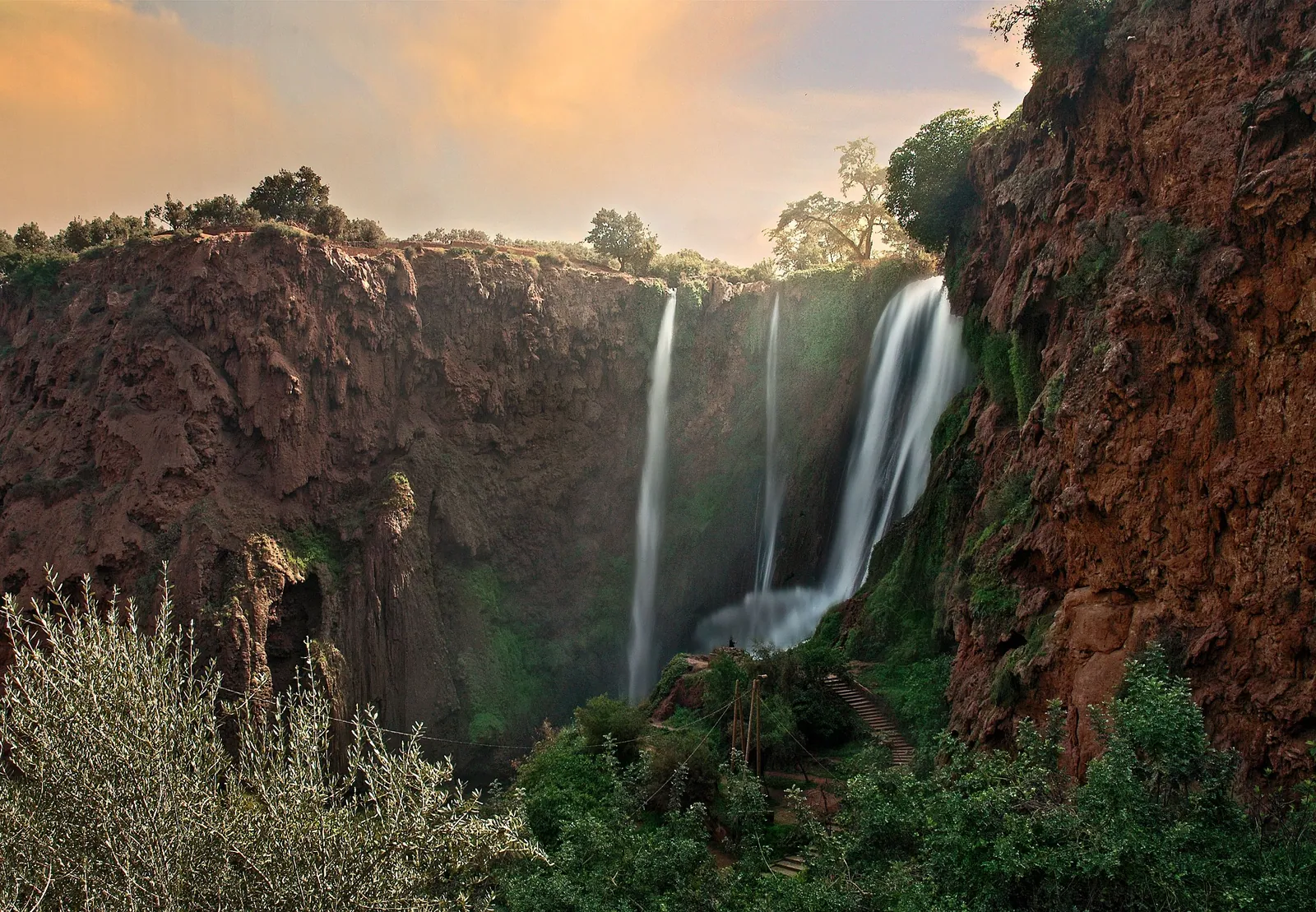
9 Days
9-Day Morocco Tour from Casablanca
From Casablanca over nine days through royal cities, ancient medinas and a stretch of desert. Long enough for the three settings to breathe, short enough that the trip never becomes a transfer schedule.
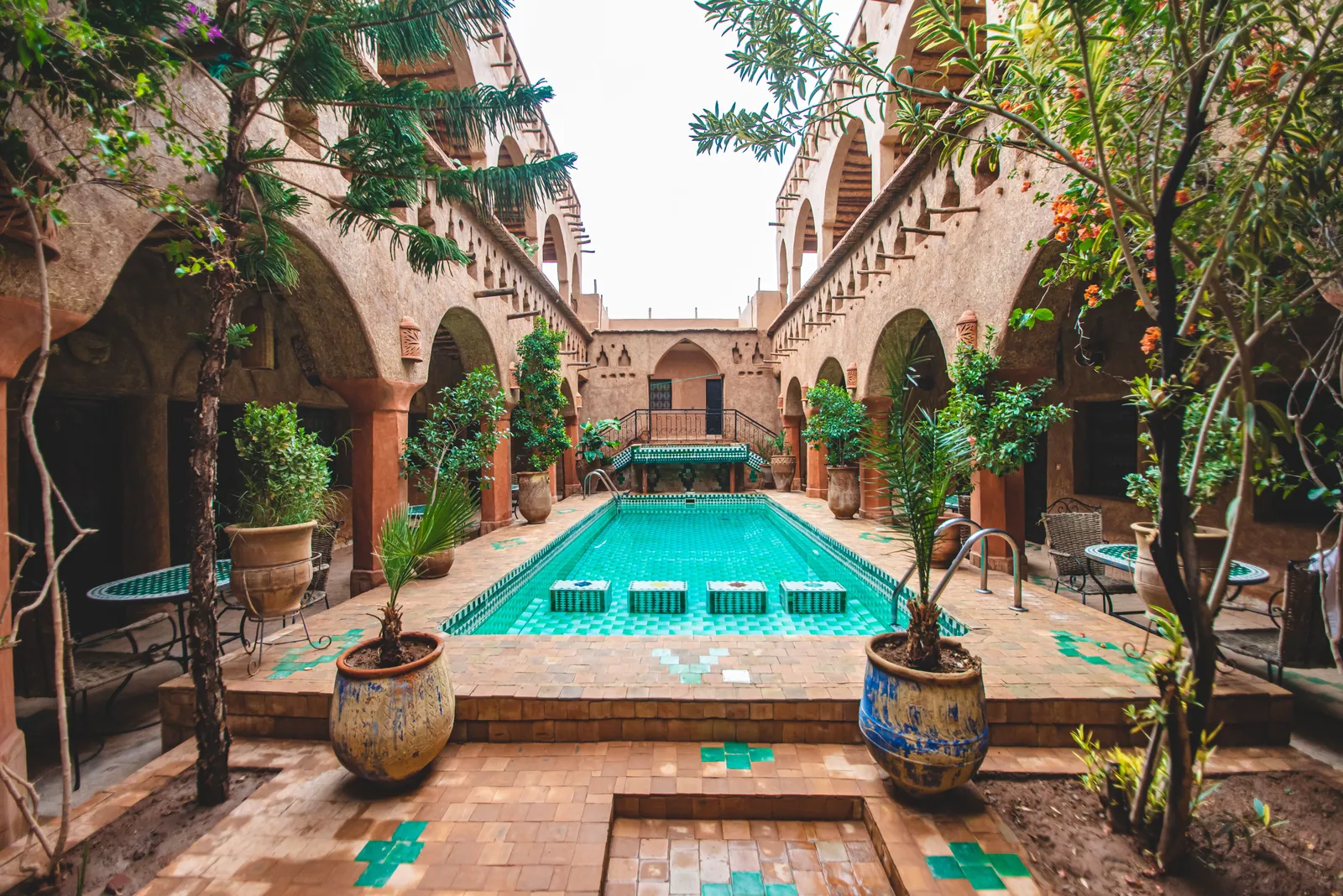
10 Days
10-Day Private Morocco Itinerary
Ten days, private, paced from the riad rather than a coach timetable. For travellers who already know which parts of Morocco matter to them and would rather see those properly than see more of them badly.
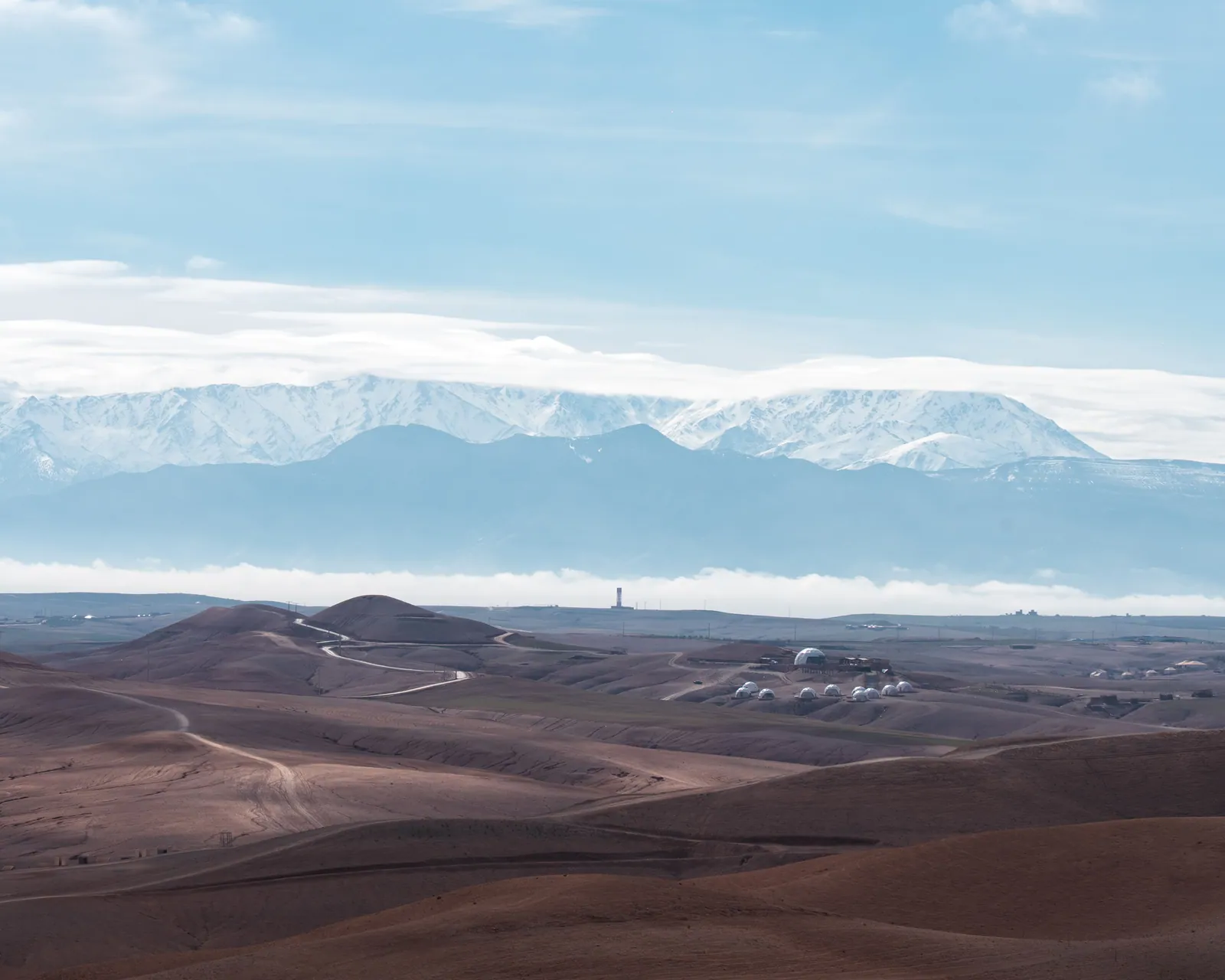
Near Marrakech
Agafay Desert
A dry, rocky desert close to Marrakech, with no dunes — bare hills, open horizons and camps laid out for dinner after dark. The short transfer is the point: one night either side of a city week.
Related Guides
Marrakech to Sahara Desert Itinerary: A Practical 3, 4 and 5-Day Route
A focused Marrakech to Sahara desert itinerary with clear 3, 4 and 5-day variants. Covers Ait Ben Haddou, Dades Gorge, Todra Gorge, Erg Chebbi, camel trek and realistic driving times.
Fes vs Marrakech: Two Medinas, Two Very Different Cities
Fes and Marrakech are both imperial cities with UNESCO medinas, but they deliver different trips. An honest comparison of atmosphere, sights, food, logistics and which city suits first-time visitors.
14-Day Morocco Itinerary: Cities, Atlas and Sahara
A practical 14-day Morocco itinerary linking Marrakech, the High Atlas, the Merzouga dunes, Fes, Chefchaouen and the Atlantic coast, with realistic driving times.
Liked this guide?
Give it a like on Instagram and tag us from your Moroccan adventure.
Plan a family trip built around your children's ages
Our Marrakech-based team of local experts designs tailor-made Morocco trips around your dates, budget and travel style.
Request a Quote